
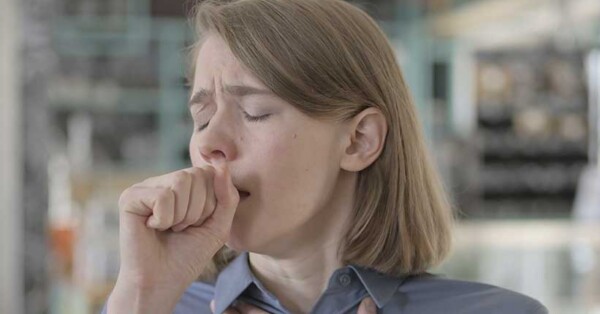
On November 18 each year, World COPD Day is commemorated, a date aimed at raising awareness about one of the most common respiratory diseases and the importance of detecting it early. It is a preventable and treatable condition that, however, can progress for years without being diagnosed, since its early symptoms are often mistaken for aging, smoking habits, or a lack of physical activity.
Persistent cough, morning phlegm, and shortness of breath during exertion may be some of its early signs. Recognizing them and seeking medical advice promptly is essential to receive a diagnosis and improve quality of life.
In this column for Para Ti, Dr. Lisandro Churin, a pulmonology specialist at the University of Buenos Aires (MN 158432), explains what the main causes of COPD are, which symptoms should not be overlooked, how it is diagnosed, and what measures can prevent it and slow its progression.
COPD: what it is and what its main causes are
- By Dr. Lisandro Churin
Breathing is such a daily act that we rarely think about it. We do it thousands of times a day, effortlessly and almost without noticing. Yet for some people, something as simple as walking a few blocks, climbing a flight of stairs, or performing routine tasks can become a true challenge.
Chronic obstructive pulmonary disease (COPD) is a preventable and treatable disease, and one of the most common respiratory conditions. In Argentina, 14.5% of the population over 40 years old has it, while worldwide it affects up to 12% of adults. Many of these people, moreover, are unaware that they have the disease.
Smoking is its main cause: more than 50% of COPD cases are linked to it, according to the Global Initiative for Chronic Obstructive Lung Disease (GOLD), an international body that issues recommendations for the diagnosis, treatment and prevention of this condition. It can also develop from prolonged exposure to smoke from wood, environmental pollutants and other harmful substances.
How smoking affects the lungs and what other forms of use pose a risk
Cigarette smoke contains thousands of chemical substances, many of them toxic. According to the World Health Organization (WHO) and the Centers for Disease Control and Prevention (CDC), cigarette smoke contains more than 7,000 chemical substances, at least 250 toxic or harmful substances, and around 70 substances with carcinogenic potential.
With each inhalation, these substances enter the lungs and trigger inflammation, progressively damaging the bronchi and the alveoli, small structures through which oxygen passes into the blood. Over time, this damage can lead to emphysema and an irreversible loss of lung function.
Other forms of tobacco use, such as pipes, cigarettes and water pipes (hookahs), as well as cannabis use, also constitute risk factors for developing COPD.
Likewise, exposure to secondhand tobacco smoke, known as passive smoking or secondhand smoke, can contribute to the appearance of respiratory symptoms and to the development of COPD, especially when exposure is prolonged.
Electronic cigarettes or vapers are not risk-free either. Although they are often inaccurately presented as a less harmful alternative to conventional cigarettes, they contain substances capable of causing inflammation and damage to the airways. Scientific evidence suggests a possible association with the development of COPD, though their long-term consequences are still under investigation.
What are the COPD symptoms that should not be ignored
One of COPD’s main issues is that it often progresses silently. The chronic cough, morning mucus production or shortness of breath during exertion are often interpreted as normal consequences of smoking, aging, or a lack of physical conditioning.
However, these symptoms can be the early signals of a disease that requires medical attention. It is important not to dismiss breathing discomfort by thinking: “It’s normal because of my smoking status” or “age doesn’t come alone”.
How COPD is diagnosed
The diagnosis is made through spirometry, a simple and non-invasive study that measures the amount of air a person can exhale from their lungs and the speed at which they do it.
It is important to seek attention for persistent respiratory symptoms, particularly in people over 40 who are current or former smokers. Spirometry is also a priority study in patients with symptoms who have never smoked.
Treatment and prevention: why quitting smoking is essential
Although established lung damage cannot always be reversed, there are treatments capable of improving symptoms, reducing crises or respiratory exacerbations and promoting a better quality of life.
Physical activity, recommended vaccines, the use of inhaled bronchodilators and regular medical checkups are part of a comprehensive approach. However, no intervention is as important for preventing COPD and slowing its progression as quitting smoking.
Quitting smoking has benefits at any age, even after decades of use. It is never too late to do it.
On this World COPD Day, the message is clear: we should not get used to living with coughing, fatigue or shortness of breath. Recognizing the symptoms and not normalizing them, seeking timely care and avoiding exposure to tobacco are fundamental decisions to protect our respiratory health.
Dr. Lisandro Churin, pulmonology specialist at the University of Buenos Aires (MN 158432).