
Some looks work, and others, in addition, seem designed with every last detail in mind. Often, the difference isn’t about wearing louder pieces or piling on accessories, but about incorporating a structured piece that visually orders the whole ensemble.
It could be a blazer with defined shoulders, a tailored waistcoat, a pleated Bermuda short, or a skirt with clean lines. That single garment is enough to elevate a basic T‑shirt, a romantic dress, a sports tee, or a loose shirt.
It is one of the most recurrent resources in the street style because it blends two universes that, at first glance, seem like opposites: the neatness of tailoring and the freshness of urban wear.
Why a Tailored Garment Changes the Whole Look
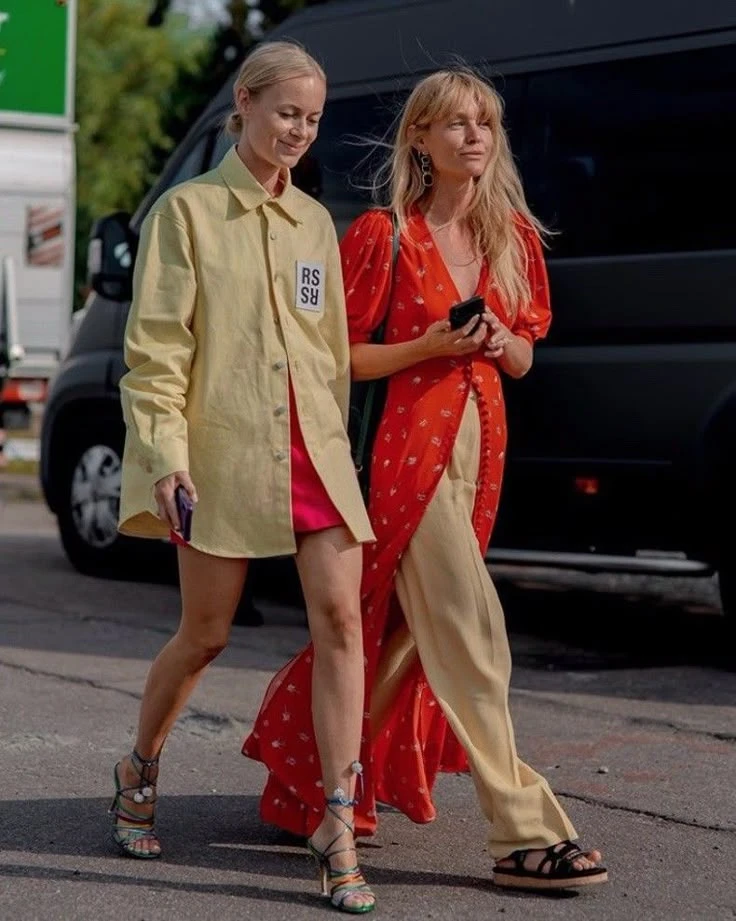
Structured pieces bring sharper lines, controlled volume, and a defined silhouette. Even when worn open or in oversized versions, they generate a sense of order.
They don’t necessarily make the ensemble look formal. When paired with relaxed pieces, they create a contrast that makes the look more interesting.
A blazer over a white T‑shirt stops being “office wear” when it appears with Bermuda shorts, sneakers, or a light skirt. And a sporty T‑shirt changes completely when paired with a pleated skirt and a leather handbag.
Sartorial tailoring acts like a frame: it contains the more informal garments and makes the combination look intentional.
The Third Piece Rule
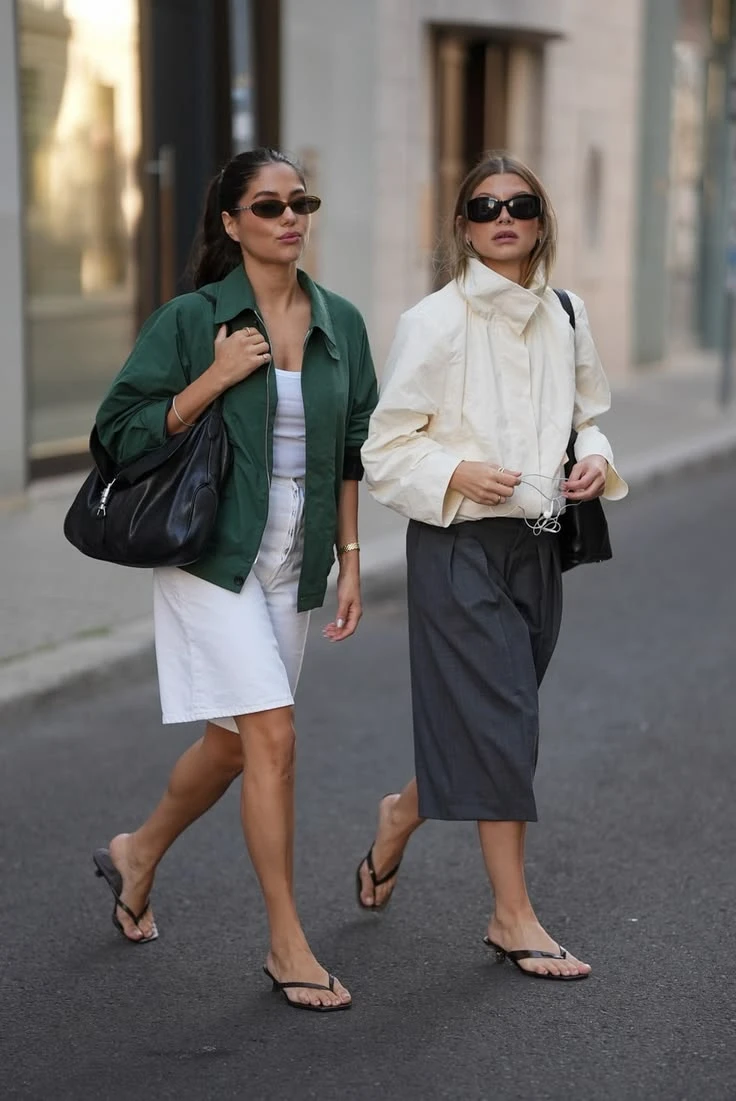
This trick is also linked to the well‑known third piece rule. The idea is simple: besides the two main pieces of the look — for example, a T‑shirt and pants — you introduce a third piece that completes the styling.
That garment can be a blazer, a waistcoat, an overshirt, or a structured jacket. It isn’t essential for getting dressed, but it can be the thing responsible for giving a basic ensemble depth and personality.
In spring and summer, when layering can feel uncomfortable, waistcoats and light blazers allow applying the rule without adding much extra warmth.
Blazer with Dress: Balance Between Structure and Movement
A printed, romantic, or voluminous dress changes when paired with a blazer with firm lines. The upper-body structure balances the dress’s movement and prevents the look from appearing too naive.
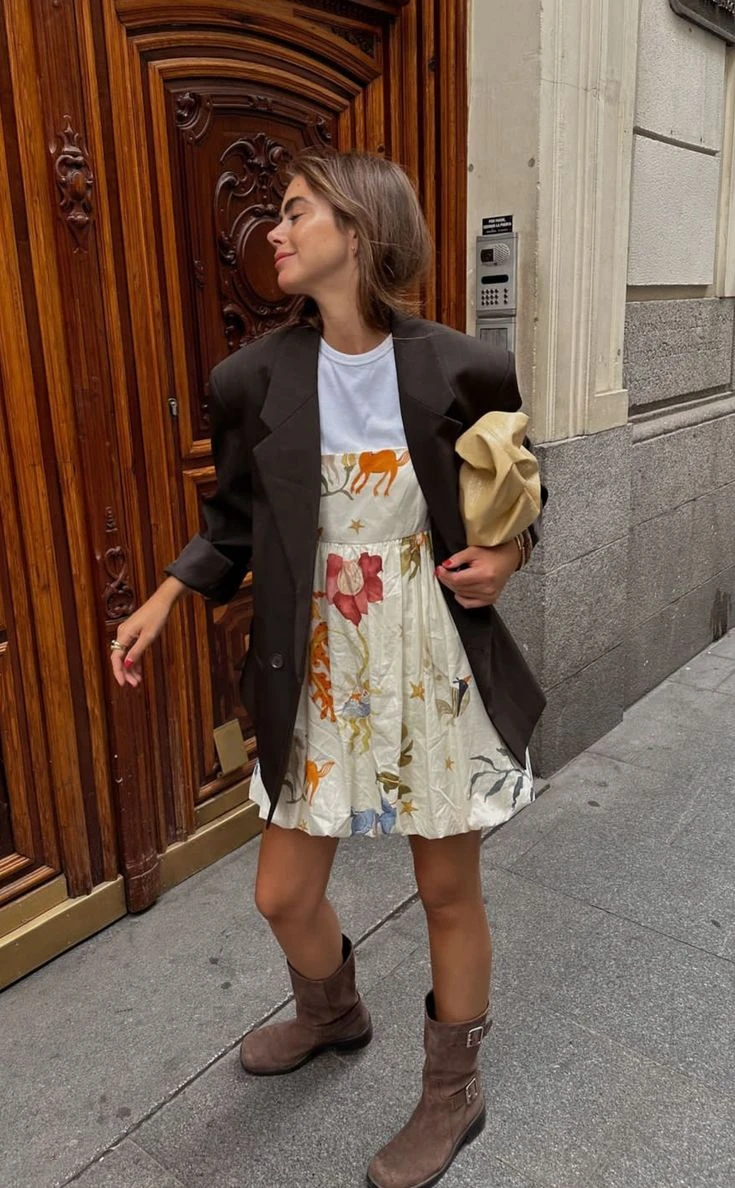
Urban boots, loafers, or low-heeled sandals finish off this formula, steering it away from a too-formal code.
Tailored Waistcoat with Boho Pieces
The waistcoat is one of the best entryways into everyday tailoring. It has structure, but since it lacks sleeves it preserves a fresher and more relaxed look.
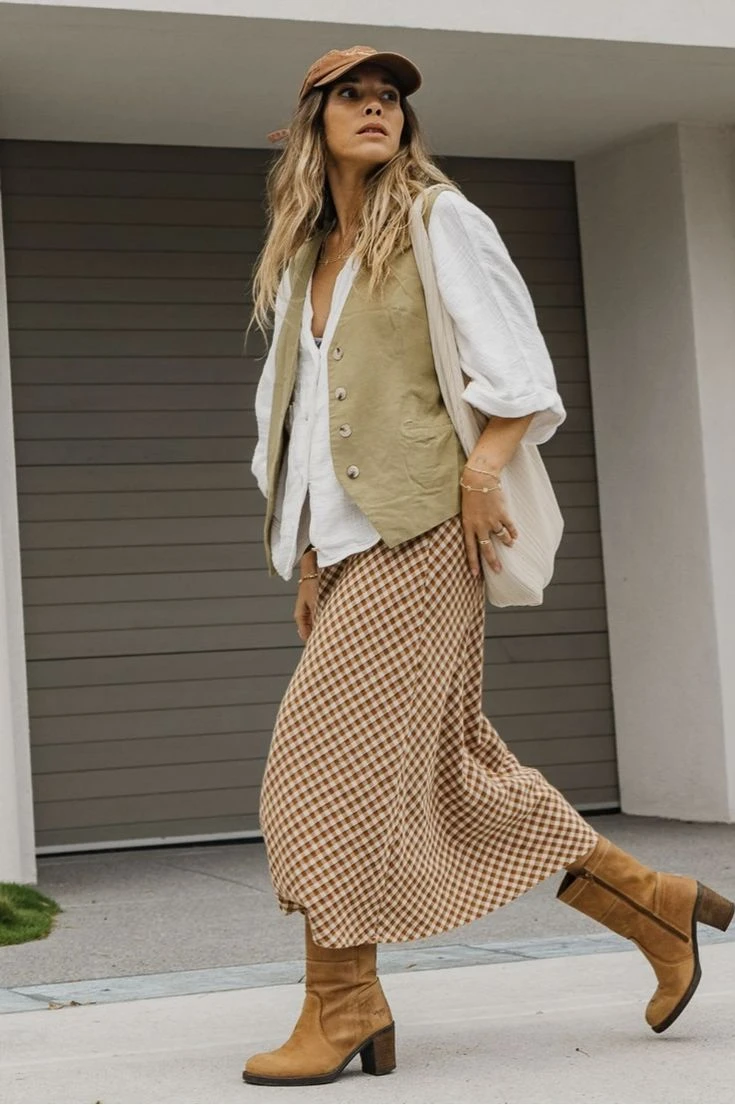
To avoid the combination looking too engineered, it’s better to wear the shirt untucked, leave a few buttons open, or add informal accessories, such as a cap, a large bag, or suede boots.
Blazer with Bermuda Shorts: The Urban Formula of the Moment
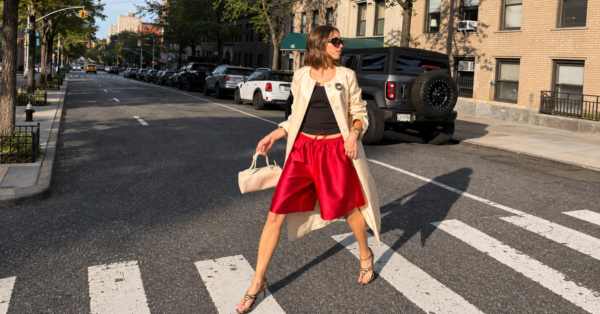
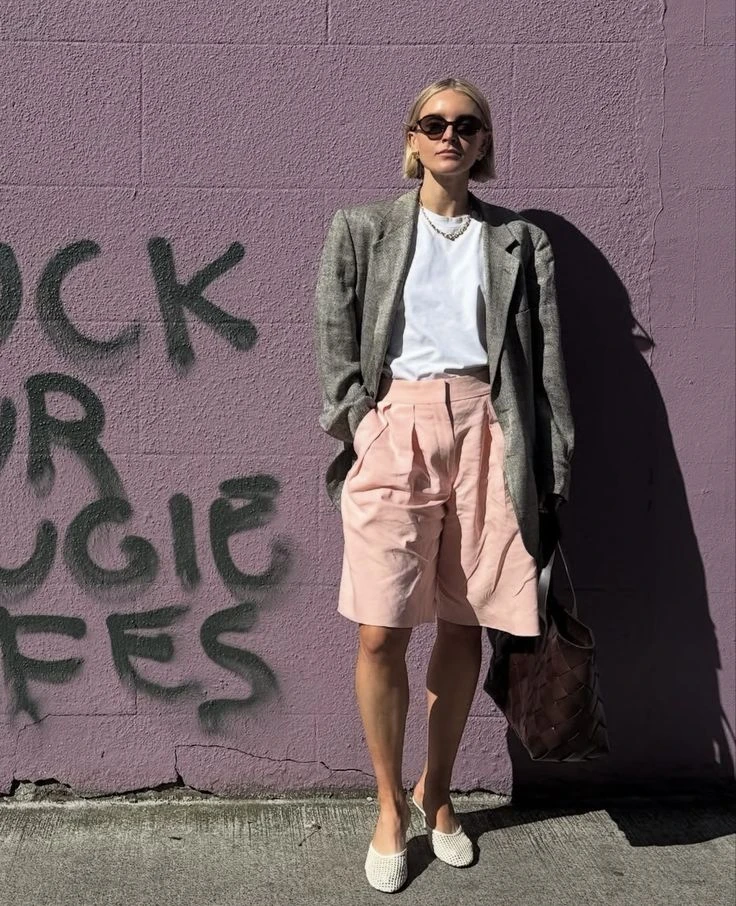
Bermuda shorts are among the garments that best allow the play between formal and casual. If they feature pleats or a tailored cut, they can be paired with a blazer and a white T‑shirt to build a refreshed version of the suit.
But the reverse formula also works: a structured blazer with tailored, satin, denim, or vividly colored Bermuda shorts.
Sport T‑Shirt with a Classic Skirt
One of street style’s most interesting mixes pairs oversized sports T‑shirts with skirts that have a classic cut.
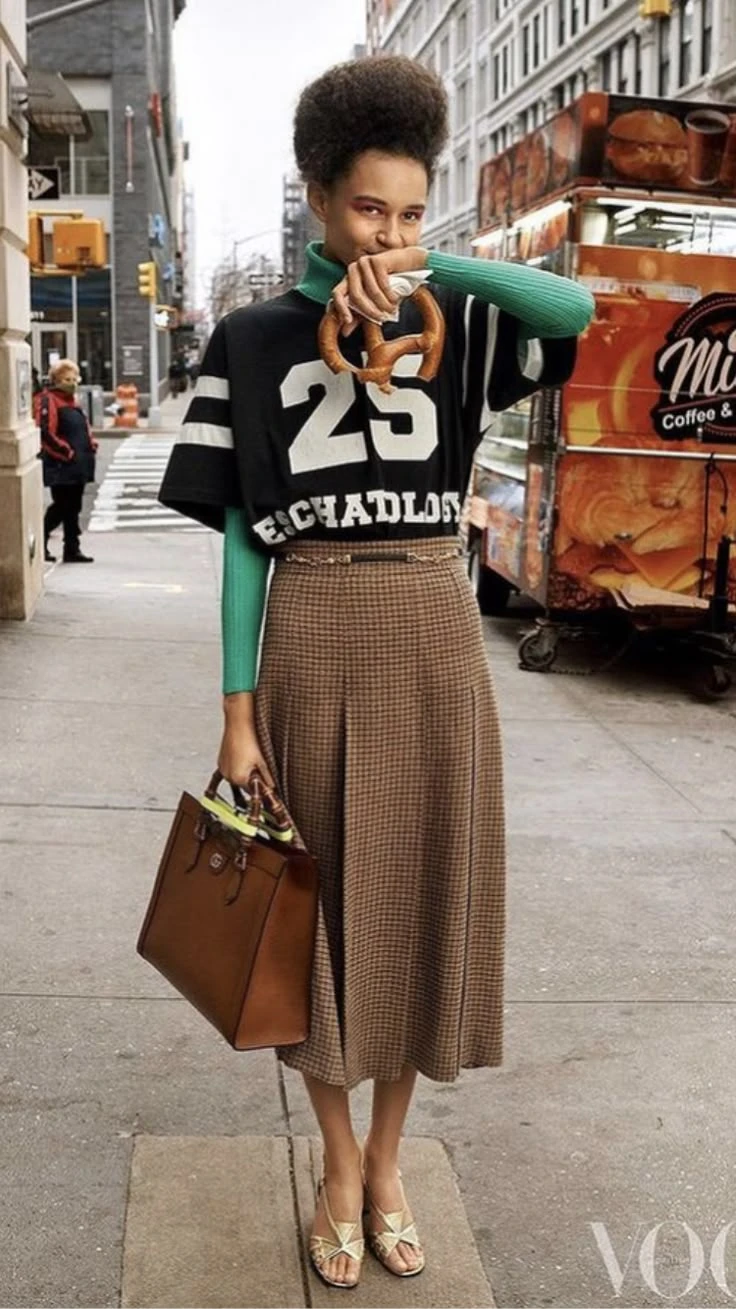
The contrast can be intensified with a rigid handbag and delicate shoes, or taken toward a more urban style with sneakers and visible socks.
The key is not to try to hide the difference between the two garments: the more evident the clash of styles, the more modern the ensemble becomes.
Tailoring with Romantic Garments
Flowy skirts, tulle dresses, sheers, and delicate prints can gain strength when paired with a straight-cut jacket or a masculine blazer.
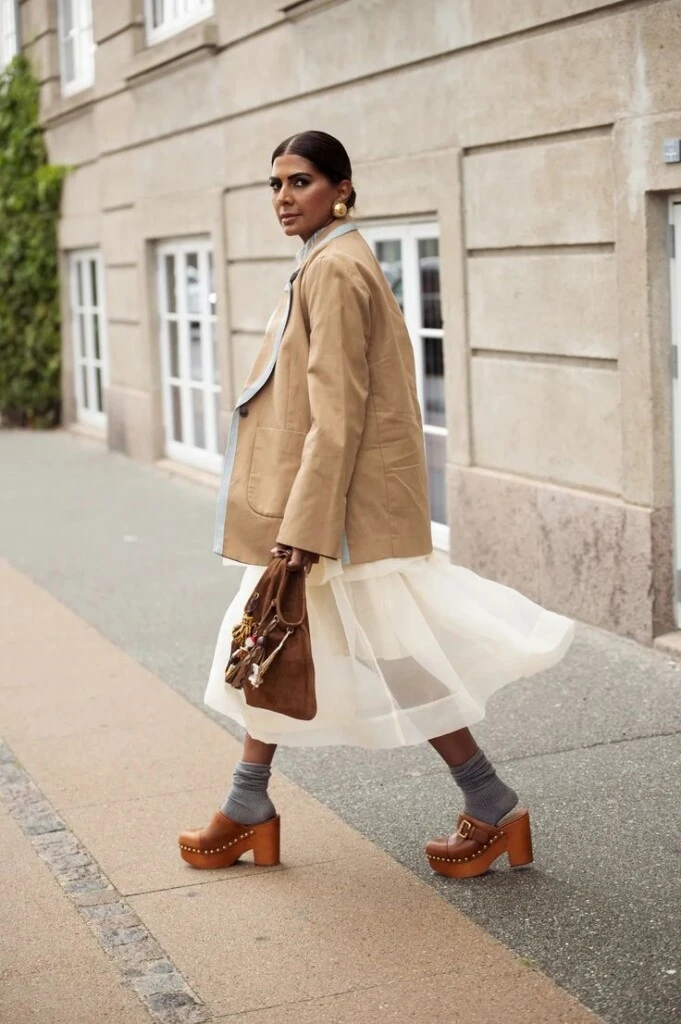
The structure prevents the look from becoming overly sweet and adds a dose of contemporaneity. At the same time, the romantic garment softens the rigidity of tailoring.
How to Choose the Right Structured Piece
It doesn’t have to be a traditional suit or a tight fit. The structure can appear in different ways:
- With defined shoulders.
- With a marked lapel.
- With a constructed waist.
- With darts that shape the silhouette.
- In a fabric with enough body.
- In a rigid handbag that works as a complement.
If the rest of the look has a lot of volume, it’s wise to choose a tailored piece with clean lines. If the base is tighter or more minimalist, you can experiment with an oversized blazer or one with pronounced shoulders.
The Secret Is Not to Pair Everything “Too Well”
This approach works because it breaks the idea that tailoring must be worn only with other formal garments.
A blazer doesn’t need dress pants. A waistcoat doesn’t demand a impeccably ironed shirt. And a pleated Bermuda short can coexist with a T‑shirt, sneakers, or a sportier piece.
The goal isn’t to turn the urban look into a formal outfit, but to add a touch of structure that makes it look more thought-out.
There lies the timeless formula: one piece orders the look and the other relaxes it. That balance is what allows repeating the trick with different styles, seasons, and pieces already in the closet.
