
“Dear John Paul, may your visit bring us justice.” In the living room, everyone was buzzing about the broadcast. Vanessa Pedreira’s maternal grandmother, however, spoke to the Pope through the television. Vanessa still recalls the bustle of her family, the astonishment as they followed Pope John Paul II’s journey through Argentina, and, amid all that, her grandmother’s voice asking for something she would understand better with the years.
From that second visit, Constanza Levaggi keeps another memory. She was about nine years old and went with her family to one of the Masses. Her father had a press credential and, to get a photo of the Pope, he climbed a post. Constanza says she did the “great Zacchaeus,” alluding to the biblical figure who climbed a tree to see Jesus pass by. The family still keeps the photo. She, who today helps prepare the arrival of León XIV, tells the anecdote with a playful disclaimer: “Readers: please don’t climb anything; watch León on the screens.”
The words Vanessa would say again
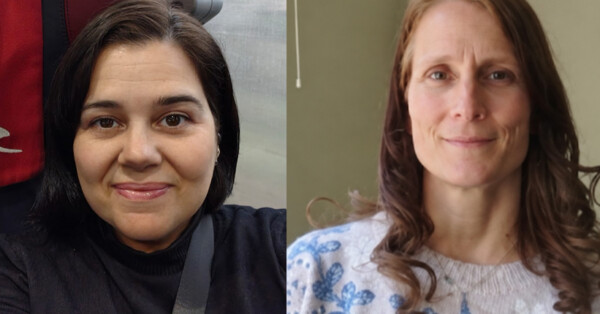
Vanessa is 51 years old and has been working for 32 years at the Catedral de Buenos Aires, where she is the executive coordinator. She is also the director of operational management in the Archdiocese. From these two capacities she participates in organizing the visit activities in Buenos Aires. She says that these days she has to sort through a blend of emotions: at times she focuses on what needs solving, and from time to time she allows herself to feel the “overflowing joy” of experiencing something she had awaited with such anticipation.
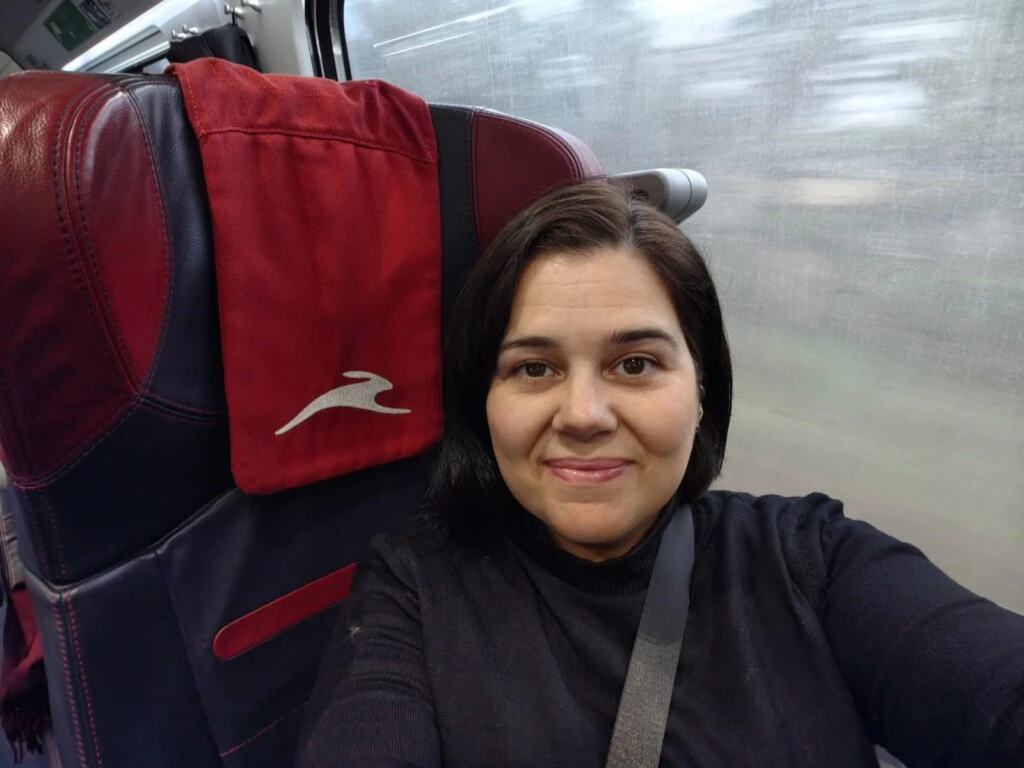
Over the years, Vanessa understood her grandmother’s request as a way to speak about love expressed through concrete actions. Therefore, if she could speak with León XIV, she would say those words again. It would be a way to honor her grandmother and to express something she learned that afternoon in front of the television: for her, justice begins with how we treat one another.
Regarding the visit, she hopes above all that people can share in a joy. To explain it, she uses an image that is instantly understood in Argentina: the image of sport. “When someone wins, we all win. When someone loses, we comfort one another,” she says.
“Regarding the Pope’s visit, I take this very Argentine figure, which is that of sport, and I feel exactly that: the visit of the Pope comes to make us feel that it is here for everyone. It makes us equal, invites us, shares in the same joy. If we go as worshippers, if we are pilgrims, if we are called to help, at the moment the Pope blesses us, he blesses us all equally. The moment he speaks to us, that message is for everyone. No one is left out of that symbolic embrace that he comes to give us as he visits our country. So I believe the thing I most desire is to feel that people feel, precisely, that in these occasions we are all equal, because the Pope embraces us, blesses us and loves us all equally,” she shares.
“If I had to say what faith is, in a few words, I would say that it is a vital force that runs through all paths,” she tells us.
The photo of her dad and her daughters’ song
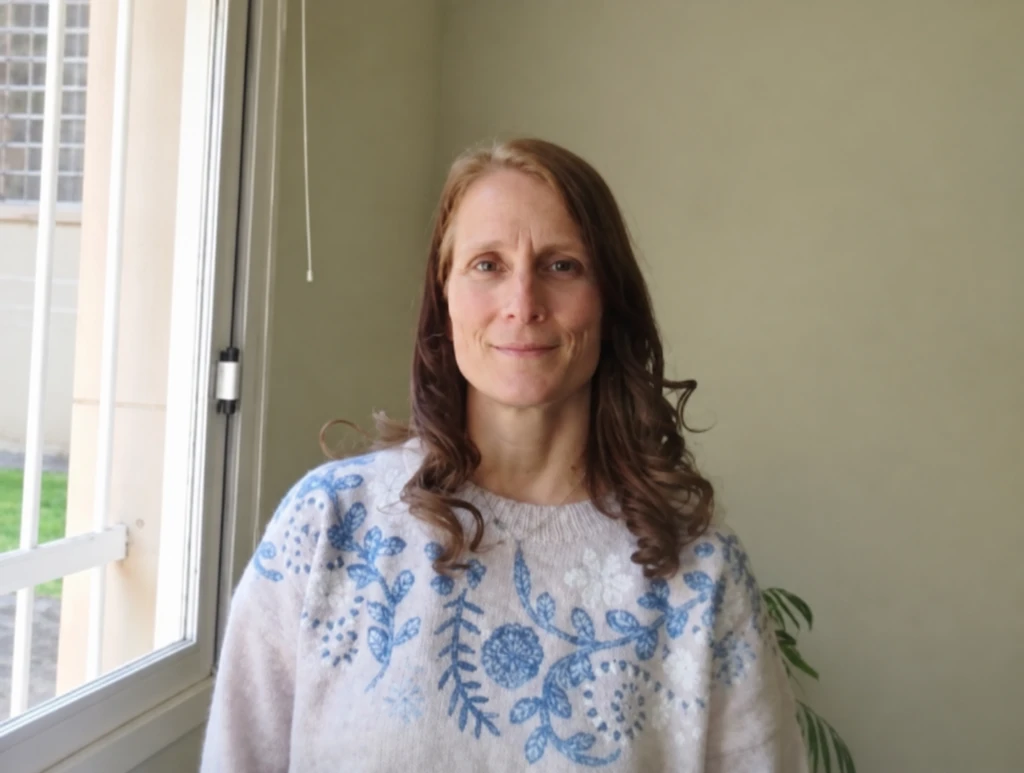
Constanza is 48 years old, engaged in the study and teaching of the Bible at the Faculty of Theology of the Pontifical Catholic University of Argentina and other study centers. She serves in catechesis, especially as director of the Archdiocesan Catechetical Seminary María Auxiliadora and as Executive Secretary of the Episcopal Commission for the Bible and Catechesis of the Argentine Episcopal Conference.
Today she is a member of the National Coordination Team for the Visit. When Father Matías Taricco invited her to take on that role, she saw the opportunity to “open up the game,” as she puts it, so that more people could participate. Today her team supports those who prepare the different activities with proposals for prayer, reflection, and mission.
“It’s true that it’s ‘exciting’ to serve at this event, but greater is the certainty of knowing that it is an opportunity to do good,” she says.
At home, the visit already has a scene that moves her: listening to her two daughters sing the visit’s song. Her father climbed onto a post to obtain an image of John Paul II. She, many years later, already has a memory of these days before León XIV arrives.
If she could greet the Pope, Constanza would thank him for coming and, in the handshake, she would want him to feel the strength of the hundreds of people who worked with his team. She confesses that, if it were up to her, she would also give him a hug. When she thinks about what it means to be one minute alone with him, however, she thinks of something that already happens every day: “It is the ‘alone’ of thinking and praying for Him, of the daily work we do so that He can feel at home, comfortable and loved by our people.”