
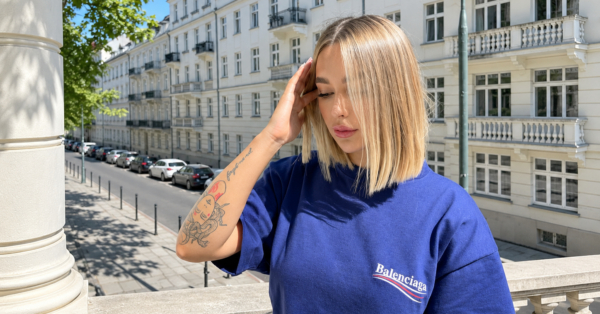
Having fine hair and having a small amount of hair are not exactly the same thing. Fine hair refers to the diameter of each strand, while low density indicates there are fewer hairs on the scalp. It’s possible to have a very fine strand but in abundance, or a thick strand with low density.
This difference is important because it determines which haircut and which techniques are advisable. When the goal is to disguise a lack of density, the secret is to preserve as much hair as possible at the ends and to create volume in strategic areas.
1. Opt for a straight cut with not too many layers
The most effective option is the straight cut or blunt cut. By bringing all the hair to almost the same length, the ends form a compact line that creates an immediate impression of greater thickness.
Very marked layers can remove too much weight and leave the ends thin, uneven, or depleted. Therefore, when there is little hair, it’s best to prioritize a solid base.

This doesn’t mean that layers are completely prohibited. A few invisible or very subtle layers can add movement without sacrificing density, provided they are adapted to the hair type and concentrated in targeted areas.
2. Choose a length that won’t flatten the roots
The longer the hair, the heavier it is, and the harder it is to maintain volume on top. Therefore, short and medium cuts tend to work especially well when density is low.
A jaw-length bob, a carré that brushes the shoulders, or a straight mid-length cut can create a fuller silhouette. The classic one-length bob is one of the most recommended cuts because it preserves weight at the ends and provides structure.
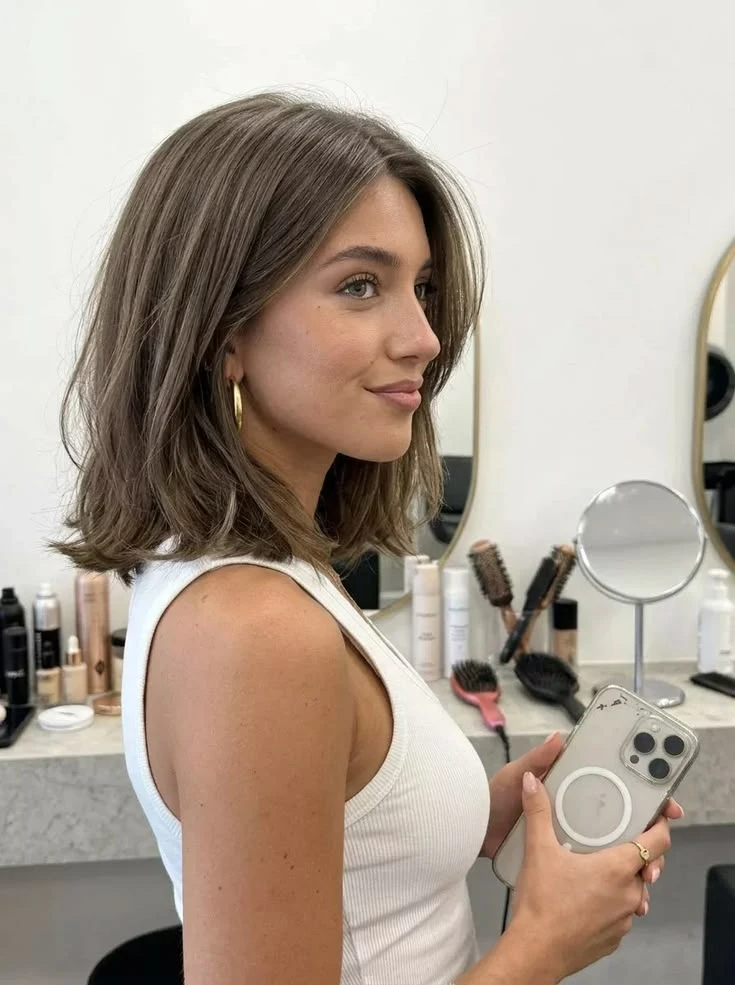
If you prefer to keep long hair, the key is to avoid the ends from thinning too much. A straight cut, with a well-maintained base and without excessive thinning, helps maintain the appearance of fullness.
3. Create volume with a side part
Changing the part is one of the simplest and quickest tricks. A middle part can leave the roots too close to the scalp and make the scalp more visible, especially when there is low density on the top.
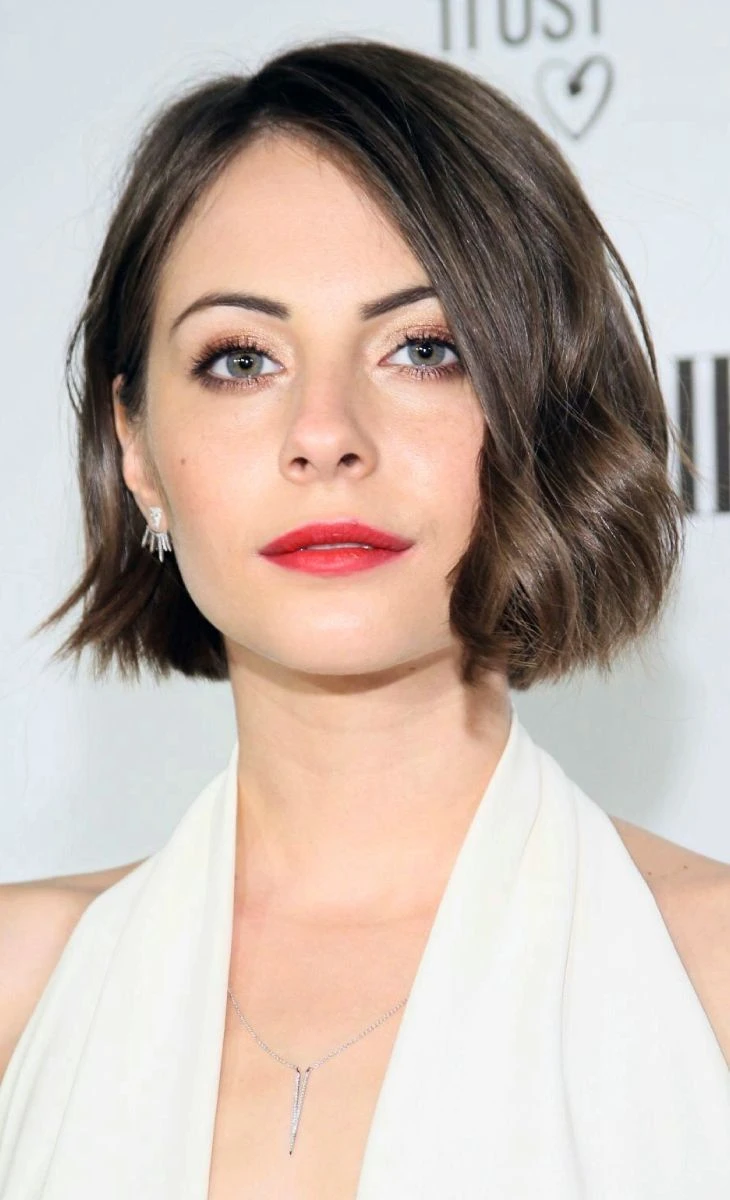
A side part or a slightly shifted one lifts the root and allows a section of hair to be directed toward the opposite side of its natural growth. The change adds volume without needing to modify the length or add layers.
It’s also advisable to change the location of the part from time to time to prevent the hair from becoming accustomed to falling in the same way.
4. Include a strategic fringe
A side fringe, open or curtain-style can help cover areas with lower density around the forehead and, at the same time, add movement.

The key is not to remove too much hair from the top to build it. An excessively thick fringe could leave less density in the rest of the cut. Therefore, it must be light, integrated, and designed according to the way the hair grows.
5. Add texture without weighing it down
The soft waves, barely broken movement, and slightly curved ends create dimension. It’s not about forming highly defined curls, but about preventing all the hair from laying flat against the scalp.
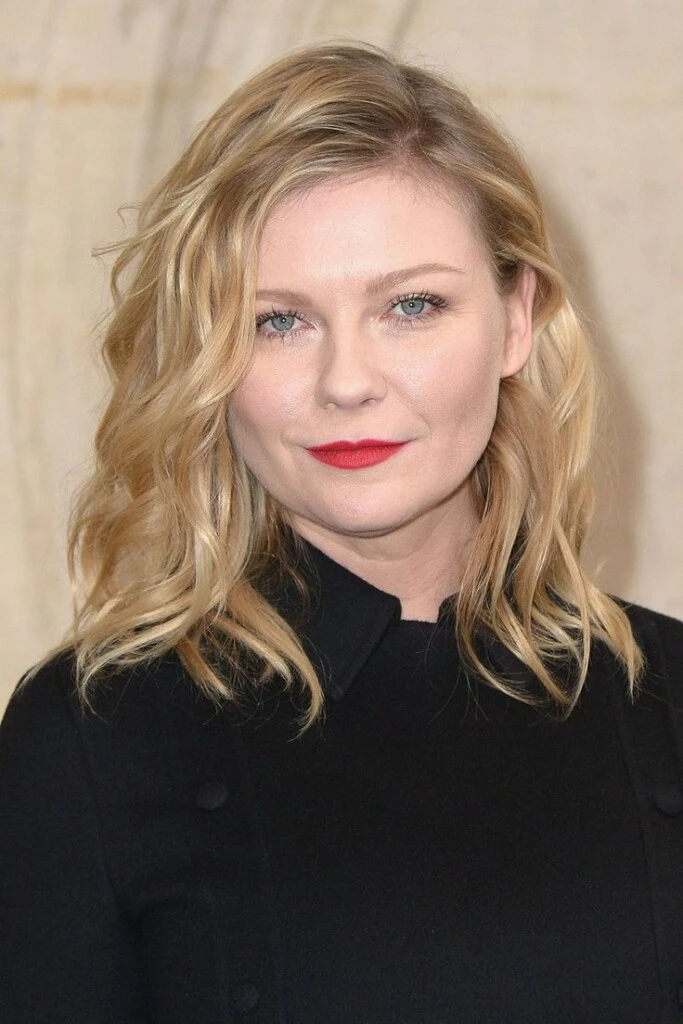
During drying, you can lift the roots with your fingers or use a brush, directing the air opposite to the growth. Another option is to change the part while the hair cools and return it to its place at the end.
Heavy formulas applied near the roots can have the opposite effect and cause the hair to lose volume. If you use styling products, it’s best to apply them in small amounts and concentrate them on the middle and ends.
6. Use dry shampoo before you need it
Dry shampoo does not only extend the time between washes. When applied to clean, dry hair, it can add texture and help prevent the roots from flattening quickly.
Experts consulted by Elle recommend using it preventively after drying, especially on bangs and areas near the face that tend to get oily more quickly.
The goal is not to accumulate product, but to provide a light texture that helps separate the roots and give them more movement.
7. Use color to create dimension
A completely uniform color can make hair look flatter. Instead, delicate highlights, well integrated and with low contrast can generate depth and visual movement.
The technique should be subtle and respectful because fine or low-density hair tends to be more fragile. Intense bleaching and frequent chemical processes can increase breakage.
The American Academy of Dermatology advises reducing aggressive procedures, using a gentle shampoo, and conditioning the hair after each wash when shedding or thinning occurs.
8. Avoid hairstyles that are too tight
Ponytails, buns, and very tight hairstyles can look more polished, but they leave the scalp exposed and make the lack of density more evident.
Additionally, wearing them regularly can place constant tension on the follicles. Over time, that traction can cause breakage and even a type of shedding known as traction alopecia.
It’s preferable to choose loose updos, secure them without tension, and alternate hairstyles so that the hair can rest.
When hairdressing isn’t enough
These tricks create the illusion of greater volume, but they do not solve active shedding. If you notice you’re losing more hair than usual, see thinning areas appear, or the change was sudden, it’s advisable to consult a dermatologist to determine the cause.
Hair loss can be related to different factors, such as stress, illness, weight loss, iron deficiency, or genetic predisposition. An early diagnosis allows evaluating the appropriate treatment and avoids relying solely on cosmetic solutions.