
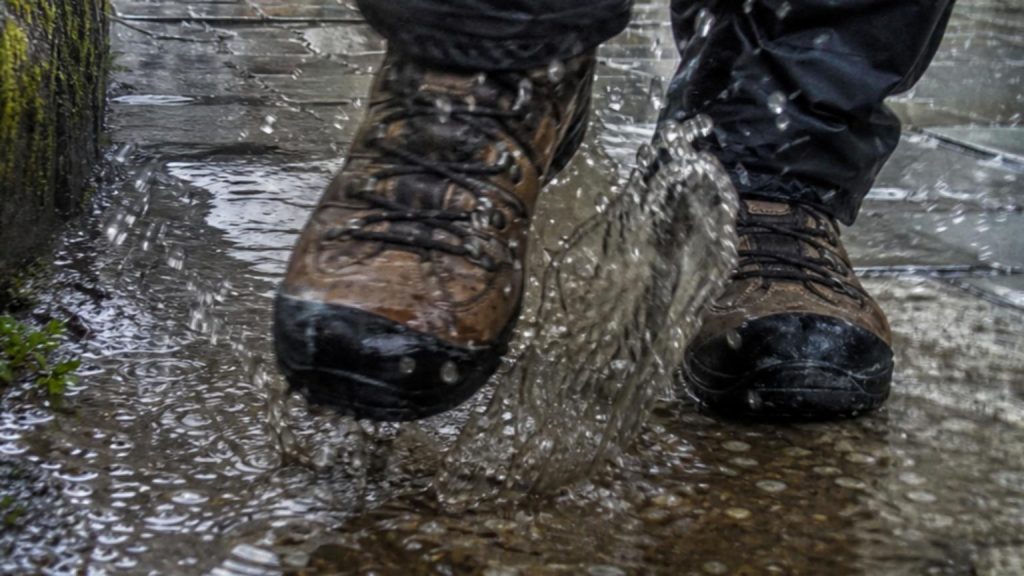
Irish winters make footpaths slick, unpredictable, and relentlessly wet. As a practicing podiatrist, I see the after-effects every week—slips, plantar pain, and cold, cramped toes. The right boot isn’t just about warmth; it’s about biomechanics, traction, and daily comfort. “Choose with your feet in mind, not just your eyes,” I tell patients, because smart features translate into safer, more stable steps.
I look for waterproofing that lasts, an outsole with grippy lugs, a supportive midsole that won’t collapse, and a secure heel that limits wobble on slick pavements. If you wear orthotics, a removable insole is non-negotiable. And for Irish rain, a gusseted tongue and sealed seams keep the puddles out.
What matters most on wet footpaths
The Irish mix of rain, mossy edges, and polished stone demands more than a standard winter boot. You need traction, structure, and a fit that respects natural splay.
- Look for a firm yet cushioned midsole (EVA or PU), a defined heel counter, and 4–5 mm lugs for bite on slick surfaces.
“Support is a safety feature,” I remind patients. A stable platform lowers ankle strain and reduces midfoot fatigue. A slightly higher collar can also steady the ankle, without locking it up. And always check for a roomy toe box; cramped toes chill faster and reduce balance.
Blundstone Thermal (Style 584/566): City-proof Chelsea with real support
For urban commutes, this is the Chelsea I actually trust. It blends waterproofed leather, sealed seams, and a thermal lining with a surprisingly supportive platform. The removable footbed means you can add your own orthotic, which many pull-on boots simply don’t allow.
The outsole has confident, winter-ready lugs that grip wet pavement better than most flat rubber wellies. The midsole is firm enough to curb overpronation, but still cushioned for long days on your feet. “It’s the rare Chelsea that’s both sleek and biomechanically sensible,” and that balance matters in real life.
Sizing runs a touch generous; many do well with thicker socks or a half-size down if between sizes. Expect virtually no break-in—they wear soft but stay supportive.
Merrell Moab 3 Mid GTX: Trail DNA that shines in the city rain
This is a hiker that plays beautifully on wet footpaths. The Moab 3 Mid GTX uses Gore-Tex waterproofing, a stable platform, and a sticky outsole that grips slick stone and leaf-littered curbs. The mid cut adds gentle ankle guidance without heavy bulk.
I like the defined heel counter, rockered forefoot shape, and roomy toe box. Together, they help reduce plantar strain and improve forward roll in each step. If you have a history of heel pain or mild flat feet, the Moab’s structure can be a quiet savior.
“In Irish drizzle and sudden downpours, reliable membranes matter,” and GTX holds up to repeated soakings. The insole is removable, and the platform tolerates custom orthoses nicely. Expect a short break-in and excellent day-one comfort.
Ecco Track 25 High: Waterproof leather with a podiatry-friendly build
For those who prefer a heritage look with modern support, the Ecco Track 25 is a stand-out. It pairs rich waterproofed leather, a robust PU midsole, and a dependable tread that bites on cold, damp pavement. The step-in feel is uniquely planted, which improves perceived stability.
PU holds its shape longer than soft EVA, so you get durable support month after month. The toe box is comfortably roomy, and the heel feels locked-in without pinching. The insole removes cleanly for custom orthotics, and the collar padding prevents hot spots on longer walks.
“I recommend it to anyone who wants all-day comfort without a clunky profile,” especially for mixed commutes of bus, train, and walking on wet streets.
Fit, care, and small habits that prevent big problems
Even the best boot fails if it doesn’t fit. Aim for a finger’s width in front of the longest toe, and enough width for natural splay. Your heel should feel anchored, not sloppy.
- Dry insoles overnight, rotate pairs, and re-proof leather every 6–8 weeks to preserve waterproofing.
A good sock is quiet medicine: merino blends regulate moisture, reduce chill, and limit friction. If you’re orthotic-curious, start with a firm, contoured insole before jumping to custom devices. And keep laces snug over the instep; that’s where stability really lives.
Wet conditions magnify small flaws in gait and gear. Choose boots with stable midsoles, real traction, and an upper that keeps weather out. “When your base is solid, your stride gets calmer,” and winter walking in Ireland becomes less about avoiding puddles—and more about simply getting home.