
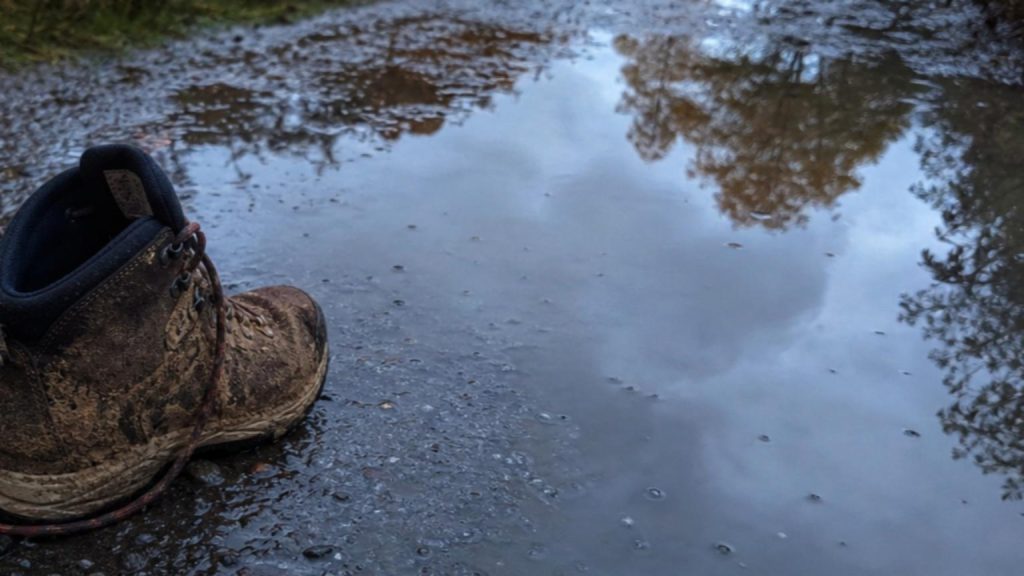
Irish walkers know the weather can change in a heartbeat, and the right boots make all the difference. When a pair is affordable yet thoughtfully designed, it turns grey skies into green-light days. That’s why a no-fuss, under-€30 option from a big-box brand has become a quiet favorite among foot-health pros.
Why foot experts keep recommending them
Ask a podiatry clinic what matters most and you’ll hear the same priorities: fit, support, and function. “Think ‘fit first, brand second,’” is a mantra you’ll hear from many clinicians. A stable heel, a flexible forefoot, and a secure midfoot are the pillars that keep your stride efficient.
With these budget-friendly boots, the heel counter feels reassuringly firm, helping limit sloppy side-to-side motion on uneven, rain-slick pavements. The forefoot flexes at the toes, not through the arch, encouraging a more natural gait and reducing fatigue on longer walks. “Your boot should bend at the toes, not in the middle,” is a simple rule worth remembering.
What you actually get for less than €30
Decathlon’s entry-level walkers are stripped to essentials yet cleverly specced. Expect a cushioned EVA midsole for shock absorption, a lugged rubber outsole for predictable grip, and a padded collar that hugs the ankle without rubbing. Many versions use water-repellent uppers and gusseted tongues to keep splashes out, which is ideal for light showers and puddle splashes.
While some models boast waterproof membranes, others are water-resistant, not fully submersible. Pair them with a periodic DWR spray and you’ll stretch their rainy-day range. The value lies in practical comfort and smart traction, not in expedition-grade armor.
Built with Irish rain in mind
Rain in Ireland is less a season than a recurring guest, which is where these boots shine. The outsole lugs bite into damp towpaths and park trails, while coping well with slick city curbs and fallen leaves. A slightly raised toe bumper saves you from scuffs on uneven pavement and gravelly verges.
Inside, quick-dry linings help manage inevitable splashes, keeping feet feeling less clammy on stop-and-go errands or weekend loops. “Dry feet, happy joints,” as one cheerful clinic poster puts it, and these tick that box more often than you’d think.
Fit, sizing, and lacing that actually work
Comfort starts with the fit, not the label. Try them at the end of the day, with the socks you’ll actually wear, and check that your longest toe has a thumbnail of space.
- Use a “heel lock” lacing at the top eyelets to secure the ankle without crushing the instep.
If you use orthotic insoles, remove the stock footbed to avoid crowding and ensure the heel sits level. Look for even pressure along the laces; no hot spots, no sliding forward on descents or wet cobbles.
The comfort tech you can feel
The midsole foam is pleasantly forgiving without feeling mushy, which helps on longer errands and commuter walks. A modest rocker at the forefoot encourages a smooth roll through each step, easing calf and plantar strain. The ankle padding feels plush, yet the overall chassis stays reassuringly upright on cambered paths.
For many walkers, that balance of soft-where-you-want-it and firm-where-you-need-it is the sweet spot. “Support isn’t about stiffness, it’s about control,” as one podiatrist likes to say.
Durability expectations, set right
Under €30 means sensible compromises, and that’s perfectly fine if you know the limits. Expect the outsole to wear faster on rough tarmac than a premium compound, and reapply water-repellent spray every few weeks in relentless drizzle. Dry them at room temperature, never on a radiator, to protect glues and foams.
Rotate with a second pair if you’re walking daily in heavy rain, which gives midsoles time to rebound and uppers time to air. Treat them well and they’ll return the favor on soggy weekday mornings.
Who will love them, and who should skip
If you clock urban miles, canal-side loops, or weekend greenway strolls, these are a smart pickup. They suit neutral walkers or mild overpronators who benefit from a stable heel and a flexible forefoot. Add a supportive insole if you’ve had niggles with plantar fasciitis, but keep the overall volume comfortable.
If you’re carrying heavy packs, tackling rocky ridgelines, or need rigid torsional stability for serious hillwalking, you’ll outgrow this tier quickly. That’s the point: they’re everyday workhorses, not alpine specialists.
The value that keeps winning fans
What keeps these boots in so many Irish hallways is simple math: they’re comfortable, grip well in the wet, and cost less than a family takeaway. The styling is low-key enough for school-run routes and office-lunch loops, yet practical enough for coastal paths and boggy park edges. They invite you out the door, even when the clouds look ornery.
If your current pair feels tired, consider this upgrade that won’t dent your budget. Lace them tight, step into the mist, and let the small daily miles add up—rain or gentle Irish shine.
