
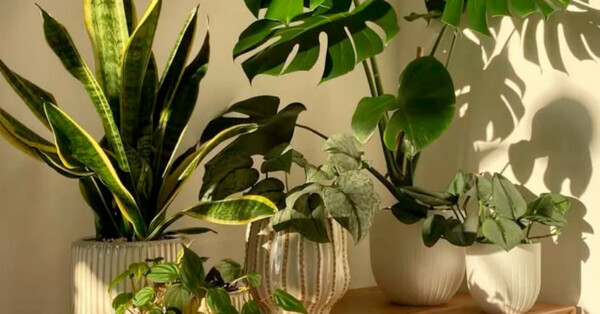
Spring is one of the most anticipated seasons for plant lovers. The days lengthen, temperatures begin to rise, and almost without noticing, new leaves, small shoots and flowers appear, filling every corner of the home, balcony, or garden with life.
But this awakening of nature also brings new challenges. After the coldest months, many plants resume growth and require us to adjust some of their care. And although it may seem logical to increase watering or start fertilizing, doing so too early can be counterproductive.
The key lies in learning to observe them and recognize their signals.
“During the winter, many plants drastically reduce their activity and consume less water and nutrients. As spring progresses, we begin to notice new leaves and shoots, and we also see the substrate drying out faster. Those are the signals that tell us it is time to start adjusting the care,” explains Julián González Oliva, the founder of Ada Garden, the nursery-café located in Villa Ortúzar.
The specialist shares five simple recommendations to accompany plants through this stage and help them grow strong and healthy.
Error 1: Watering plants with the same frequency as in winter.
One of the first changes brought by spring concerns water. During winter, many plants need more spaced watering because their activity decreases. However, as temperatures rise and growth begins, the substrate can dry out more quickly.
This doesn’t mean you should water them every day. The secret is to touch the soil before adding water. If it still retains moisture, it’s probably better to wait. On the other hand, if the top layer is dry, it might be time to water, depending on the needs of the species.
A common mistake is maintaining the same winter routine throughout spring, or, conversely, overwatering too much. Both extremes can affect plant health.
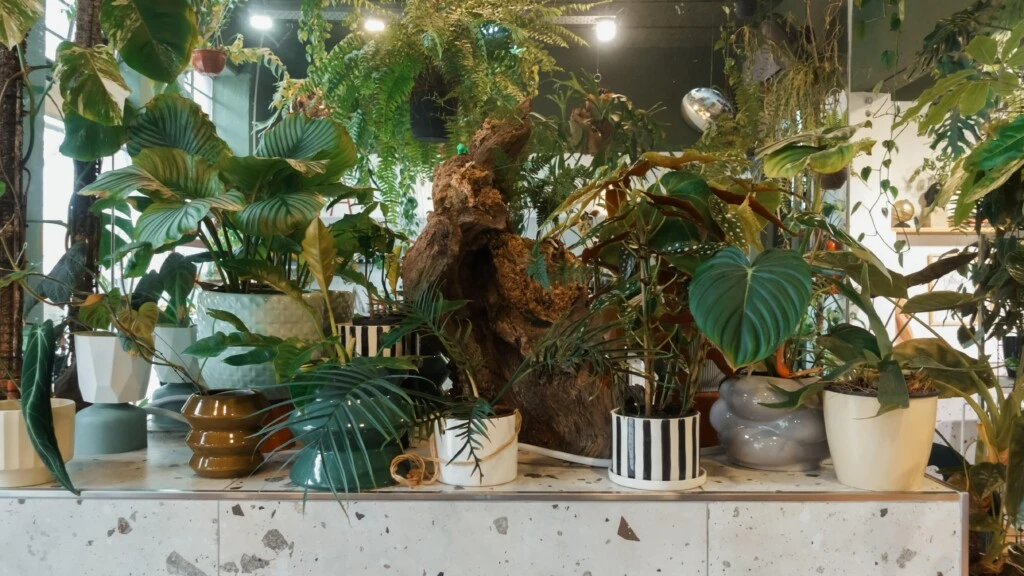
Error 2: starting to fertilize before the plant resumes its growth
Spring is often a good time to introduce nutrients, but there is something important to know: not all plants start growing at the same time.
“First, we have to observe that the plant is active, that it is growing and using water in a reasonable time. Only then do we recommend fertilizing, to accompany that growth with the nutrients it needs,” says González Oliva.
During the cold months, fertilization is usually suspended or spaced for species that decrease their activity. Therefore, before resuming it, it is essential to observe whether new leaves and shoots appear.
A good tip: use a fertilizer suitable for each species and follow the indicated doses. Adding more product than recommended won’t make it grow faster and can harm its roots.
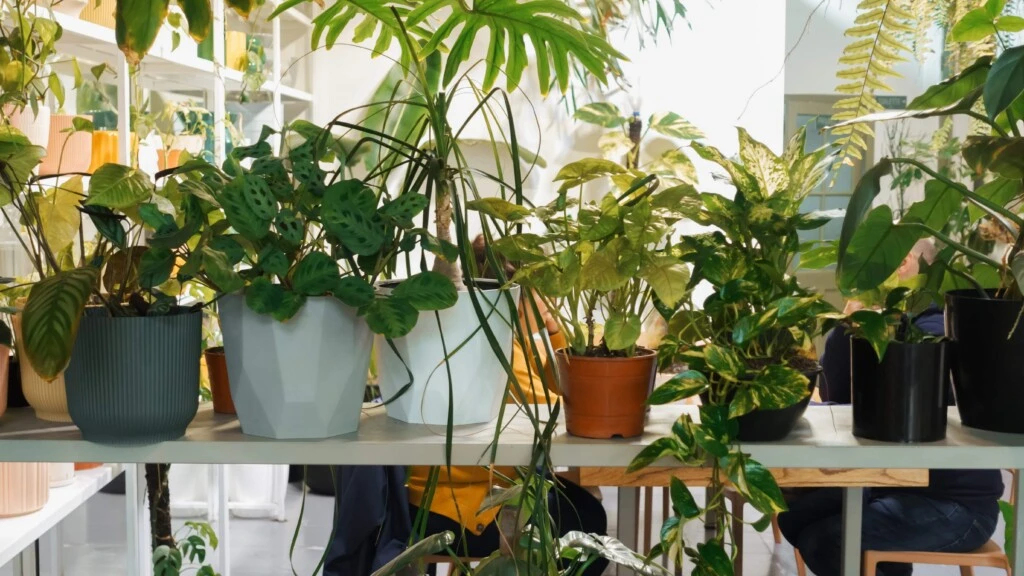
Error 3: not paying attention to new leaves and the first flowers
If there is one thing that excites those who enjoy gardening, it is discovering a new leaf.
During spring, many species begin to show signs of growth. Some develop shoots, others produce larger leaves, and there are those that surprise with their first flowers.
In indoor plants, the main attraction is often the foliage, but there are species that also bloom during this period.
This is the case for some begonias, which may begin to bloom at the start of spring. Observing these changes not only allows enjoying the growth but also detecting if the plant is responding well to light, temperature, and humidity conditions.
If a plant does not produce shoots immediately, that doesn’t necessarily mean there’s a problem. Each species has its own timing.
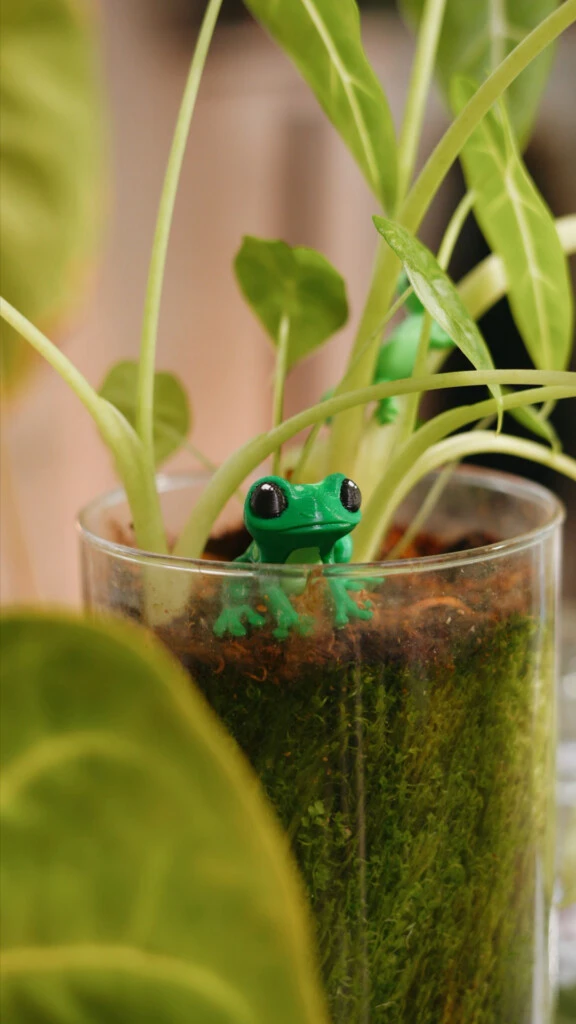
Error 4: leaving plants in old and compacted soil
After several months, the soil in pots can lose some of its good conditions.
In some cases, the substrate becomes too compacted, hindering water circulation and failing to provide an adequate environment for the roots.
Spring can be a good moment to check it.
“If we see that the substrate is depleted and has turned into a dense mass, we can take this opportunity to replace it before the plant reaches its peak activity. It isn’t always necessary to move it to a larger pot; sometimes it’s enough to give it fresh, nutrient-rich soil,” explains the specialist.
A key fact: changing the substrate doesn’t always mean transplanting into a bigger pot.
If the roots still have enough space, renewing the soil mix can be an alternative to improve growth conditions.
That said: it’s wise to perform this procedure carefully to avoid unnecessary root damage.
Error 5: waiting for pests to appear before inspecting plants
Warmer temperatures can also boost the activity of some pests, so spring is an ideal time to establish an observation routine.
Ada Garden recommends periodically checking the leaves, stems, and especially the new shoots. The presence of spots, tiny insects, deformities, or sudden changes in the appearance of the leaves can indicate that something isn’t right.
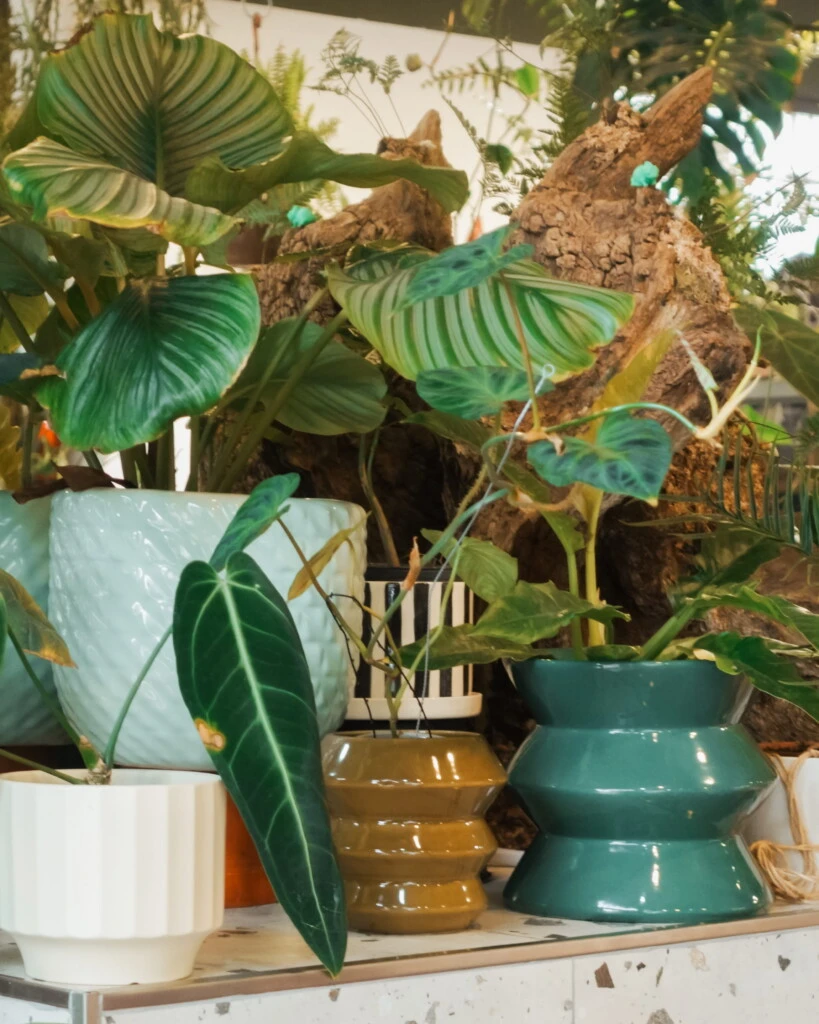
The best habit is to check the plants once a week, paying special attention to the undersides of the leaves, where some pests tend to hide.
When you notice any sign, it is advisable to first identify what the problem is and then choose the most appropriate treatment for that species. Preventive products are not always necessary and should be used according to each case.
The most common mistake: believing that all plants need the same care
If there is one thing to bear in mind during spring, it is that not all plants require the same amounts of water, light, or nutrients. Each species has its own timing and needs, and one of the most frequent mistakes is applying the same care routine to all of them.
“Although spring is often associated with a growth phase, not all plants respond at the same time or in the same way. The species, light conditions, and the environment they are in influence their needs,” explains Julián González Oliva.
That’s why, before increasing watering, adding fertilizers, or moving a plant to a different pot, it is best to observe it. New leaves, shoots, and the state of the soil are small signals that help us understand what it needs.
Because, ultimately, the secret to having healthy, vibrant plants this spring isn’t about doing more, but about giving each one what it truly needs.
Source: @adajardin