
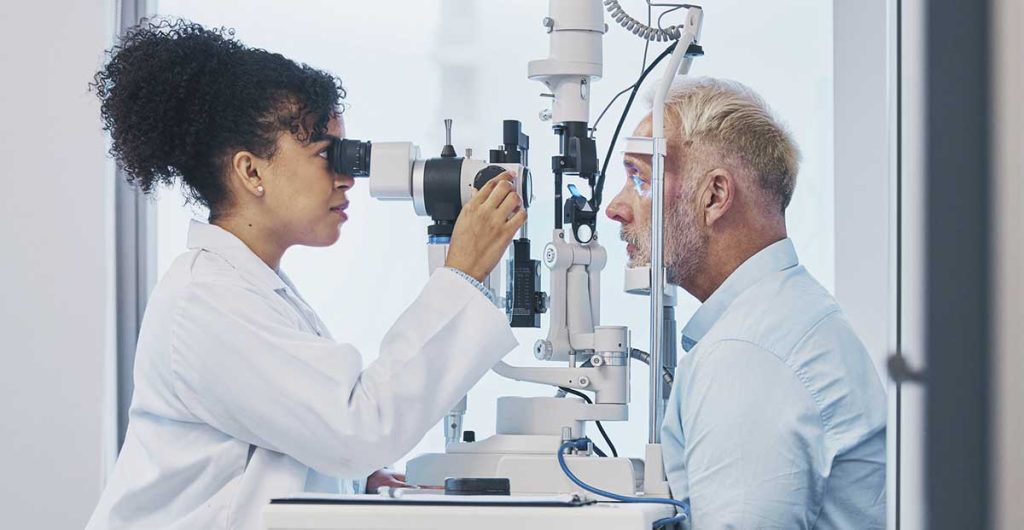
The care of visual health does not begin in adulthood nor should it be limited to moments when a vision difficulty appears. From the very first months of life there are checkups that allow diseases and alterations to be detected, which, if diagnosed early, can be treated appropriately.
In the framework of the World Vision Day, which is commemorated every October 8, the Dr. Jorge Alejo Peyret (MN 67724), an ophthalmologist, head of the Ophthalmology Unit of Durand Hospital, adjunct professor of Ophthalmology at the UBA and founder and former president of the Argentine Glaucoma Association (ASAG), spoke with Para Ti about the importance of caring for vision at every stage of life.
“The five senses are extremely important in the life of anyone: they connect us to everything, bring us unforgettable memories, and allow us to carry out countless activities. The loss of any of them is a significant limitation,” explains the specialist.
Therefore, beyond waiting for symptoms to appear, there are certain ages at which ophthalmologic control takes on special importance.

The first eye checks: from birth to 5 years
Vision care starts practically from birth. According to Peyret, the baby undergoes a dilated ophthalmologic exam at birth, and then checks are recommended during the first months and years of life.
“The examination is essential to inspect the eyes and perform a dilated fundus examination, ruling out retinal diseases, congenital cataracts, among several other conditions,” the ophthalmologist notes.
By ages 3 and 5, it is also possible to assess with greater precision how the child is seeing and detect whether they need any type of correction.
The specialist particularly highlights the importance of these checks before starting school, because vision develops during the early years of life.
“We develop vision according to what we see in these early years of life,” explains Peyret. And he adds: “If we see blurry because we don’t use the necessary glasses, the child will learn to see blurry.”
Therefore, an uncorrected visual alteration in time can have consequences for the development of vision. “If we correct it later, after 10 to 15 years, vision will improve, but it will not reach proper sharpness,” he warns.
During youth: paying attention to symptoms
In adolescence and young adulthood, checks are also important, especially when symptoms that may be related to vision appear.
Headaches or sleepiness linked to visual tasks, difficulty watching television or using the computer, and double vision are some of the signs that, according to the specialist, warrant an ophthalmologic consultation.
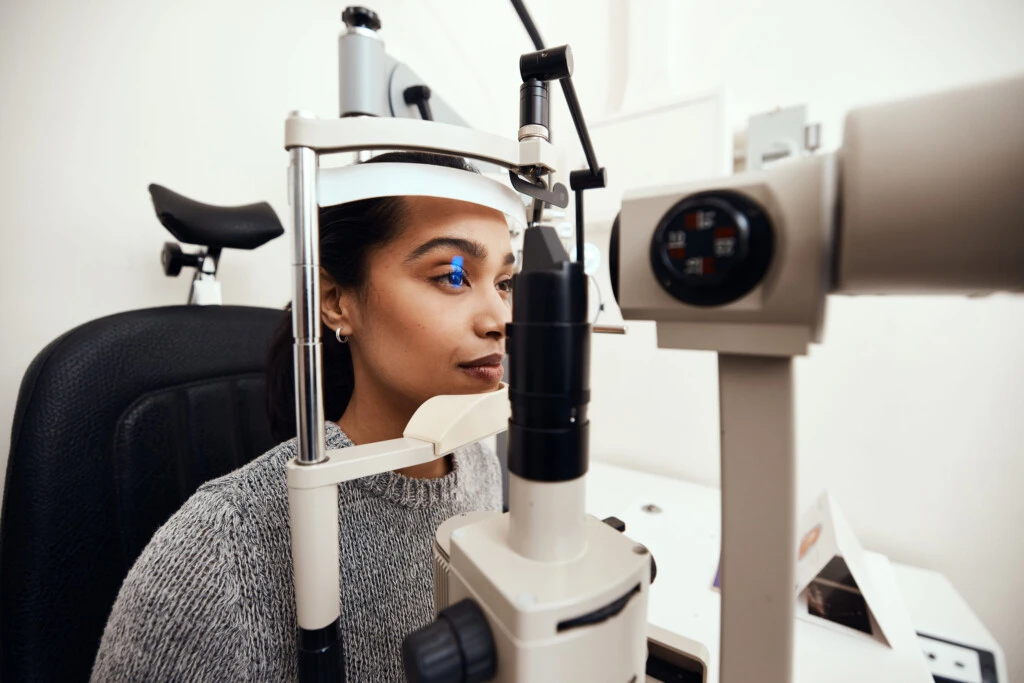
“All of these are symptoms that require an eye exam,” Peyret asserts.
The key is not to assume that a visual discomfort is simply the result of fatigue or of spending long hours in front of a screen without an evaluation.
From 40: presbyopia and preventive checks
As the years go by, natural changes in vision appear. One of the most common is , which typically begins around 40 and causes difficulty focusing on close objects, even for those who previously had good vision.
“It’s a very uncomfortable limitation at a time of life that is demanding professionally,” explains Peyret.
A sight check at this stage helps find the most suitable way to correct presbyopia, but it also has another goal: to ensure the eyes are healthy.
In this regard, the fundus exam can provide relevant information about general health. “Diabetes or high blood pressure can be detected, often early, promoting early treatment and minimizing the complications that these diseases can cause,” explains the specialist.
Glaucoma: why early detection matters
Adulthood is also a key stage to begin checks aimed at detecting glaucoma, a disease that can progress for a long time without obvious symptoms.
“It is the disease called ‘the silent thief of vision,’ as it rarely presents symptoms and when someone sees poorly due to glaucoma, it is usually too late,” warns Peyret.
Glaucoma damages the fibers of the optic nerve, which transmits to the brain the information produced by the eye. Once damage occurs, the visual loss is irreversible.
Therefore, early detection is essential. “Treating it early is crucial to avoid irreversible blindness, and the earlier we diagnose and treat it, the fewer difficulties we will face,” the ophthalmologist emphasizes.
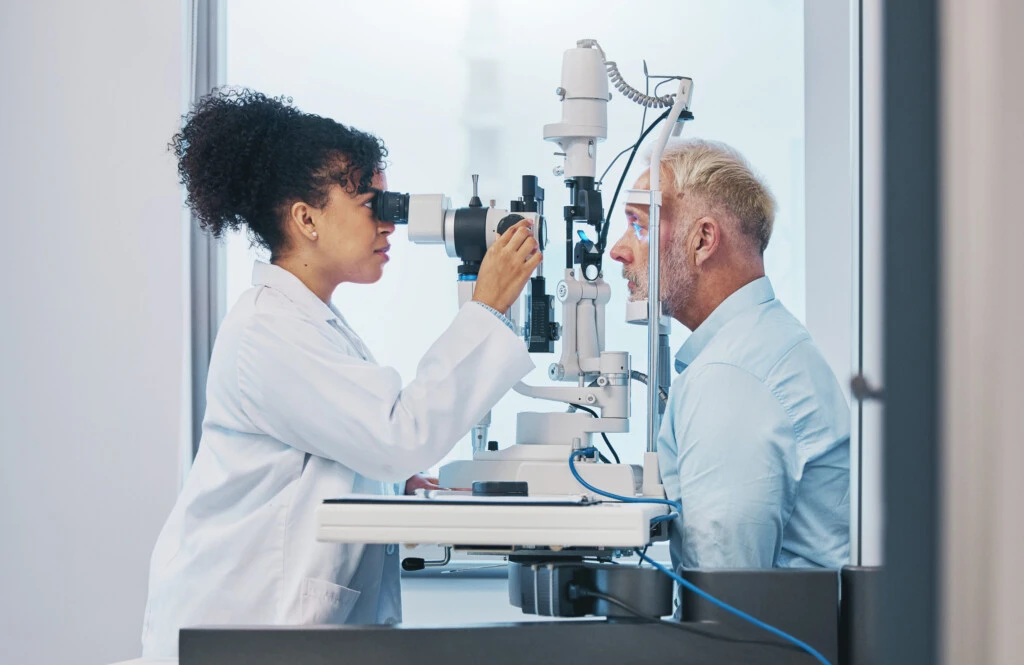
After 60: cataracts and maculopathy
From around the ages of 60 and 70, other age-related eye diseases become more common, including cataracts.
They occur when the natural lens of the eye loses transparency. As a result, vision can become blurry, hazy, or as if looking through a dirty surface.
“This difficulty does not improve with a glasses prescription and surgery is the solution,” explains Peyret.
In this stage, age-related macular degeneration also becomes important, which can affect central vision, essential for distinguishing details and performing tasks that require fine vision.
Follow-up with the ophthalmologist allows detecting these changes and determining the appropriate treatment for each person.
The importance of not waiting to see poorly
From the initial checks of a baby to preventive consultations in adulthood and older age, the goal is the same: to detect in time those problems that can affect vision and preserve quality of life.
“This brief overview shows only a few diseases or situations where a timely examination will allow us to see properly and enjoy all that this sense offers,” summarizes Dr. Peyret.
On World Vision Day, the recommendation is simple: do not wait for a vision difficulty to consult an ophthalmologist. The frequency and type of checks will depend on age, medical history, and individual needs, but incorporating visual health care into routine checks can help detect problems before they significantly affect vision.