
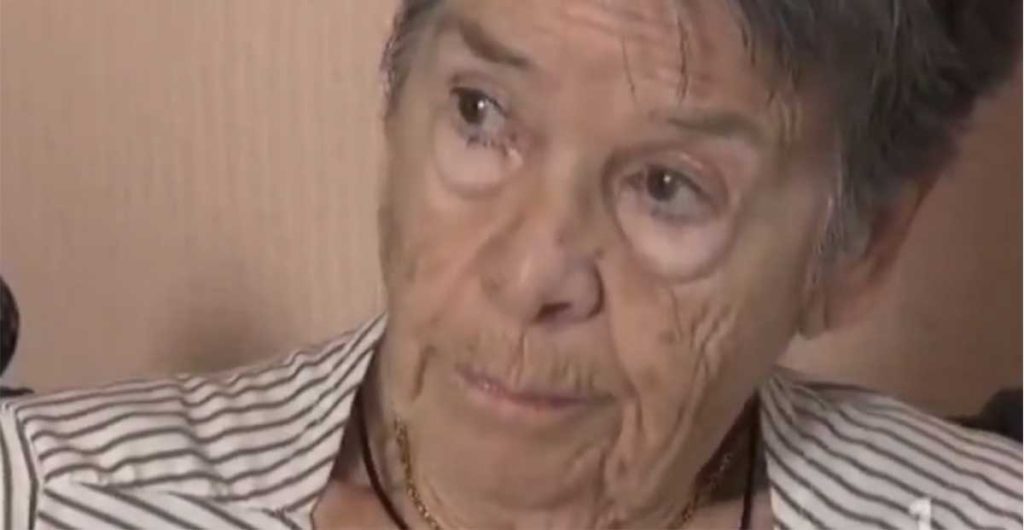
Maricarmen Abascal died this Wednesday at the age of 87 at the Gregorio Marañón Hospital in Madrid. Her name had risen to prominence after she was evicted from the home where she had lived for seven decades, in the Retiro district, and her case became one of the symbols of the housing crisis facing Spain.
On September 23, the woman was forced to leave her apartment and, due to her disability and reduced mobility, she was removed from the premises on a stretcher. After the eviction she was admitted to a hospital. Five days later, her lawyers reached an agreement with the owner company, and she was authorized to return to the dwelling.
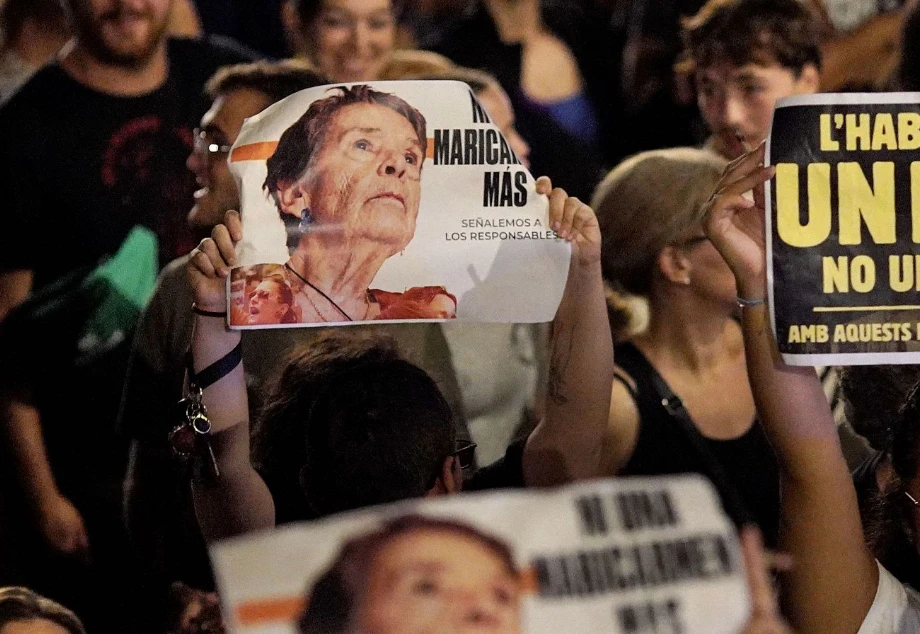
The case sparked a strong social reaction and hundreds of tenants began protesting in Madrid. As days passed, Maricarmen’s story ceased to be merely about a woman who had lost her home and came to symbolize the demand for access to decent housing.
The story of the house where she lived for 70 years
Maricarmen’s family rented a 60-square-meter apartment, three blocks from Retiro Park, since 1956. Over the decades, the area became one of Madrid’s most exclusive districts.
In 2018, the investment fund Urbagestión purchased the property and began the eviction dispute.
Maricarmen paid 500 euros per month under the terms of a contract signed by her parents during the Franco era. The investment fund demanded a rent of 1,650 euros, but she argued she could not afford that amount because she received a pension of 1,450 euros.
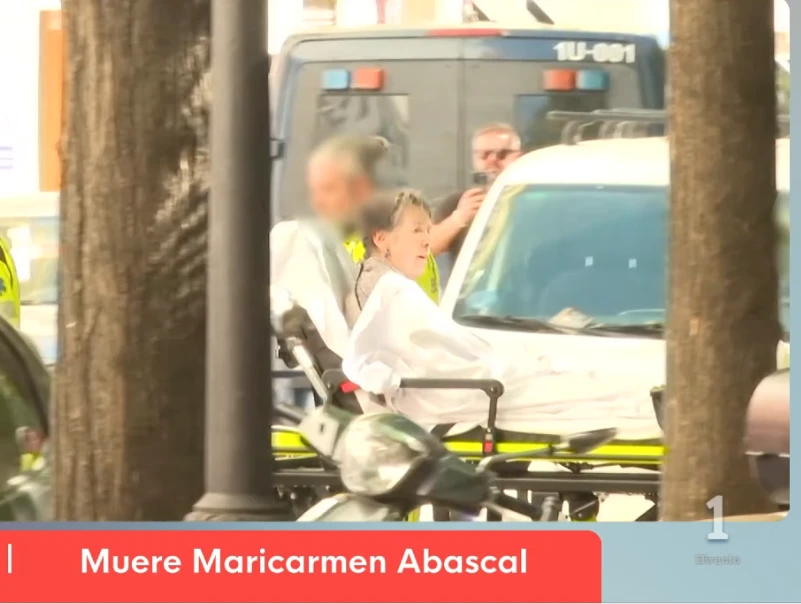
After a long legal battle, the eviction was finally carried out on September 23.
“I haven’t managed to defend my home, but I have fought”
After the eviction, Maricarmen became one of the visible faces of the housing demand. From the hospital, in a video released by her representatives, she left a sentence that summarized the meaning she gave to her own story:
“I haven’t managed to defend my home, but I have fought so that others learn to fight for theirs.”
While she remained hospitalized, her case began to generate protests and camps in Madrid. One of the main protest sites was Puerta del Sol, where hundreds of people demanded measures to address the rising cost of housing.
From the Tenants’ Union, which confirmed her death, they paid tribute to her as an “example of struggle” and noted that the impact of her case marked a “before and after”.
The political impact of her case
Maricarmen’s situation also reached the government of Pedro Sánchez, amid growing discontent over the housing crisis.
Protests multiplied across various Spanish cities and the government announced new measures to try to curb the problem. Among them, a public financing line of 10,000 million euros aimed at facilitating access to the first home, tax breaks for certain rentals, and changes in contract terms.
The Executive also proposed limiting certain rent increases and extending contracts for up to two years for those who were up to date with their payments.
The housing conflict even became linked to the national political scenario. Amid the tension generated by the protests, Sánchez announced the early general elections for November 29.
Maricarmen, a symbol of the housing crisis
Maricarmen’s story condensed in a few weeks a problem affecting thousands of people: an 87-year-old woman with reduced mobility, who after seven decades in the same home was evicted for not being able to afford the new rent.
Although she had been authorized to return to her home, her case had already taken on another dimension. Protests, demands and political debate continued, and her name became associated with the tenants’ struggle.
Since then, her story has become part of the debate over access to decent housing in Spain.