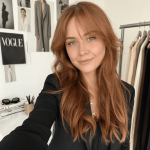
Three easy, on-trend hairstyles you can create at home: a voluminous blow-dry, natural waves, and a 90s-inspired bun.
Something is changing in this season’s hair: after several seasons of extremely polished looks, movement returns. The roots gain volume, the ends bend, the waves look more natural, and updos stop feeling so rigid.
The trend also has a clear reference to the 1990s, but updated: less rigidity and more texture. Experts identify among the major hair trends for 2026 voluminous blowouts, natural textures, and relaxed updos.
The good news is that you don’t have to be an expert to try them. With the right tool, some styling products, and a little practice, these three hairstyles can be adapted for everyday life.
1. Blow-dry: Volume and Ends Turned In
The first look on the list is the classic blow-dry, but refreshed. Anything that delivers a lot of volume, movement at the ends, and ends curling inward is very much in vogue.
The traditional technique demanded a fair amount of coordination between the dryer, a round brush, and often curlers to lift the root and create that fluffy curl at the tips. Today there are tools that greatly simplify the process: dryer brushes let you work from root to tip with a single device.
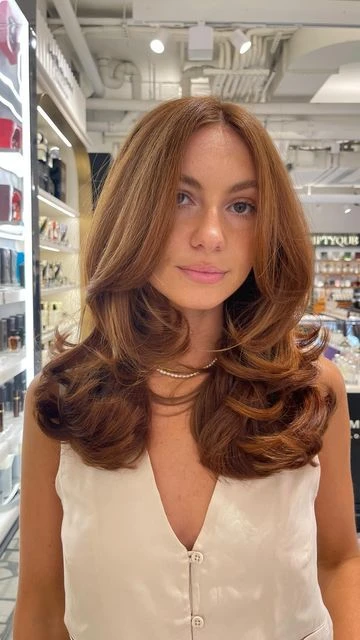
A practical option is to choose a brush with a round or teardrop shape, which lets you approach the root to lift it and then guide the length toward the ends, shaping the inward bend.
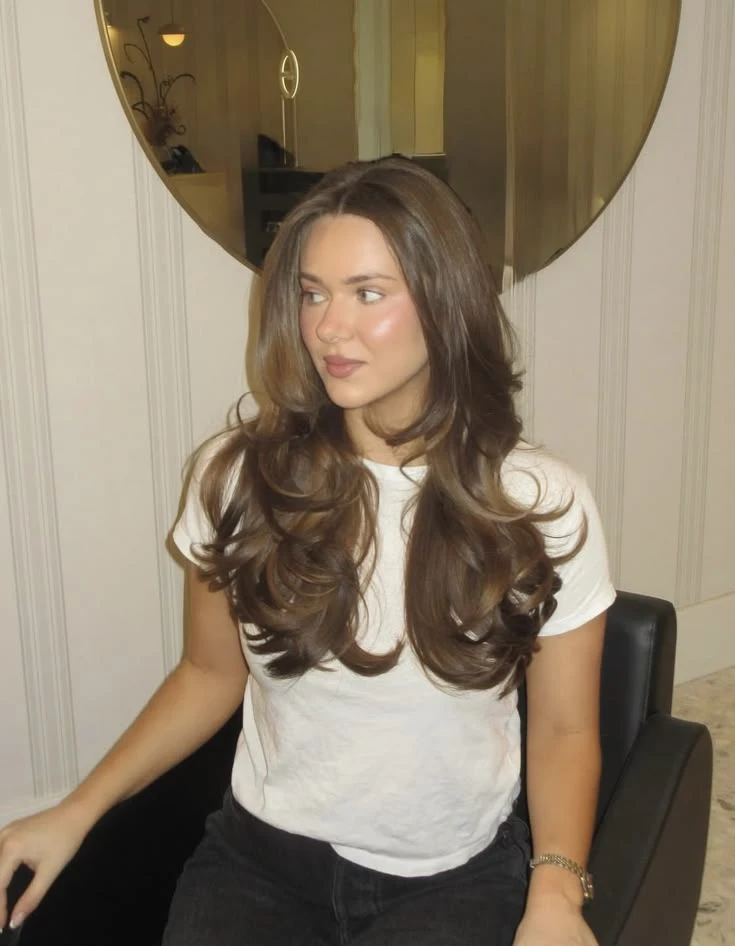
The intended result isn’t stiff, overly structured hair, but soft volume, rounded ends, and movement. In fact, the current blowout trend targets a lighter volume and less rigidity.
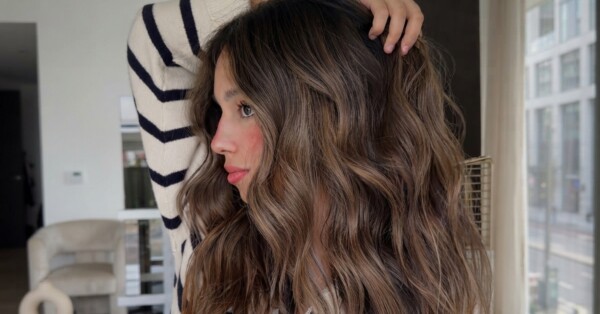
2. Natural Waves: The Less-Than-Perfect, the Better
Waves are back as well, but not the perfectly defined ones that look like they were made with a mold. The aim now is to achieve an open, relaxed texture with a slightly undone vibe.
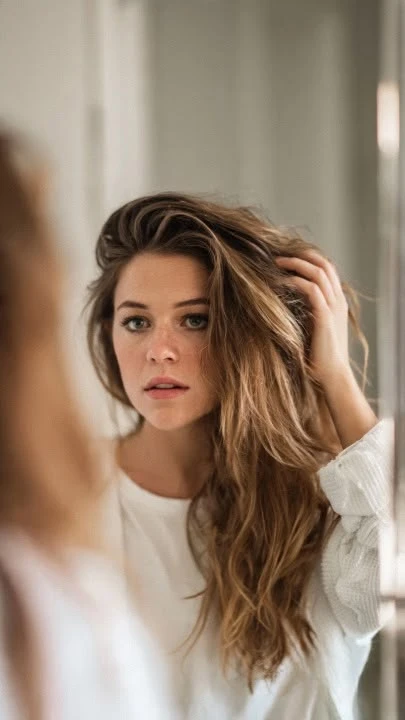
If you define them with a tool, the trick is to break them up with your fingers afterward. The secret is that not all sections have to have the same shape or start at the same height.
You can achieve them with a heat tool, working broad sections and then loosening with your fingers. Another option, especially if your hair already has natural movement, is to enhance that texture with a light product and let the hair keep part of its natural form.
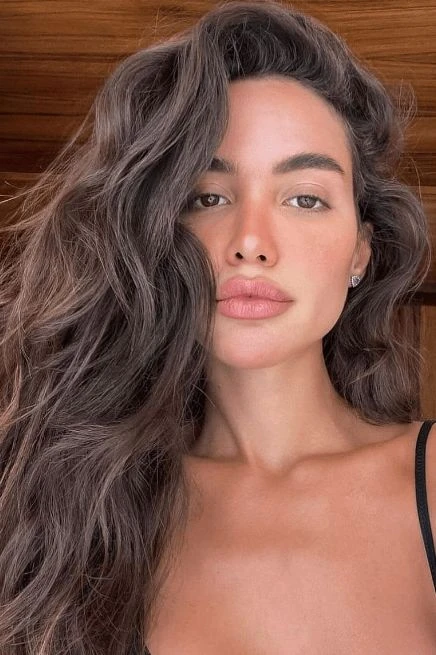
In 2026, the trend is exactly to work with natural texture rather than trying to uniform it. For waves or curls, lightweight defining products and a diffuser can help preserve the pattern without weighing it down.
Texturizers are also great allies: they add body and help prevent the wave from looking too neat.
3. 90s Bun: Volume and a Casual, Shaggy Look
The third key hairstyle is the voluminous bun, clearly inspired by the nineties. The reference might be Pamela Anderson, but adapted to a lower, everyday-friendly version.
“The third hairstyle I’m seeing most is voluminous updos, very 90s in vibe, with volume and light bangs,” says the hairstylist.
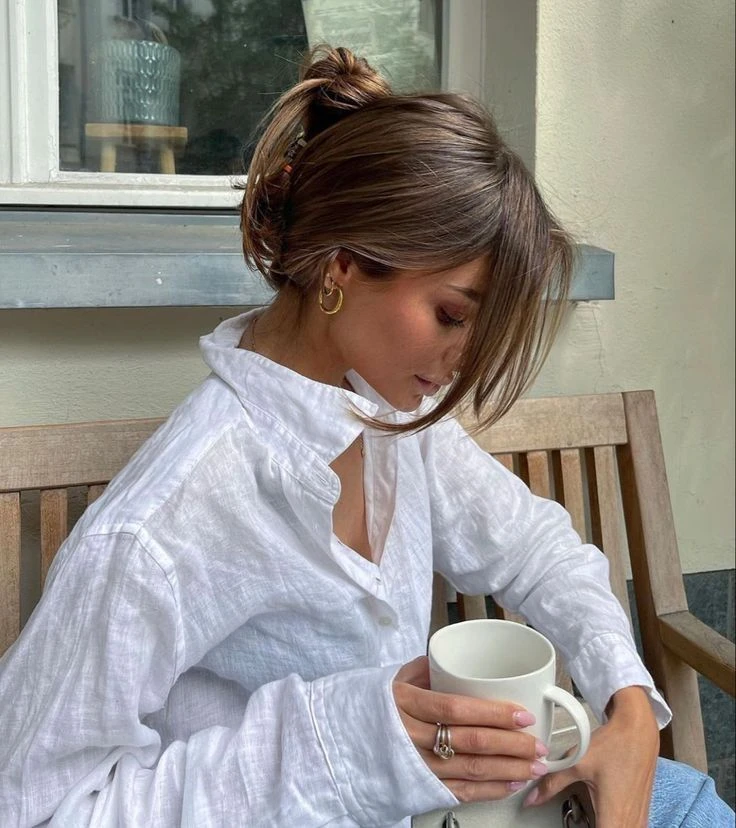
The idea is to gather the hair without aiming for a flawless finish: some strands can be left loose around the face, and the bun can retain a somewhat irregular shape. You can also add a fake fringe to completely alter the result without cutting.
If you have fine hair or want a bigger bun, a hair extension or a specific wig can add density and volume.
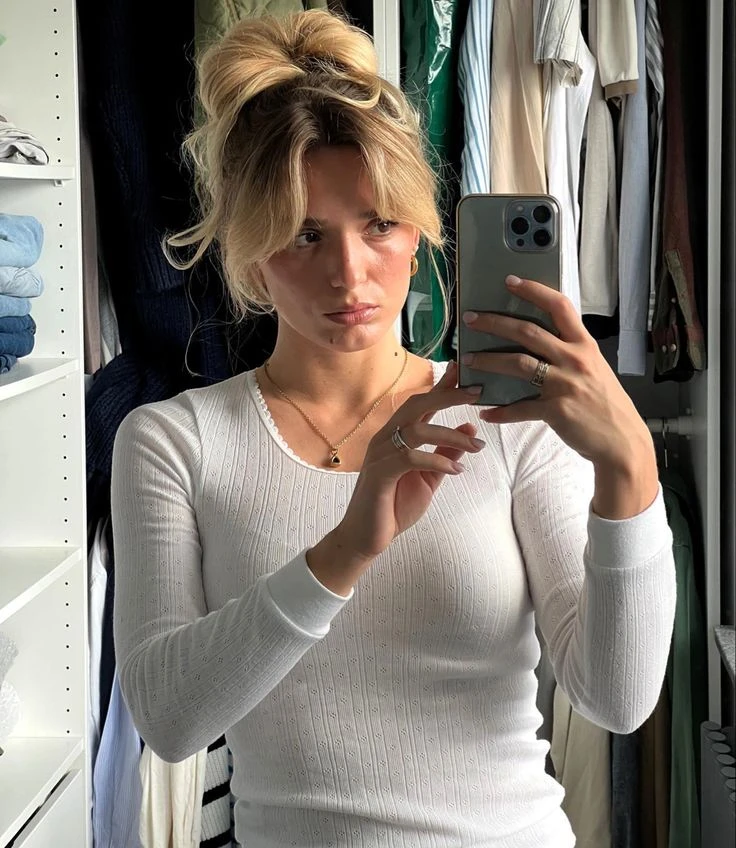
The nineties-inspired look isn’t accidental: that decade reappears strongly in the 2026 trends, from high-glamour model-esque blowouts to effortlessly undone updos.
The detail that makes the difference: how to care for hair when using heat
All three hairstyles share one thing in common: they require a hairdryer or some styling tool. That’s why a thermal protectant shouldn’t be optional. The American Academy of Dermatology recommends limiting excessive heat exposure and using low-to-medium temperatures along with products that offer thermal protection.
It’s also wise not to work on hair that’s completely soaking wet. Letting it dry partially before you start styling reduces the time hair is exposed to heat.
The key this season, then, doesn’t seem to be about achieving a flawless look. It’s about reclaiming volume, movement, and texture, but in a more relaxed, everyday-ready way.