
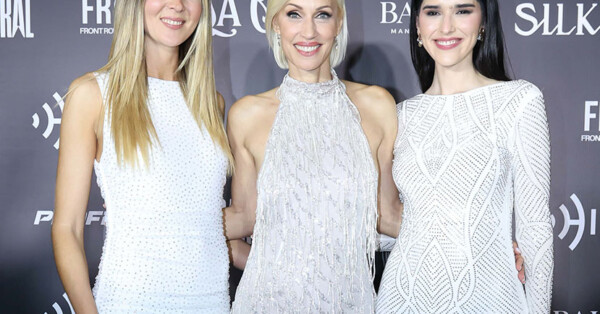
Argentine fashion once again marked a date with federal identity. On September 19 and 20, the Hilton Hotel in Puerto Madero hosted the third edition of Pasarela Federal, the platform created to bring Buenos Aires closer to the work of designers, brands, and emerging talents from different regions of the country.
The initiative was born from the hand of Ingrid Grudke, Mica Mattaloni and Ailen Siboldi, three models with more than two decades of experience in the industry who decided to promote a space capable of generating new opportunities and visibility for creators from all over Argentina.
Rather than focusing on a single aesthetic, Pasarela Federal proposes precisely the opposite: to show the different identities, stories and viewpoints that coexist within Argentine design.
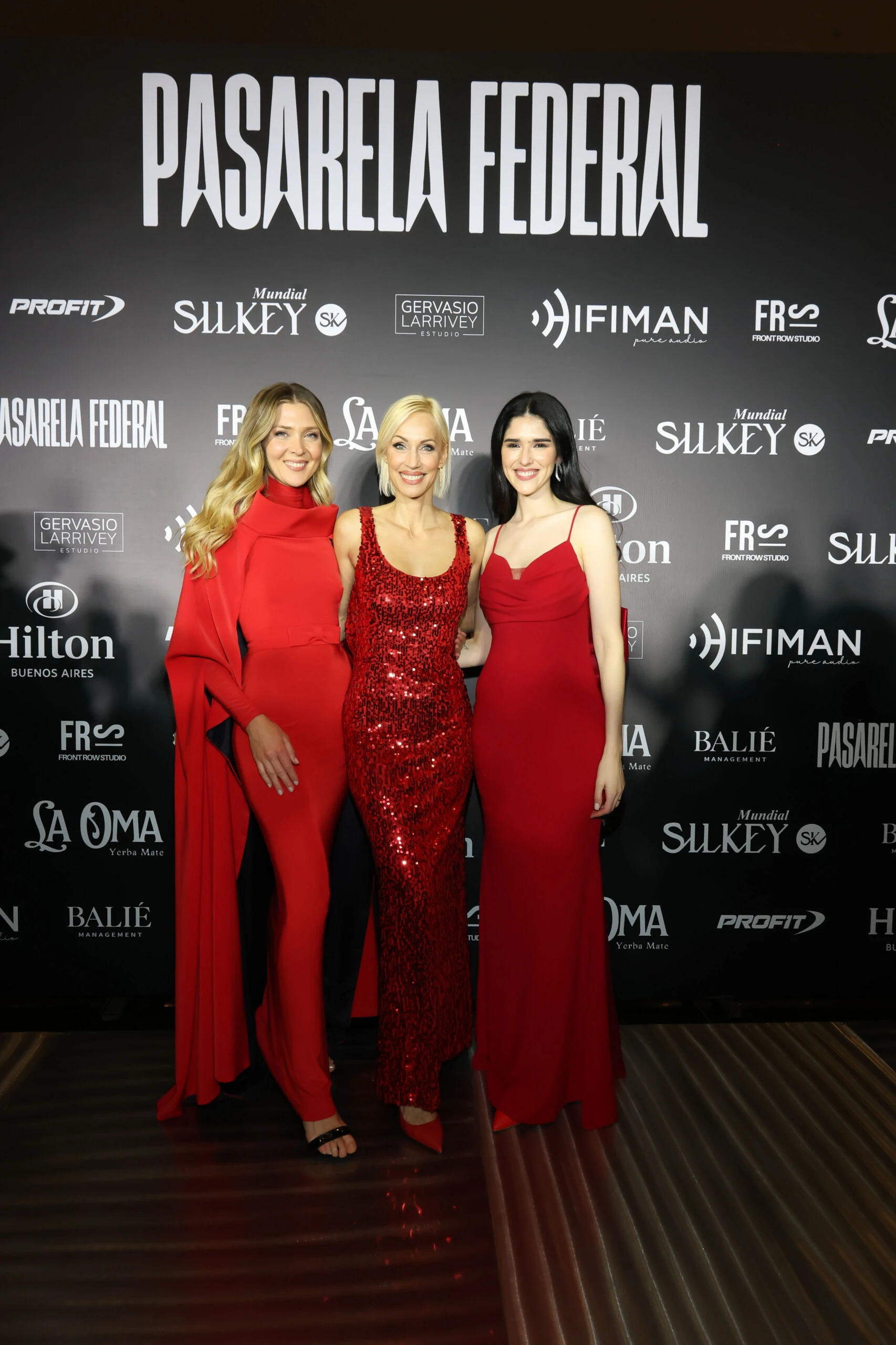
Doce diseñadores llevaron sus colecciones a Pasarela Federal
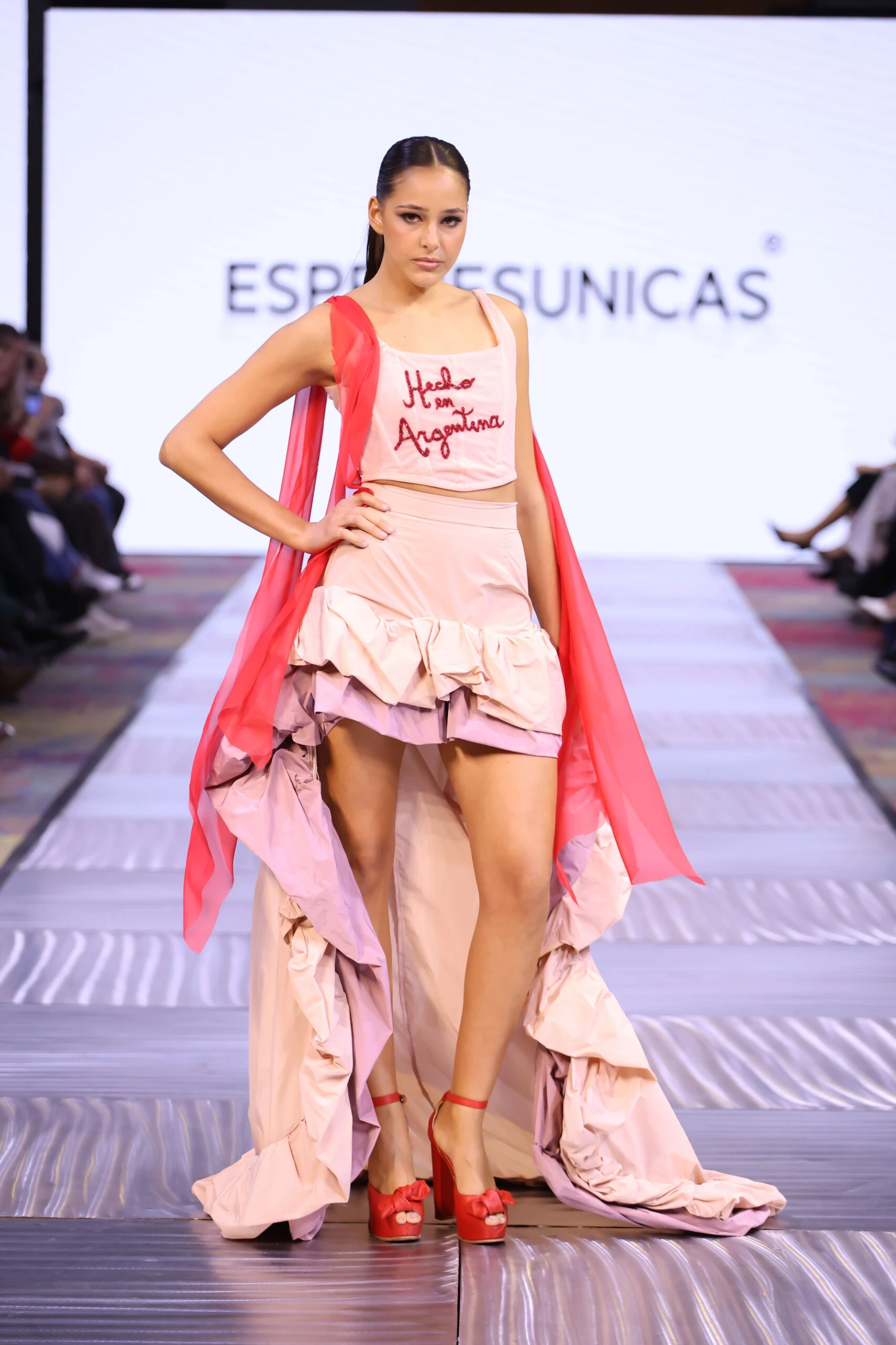
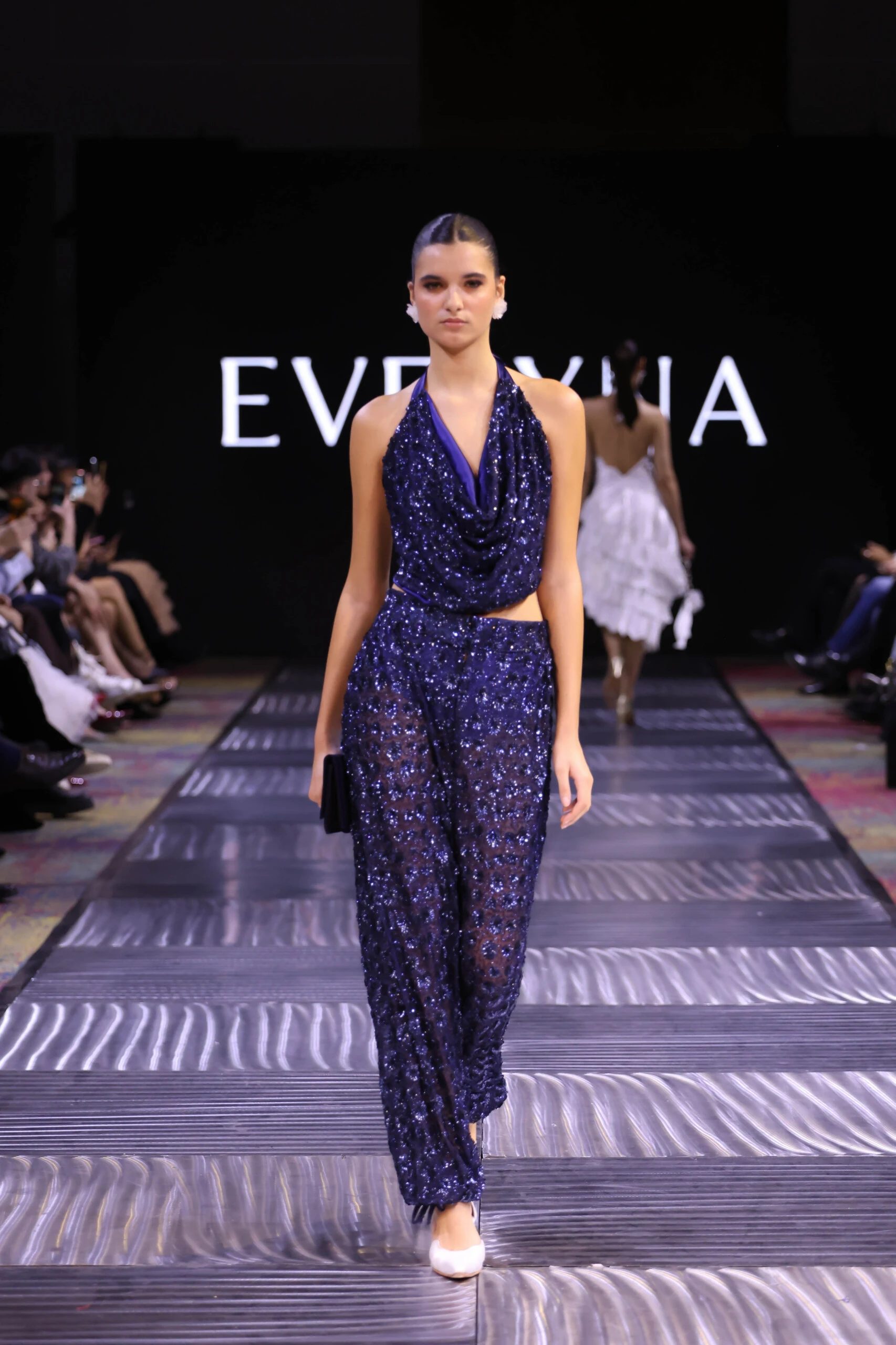
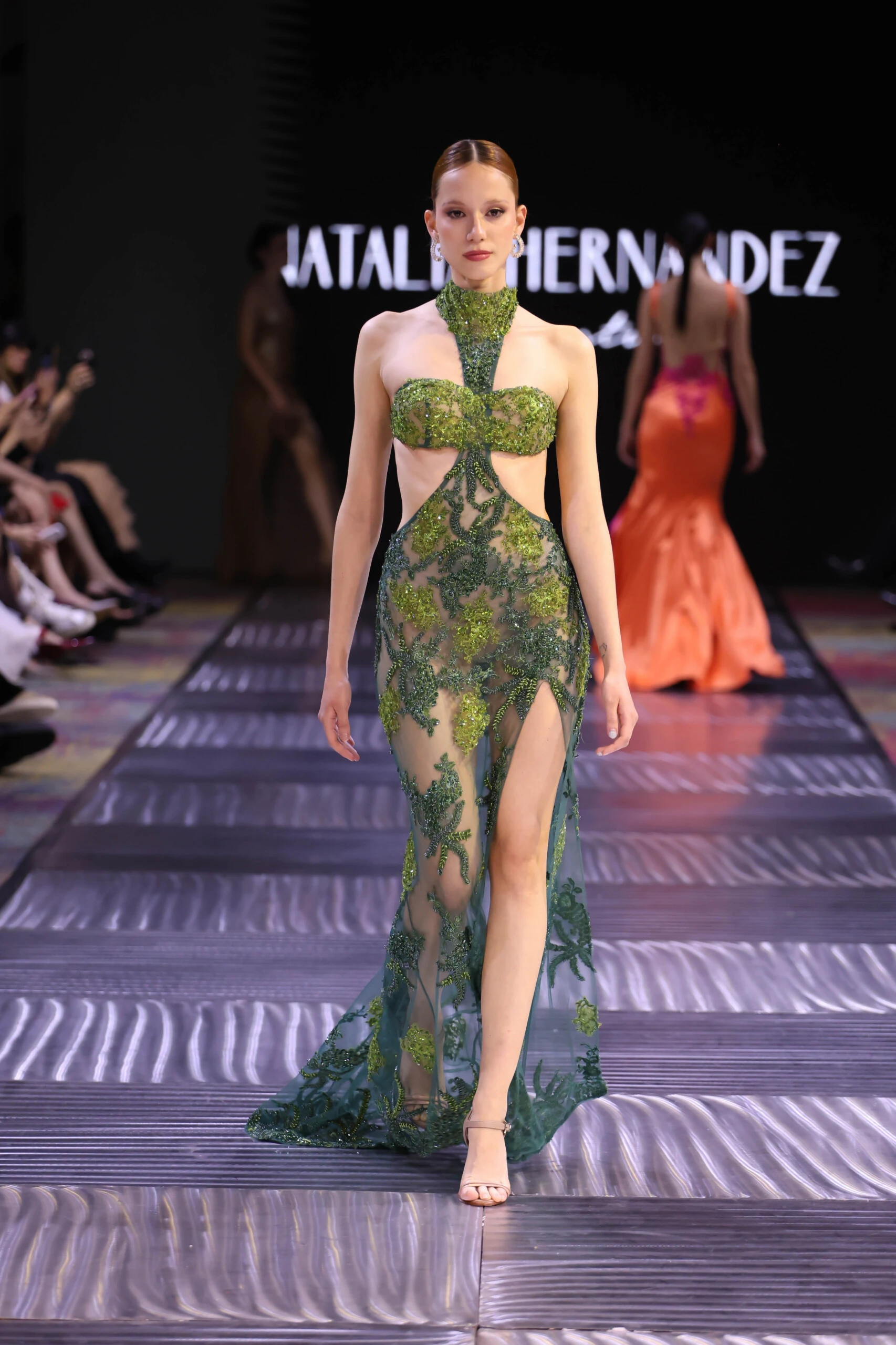
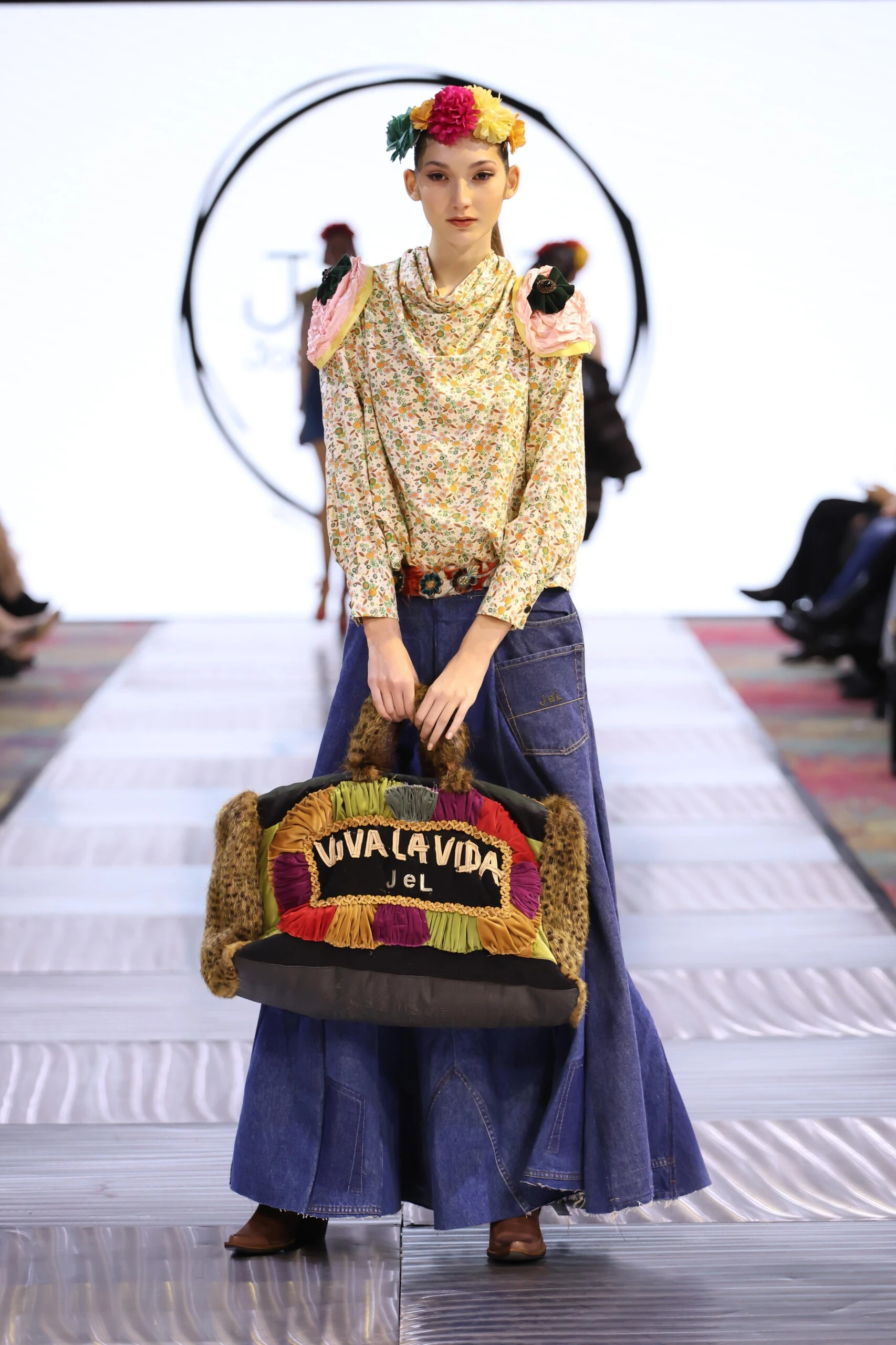
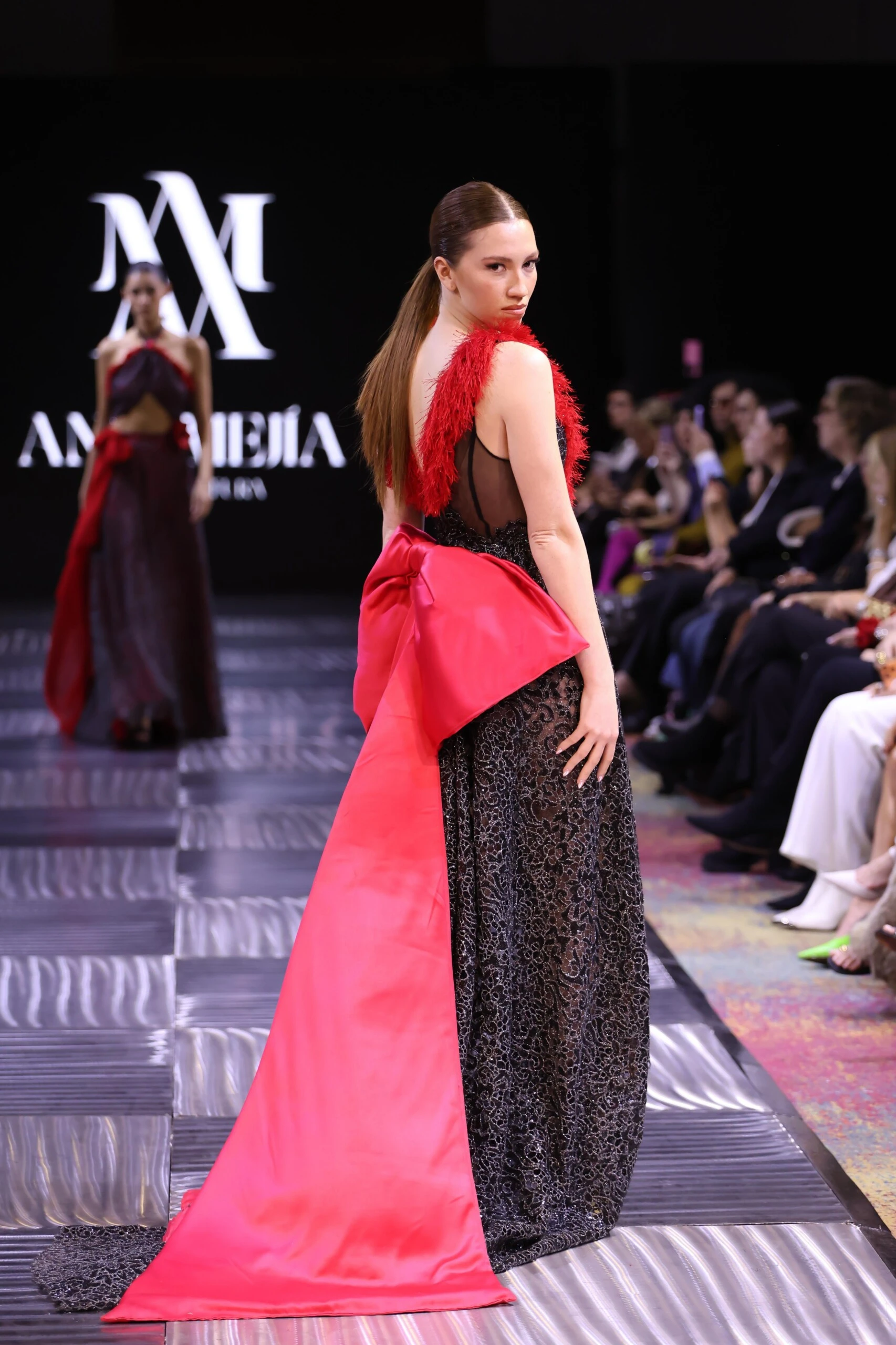
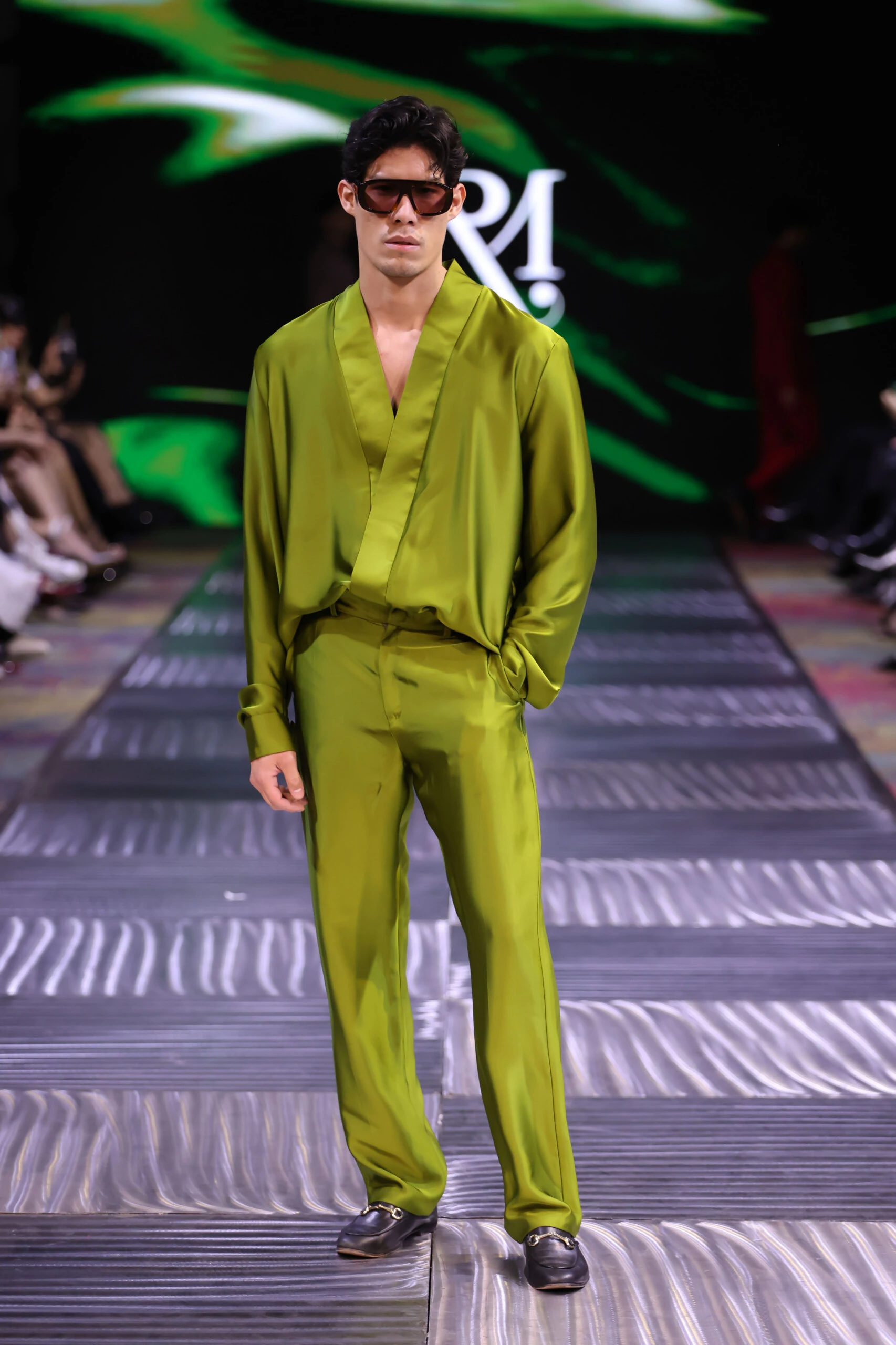
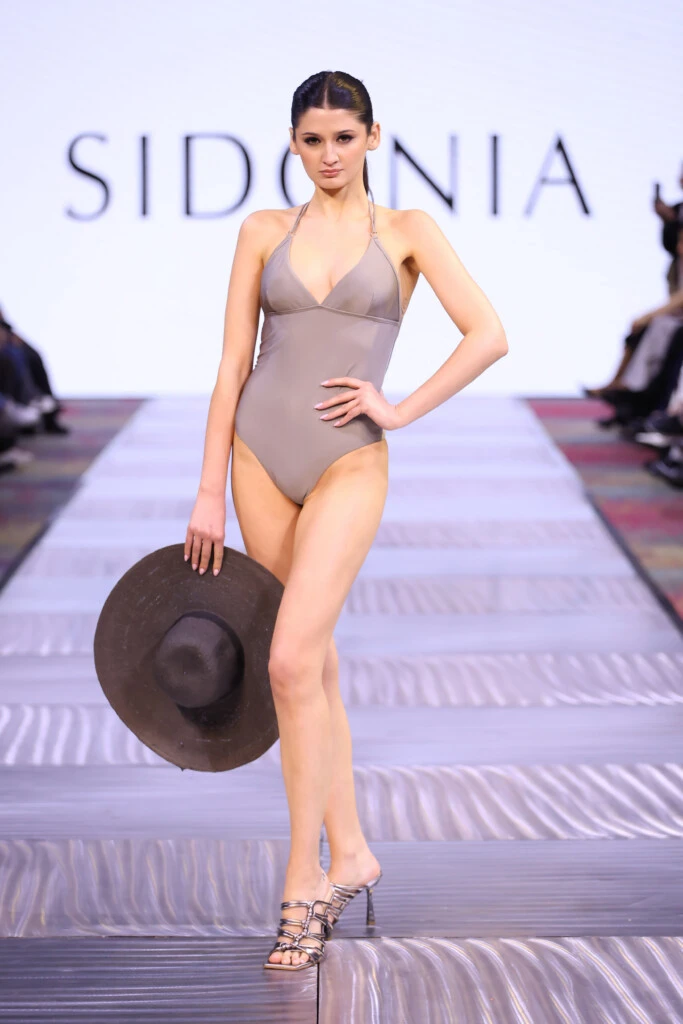
Over the course of the two days, twelve designers and brands presented their proposals before industry references, specialized press, and guests.
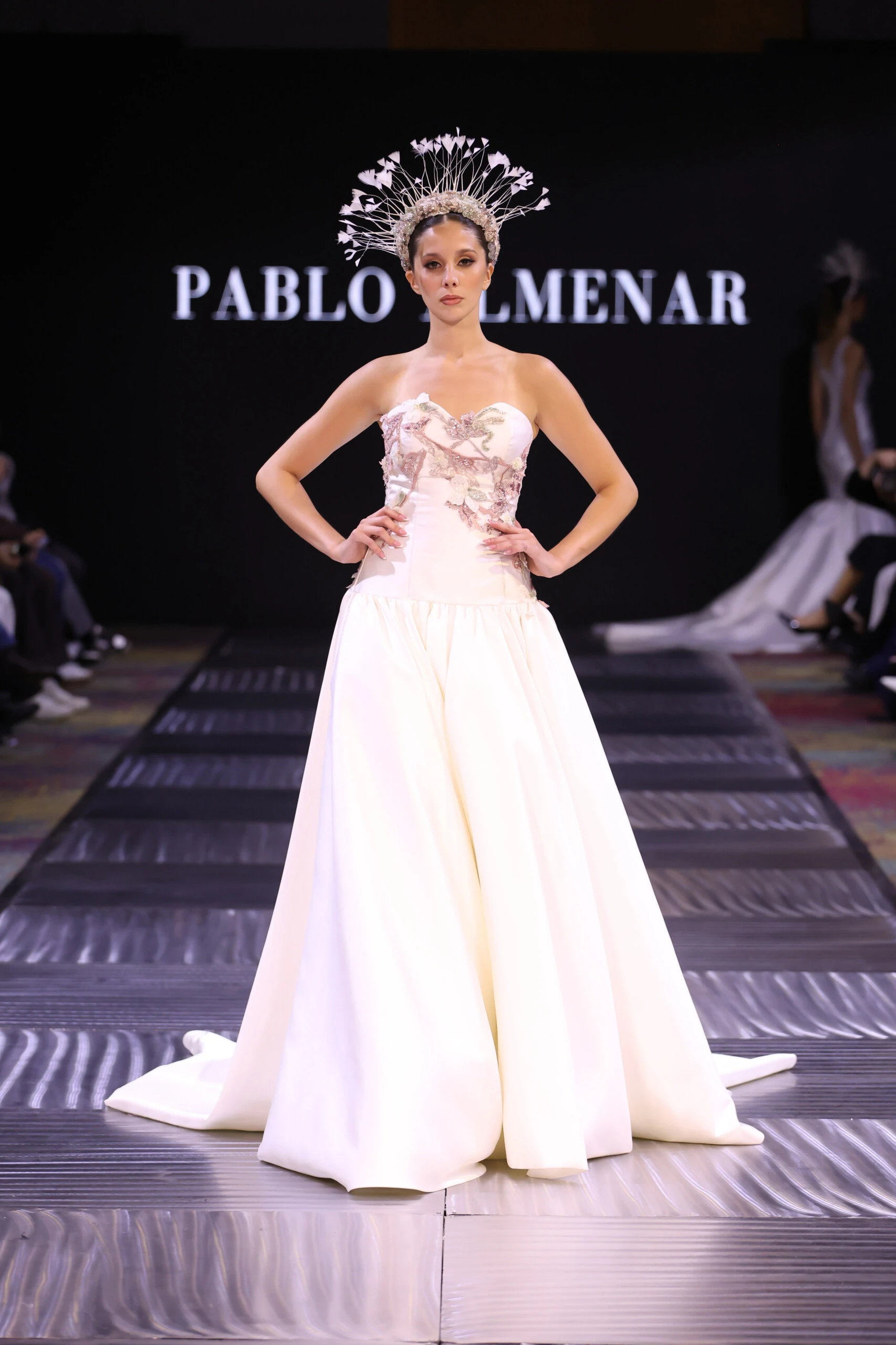
Participants included Josefa en Larena, Evelyna Campos, Natalia Hernández, Raiden, Ana Mejía, Espacio Catei, Flor Azán, Andrea Ojeda, Sidonia, Colman, Especies and Pablo Almenar.
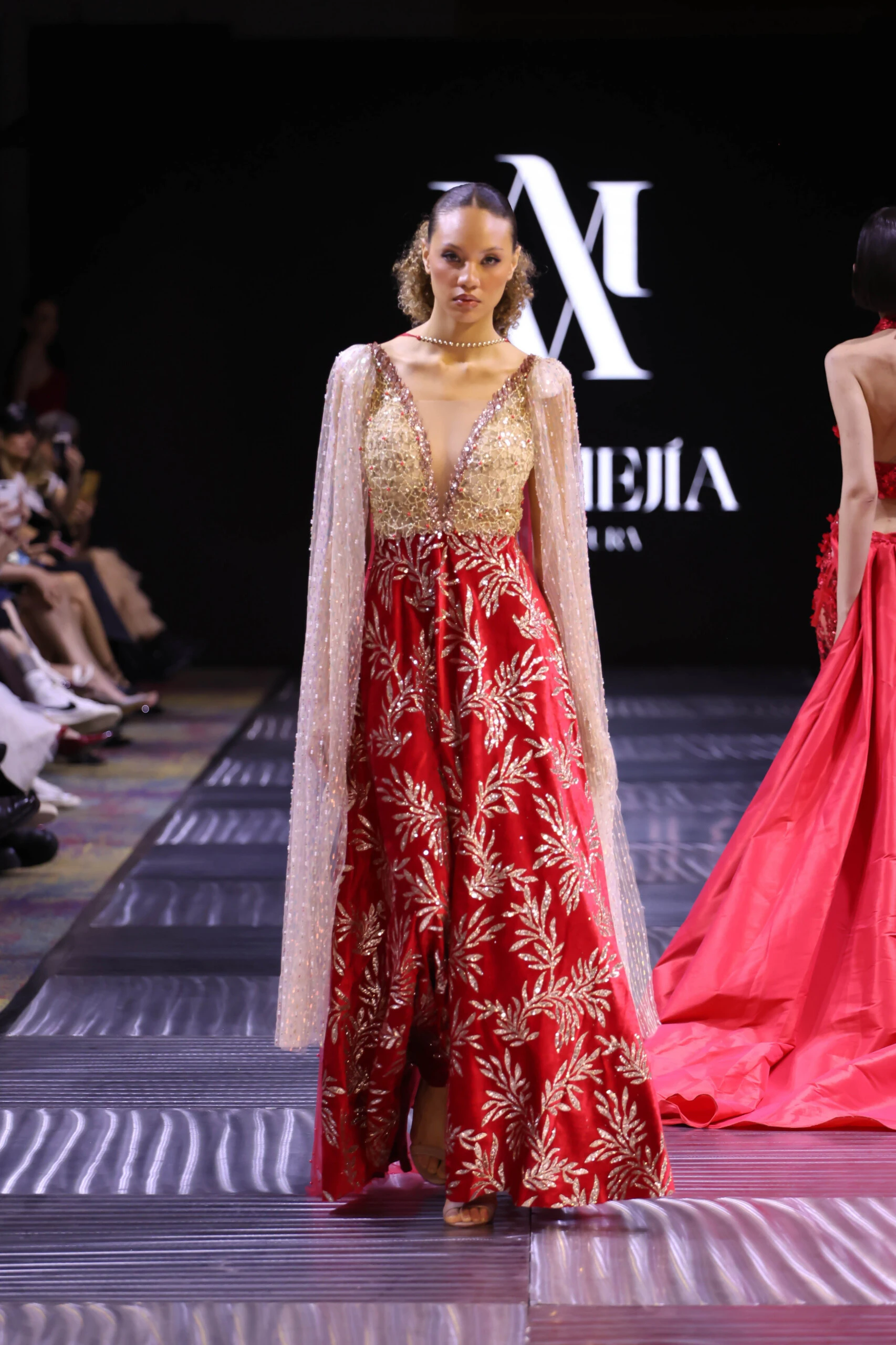
Each designer carried onto the runway a different universe, reinforcing one of the event’s central ideas: talking about Argentine fashion also means looking beyond Buenos Aires and recognizing the creative richness that exists in different parts of the country.
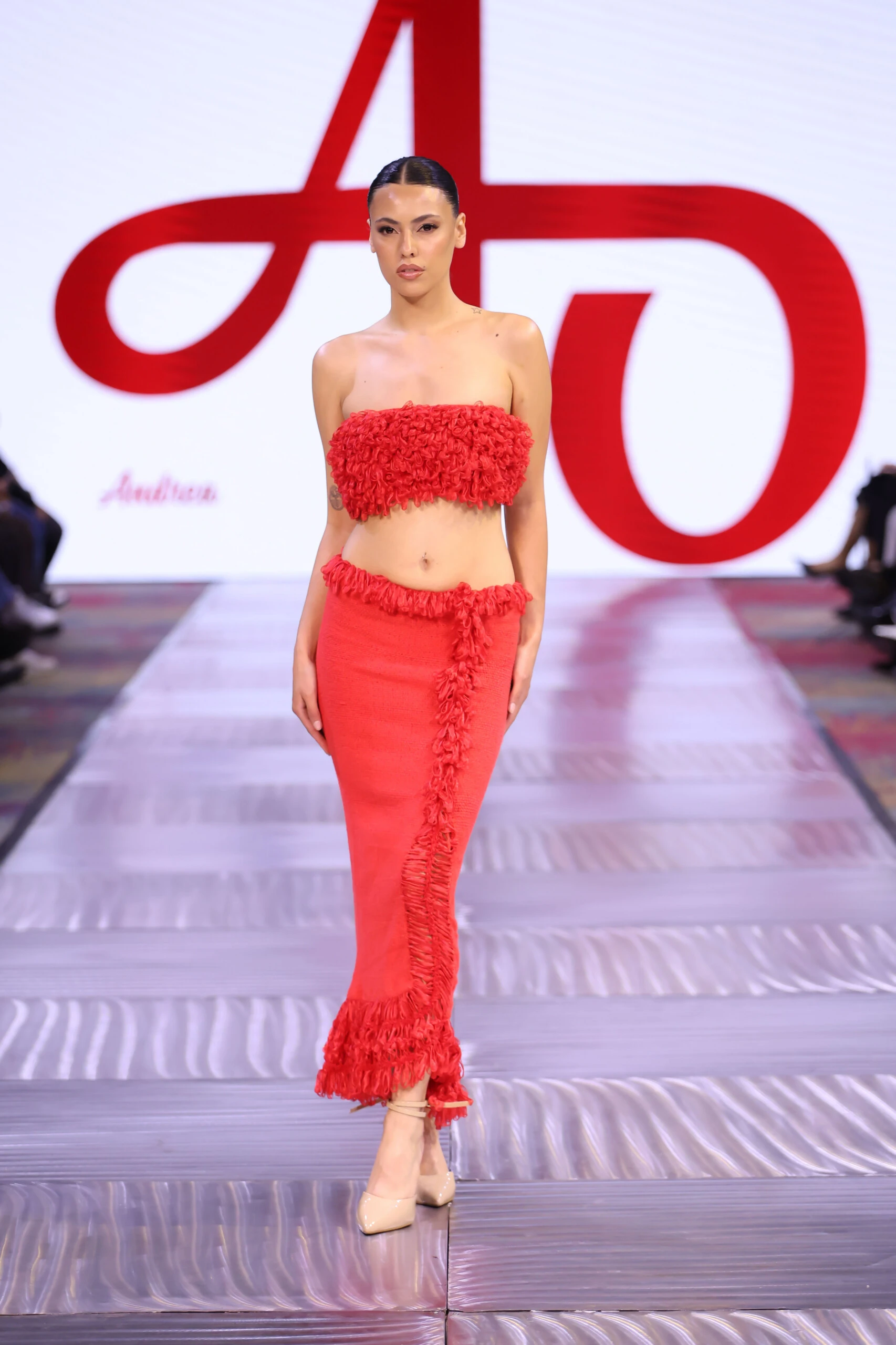
Origin, culture, crafts, and the personal stories of each creator function as part of that diverse map that Pasarela Federal aims to foreground.
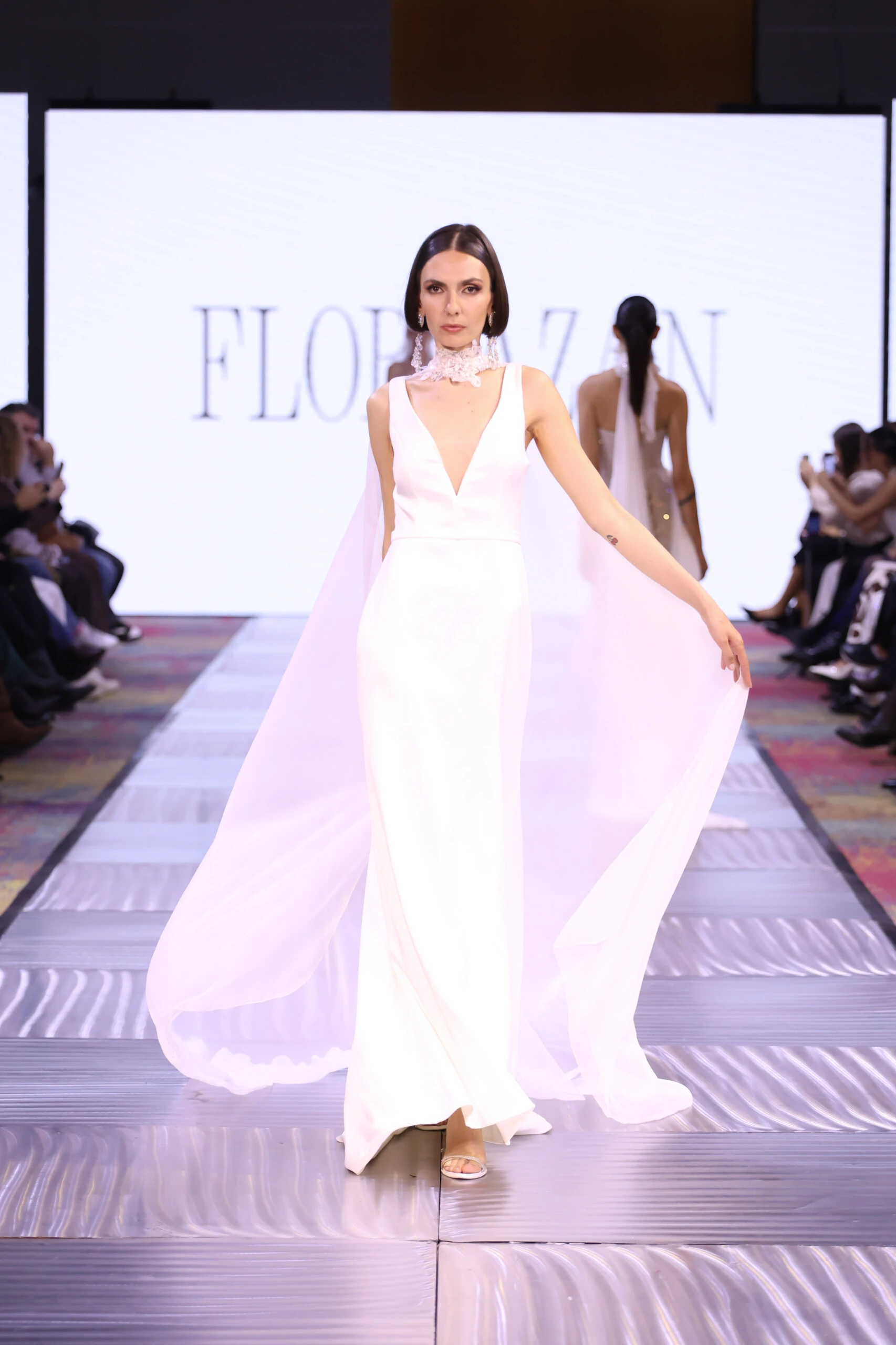
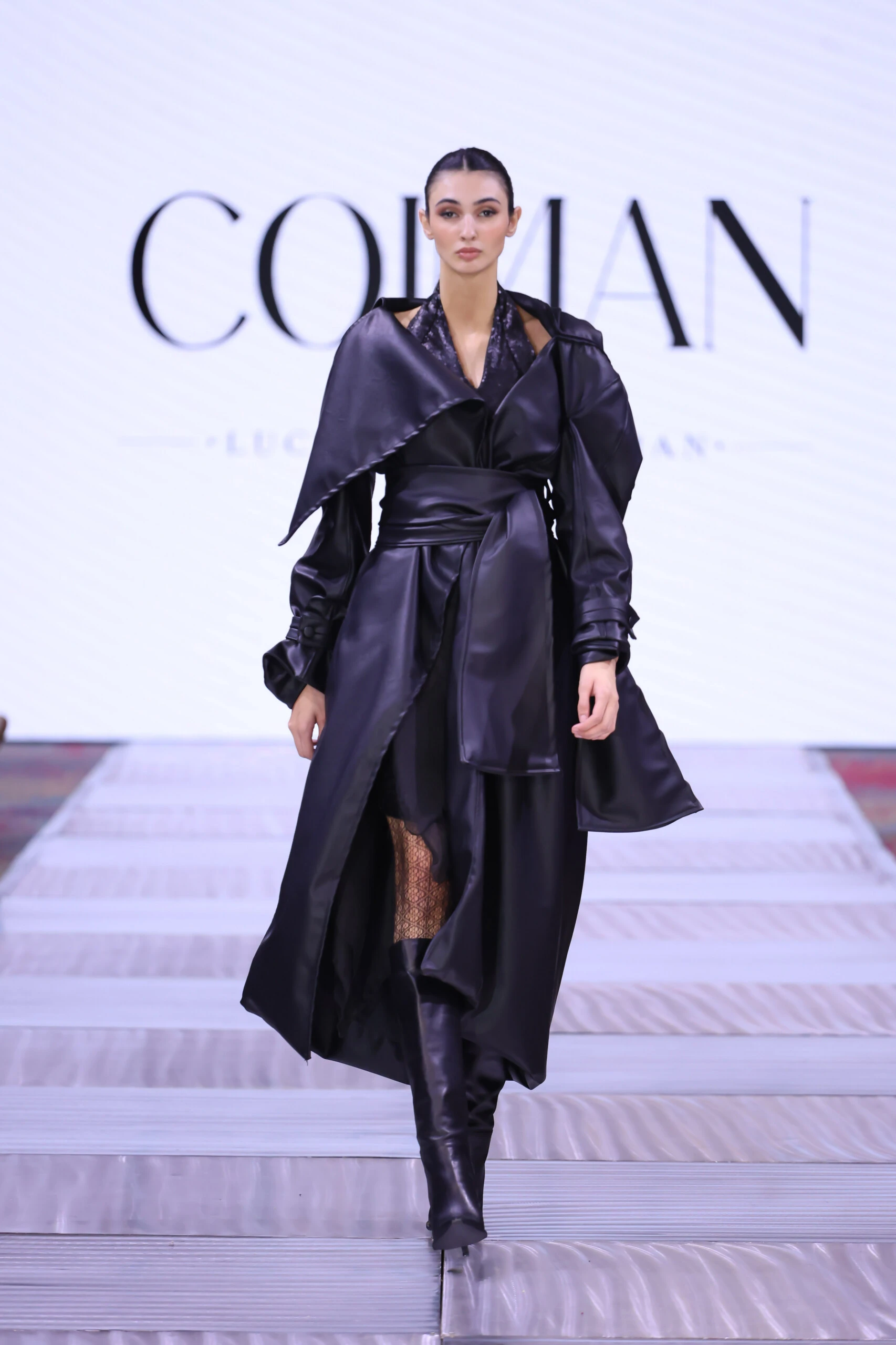
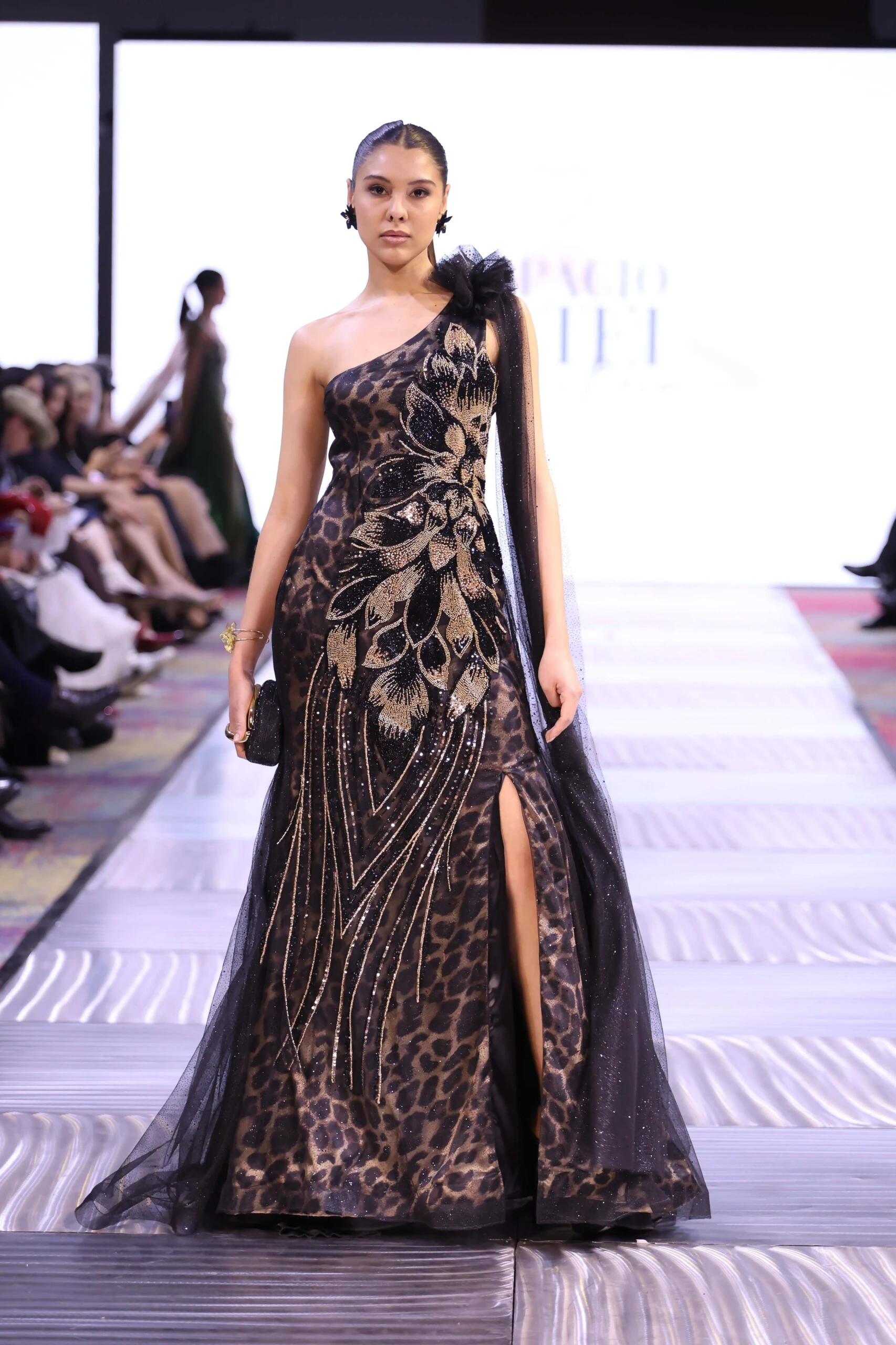
Una apertura en rojo con modelos consagradas
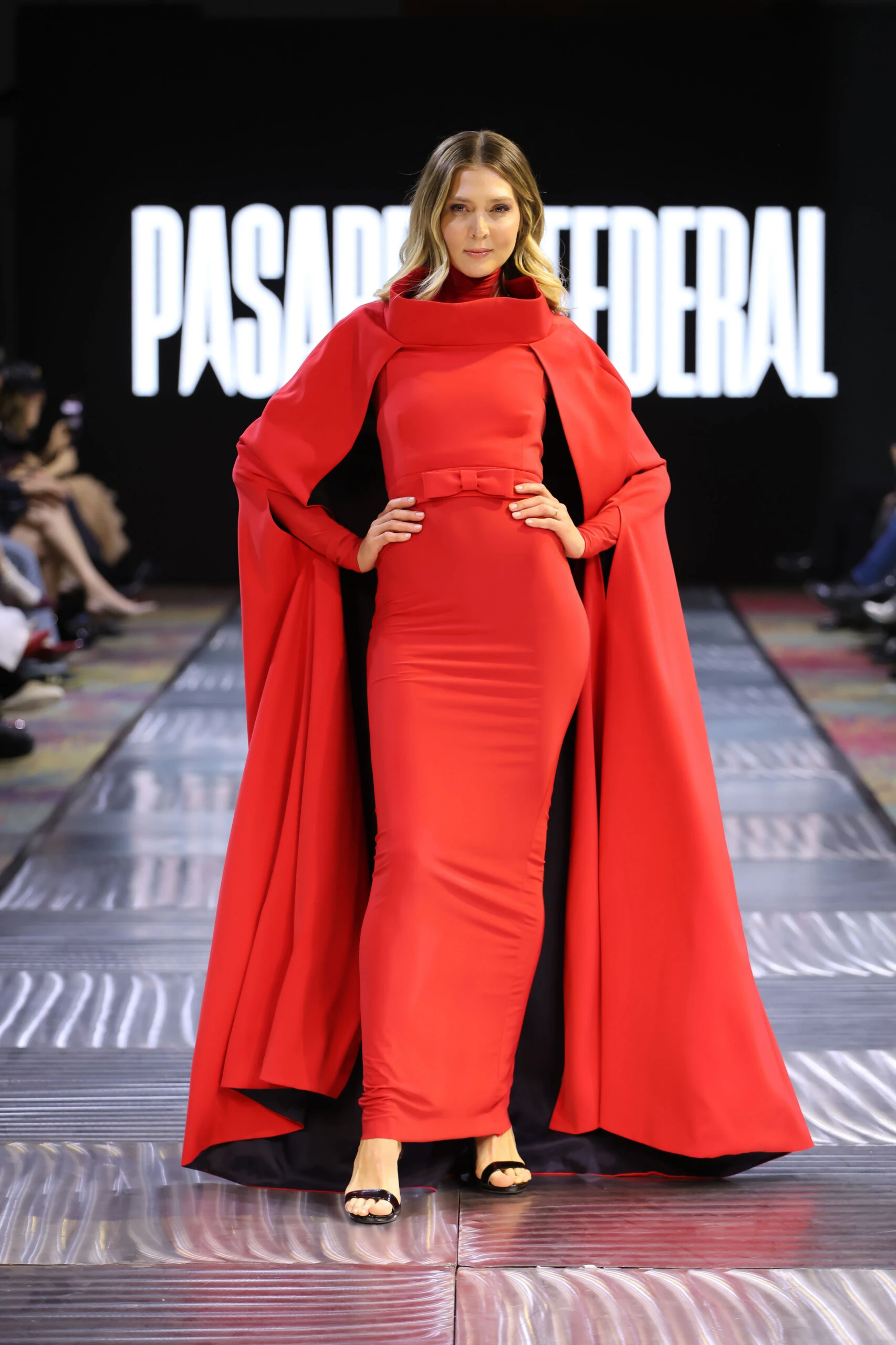
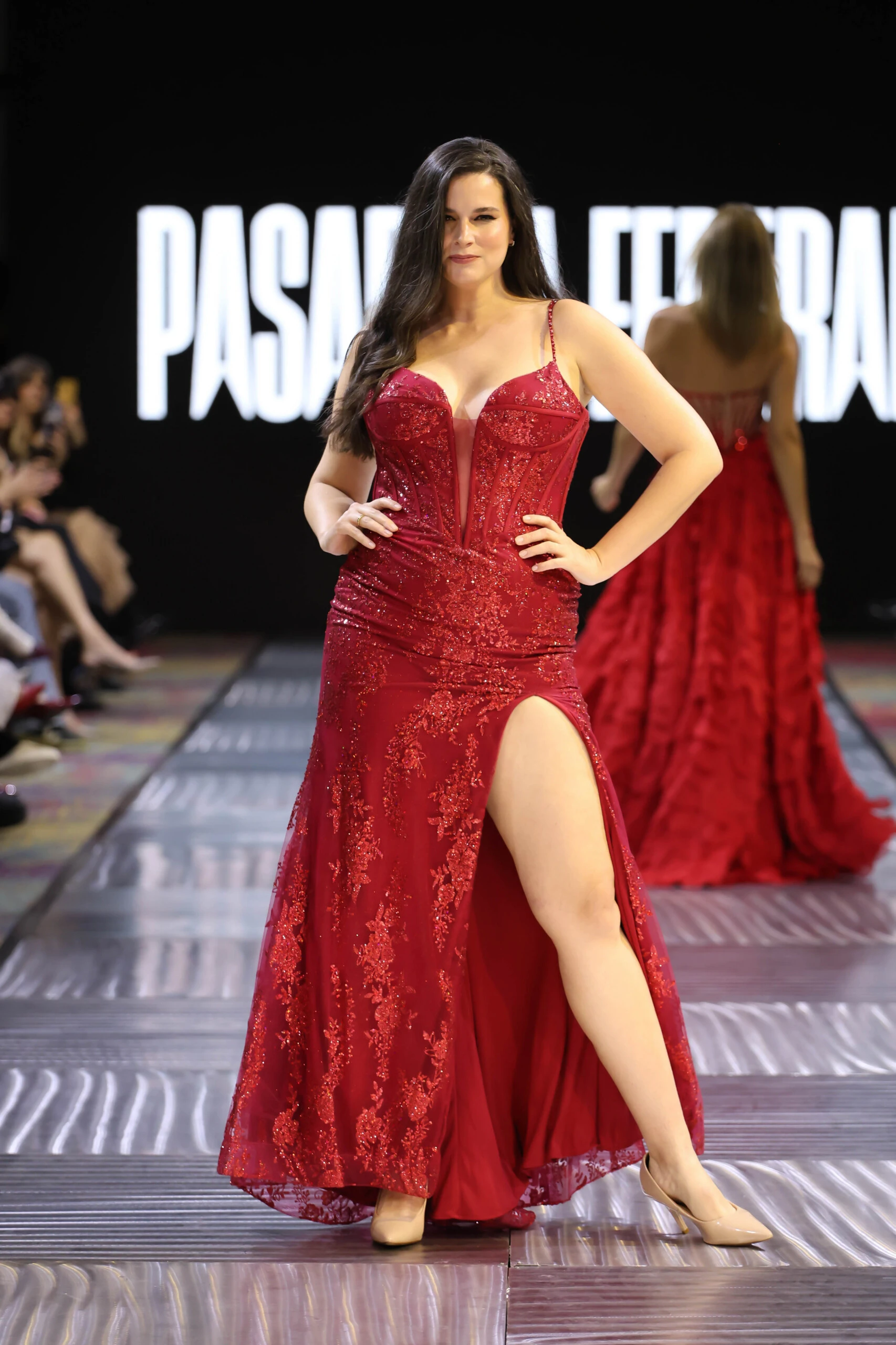
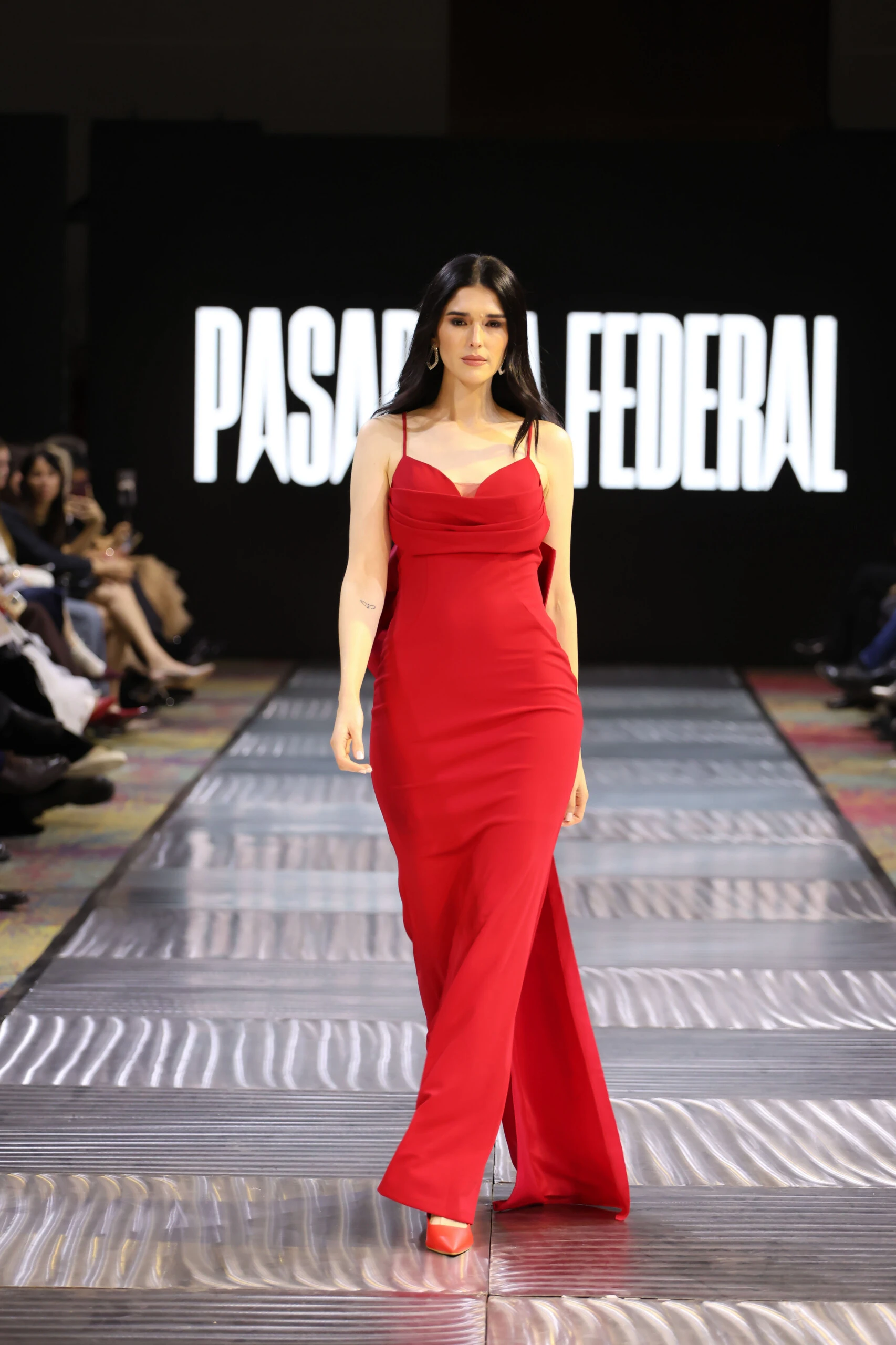
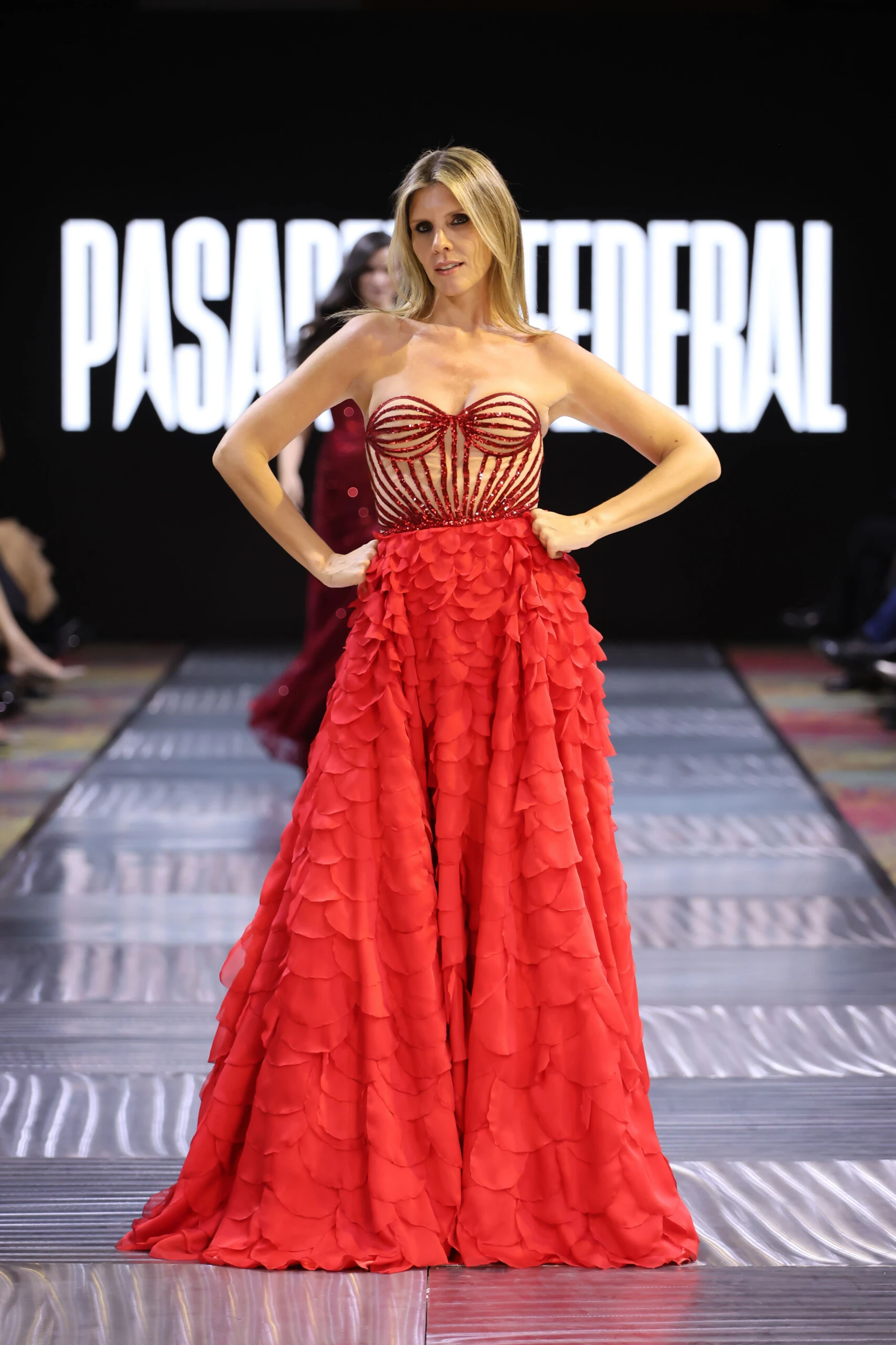
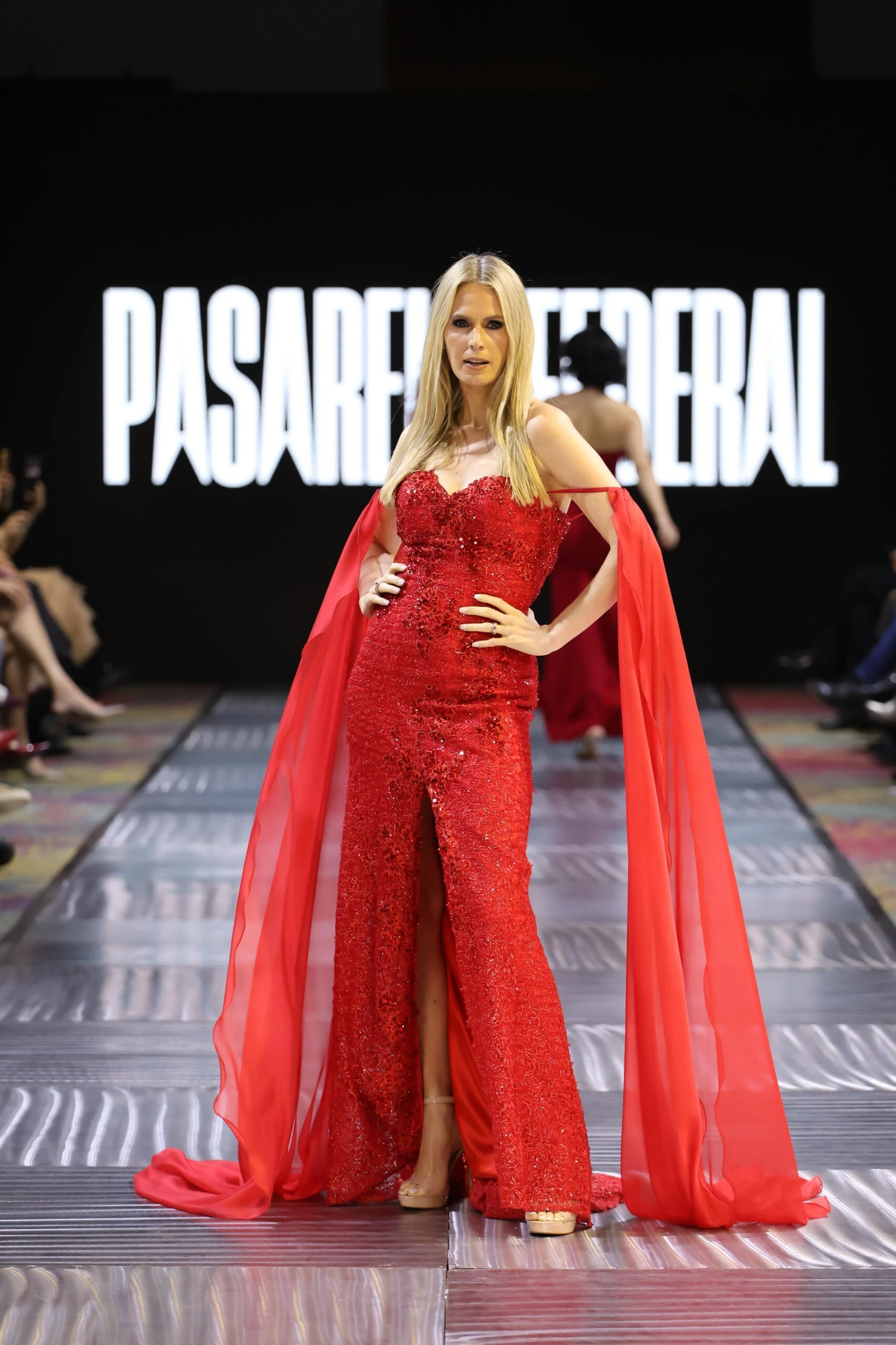
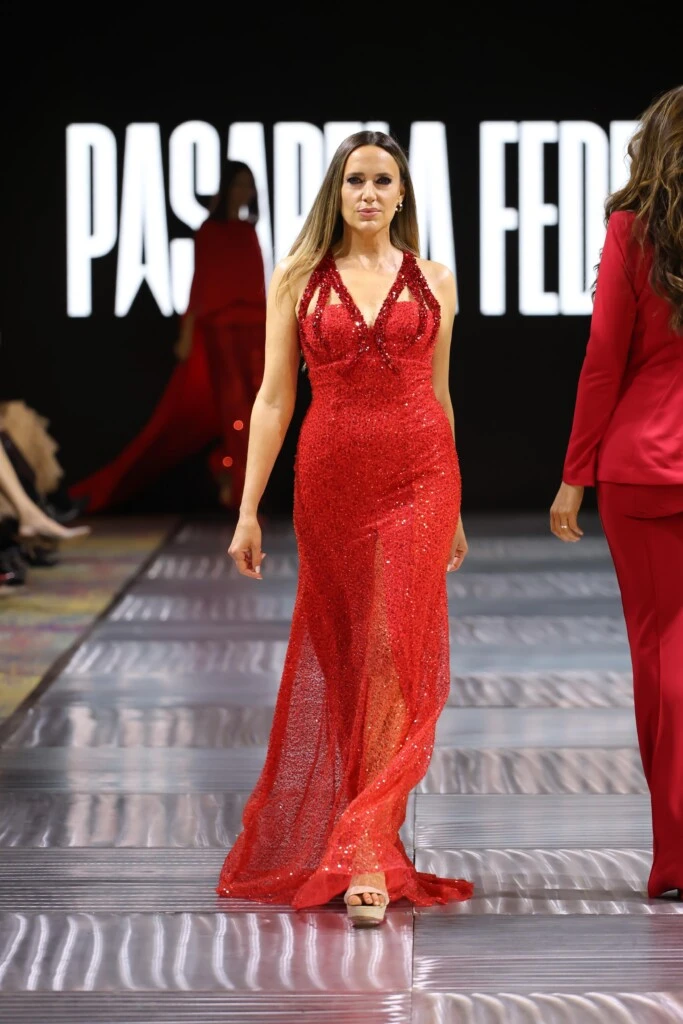
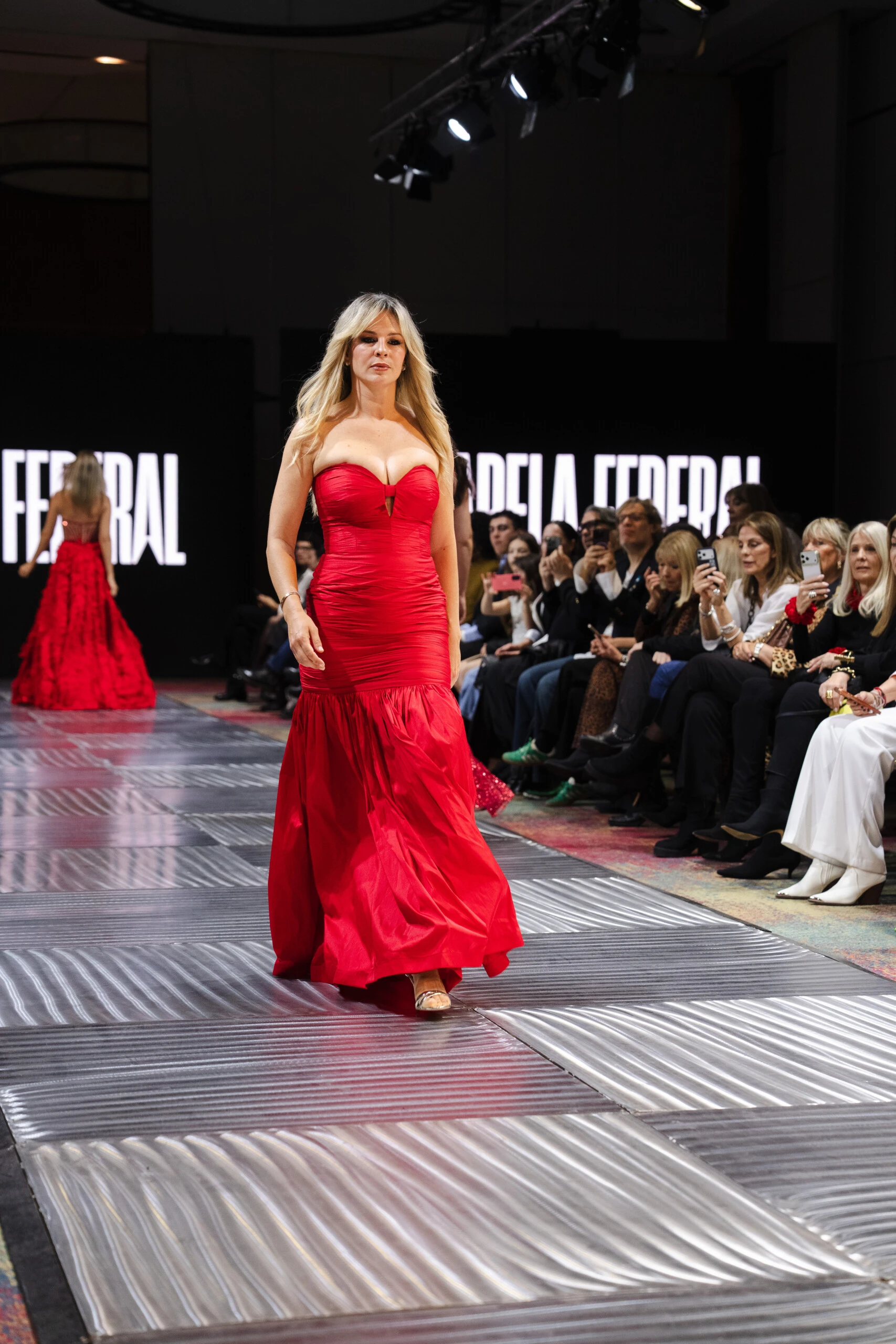
The first day began with a tribute to the Argentine fashion industry and a striking image: a group of renowned models walking the runway dressed in red.
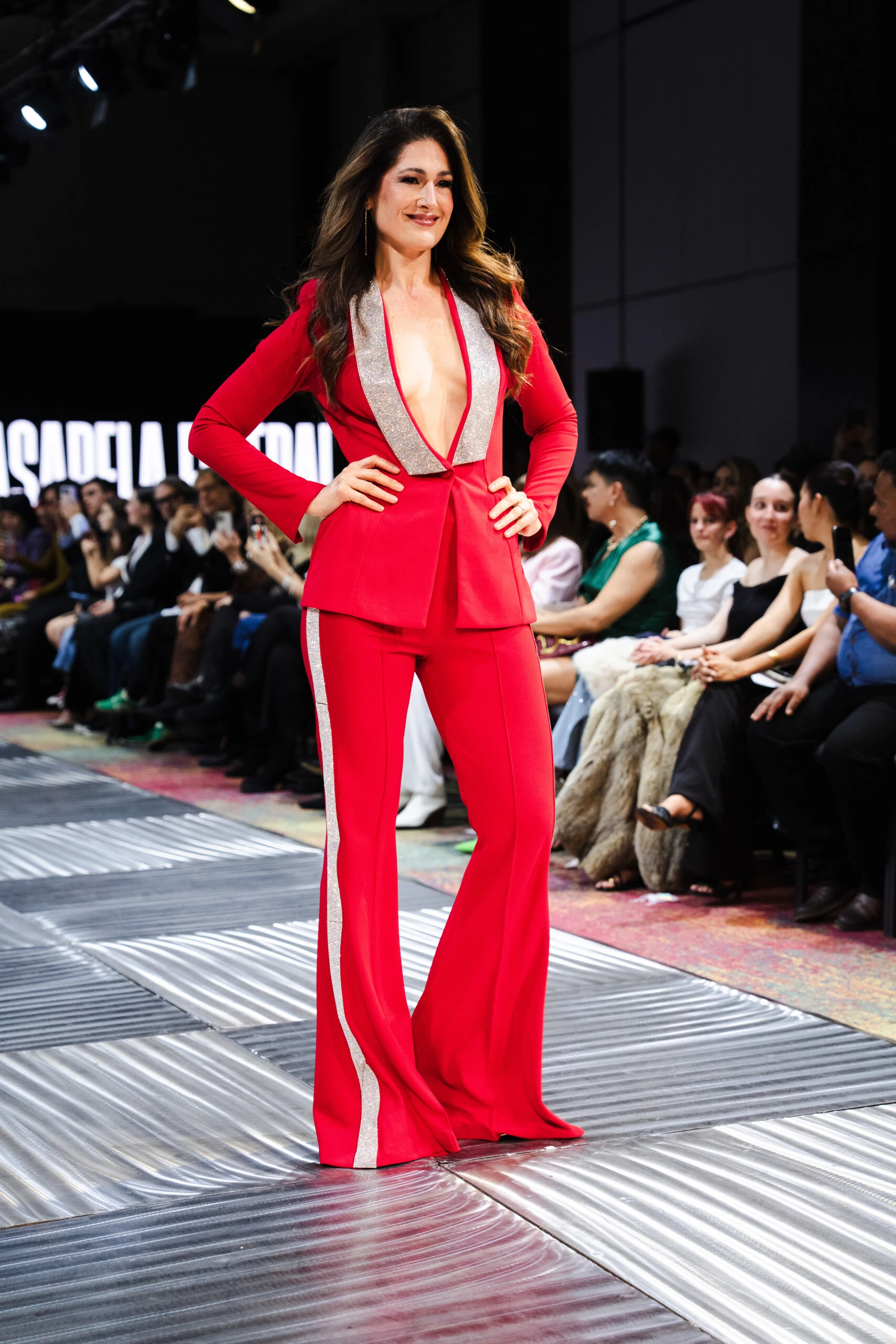
Participants included Rocío Vivas, Laura Rivarola, Carina Monteleone, Guada Juárez, Yanina Screpante, Natalia Pereyra, Sole Villareal and Inés Pujol, alongside Ingrid Grudke, Mica Mattaloni and Ailen Siboldi themselves.
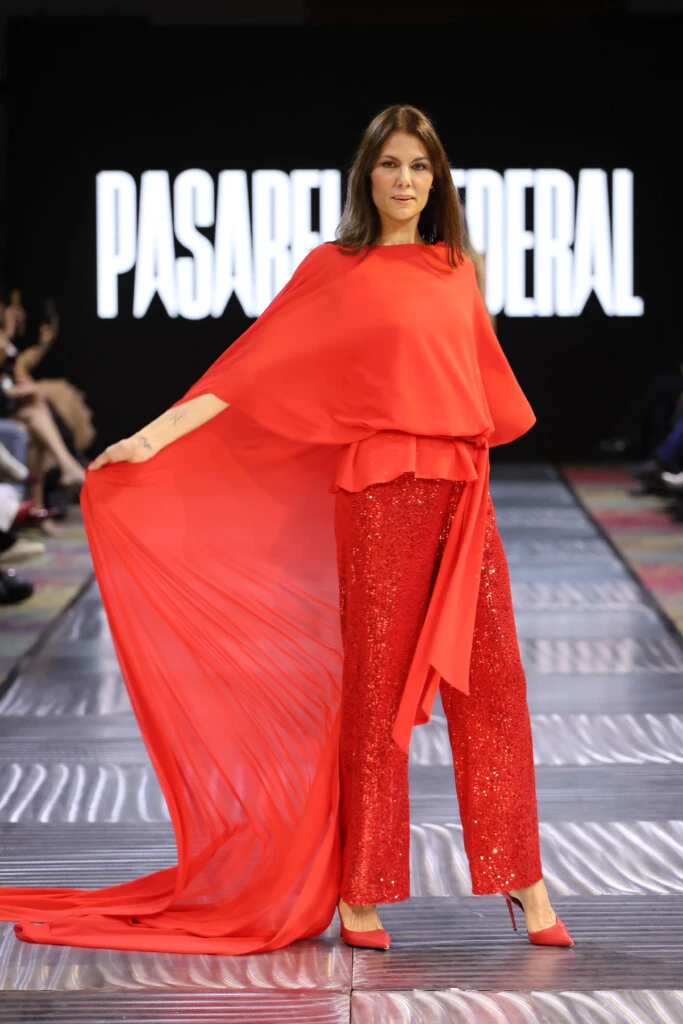
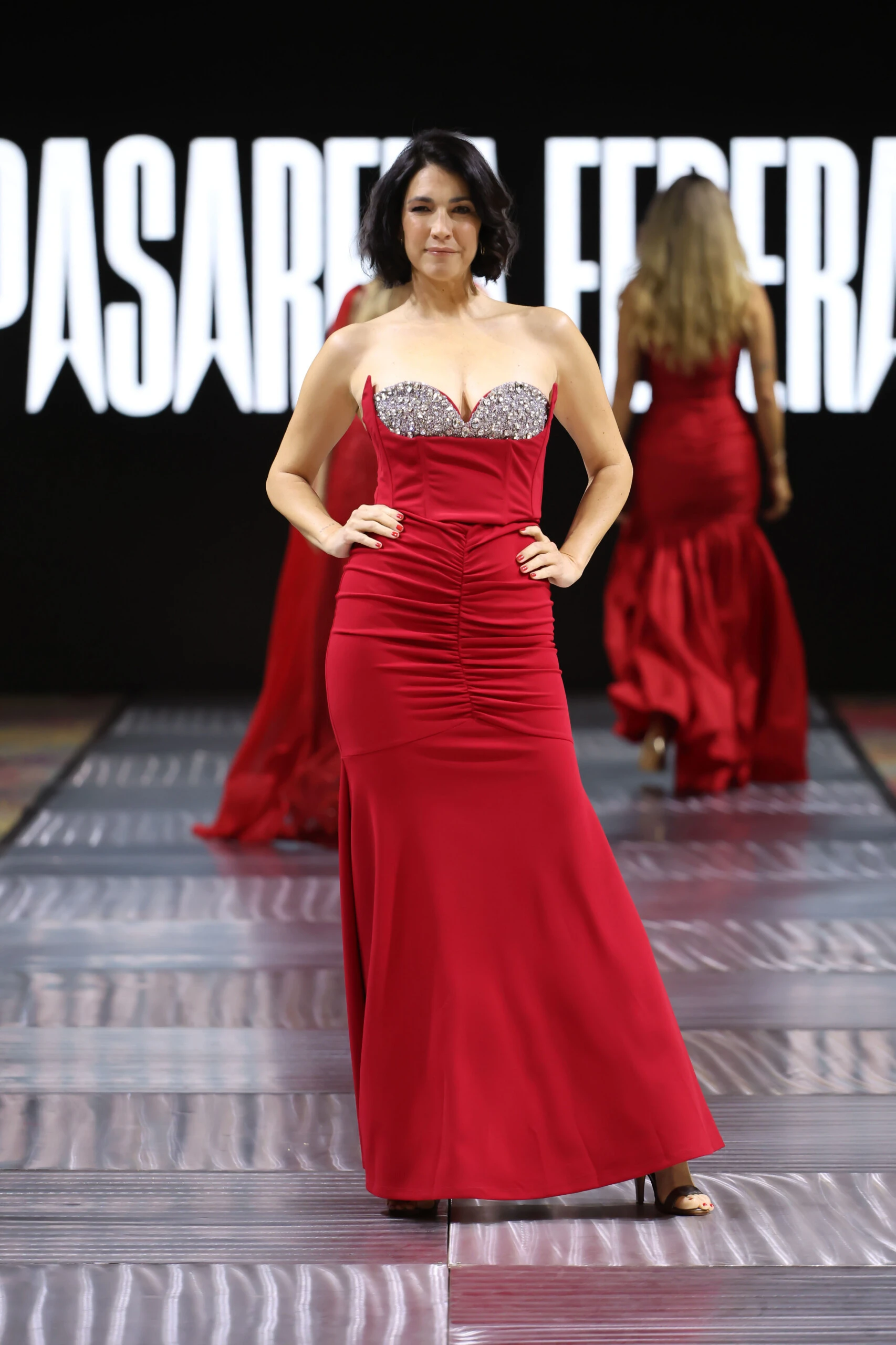
The dresses belonged to prominent names in national design, among them Claudio Cosano, Laurencio Adot, Adriana Costantini, Iara, Anna Rossatti, Ramírez and Fabián Kronemberg.
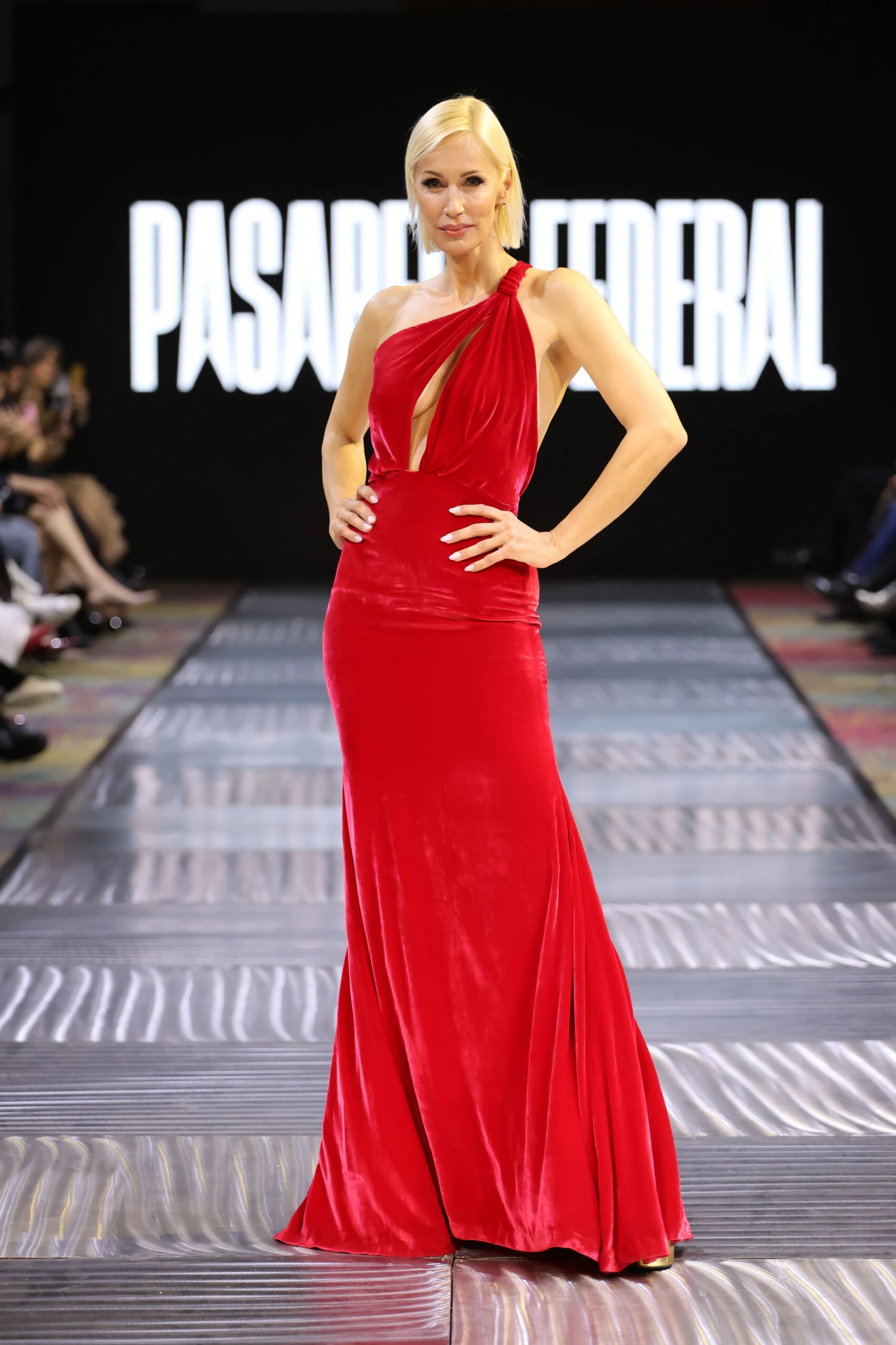
The red acted as a guiding thread and shaped an opening conceived as a tribute to those who built and continue to build local fashion.
El front row de Pasarela Federal
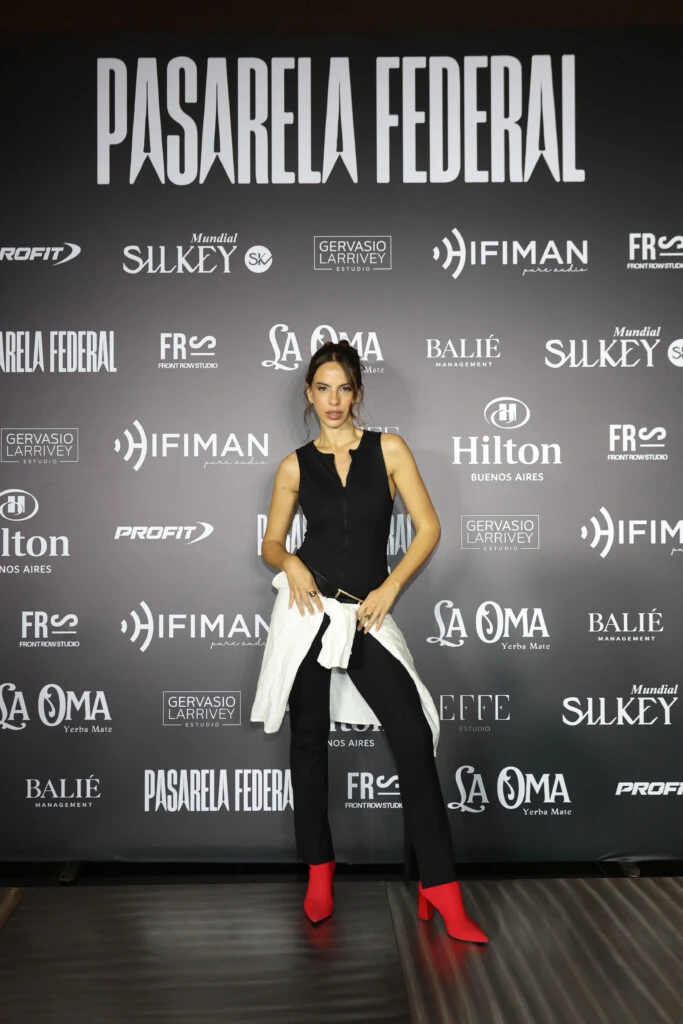
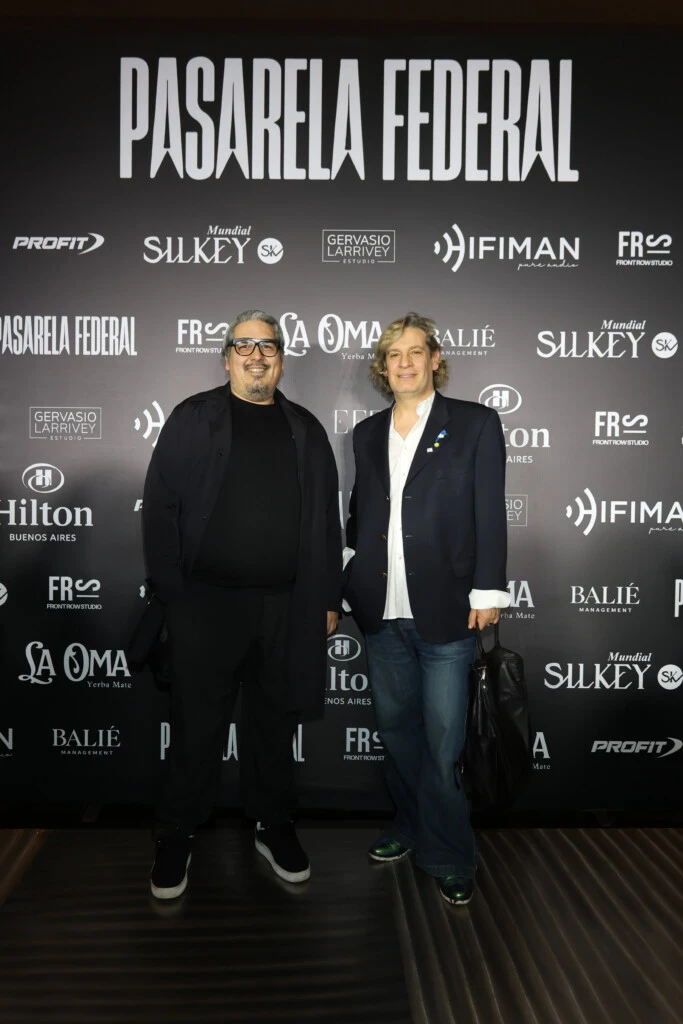
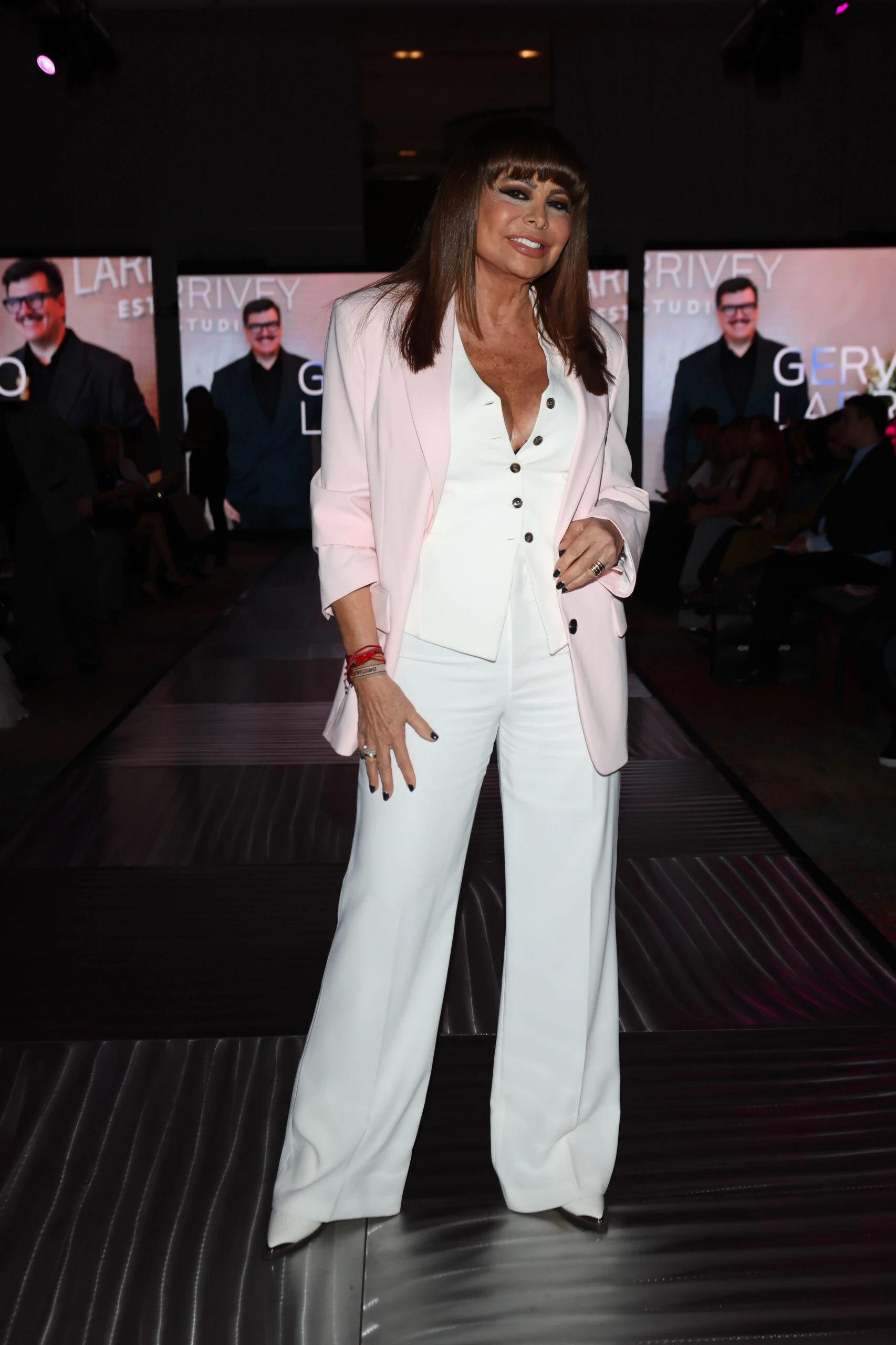
The third edition also brought together historic and current industry leaders. Among the guests were Adriana Costantini, Nequi Galotti, Evelyn Scheidl, Lucía Miranda, Elio De Angeli, Gastón Laisse and Fabio Toñanez, alongside celebrities, media personalities and figures connected to design.
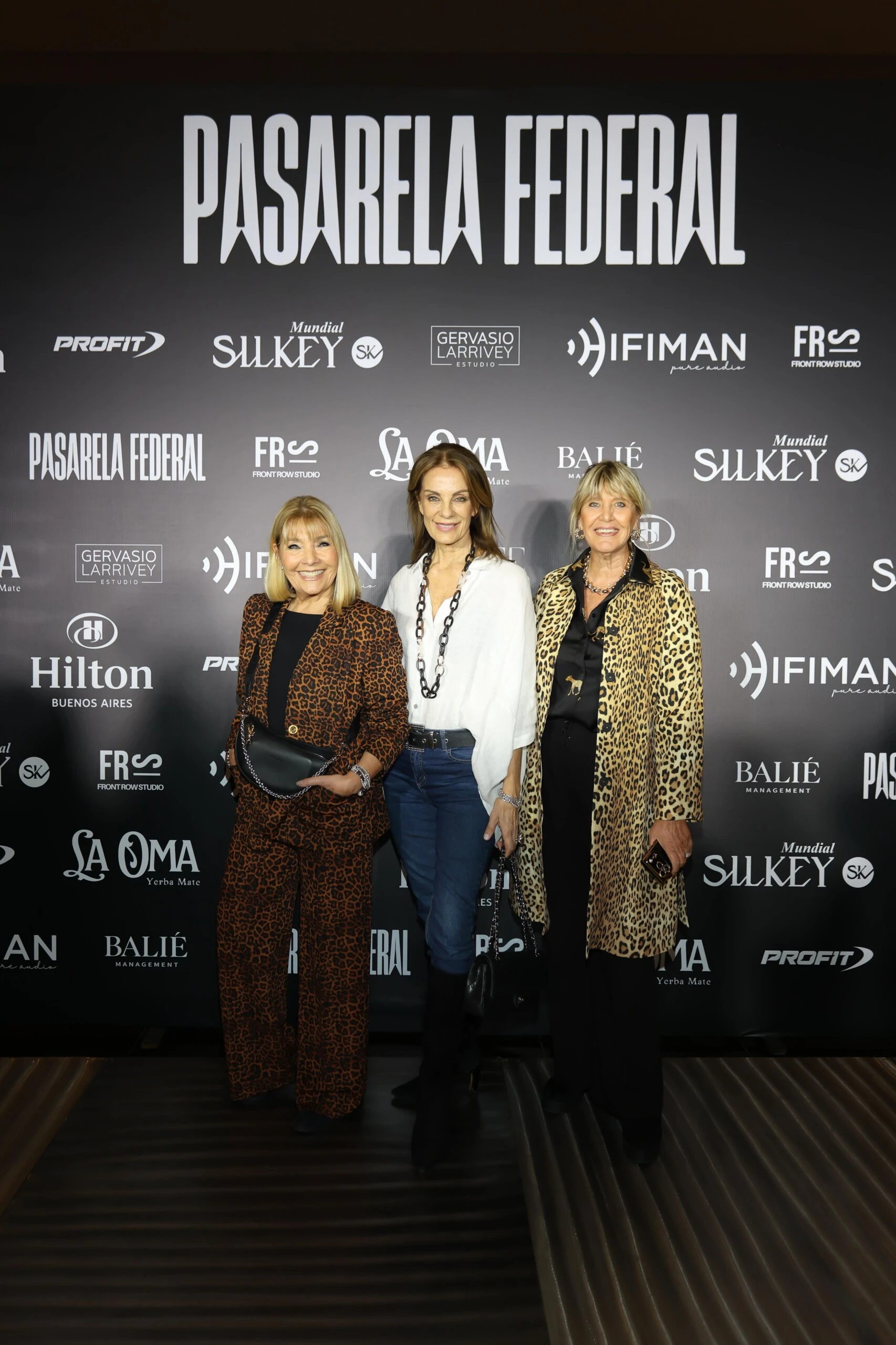
They were also accompanied by Valeria Parodi, Andy Garmendia, Griselda Pelozzo and Pitu Di Marco, among others.
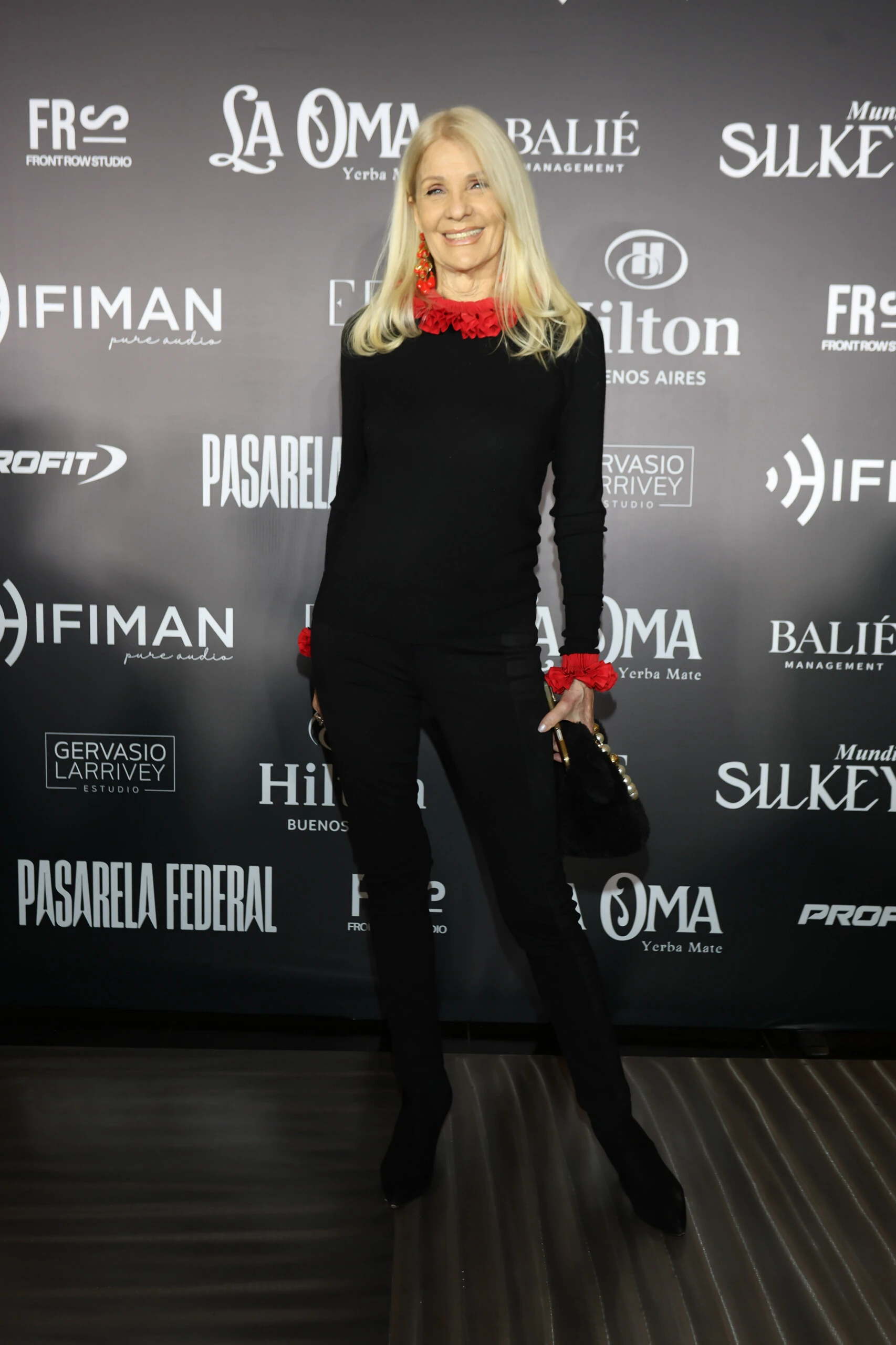
The presence of various industry players is part of the project’s goal: to create a meeting point between emerging designers, established references, the media, and the public.
El trabajo detrás de la pasarela
The production of the shows also brought together a range of specialized professionals. Hairstyling was handled by Estudio EFFE, led by Franco de los Santos and Fernando Enríquez, while Gervasio Larrivey and his team carried out the makeup.
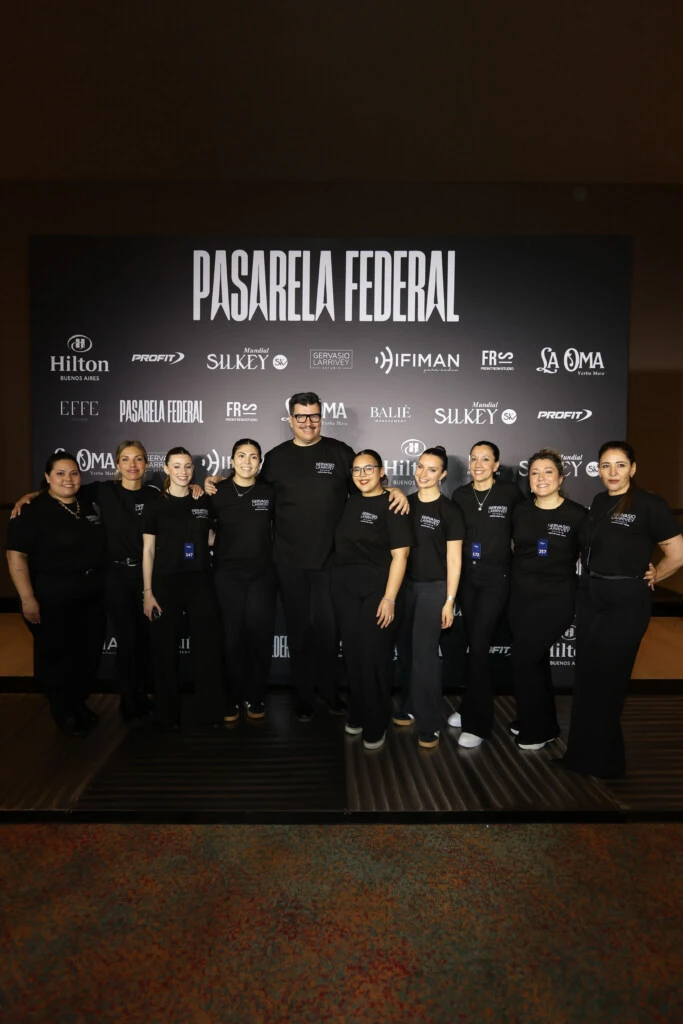
The overall styling was the responsibility of Roxana Harris and Gime Bright, with footwear designed by Luciano Marra and glasses from Óptica Control.
The edition also counted on the support of Hotel Hilton, Hifiman, Silkey, La Oma, Front Row Studio, Balie Management, ProFit and Upra Marketing.
Pasarela Federal: una vidriera para la moda argentina
The project seeks to consolidate itself as more than a calendar of fashion shows.
Its aim is to become a diffusion, meeting and growth platform for emerging designers, offering them the opportunity to showcase their work before the industry and to forge new connections.
In a scenario where Argentine fashion is often geographically concentrated, Pasarela Federal proposes widening that view and valuing the roots, techniques, cultures, and identities that exist in the different provinces.
The third edition once again demonstrated that the wealth of Argentine design does not rely on a single aesthetic.
It is precisely in its diversity.