
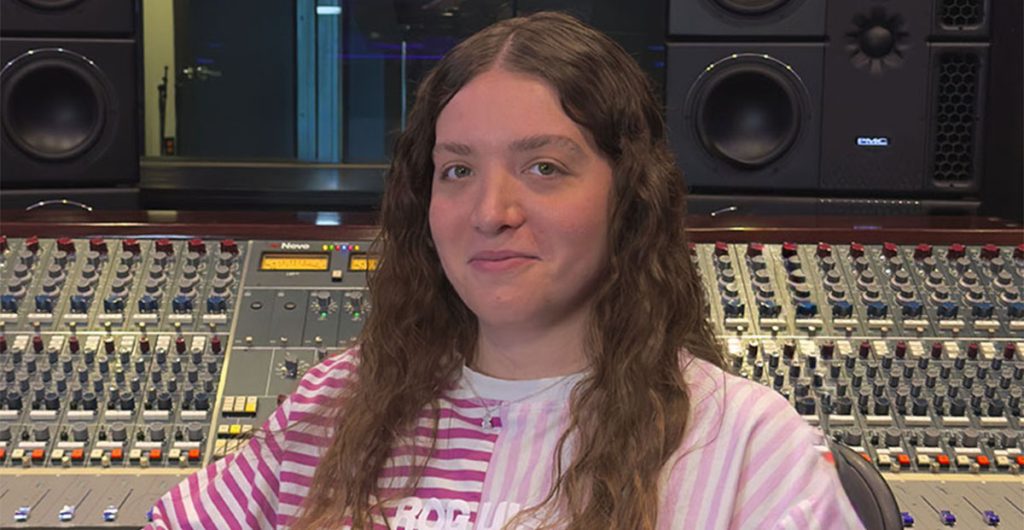
Her journey began at the age of 7 with a musical theatre and continued with singing, guitar, piano and production. At the Contemporary Music School she discovered sound engineering and, after several attempts, earned a scholarship to study at Berklee, where she graduated with honors and was on the Dean’s List every semester.
Today she works as a Recording Engineer at 5020 Studios Miami and, at the same time, continues developing her role as a singer, songwriter and producer. She will soon release her own music under the stage name CALU.
In conversation with Para Ti, Lucía explains how that journey unfolded, what she learned working with some of the most important artists in Latin music, and what it’s like to grow in an industry where men still outnumber women behind the console.
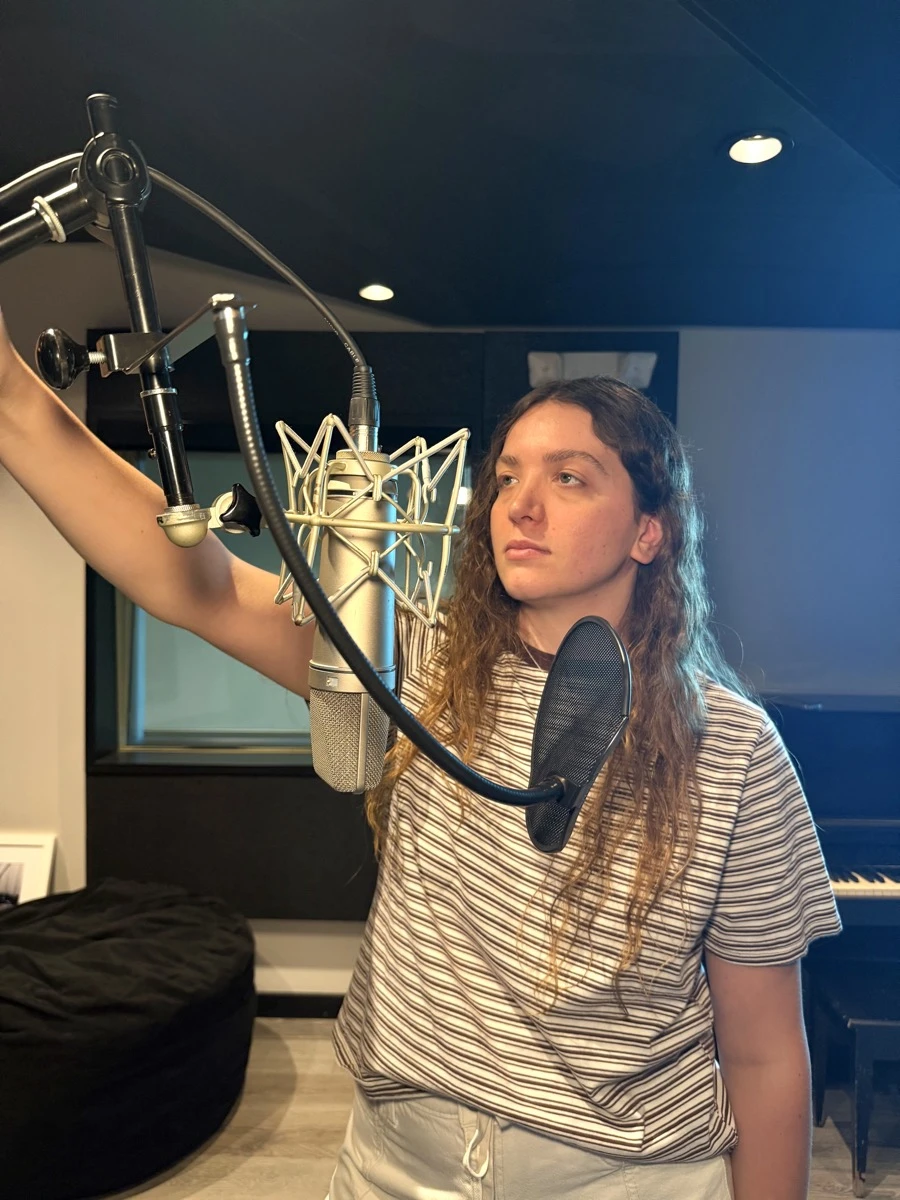
From Pilar to Miami: the path toward sound engineering
—What was your journey from Pilar to Berklee and working with international artists?
—My musical path started at 7 years old with musical theatre. I spent seven years at it and always had a very big passion for singing. I then taught myself guitar and began studying singing, piano and guitar. I posted covers on YouTube and did small shows.
After finishing high school I discovered the Contemporary Music School (EMC), in partnership with Berklee. I studied professional music and singing because my goal was to reach Berklee. Along the way I discovered a course in music production and realized that I had already been producing without knowing what it was called. So I studied both: singing and production.
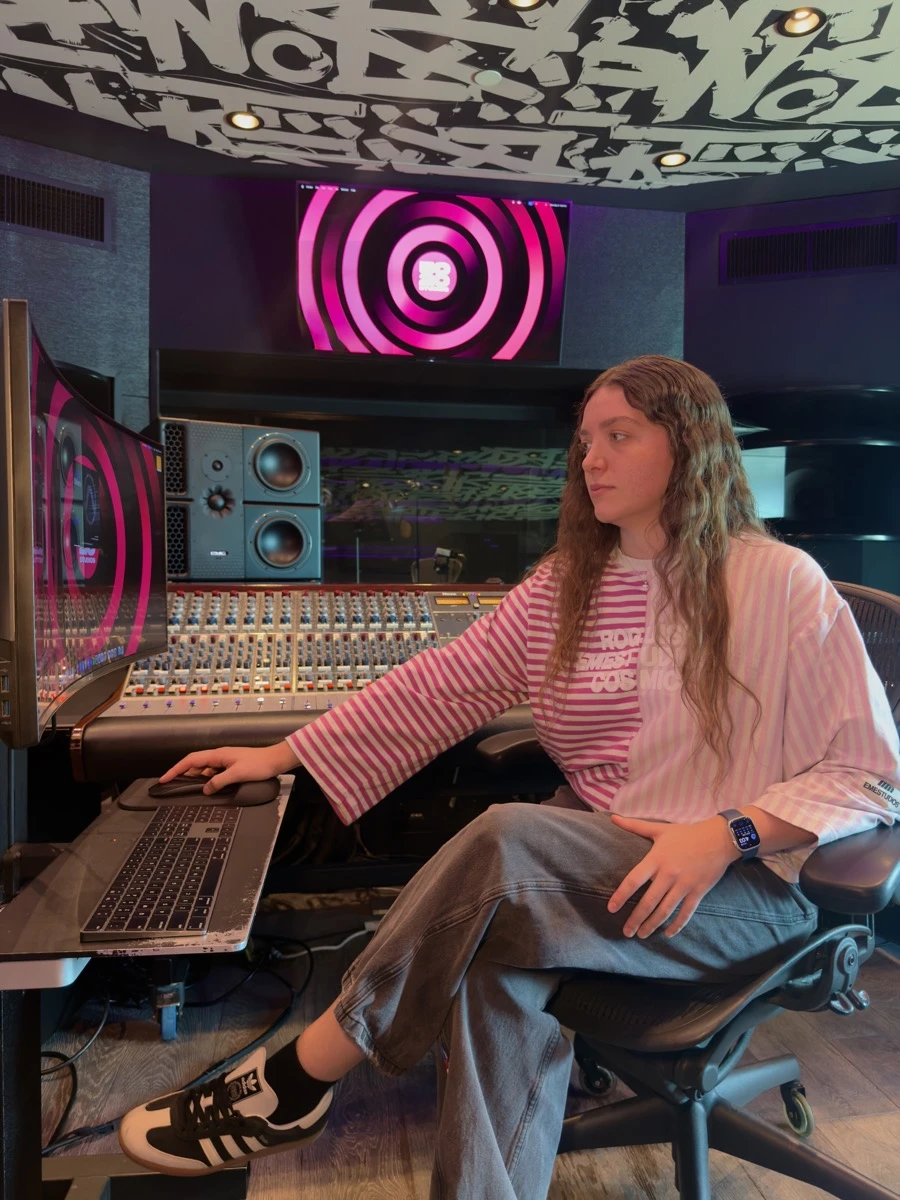
There I had my first exposure to audio engineering: instrument recording, mixing and mastering. I felt it was something that came naturally to me and that I could do well. I also noticed there were few women in the industry as engineers, and that intrigued me.
After a couple of years at EMC I auditioned for Berklee. After a few attempts I earned a scholarship to study in Boston. It was something surreal, a dream come true. It’s the same university that Charlie Puth, John Mayer and many other artists attended.
I chose production and engineering. The field was highly competitive and having access to recording studios was amazing. I also had professors who had taught Charlie Puth and many producers and engineers.
Two years after graduating I was already working at one of the best studios in the world with international artists. For me it’s a dream come true and I am very grateful and honored.
“Fighting for your dreams is always worth it”
—What did it mean for you to have earned the Berklee scholarship and to be on the Dean’s List every semester?
—It was a very lovely surprise, a dream and a kind of pat on the shoulder telling me that all the effort had been worth it. It made me feel that chasing your dreams is always worth it.
I learned a lot, not only technically but also personally. I learned to record vocalists, to understand the human factor, to have tact and to read a room. I also learned to record large string sections and to do live sound for bands of more than 20 musicians.
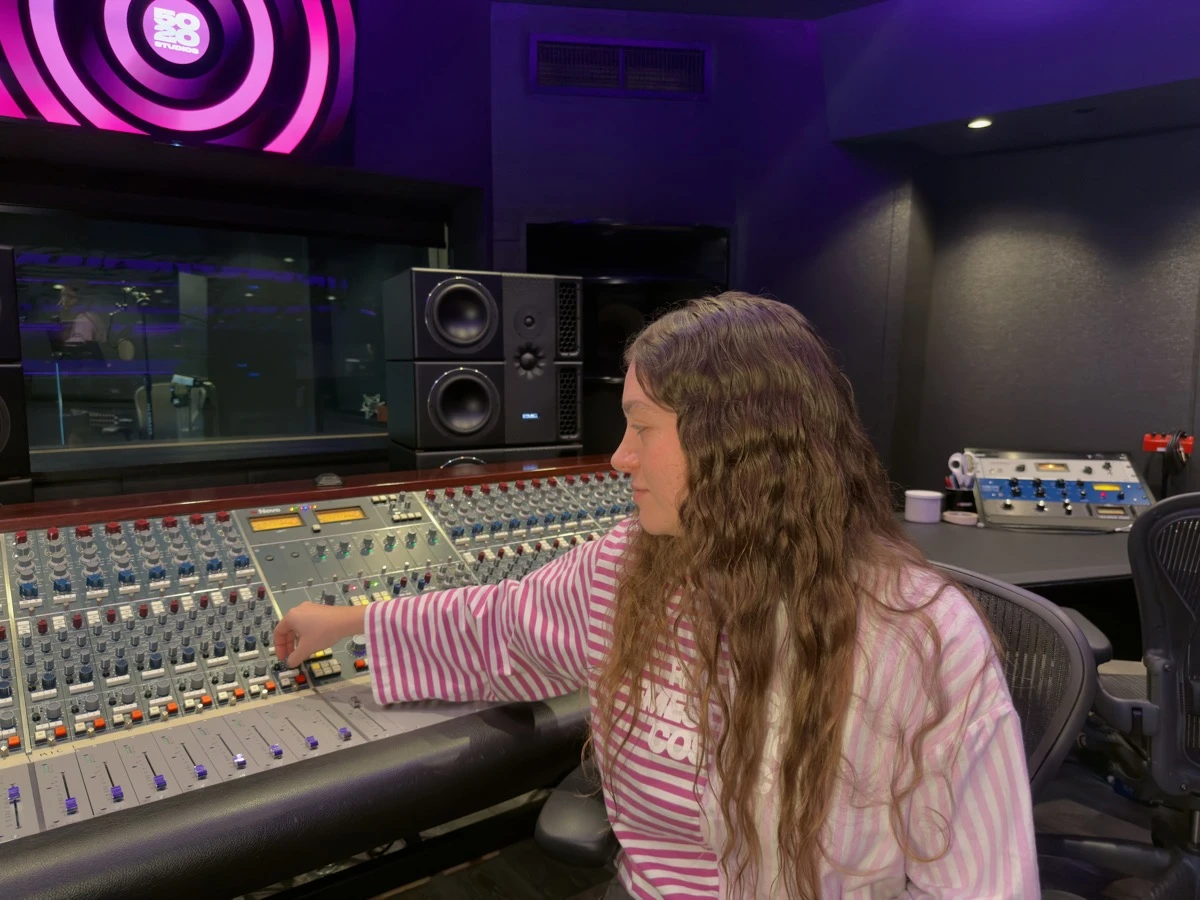
Today I can record vocalists and assemble bands with many instruments. I also learned that each person has a different way of being and that it is important to understand how to approach each artist. That is learned through experience and intuition.
Behind the productions for Shakira, Tini and Bizarrap
—You worked on productions with artists like Shakira, Tini, Bizarrap, Thalía, Emilia, María Becerra and Trueno. What does it mean for you to be in those sessions?
—I don’t work better or worse depending on the artist’s reach. I always give 100% in every session, whether it’s recording vocals, instrument or band, doing vocal production, coaching, placing a microphone, chatting or serving coffee.
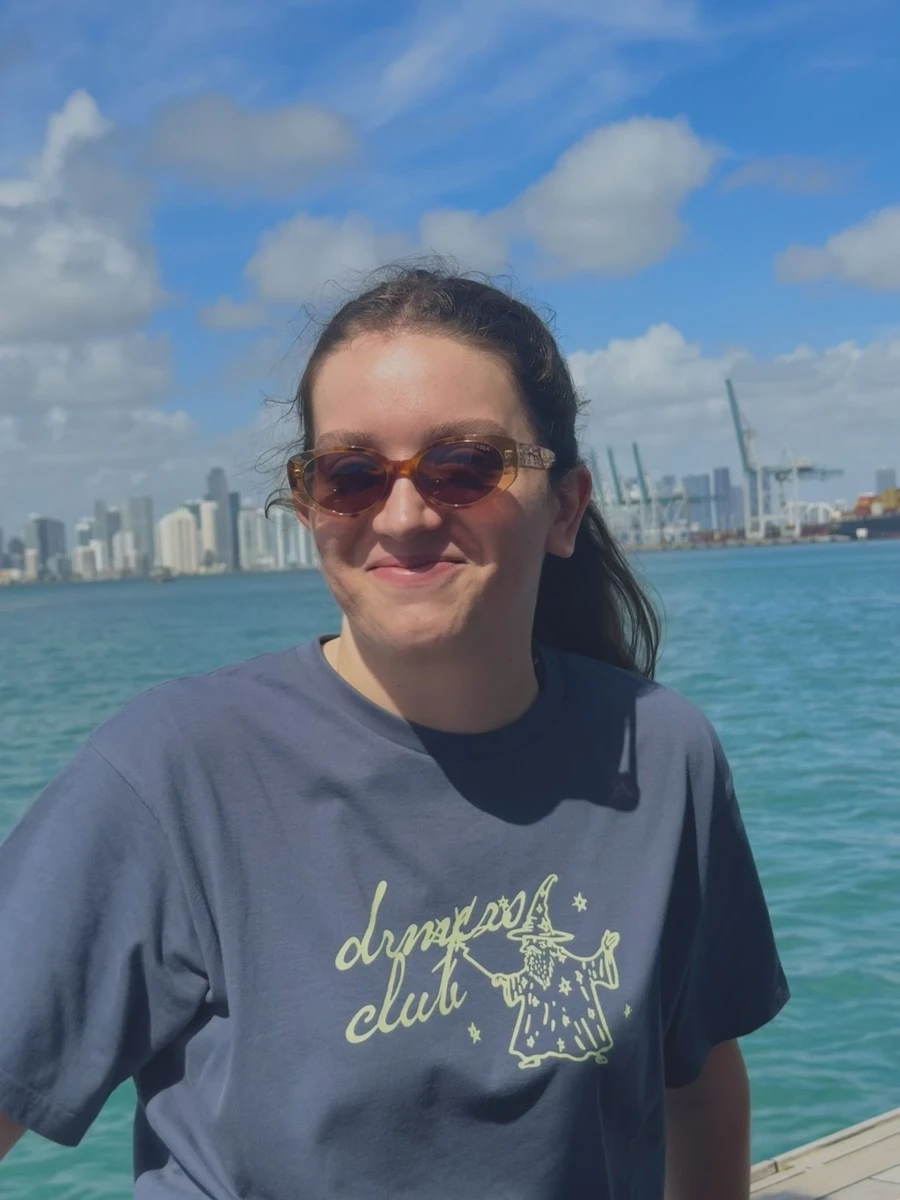
The most important thing in a session is presence. Technically, focus and knowledge are essential, but you also have to take great care of the room’s energy.
“Sigue siendo un área en la que la gran mayoría son hombres”
—Sound engineering remains an area where the vast majority are men. How was your experience as a woman in this profession?
—Luckily I never had a bad situation for being a woman, but it remains a field where the vast majority are men.
There are more and more women working in this field and that makes me very happy. When I was in college, most students and professors were men, except Susan Rogers, Prince’s former engineer and a pioneering woman in recording engineering.
I was mostly surrounded by men. And when I work with established international artists, many tell me they have never worked with a female engineer.
I’m very grateful to be able to offer them a fresh perspective and to show them that women engineers are at the same level.
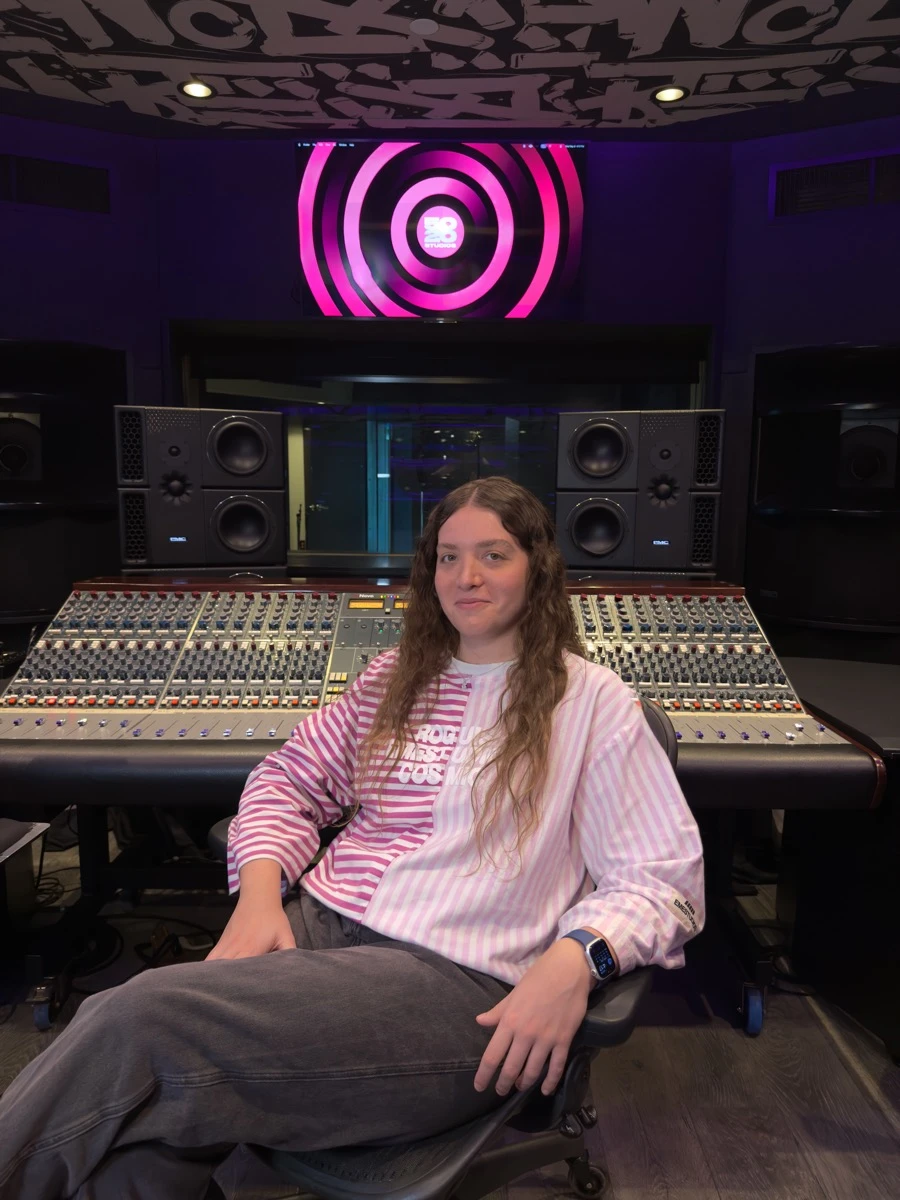
From engineer and vocal producer to singer: the CALU project
—You are a sound engineer, vocal producer, songwriter and singer. How do these different facets coexist?
—My career began with singing and it remains my greatest passion, though engineering is my daily work. Being a musician and creative helps me in sessions because I understand the singer’s perspective and I can help when an artist gets stuck.
Having a creative instrument is essential to work one-on-one with an artist. It has also been a while since I started working on my own music and soon I will release songs under my stage name, CALU.