
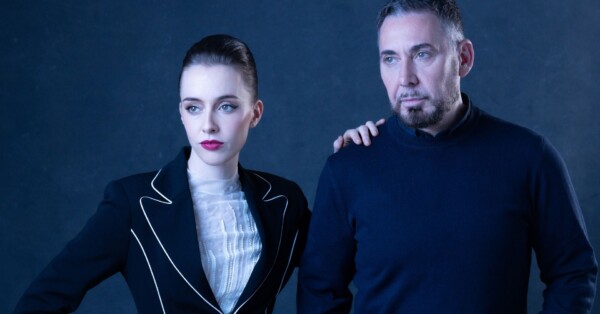
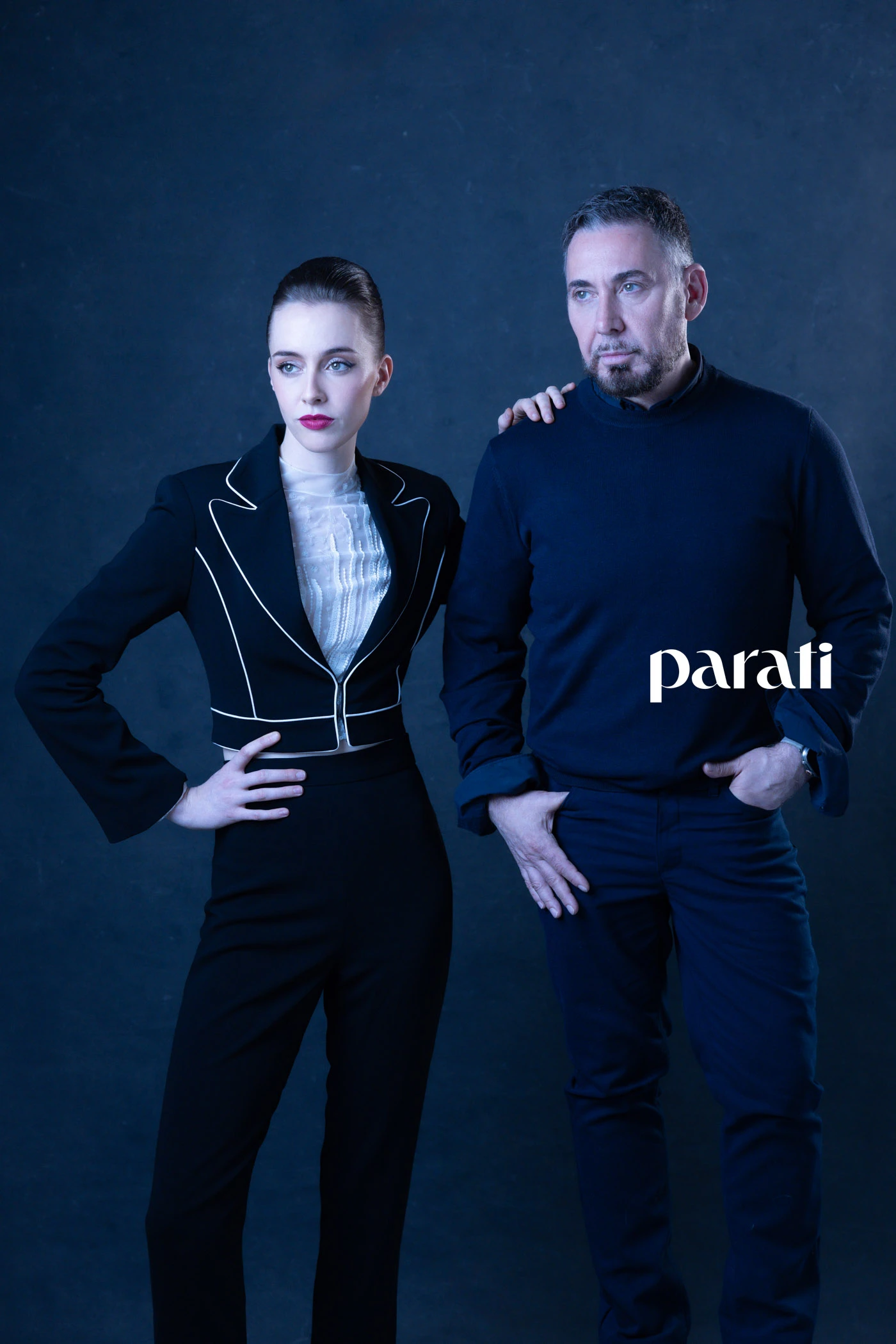
He lives in the Big Apple with layovers in Miami, yet he still speaks with the same accent from his hometown of Junín. This is Gustavo Cadile, the Argentine designer who keeps his feet firmly on the ground and who only a few weeks ago received the distinction of Distinguished Cultural Personality from the City Legislature of Buenos Aires.
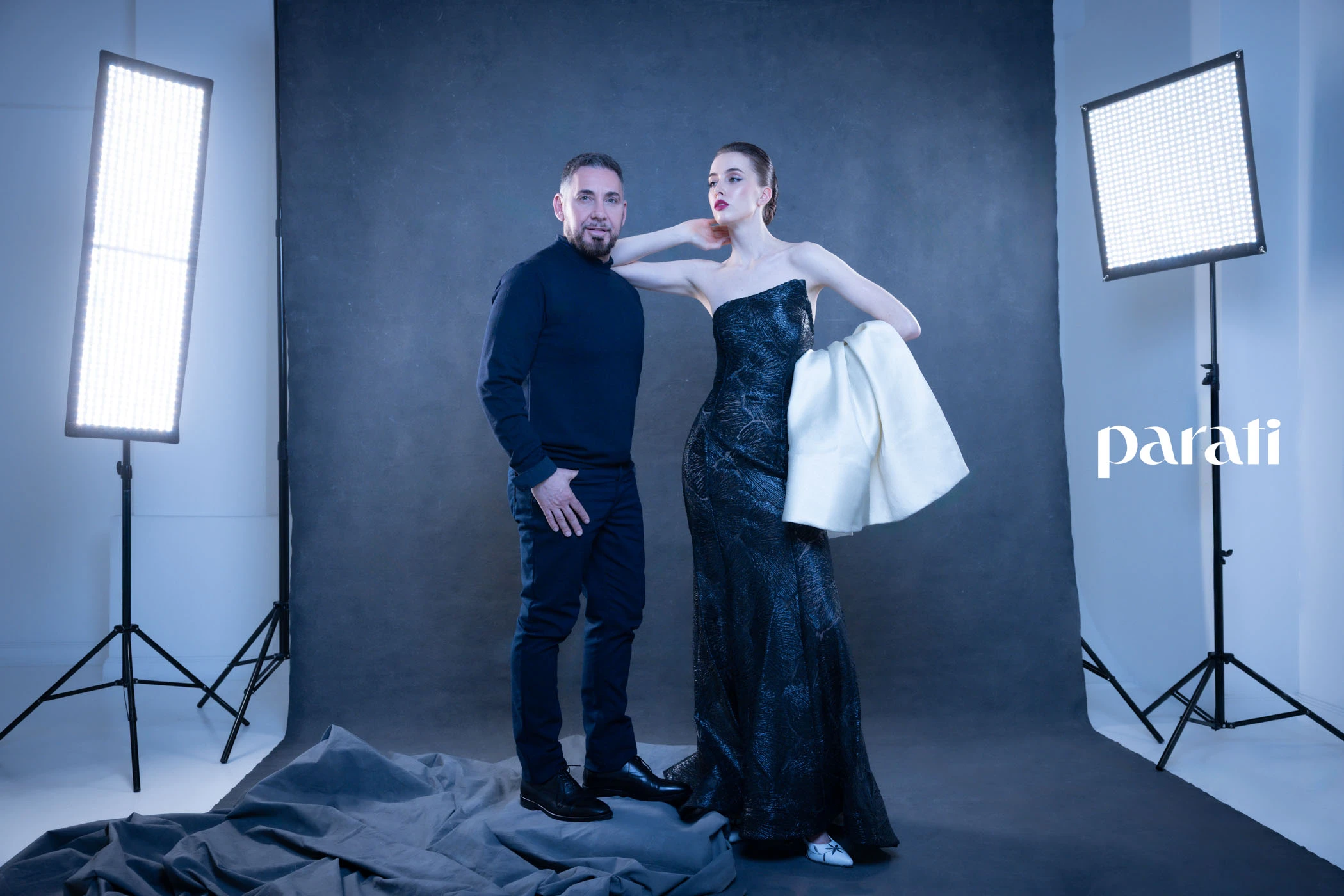
– Who is Gustavo Cadile?
– He’s a boy from Junín who came to Buenos Aires at 17 with a dream, and his life has followed that dream ever since.
– Why does your brand carry your name?
– When I launched the label in 2006, Neiman Marcus, which acted as my godmother, saw my collection and wanted me to design haute couture for its couture department, and since they liked it they said: it has to carry your name.
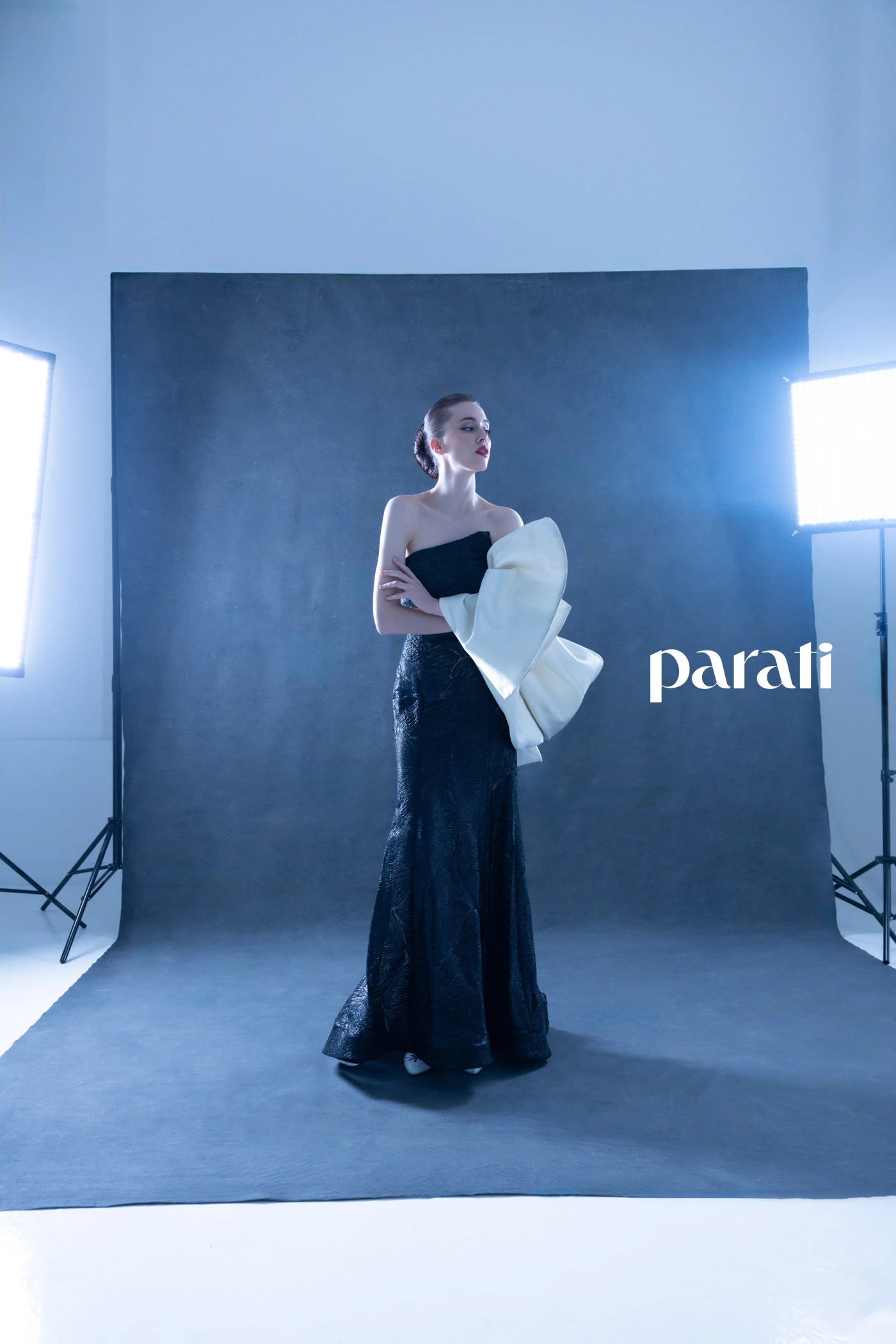
– What happened when you first saw your name on the store window, on the display, on the labels?
– It was a very big emotion. I always say fashion has the good, the challenge, and the uncertainties. You have to stay focused on doing things well: dressing the woman.
– The brand bears your name, which is also your ID. Is there ego in that choice?
– Not at all. Ego doesn’t exist for me, and in this career you can’t have ego.
– Don’t you know what it’s about?
– Let me tell you something. I had my showroom on Fifth Avenue and the big stores bought from me, and since I knew they wouldn’t lower my budget by presenting proposals from other designers, one day I presented them as well and did a showroom in my own showroom with their clothes so they could get to know them.
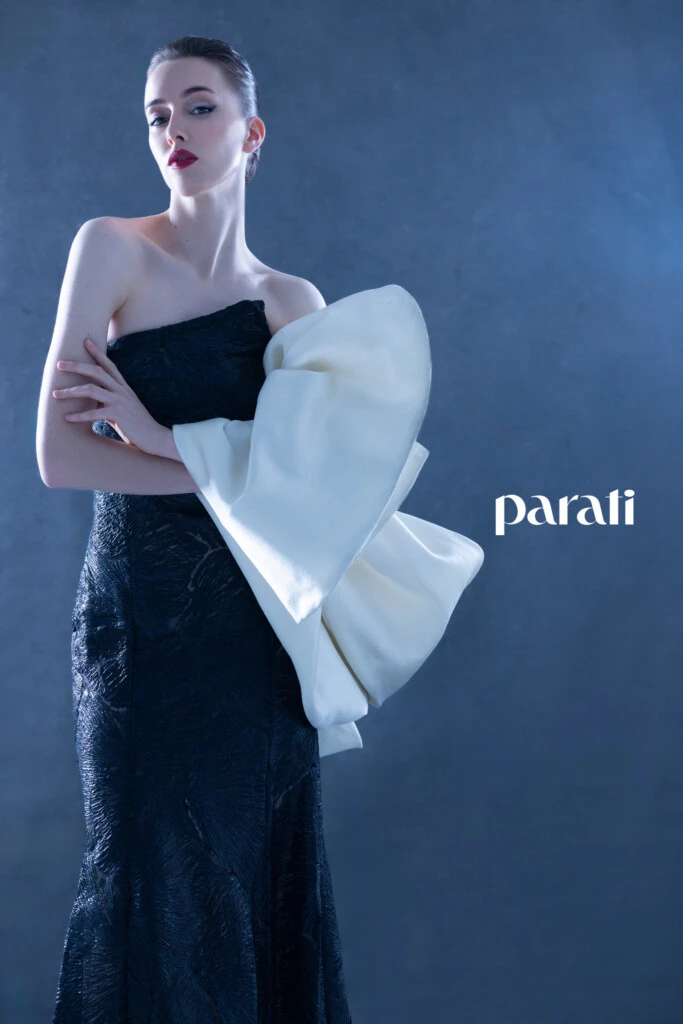
– You were named Distinguished Cultural Personality by the Buenos Aires City Legislature. Do you feel like you’re touching the sky with your hands?
– Yes! Argentina means everything to me because it’s where I was born, Buenos Aires is where I grew up and where I learned what fashion is, and suddenly they call me for this very important recognition.
– Until this recognition, did you think the saying “no one prophesies in their own land” was true?
– A little bit. I hadn’t thought about it much. It felt good to return to my roots and see how I was received. It was a very emotional event, I loved being surrounded by friends and colleagues.
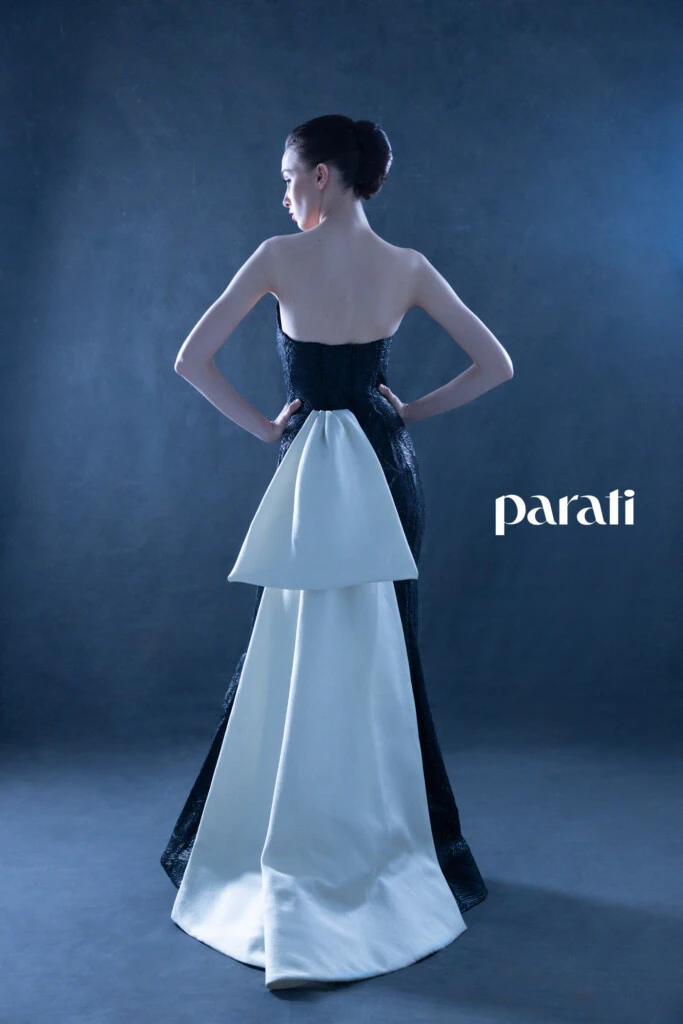
– I feel you don’t work for what others say, for the outside world…
Not at all! It’s fine to sell dresses because it’s money and progress; you can move forward. When in 2012 I dressed Susana Giménez for the Martín Fierro, they told me to stand with her on the red carpet. How could I do that if the actress is herself? It’s a prize for her, what do I have to do with it! I work for my clients.
– Does this thing about being in the spotlight have to do with new generations who work for the photo, for the image and put themselves before their brand and their designs?
– I think so; they see fashion in a different way. For me, the most important thing is experience, visiting other designers, seeing what they do and, above all, learning from others’ mistakes to improve your own brand.
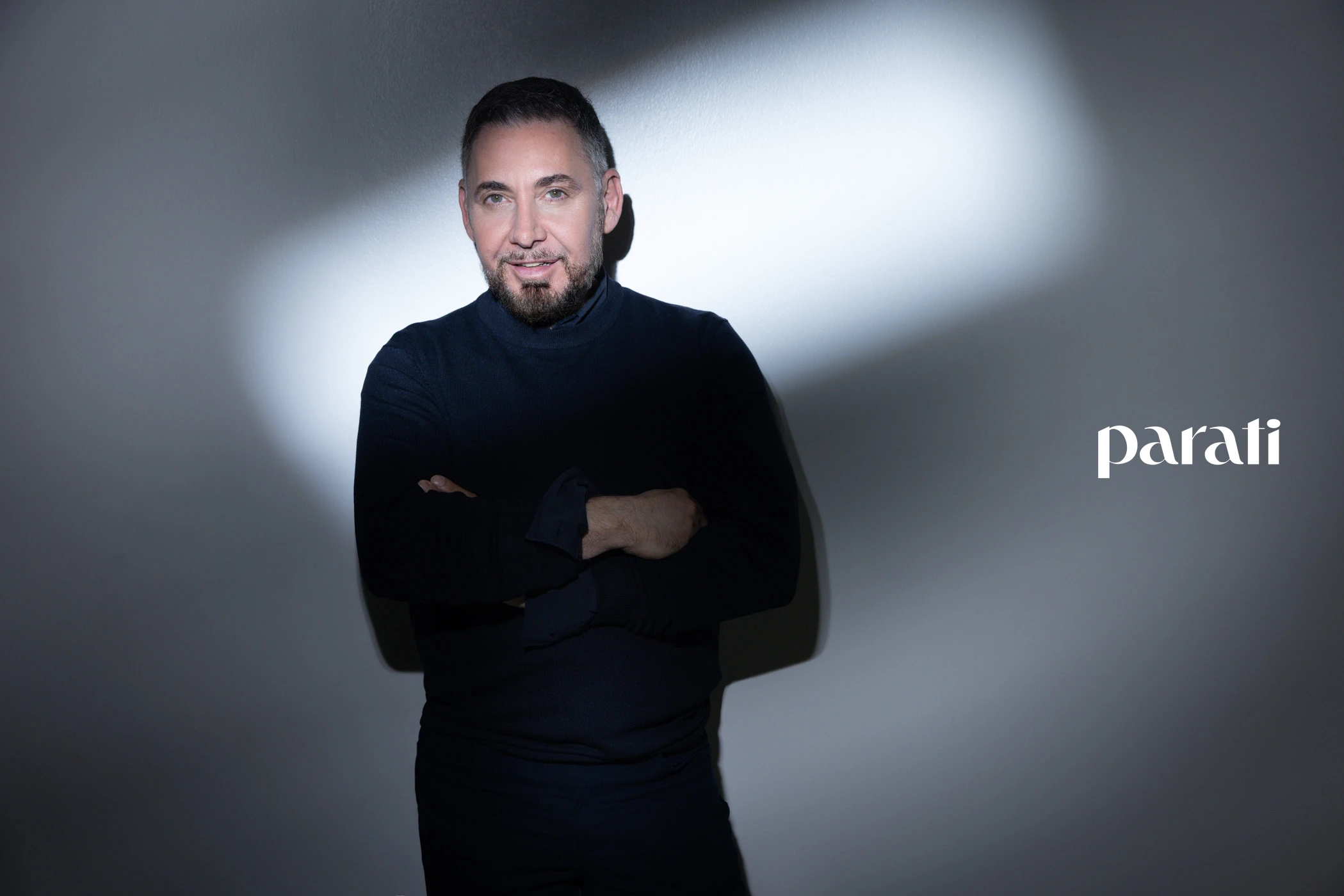
– Is it hard to keep your name tied to your label?
– I’m happy with the way I’m working; I do what I like. I enjoy the daily challenge, of every client, of every new dress’s challenge.
– Do you think ego cannibalizes designers?
– It depends; some do. I remain the Gustavo from Junín. In summer I love wearing shorts and sneakers, so I attend to my clients that way.
– Is there a Gustavo Cadile as a person, a Gustavo Cadile as a designer, and a Gustavo Cadile as a character?
– There isn’t a separate persona. Falseness torments me and pretensions. I am the same everywhere, deeply grateful for my roots, for where I’m from—I am from Junín! In this career you have to keep your feet on the ground all the time.
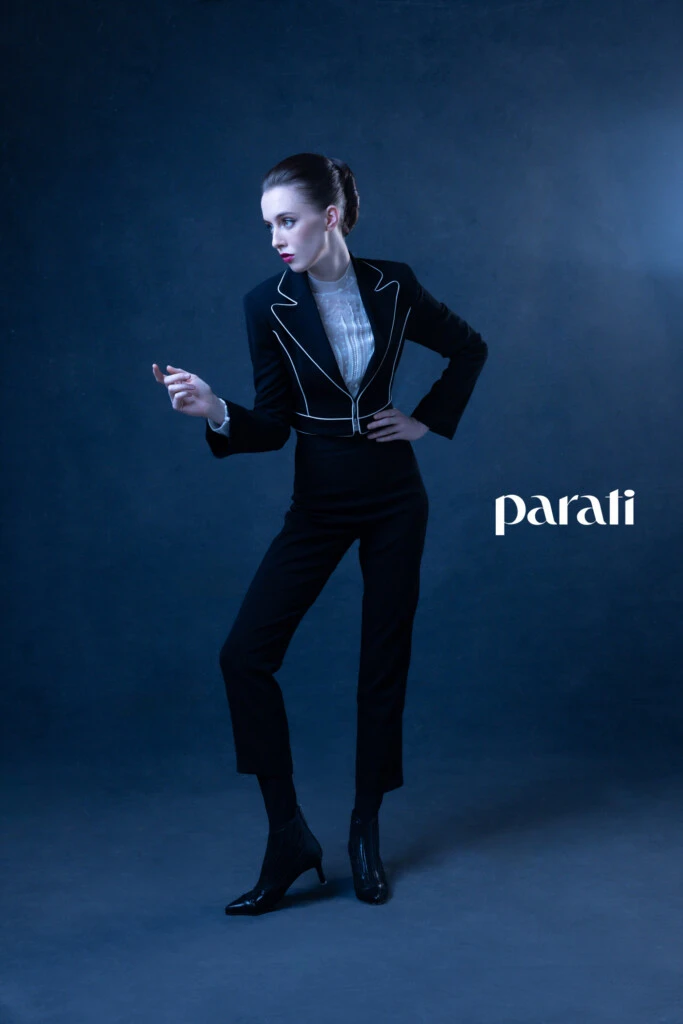
– With 20 years of experience, what is fashion to you?
– It is an emotion, the way a woman sees herself. I work for a woman who, for example, is going to her daughter’s wedding and also wants to feel special, spectacular because the mother is also an important figure. I like that they look in the mirror and feel secure, feel beautiful.
– Are designers a bit like psychologists for their clients?
– Absolutely. I really enjoy the personal, intimate interaction with clients. I love making them feel special, that when they come, they invest not just in a dress but in a wonderful experience.
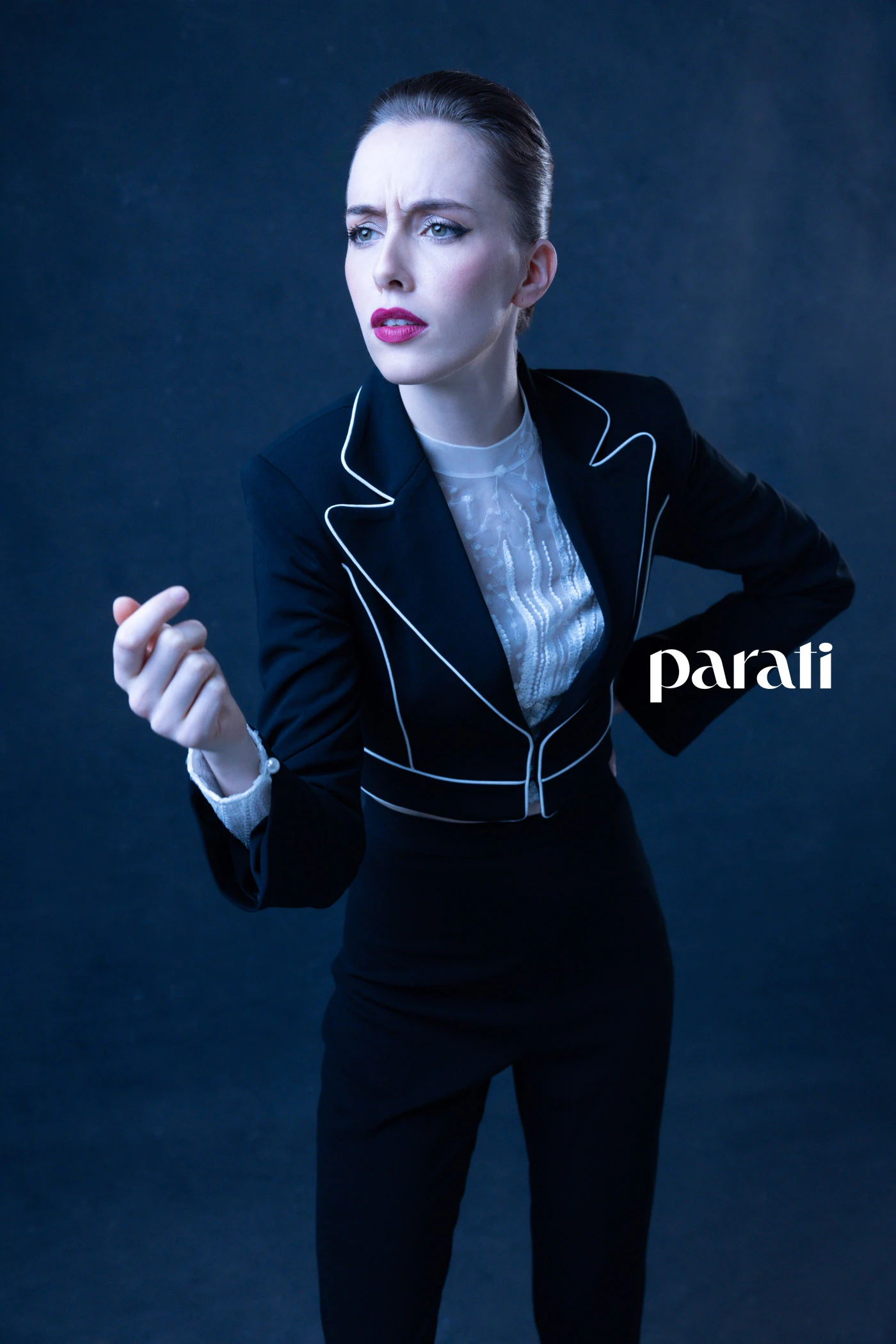
– Finding that guiding thread that continues to represent you and give you identity, is it very difficult to maintain?
– It can be difficult, but since I already have a style that women come to me for, it flows. I love the challenge of the woman who isn’t a model size; I love working on corsetry, refining the inner parts of the dress construction to make them feel comfortable.
– When a client arrives with certain requirements that may not align with your style, can you still do the fashion you want?
– Yes, because they listen a lot. Some clients come to the showroom for the first time and feel there’s nothing for them, and after trying what I think is suitable for them, they relax and trust to the point of not questioning anything.
– Where do you think the luxury of fashion lies today?
– In comfort. It’s also when the client returns because she likes the clothes you make. Or those who come back because they regret buying on Temu.
– So you think the fashion challenge today is found there?
– I think so. The fashion challenge is also the shopping experience and the service, the personalization of that service that a designer offers to clients based on what they need.
– Do you consider yourself a contemporary designer?
– I like classic and elegant things. I could follow the trend of every season and with my designs approach what other colleagues do and gain press attention. But that wouldn’t be me, that isn’t my market.
Buenos Aires – New York – Miami – Los Angeles
He studied with Manuel Lamarca and also at the Miami Design Institute. That background shaped him as a designer and refined his sensitivity toward fashion where classic tones remain current and feel fresh. In a moment when fashion demands a spectacle, Gustavo Cadile holds onto more than trends and an industry that can be ruthless at times.
– Be successful or be respected?
– It’s very nice to be respected. I have clients who come initially by referrals, and that is an honor for me. I prefer that people recognize my fashion by references of how my work looks and the quality of my dresses. I want there to be respect for fashion and for the designer’s work, and that way to retain and win new clients, which is somewhat unusual today.
– Do you think it’s possible to be successful in fashion without prestige?
– It’s possible, but I’m not sure to what extent, because it may not be sustainable in the long run.
– Then how do you sustain it?
– The goal is to persevere and keep working regardless of fame.
– You’re a worker who loves the work you do and the way you do it…
– Sometimes I think: I want to be calmer, not running around buying fabrics, sometimes dealing with tight deadlines, doing something else, changing careers, etc. And suddenly a call arrives asking me to dress the women in the family for a wedding. Then I return to the core and realize I still love my work as I have been doing for years.
– Just like with celebrities
– Exactly. At one point I said: I’m not going to work with celebrities anymore because I’ve done them and want something else in my life. And a few days ago a publicist from Los Angeles called me and said, “Where are you? People are calling for your dresses, they want to look beautiful again.” I loved that, and today I’m back to dressing for the red carpet, which is difficult but still captivating. I arrive in New York and I have two fittings for the Emmys.
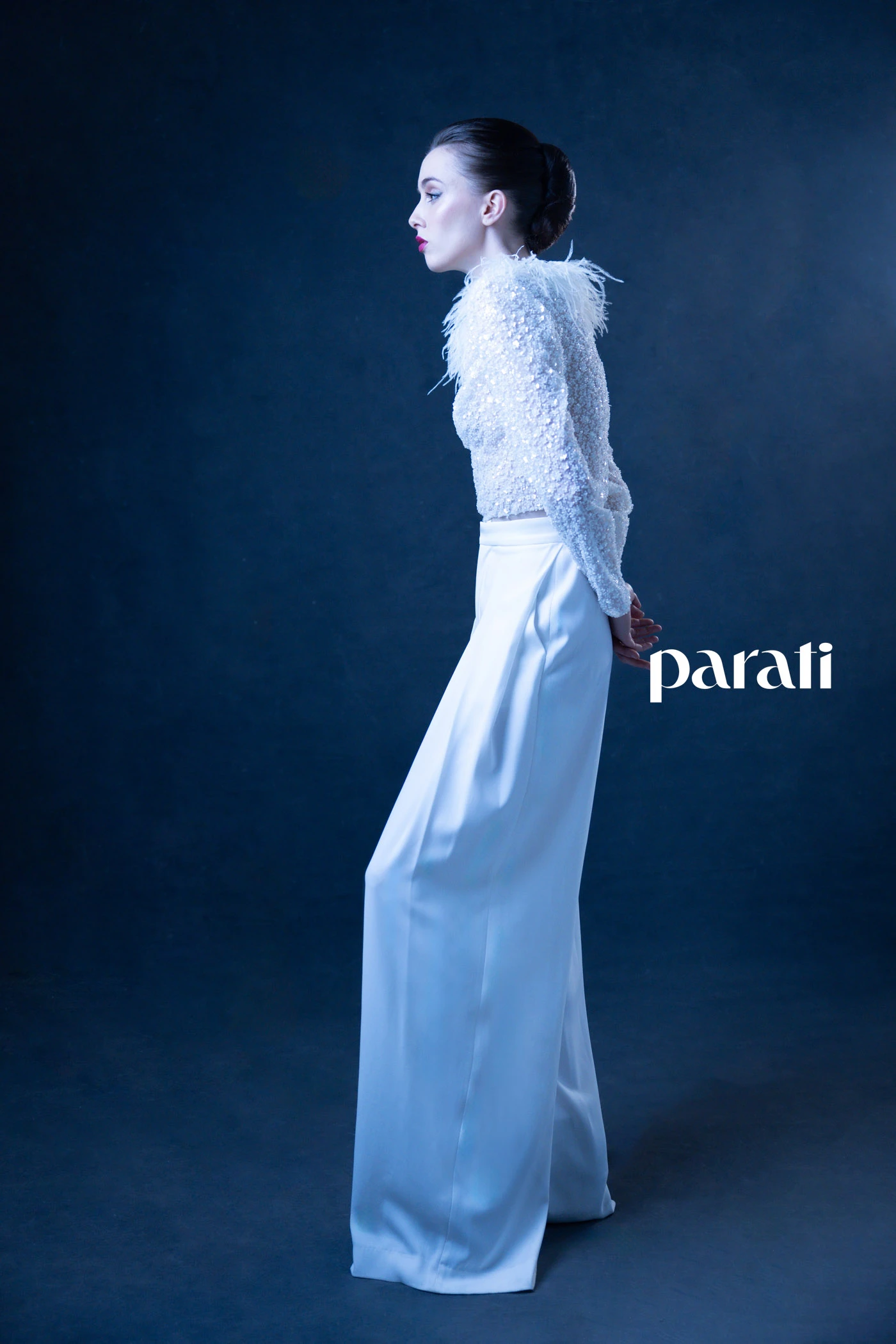
– At what moment does today find you as a designer, dressing celebrities for the red carpet again?
– It’s a new major challenge. Before, Louis Vuitton didn’t dress for those events, and today they’re positioned in that arena as well. So the challenge is to reestablish myself in a space where all the major brands are present and thrive on celebrity styling.
– Do you feel the competition is unfair?
– Certainly! For an independent designer today it’s very hard because these big houses offer celebrities enormous sums to wear them, so the competition is unfair.
– Have you ever been approached by a major brand to become its creative director?
– Before having my own label I worked for other brands. And yes, when I had established my name I received a call from Milan to revitalize a brand whose designer had died years earlier. Today I won’t say which brand.
– Did you accept?
– No, I preferred to stay with my company and my clients. I reached a point in my career where I prefer the work as I’m doing it.
– And if an Argentine brand calls you?
– I’d consider it; the feeling there has a different resonance. I also want to be close to my family. I’ve been abroad for 30 years and I want to be closer to them.
– Would you like to sell your clothes in Argentina?
– It would make me very happy.
– Would you make a move to settle here?
– I wouldn’t leave what I have because I have a very loyal clientele and I love it. I would have to go back and forth.
– Are you happy with the life you lead and the work you do?
– I am happy. I think I’m happier now than ten years ago. Today I feel better physically, mentally, and emotionally.
– The women’s fashion industry moves millions, and the majority of designers designing for women are men. Why does that happen? What does a man bring to female design when creating garments he wouldn’t wear?
– I believe in the sensitivity of the male gaze. It’s about noticing something that perhaps another woman does not see. It comes from there. I love and am fascinated by the female body.
– Of those beginnings in Neiman Marcus’s haute couture department, what did you learn?
– A lot. Think about this: I was lucky enough to attend to clients who bought up to $250,000 in clothes per day! The most important thing is that I learned to listen to clients, to ask them questions like: What do you like about your neck? What don’t you like about your sleeve? What don’t you like about your arm? … questions that, at that moment, helped me know what to offer. It also gave me the craft to design dresses today that not only make them look beautiful but also make them happy. It taught me to see the female body. Now, just by looking at a woman, I know her size.
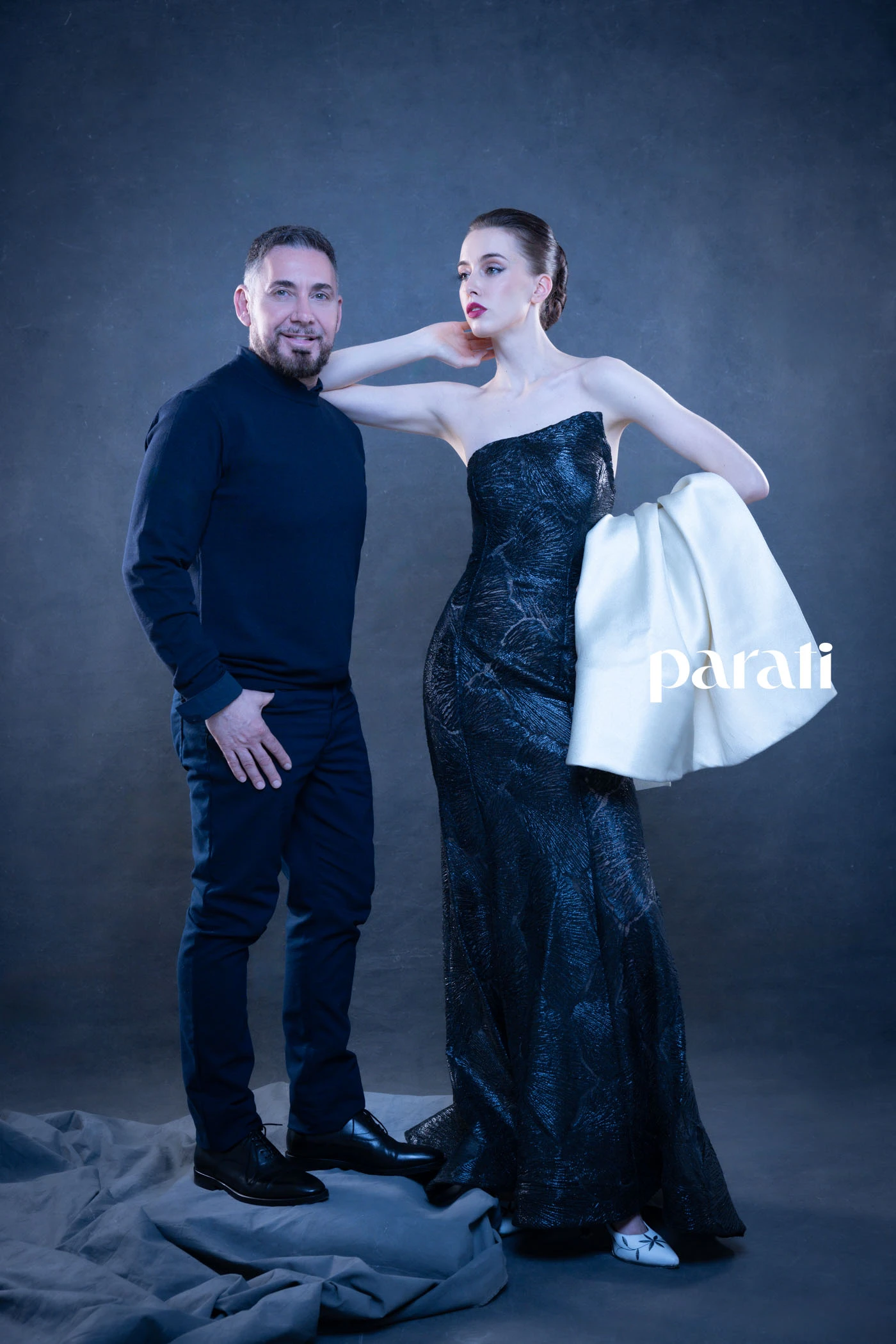
– You studied design in Buenos Aires and then in Miami. Can you make a dress from idea to hanging on the rack? Can you do it?
– I did it, and if I have to do it, I do it.
– For fashion design, do you think it’s necessary to attend a design school beyond knowing how to sew and having a special sensibility? Can you be a designer without having gone to design school?
– It’s possible and also valid. Although school formalizes you, it gives you shape as a person and as a professional; it’s very good to learn how to sew at home.
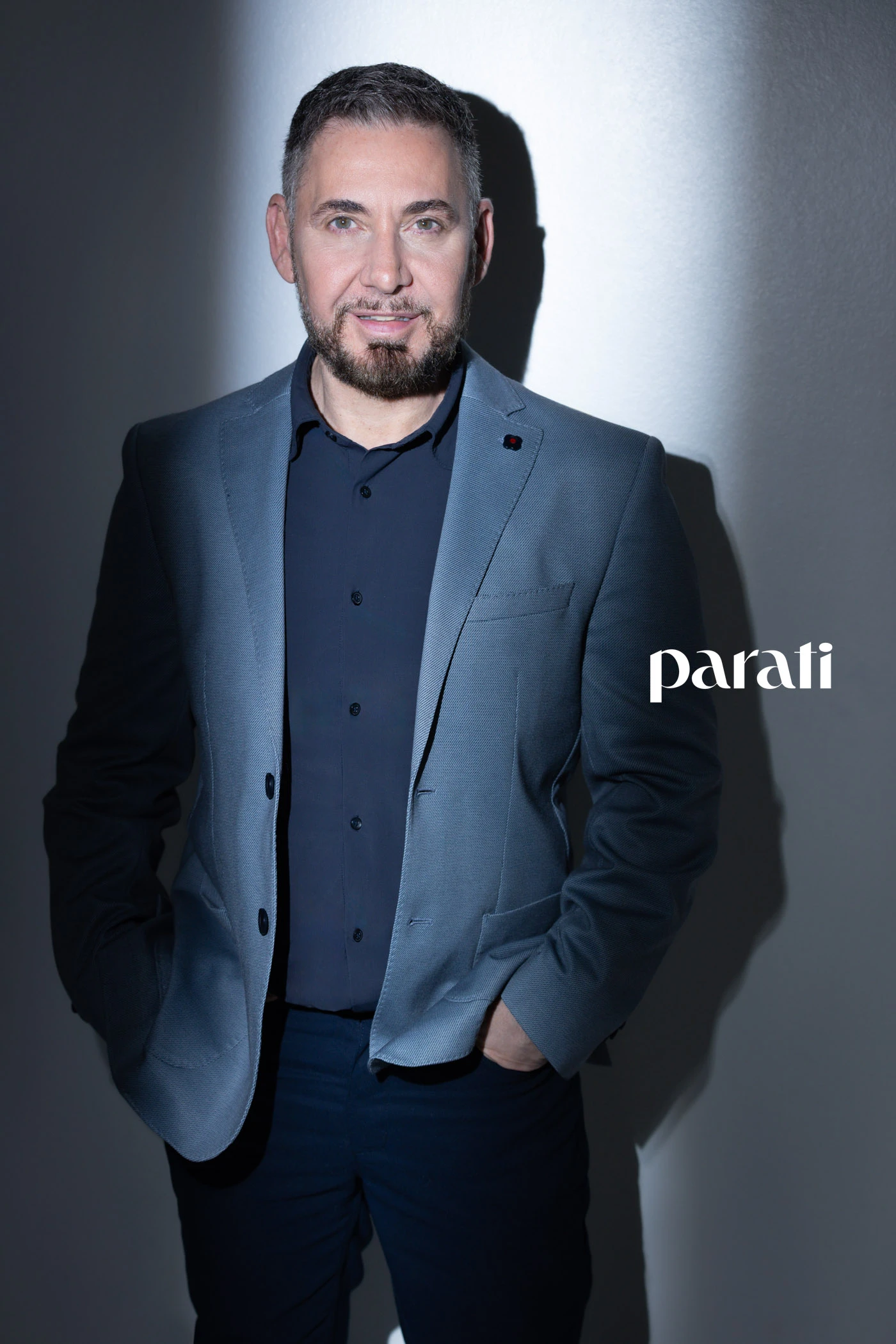
FOTOS Chris Beliera
MODELO @puntin.ia para @look1modelsmanagement
ESTILISMO @alegarcia360
MAQUILLAJE @mauriciocamilomaquillador
PEINADOS @joaquinpersson
Agradecemos a @landa_brands.ar por los zapatos y a la PR @marcegarcia.luxurytelling