
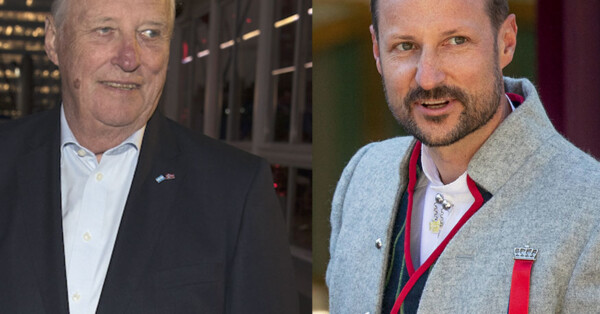
The King Harald V of Norway died this Friday, August 28, at the age of 89 at Oslo University Hospital, where he had been hospitalized after contracting a bloodstream bacterial infection. The Royal Household confirmed that the monarch passed away peacefully at 6:35 a.m., bringing to an end a reign that began in 1991 and lasted for more than three decades.
But the news marks not only the end of an era for the Norwegian monarchy. It also opens a new chapter: his son Haakon automatically became the new King of Norway, adopting the name Haakon VIII, while his eldest daughter, Princess Ingrid Alexandra, advances to the position of Crown Princess and heir apparent to the throne.
The succession in Norway is automatic. In accordance with the Constitution, when a monarch dies, the first in the line of succession assumes the crown.
Haakon VIII, the New King of Norway
Haakon, 53, is the sole male child of Harald V and Queen Sonja. Over the past years, he has progressively shouldered more duties due to his father’s health issues and has stepped in for him on numerous occasions.
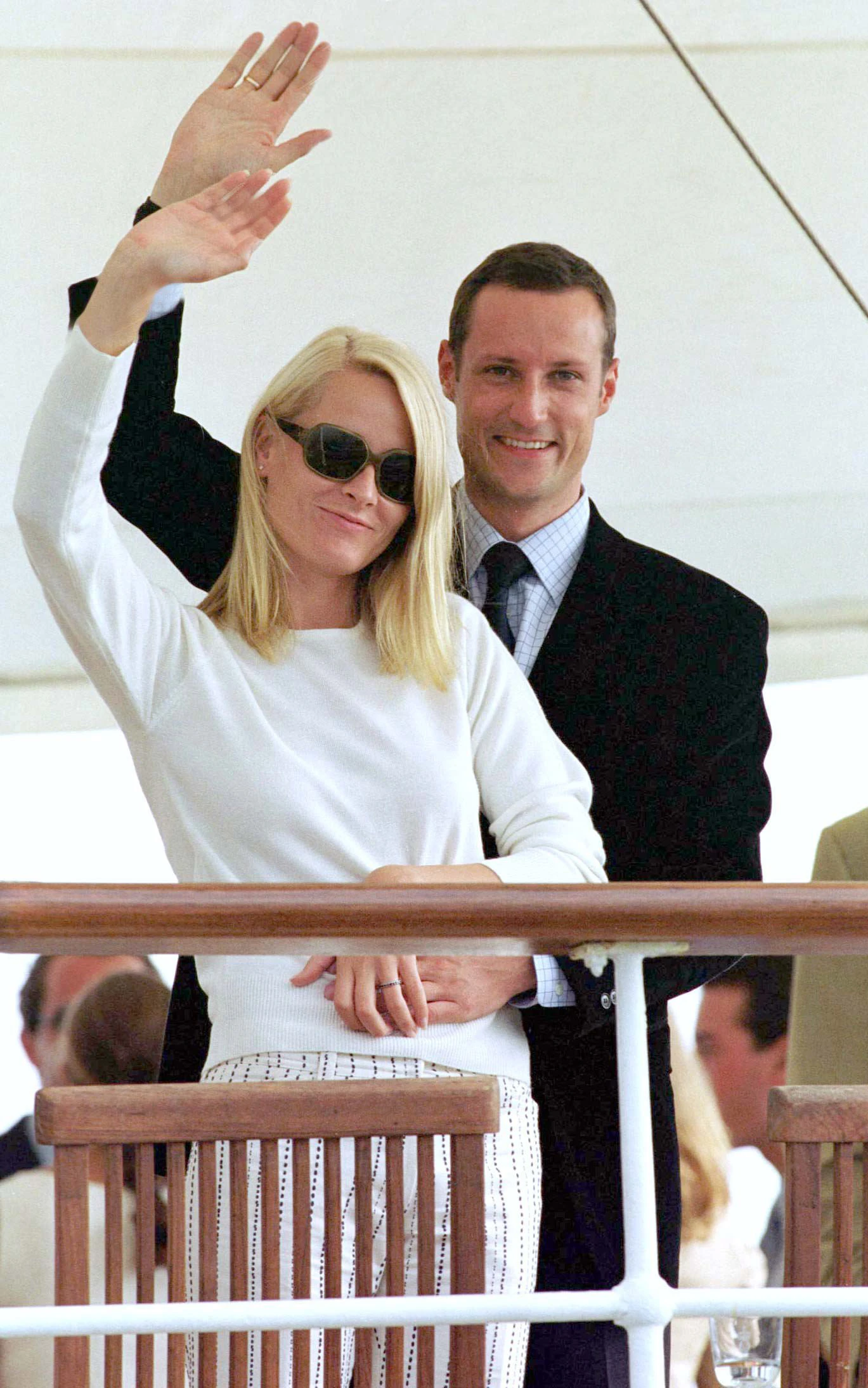
In fact, Haakon himself had said that he and Harald divided responsibilities “as if we were a team.” That experience makes his ascent to the throne unsurprising: he has spent years preparing to become king.
Following his father’s death, Haakon confirmed that he would adopt the name Haakon VIII and would keep the motto chosen by Harald, his grandfather and great-grandfather: Alt for Norge (“All for Norway”).
His accession comes at a particularly challenging moment for the royal family, which in recent years has been entangled in various controversies. Still, the new monarch faces the task of continuing an institution that enjoys strong popular support, albeit somewhat lower than in previous years.
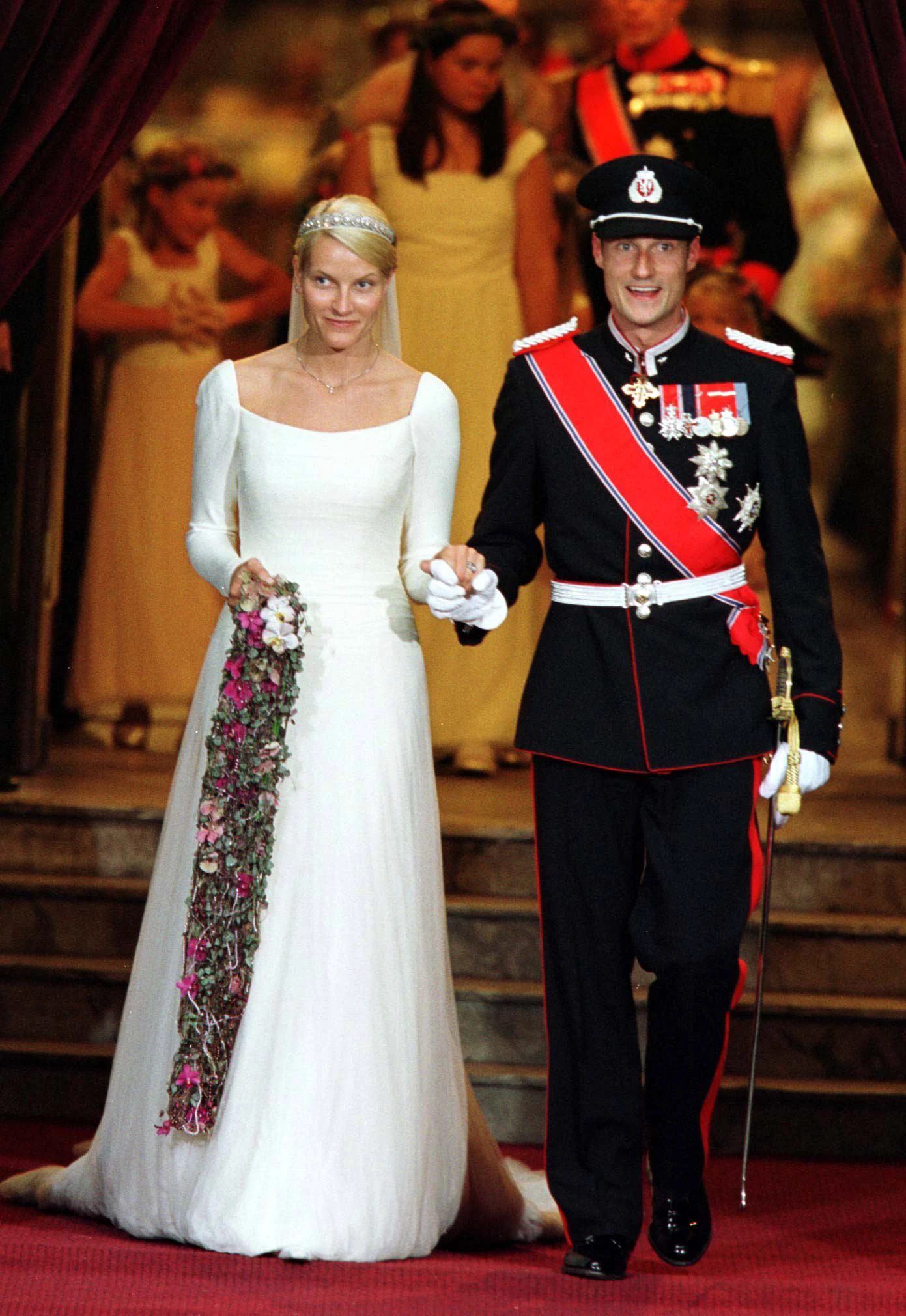
Ingrid Alexandra: the New Heir to the Throne
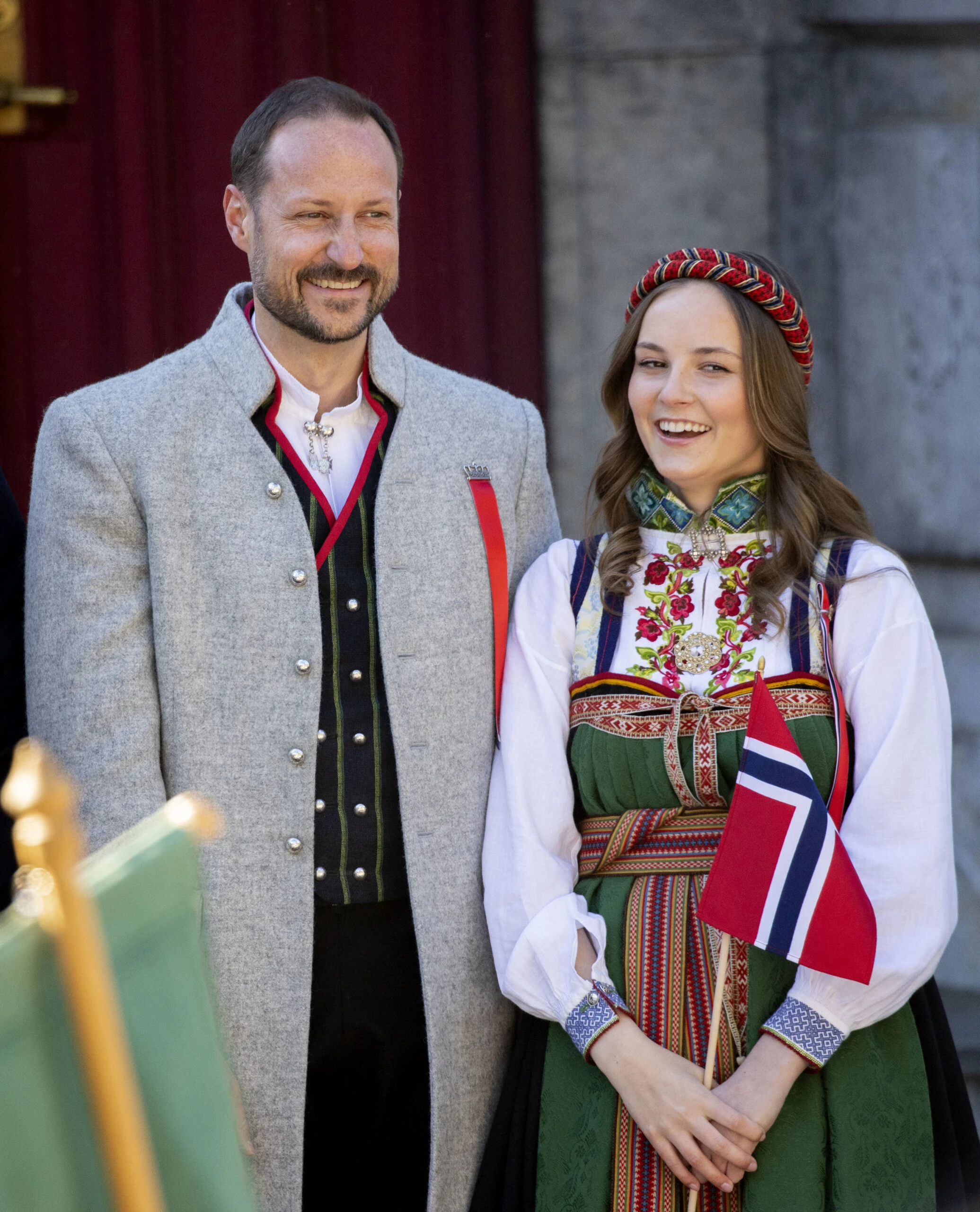
With Haakon now king, the next name in the line of succession is Princess Ingrid Alexandra, his eldest daughter, 22 years old.
The young woman thus becomes Norway’s new princess heir, and if she eventually ascends to the throne, she will stand as a historic figure: the first woman in the current line of succession with the potential to become Norway’s reigning queen.
Norway’s succession was amended in 1990 to establish gender equality. However, that change was not retroactive, so Haakon retained ahead of his elder sister, Princess Märtha Louise.
Ingrid Alexandra is the daughter of Haakon and Princess Mette-Marit and has a younger brother, Prince Sverre Magnus, who is 20 years old.
Queen Sonja, Harald’s Great Companion
For more than half a century, Sonja Haraldsen stood by Harald’s side.
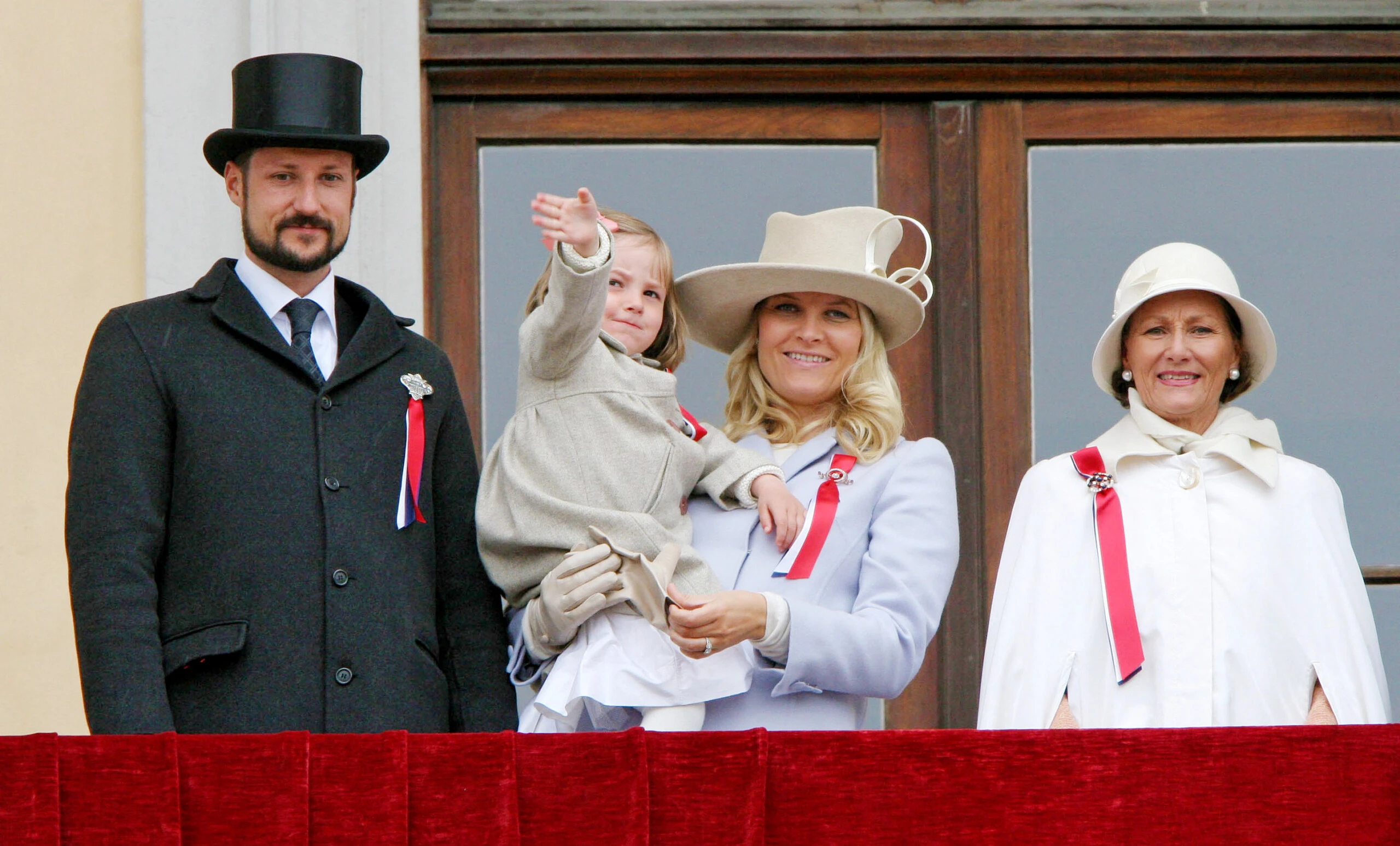
Her love story was unconventional for a royal family. Sonja did not belong to royalty: she was the daughter of a textile entrepreneur, and she met Harald in 1959, when both were 22.
The couple maintained a relationship for nearly a decade, much of it clandestine, because the royal family opposed the heir marrying a commoner. Eventually, Harald even considered renouncing his dynastic rights if he could not marry her. The wedding took place on August 28, 1968.
Since then, Sonja became one of the central figures of the Norwegian monarchy. After Harald’s death, her family is led by the new king Haakon VIII.
The Family Leading the Crown
The new structure of the Norwegian Royal House centers on the following members:
- Haakon VIII, 53 years old, the new King of Norway.
- Mette-Marit, wife of Haakon and new Queen Consort, though her health raises questions about the scope of her future duties. She recently underwent a lung transplant.
- Ingrid Alexandra, 22 years old, the new Princess Heir.
- Sverre Magnus, 20 years old, Haakon and Mette-Marit’s second son.
- Märtha Louise, daughter of Harald and Sonja and Haakon’s elder sister, who has stepped back from official duties for the Royal Family.
- Durek Verrett, Märtha Louise’s husband, whom the princess married in 2024.
- Marius Borg Høiby, Mette-Marit’s son from a previous relationship and, therefore, Haakon’s stepson.
The family reaches the crown transition after several particularly difficult years. Mette-Marit faced scrutiny over her past associations with Jeffrey Epstein, while her son Marius Borg Høiby was convicted this year of sex offenses.
Harald V: The King Who Wanted to Remain on the Throne Until the End
Harald V was born on February 21, 1937, in Skaugum, near Oslo. He was the first Norwegian crown prince born in the country in roughly 600 years.
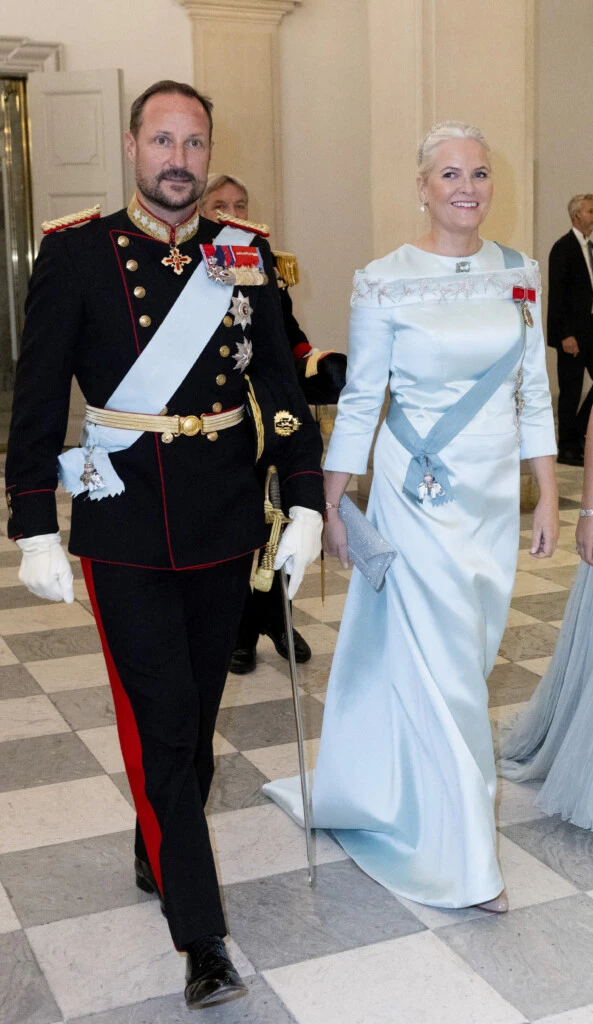
His childhood was shaped by World War II. When Germany invaded Norway in 1940, his father, then Crown Prince Olav, and his grandfather, King Haakon VII, went into exile in London with the Norwegian Government. Harald traveled with his mother and sisters to the United States, where he stayed for part of the war.
In 1957, after Haakon VII’s death, his father became King Olav V and Harald became heir to the throne. In 1991, after his father’s passing, he ascended the throne.
During his 35-year reign, Harald cultivated a close, modern image. He was particularly valued for his speeches on equality, tolerance, and unity, and for his manner of standing with Norwegians in times of immense grief, such as the July 22, 2011 attacks.
He was also passionate about sailing and represented Norway at the Olympic Games. Even after facing numerous health challenges, he continued to perform his duties and had made clear that he did not intend to abdicate.
A New Era for the Norwegian Monarchy
With the arrival of Haakon VIII, Norway enters a new chapter. The transfer of the Crown is immediate and constitutional, as the country is in a period of mourning for a king who for decades held a very high personal regard among the people.
Haakon’s first challenge will be to continue that legacy, but also to navigate a period in which the royal family must rebuild trust after several controversies.
For now, one image encapsulates the generational shift: Harald V steps down after 35 years and his son Haakon VIII takes the crown, with Ingrid Alexandra as the new heir to a monarchy entering a new era.