
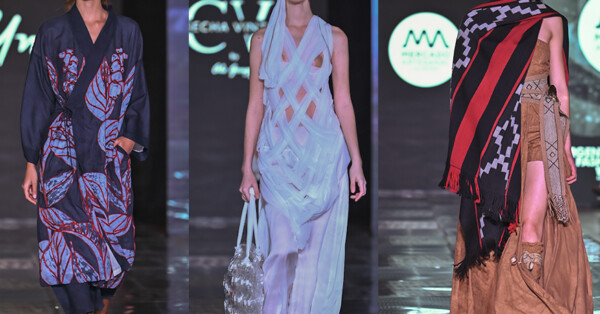
Sustainable fashion took a central role at the 67th edition of Argentina Fashion Week with AMSOAR’s Institutional Runway, the Association for Sustainable Fashion Argentina, a proposal that brought together designers, artisans and projects working on a new way of creating.
With production by Argentina Fashion Week, led by Héctor Vidal Rivas and Gustavo Cersócimo, and curatorship by Ale Gougy, the runway staged different ways of understanding sustainability: from textile recovery and upcycling to the preservation of artisanal techniques, the use of natural dyes and the enhancement of cultural identities.
The proposal showed that talking about sustainable fashion also means talking about craft, territory, memory and creativity. Each collection found a different way to transform materials, techniques and know-how into contemporary pieces.
La Pampa Artisan Market: the art of weaving identity
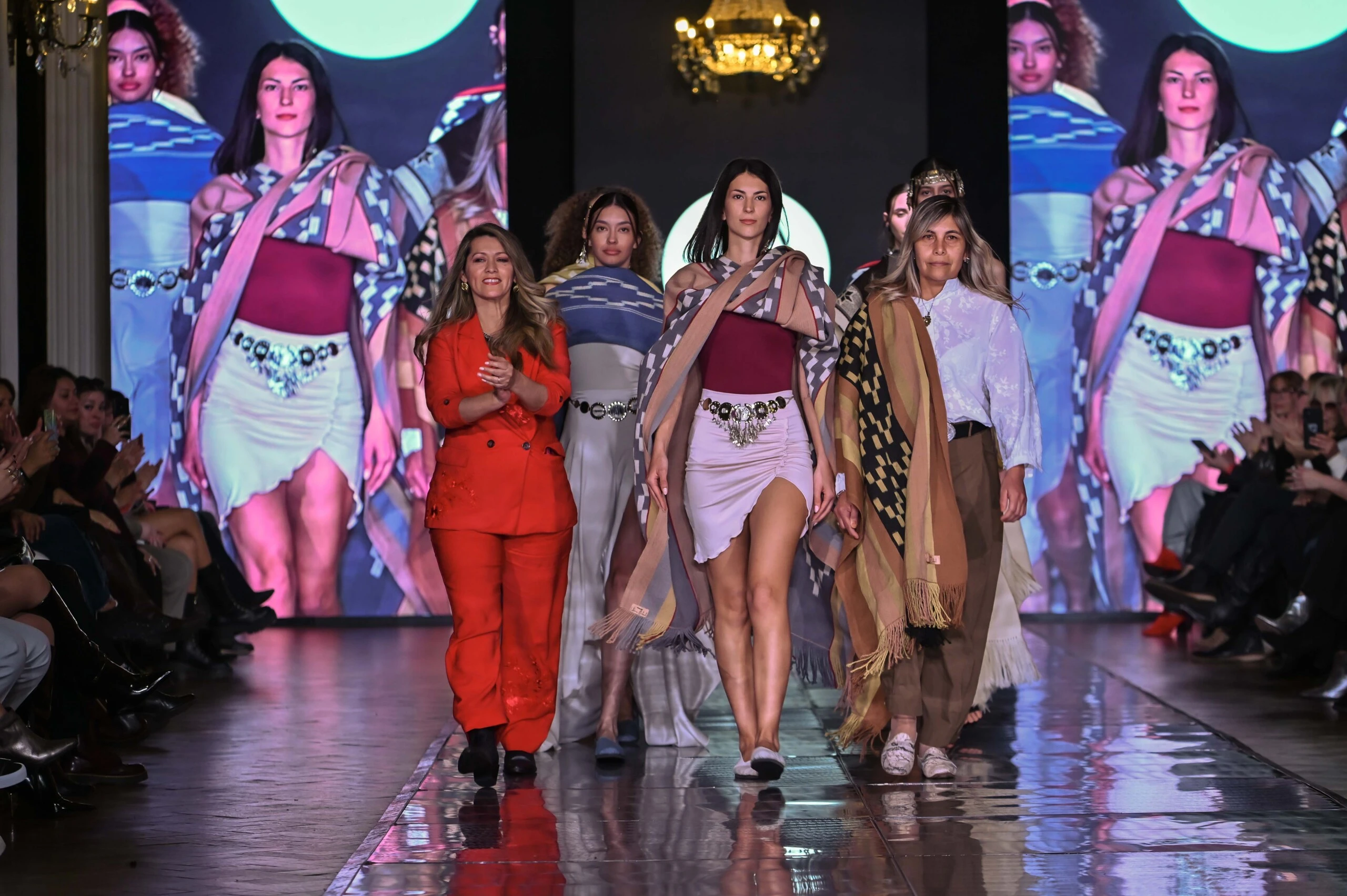
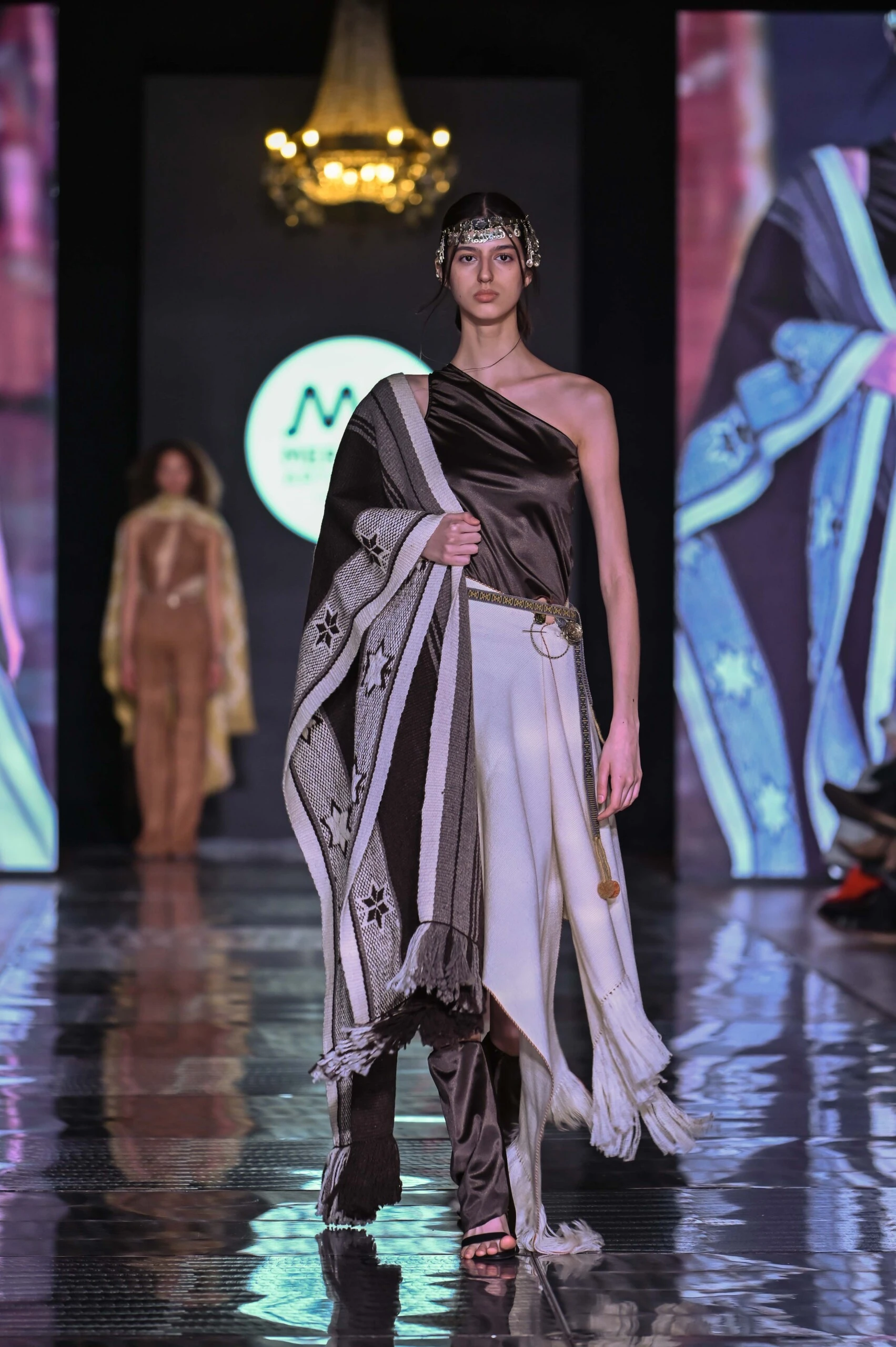
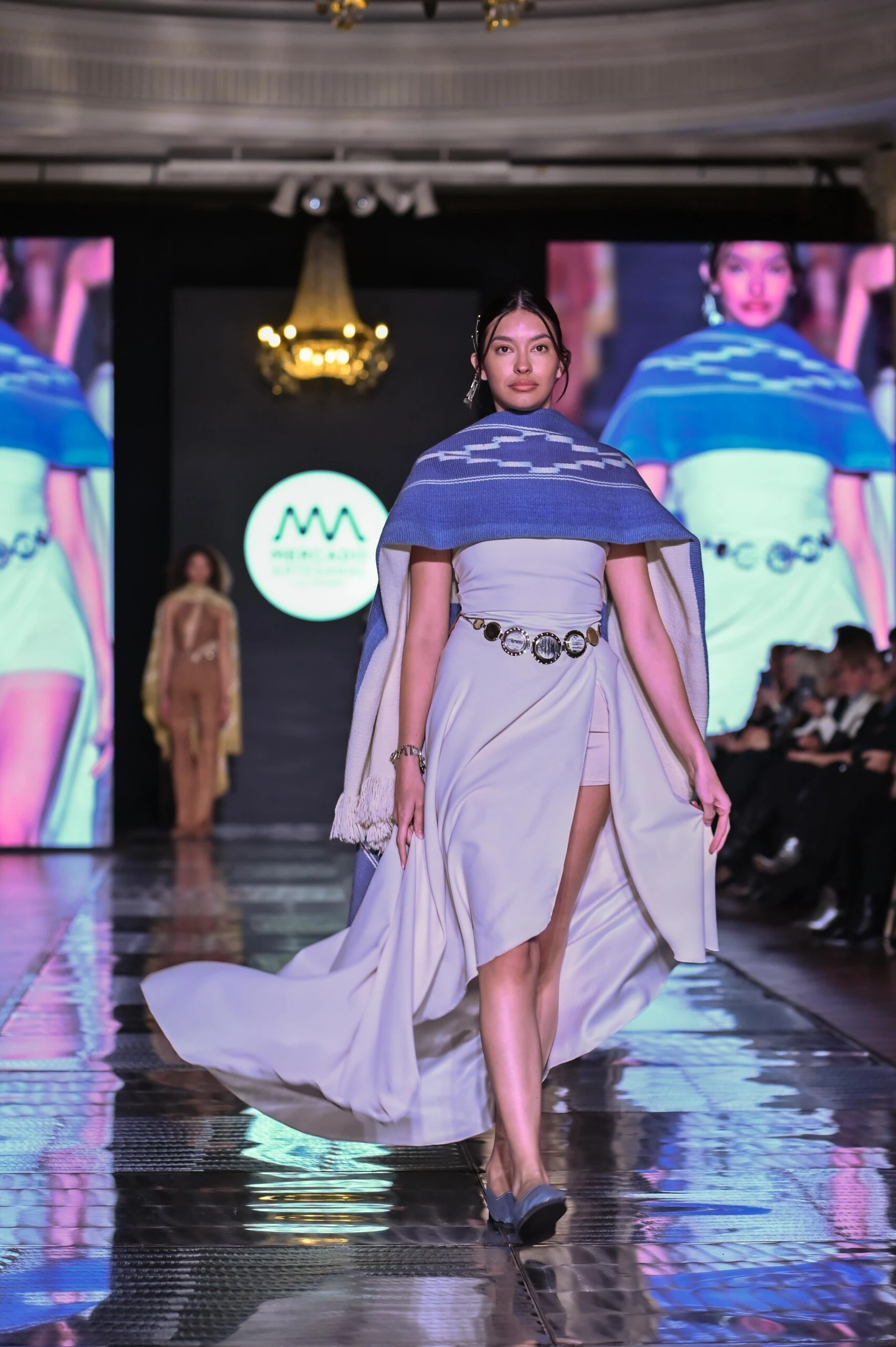
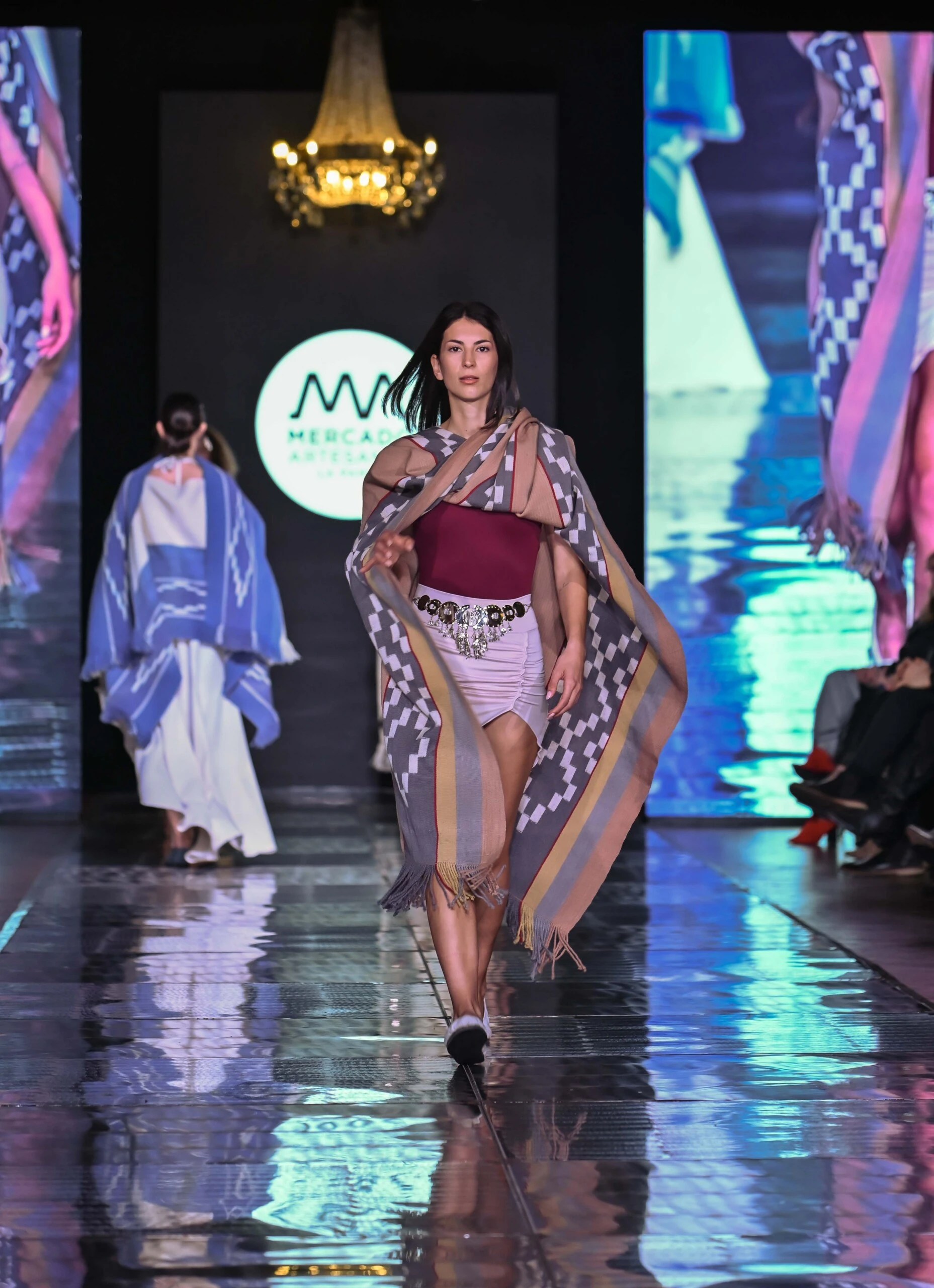
With La Pampa Teje, the La Pampa Artisan Market brought to the runway the work of weavers and craftswomen from the province.
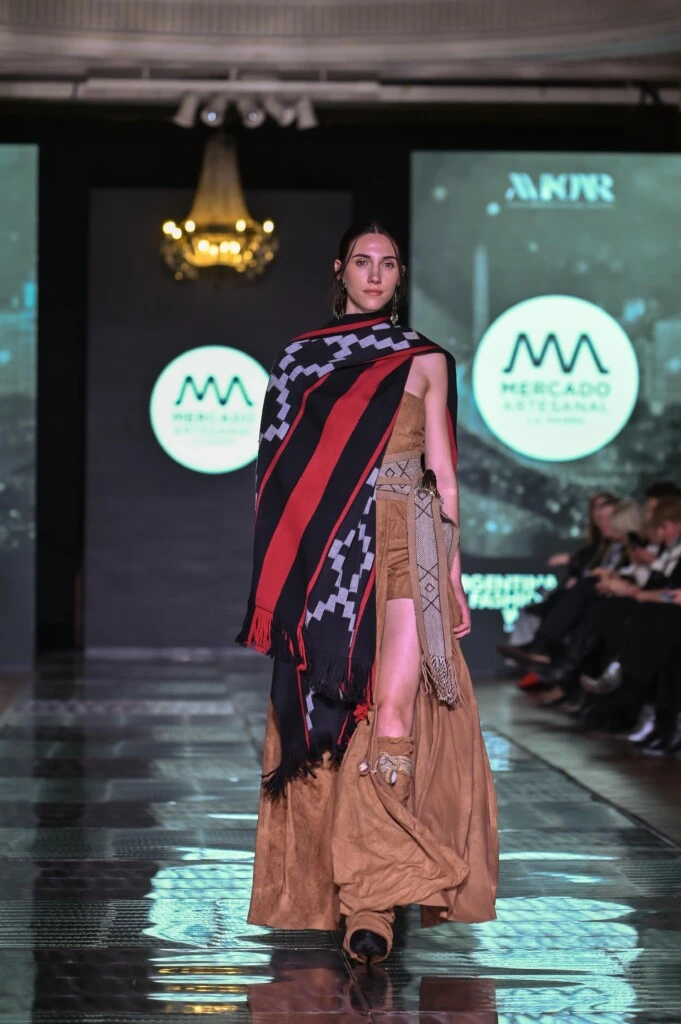
The collection gathers ponchos and hand-made wool blankets crafted on a traditional loom. The colors arise from natural dyes derived from native plants, along with anilines.
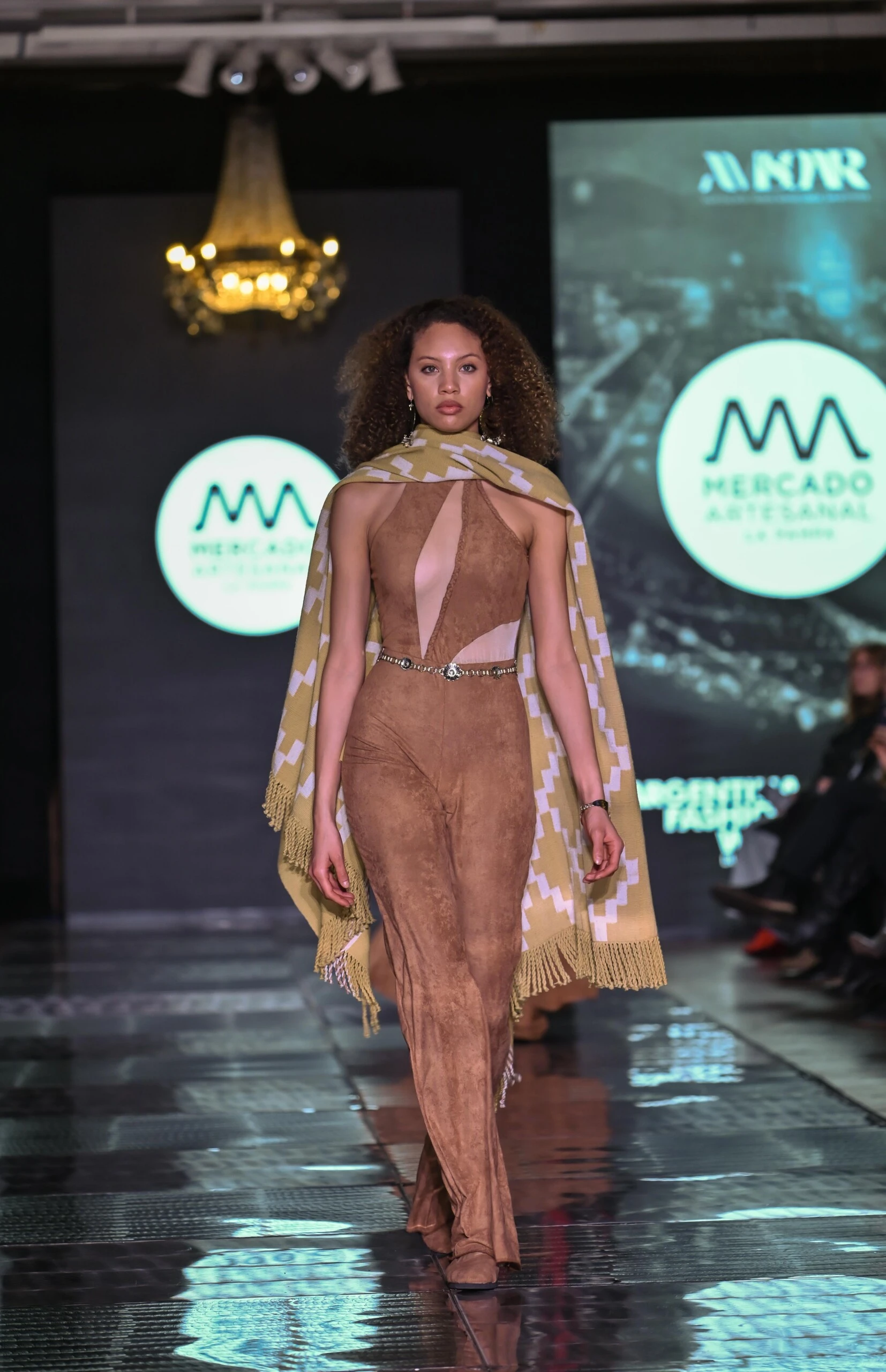
The textures and hues thus become an expression of La Pampa’s identity and of a know‑how handed down through generations.
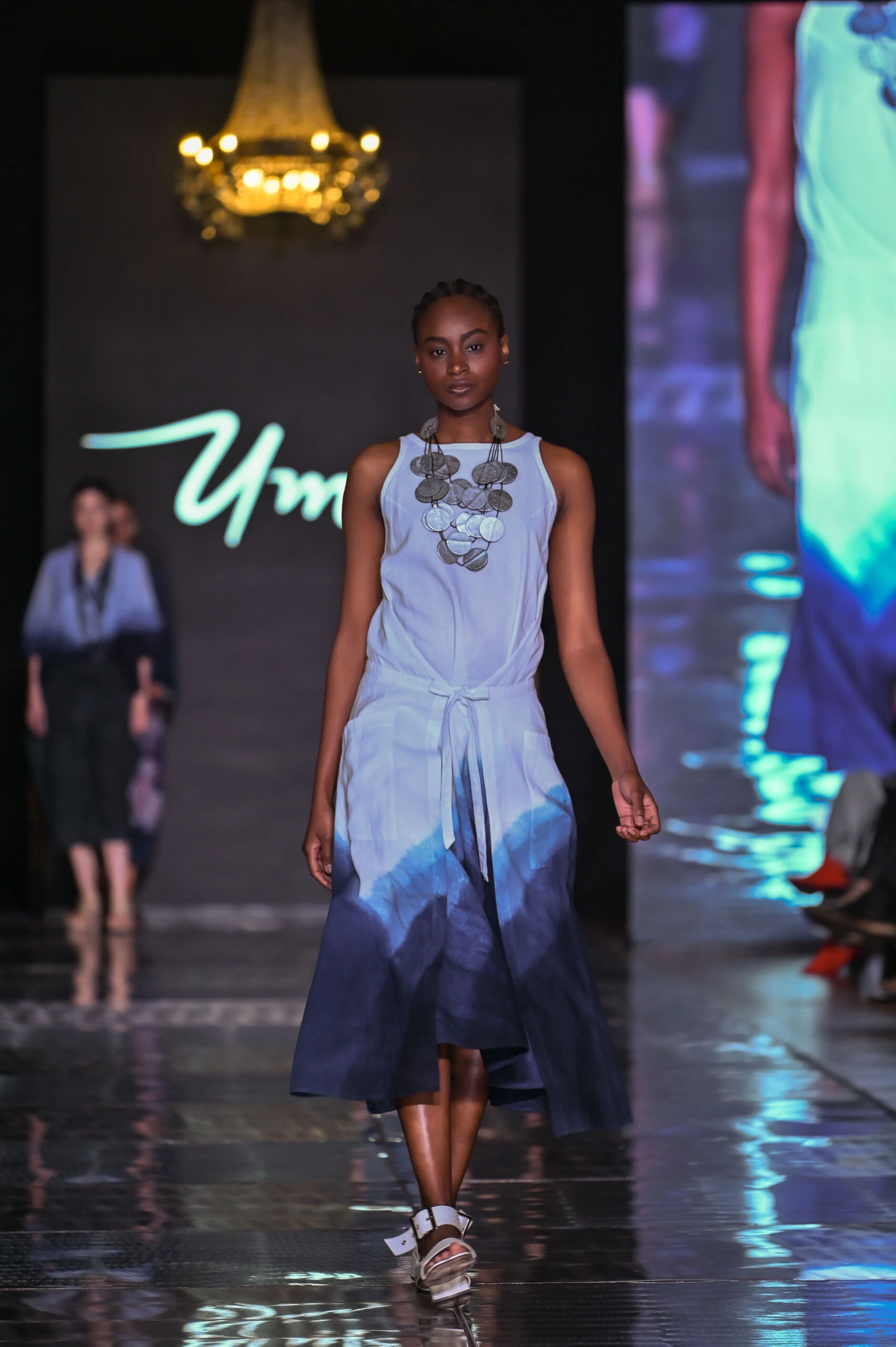
UME: natural materials and the color born from Indigo
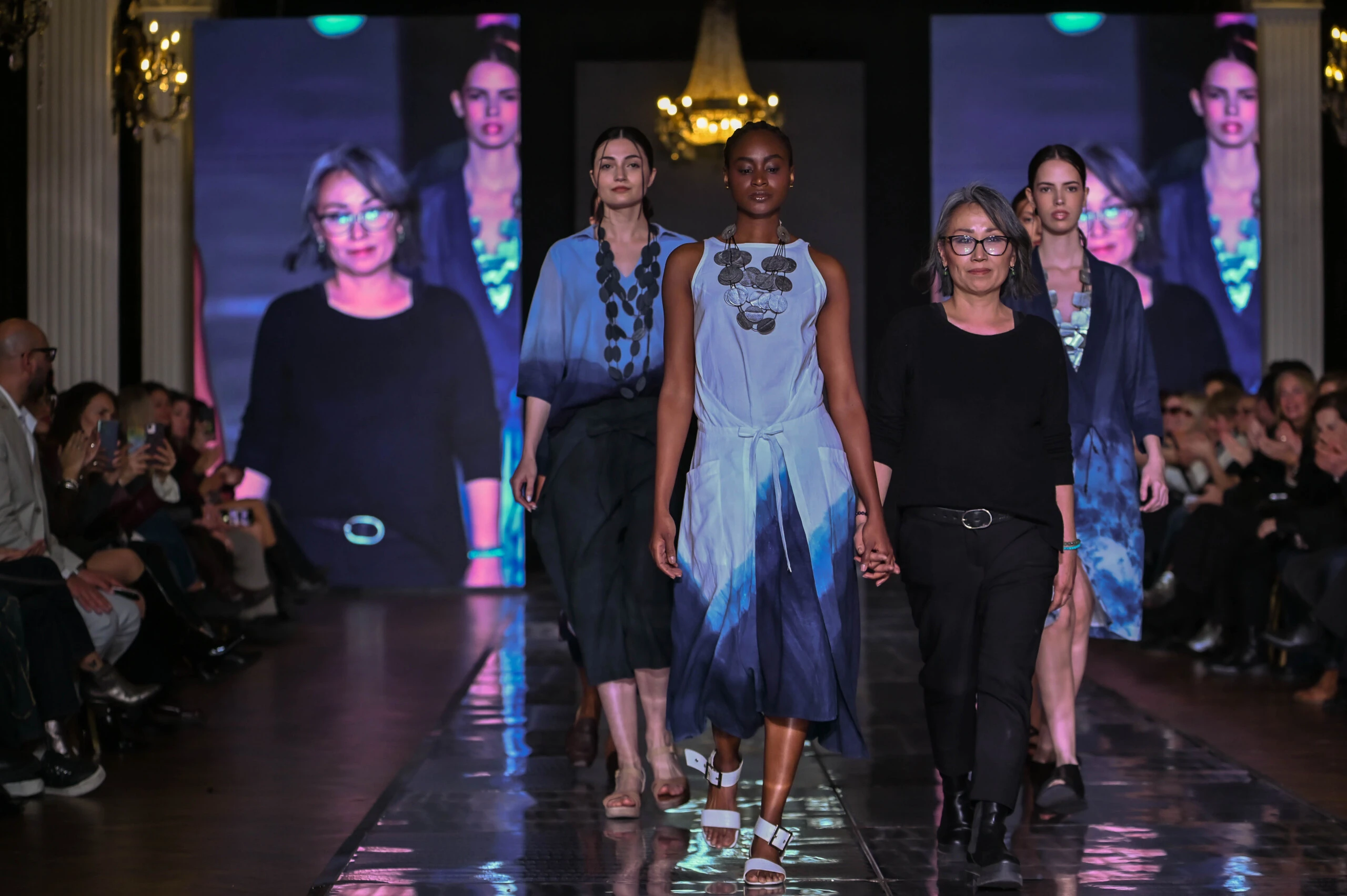
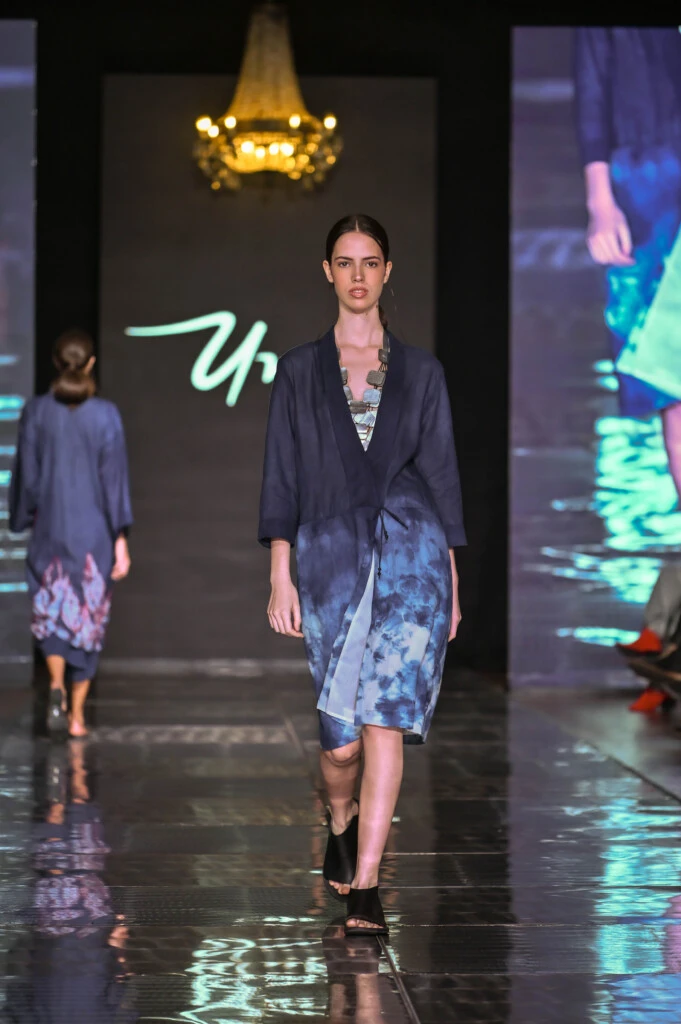
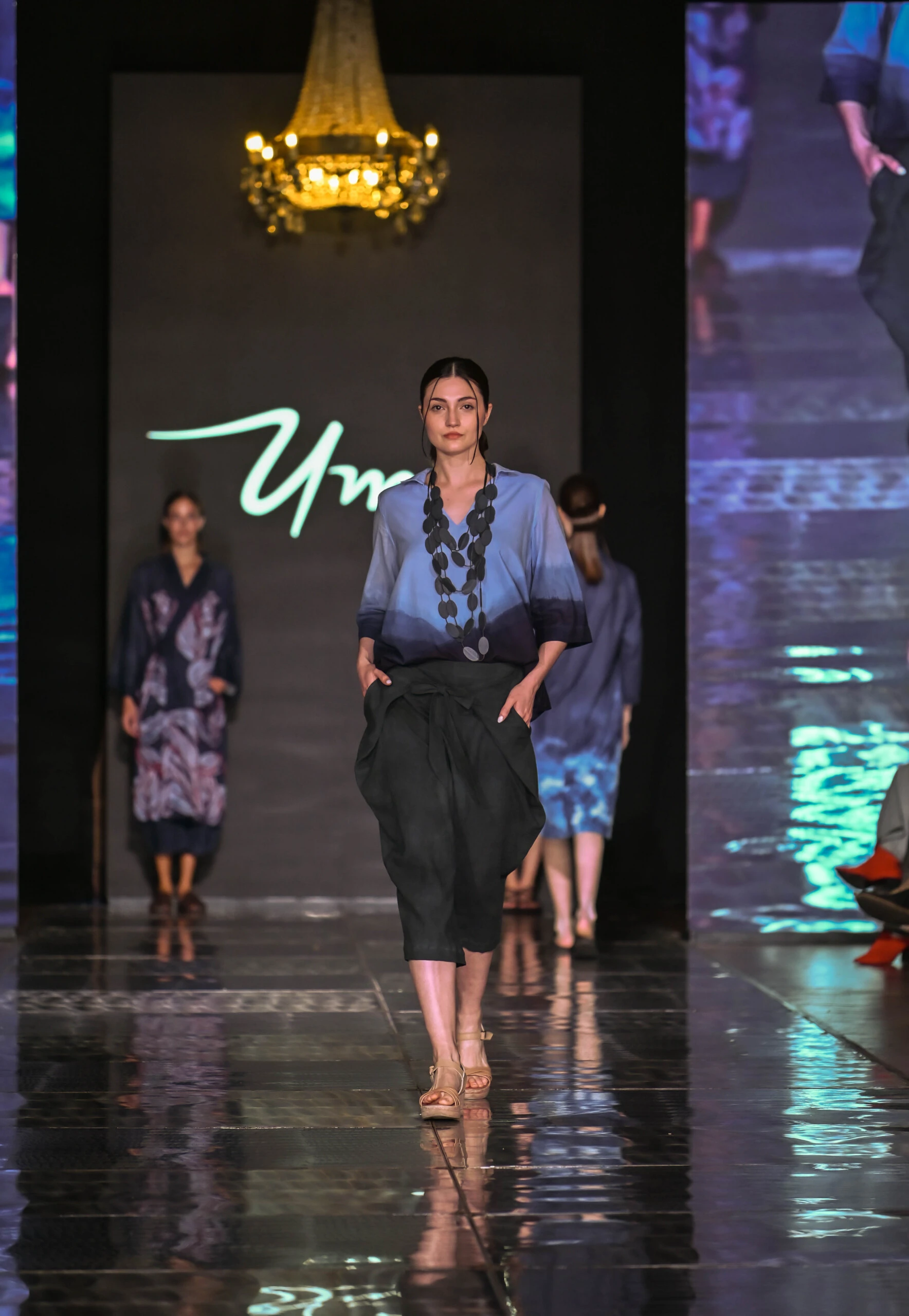
Designer Ana Cho presented Prana, a collection made entirely from natural materials.
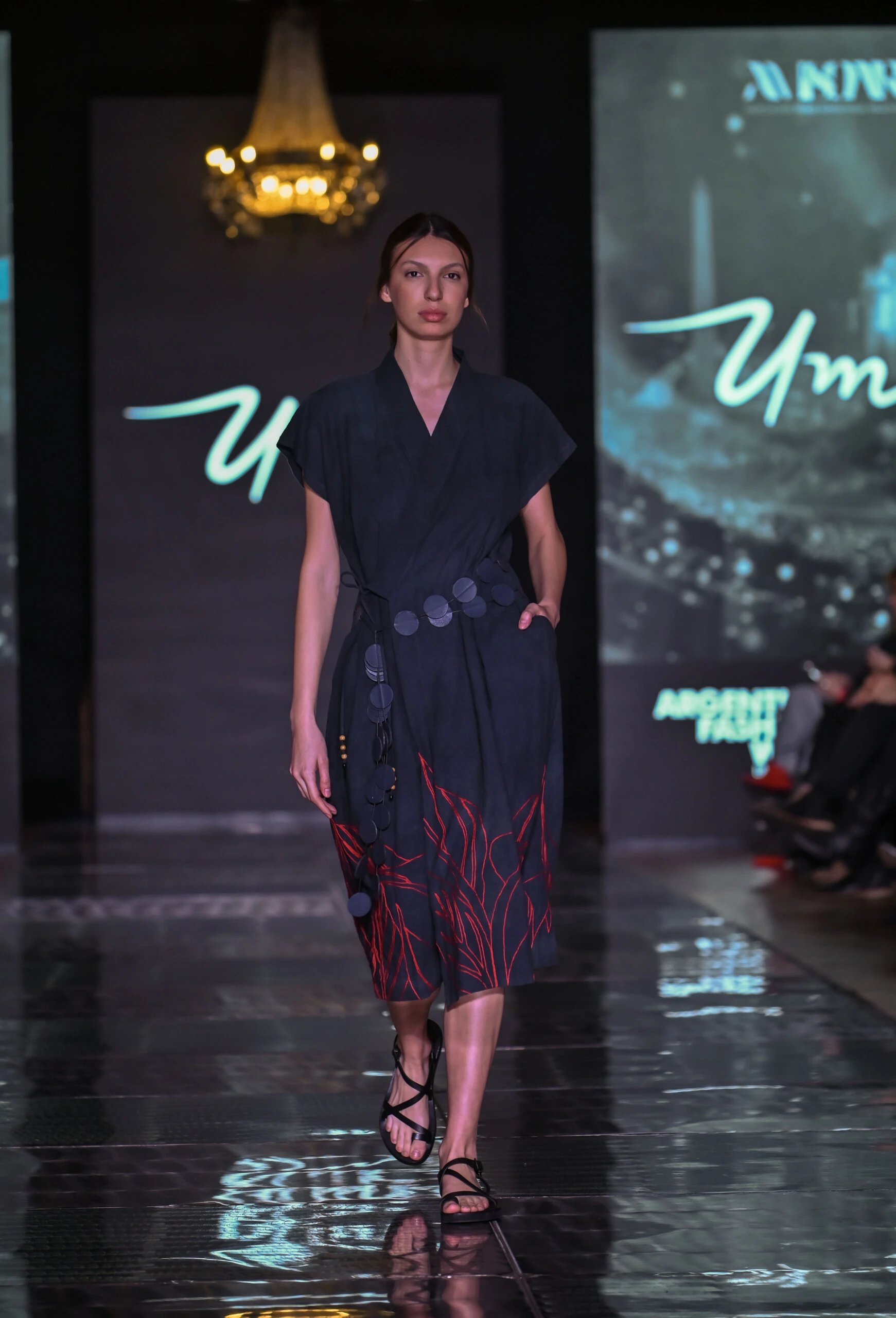
One of its protagonists is natural indigo, a dye that reveals its color upon contact with air after washing. Added to this are techniques such as gradient, batik and shibori, as well as hand embroidery with Peruvian cotton threads.
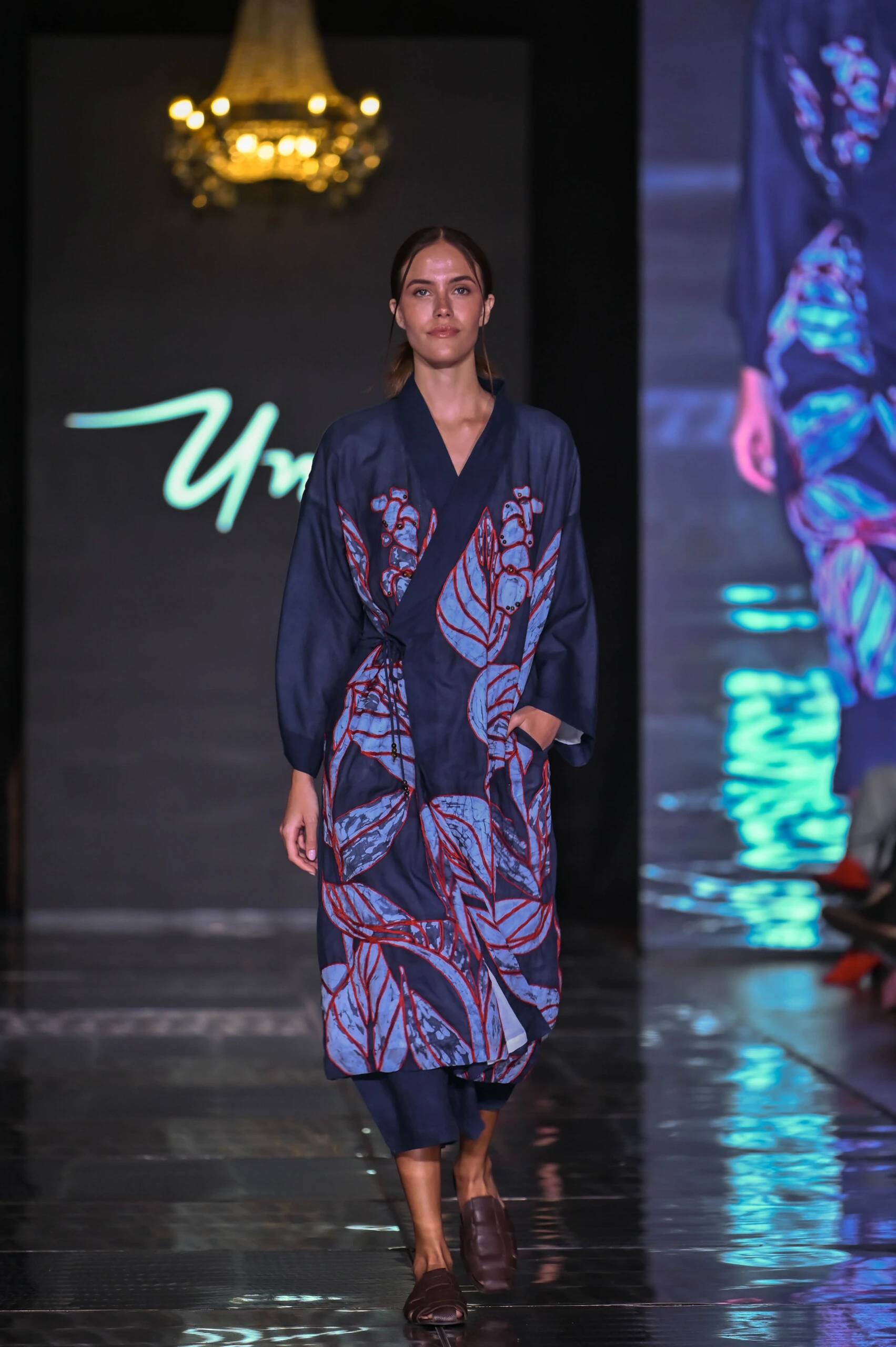
Each piece is handcrafted, reinforcing the idea of fashion where the process itself adds value to the design.
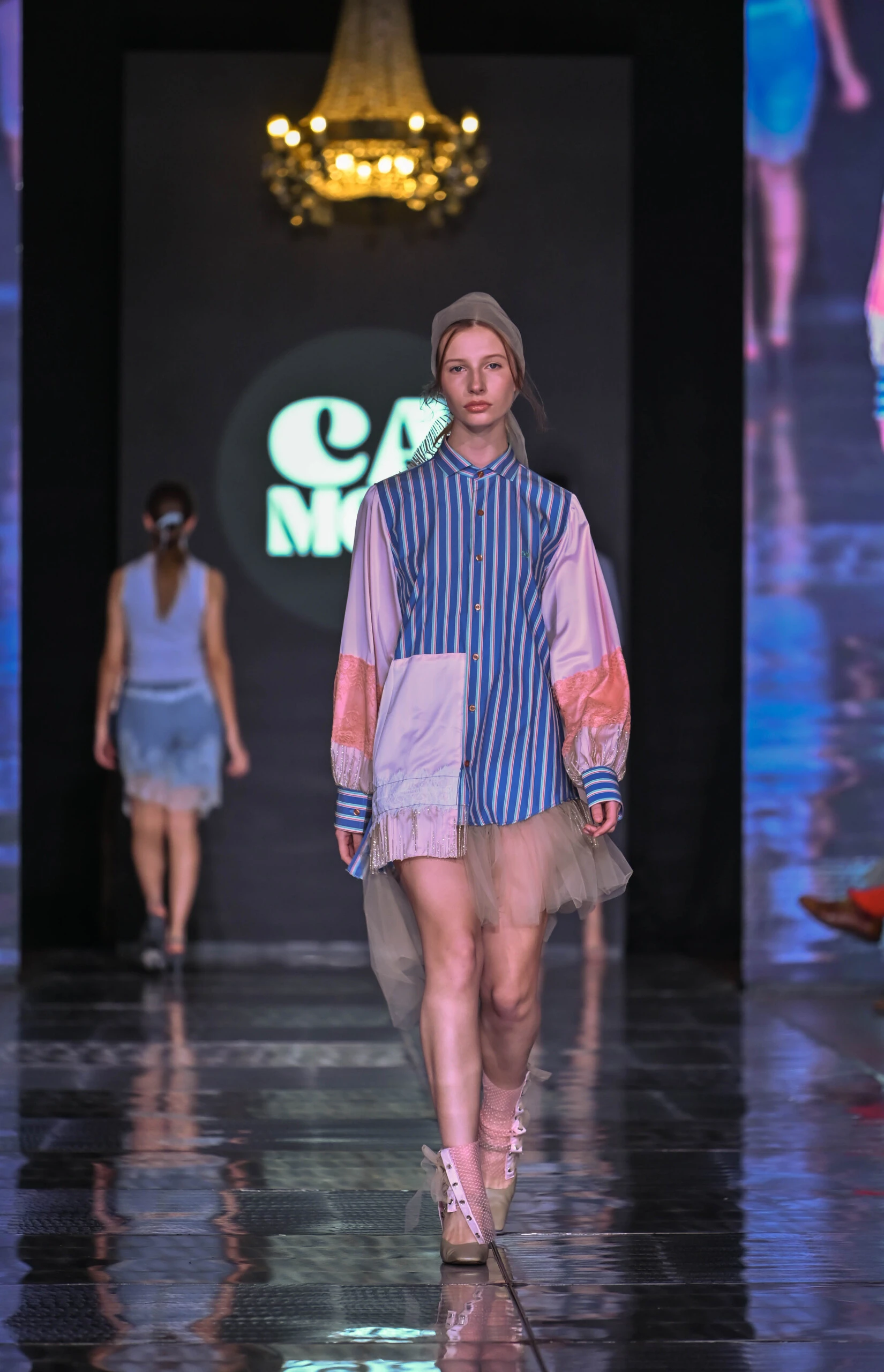
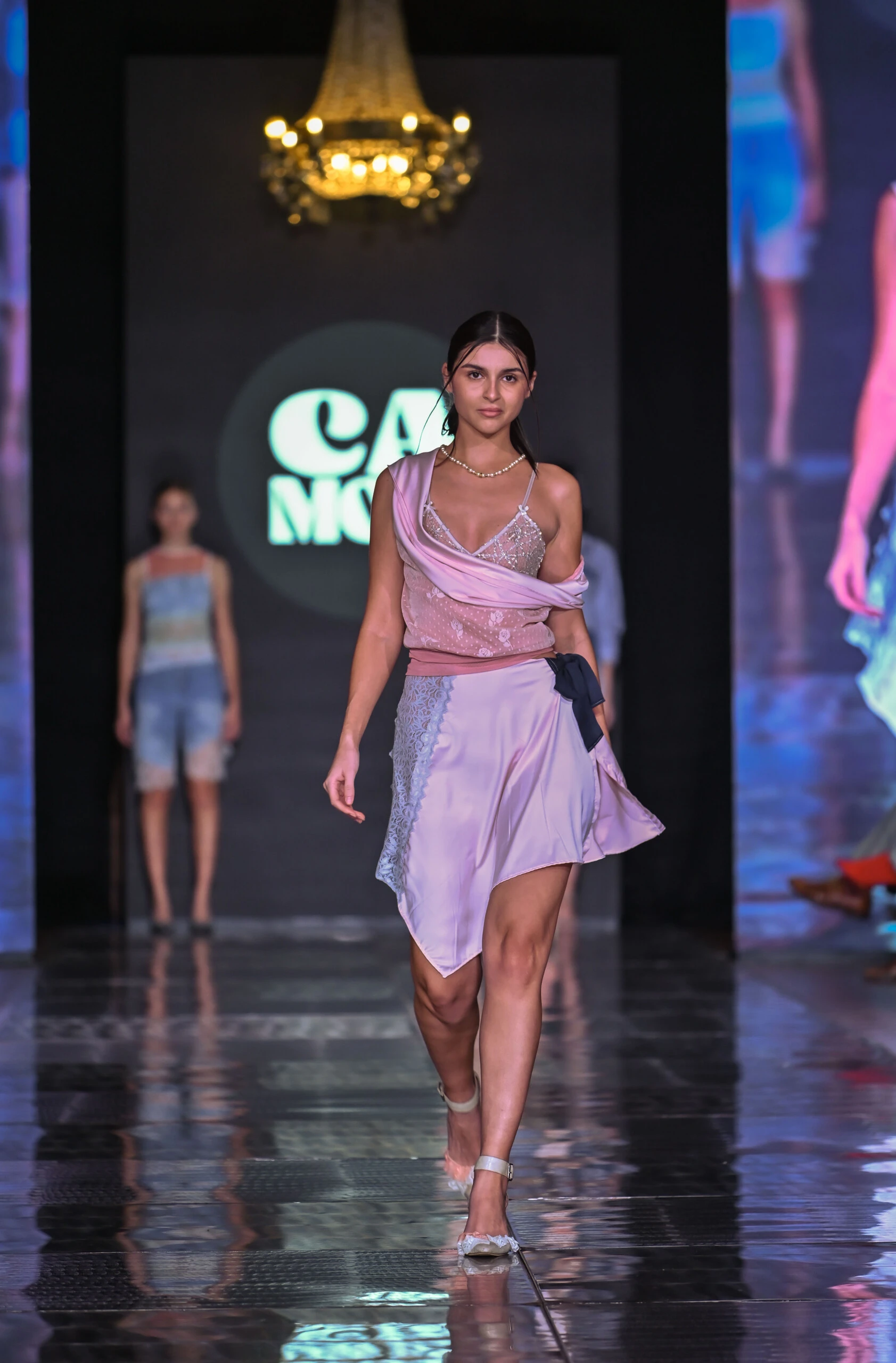
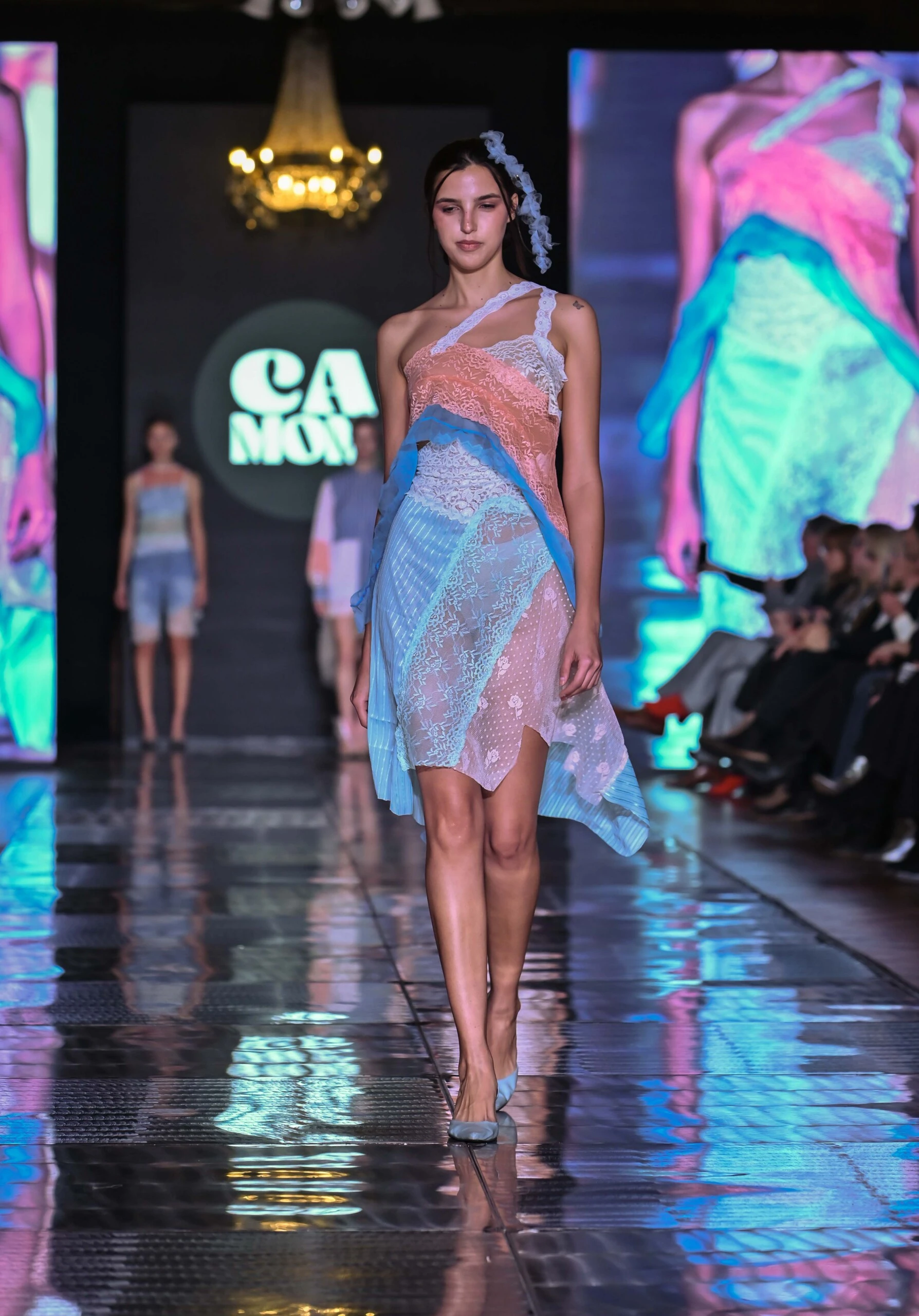
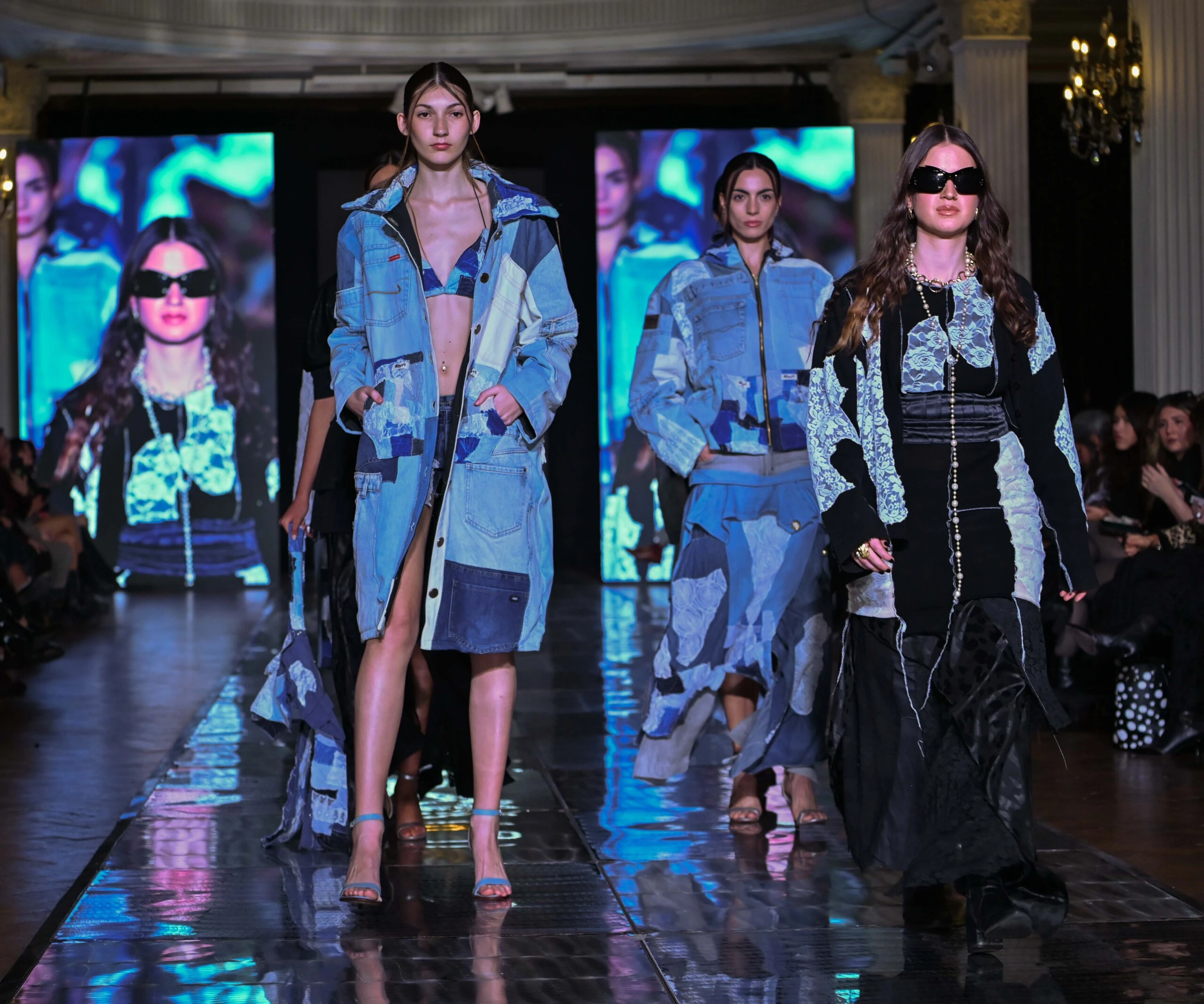
CAMOM: when reclaimed denim becomes something new
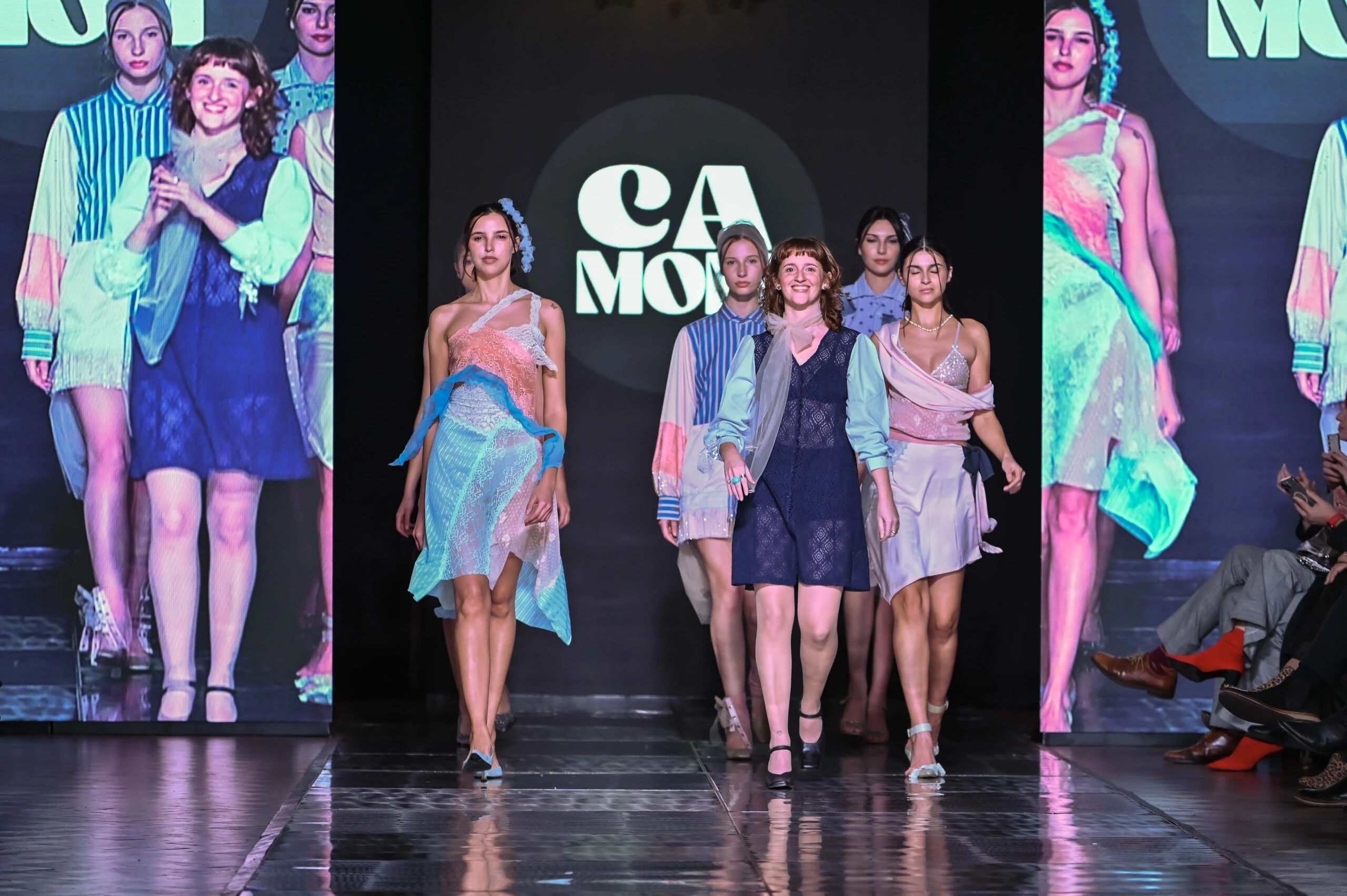
The Universos en Trama proposal, by Camila Mombreani, deepened CAMOM’s experimental identity and upcycling ethos.
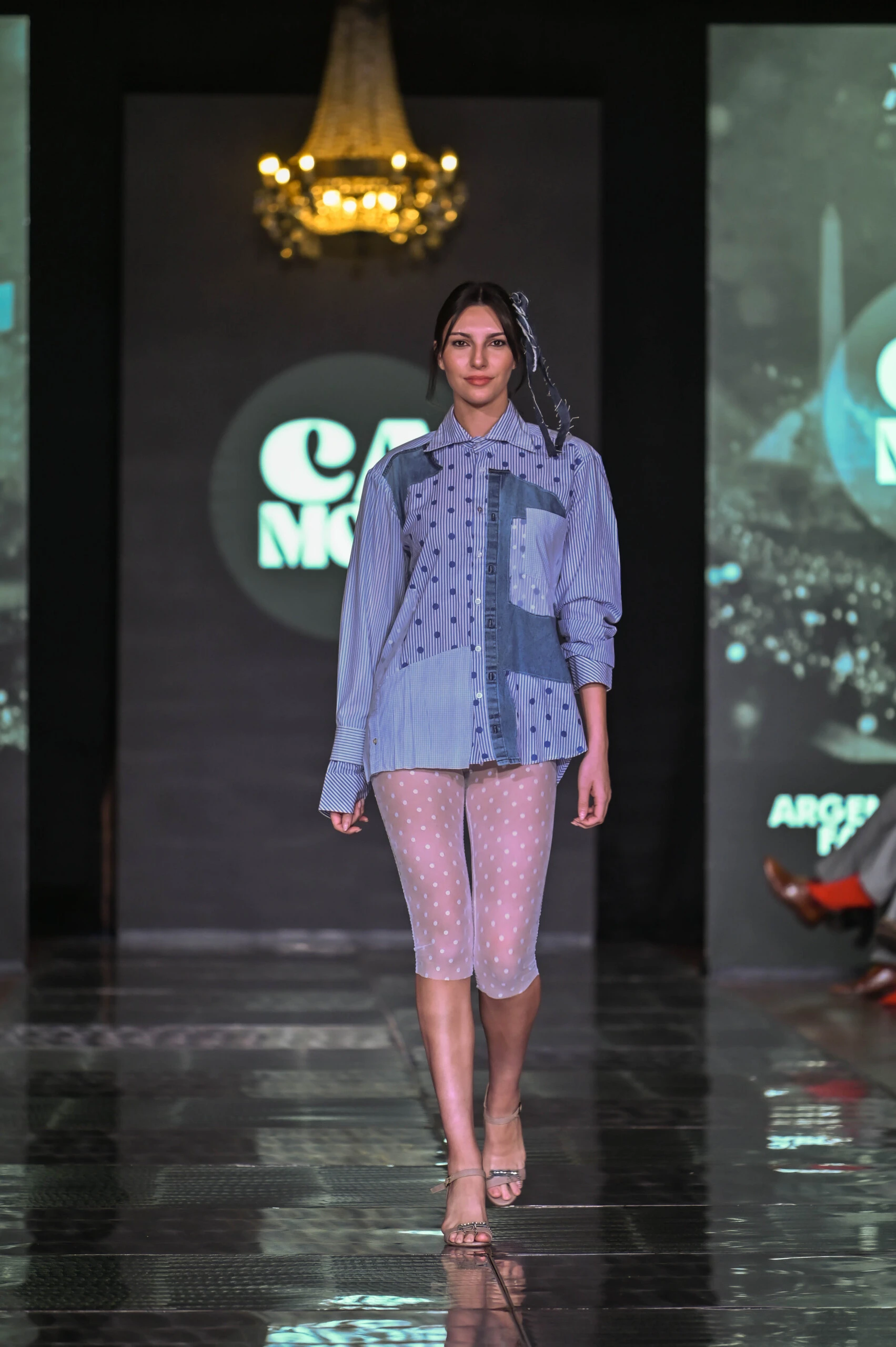
The brand primarily works with recovered denim, in addition to shirts, laces and other textiles that are intervened and interwoven to create new surfaces.
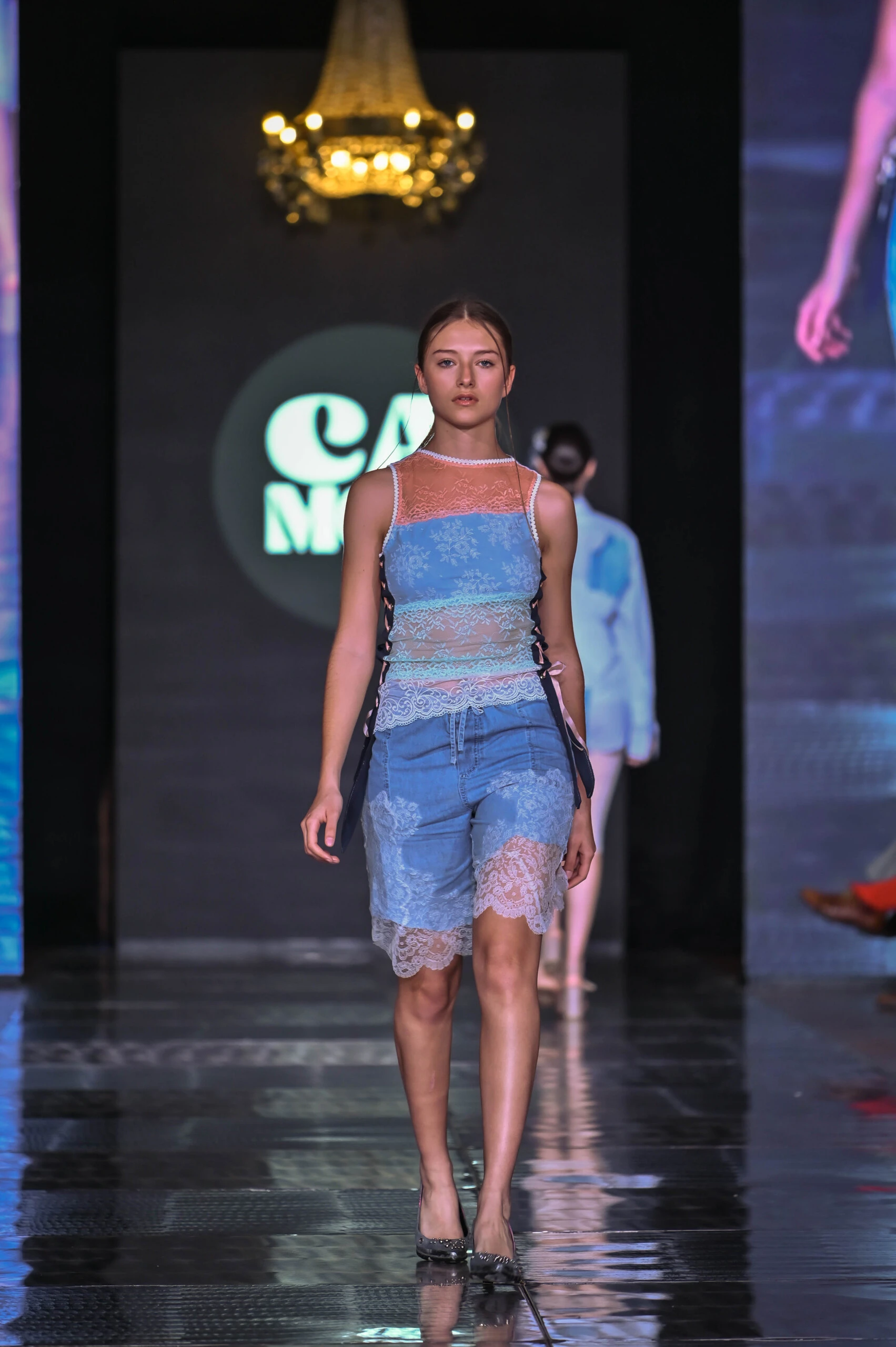
The result blends sensuality, experimentation and contemporary design to demonstrate that an existing material can find a new life and become a unique piece.
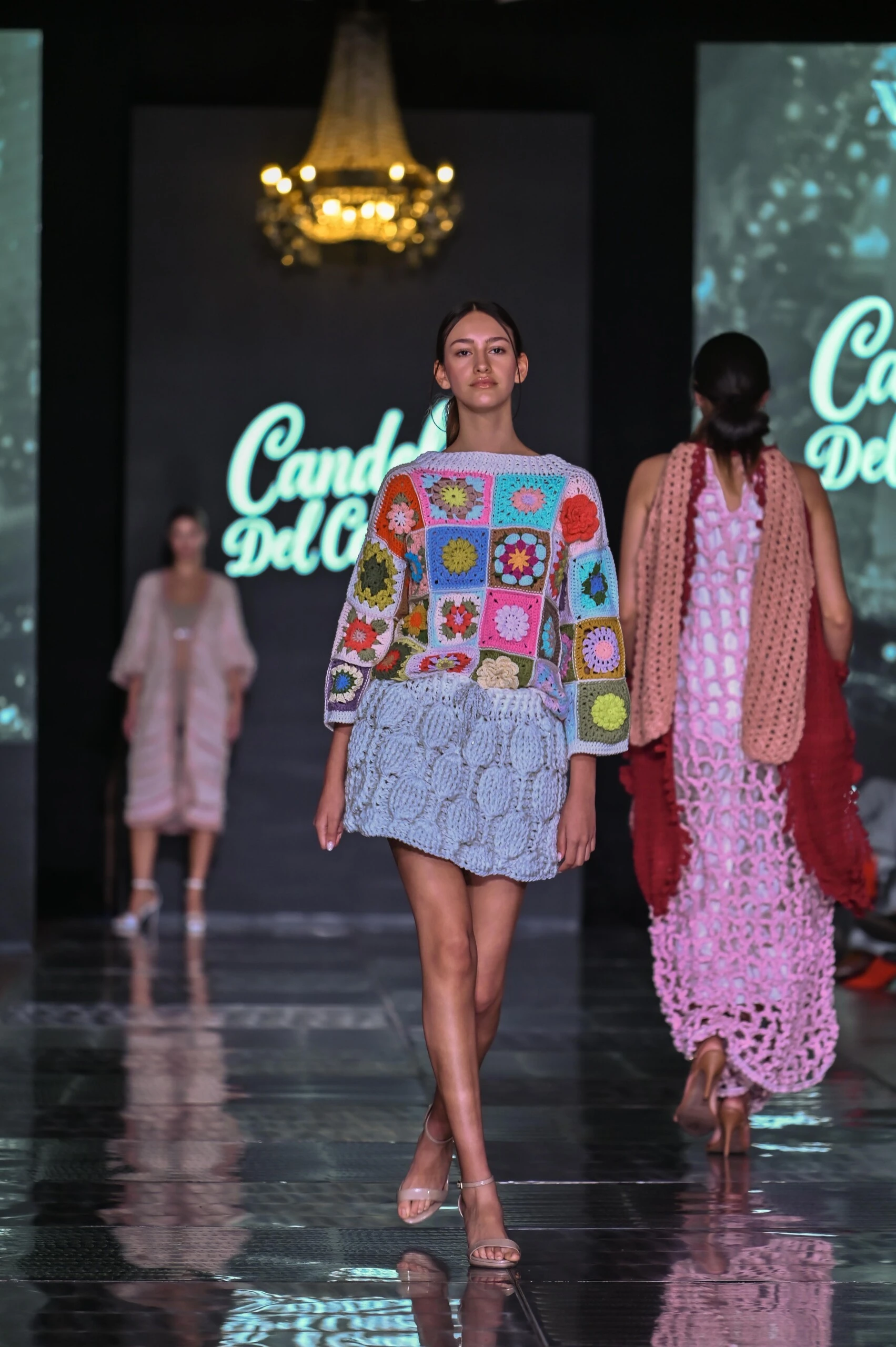
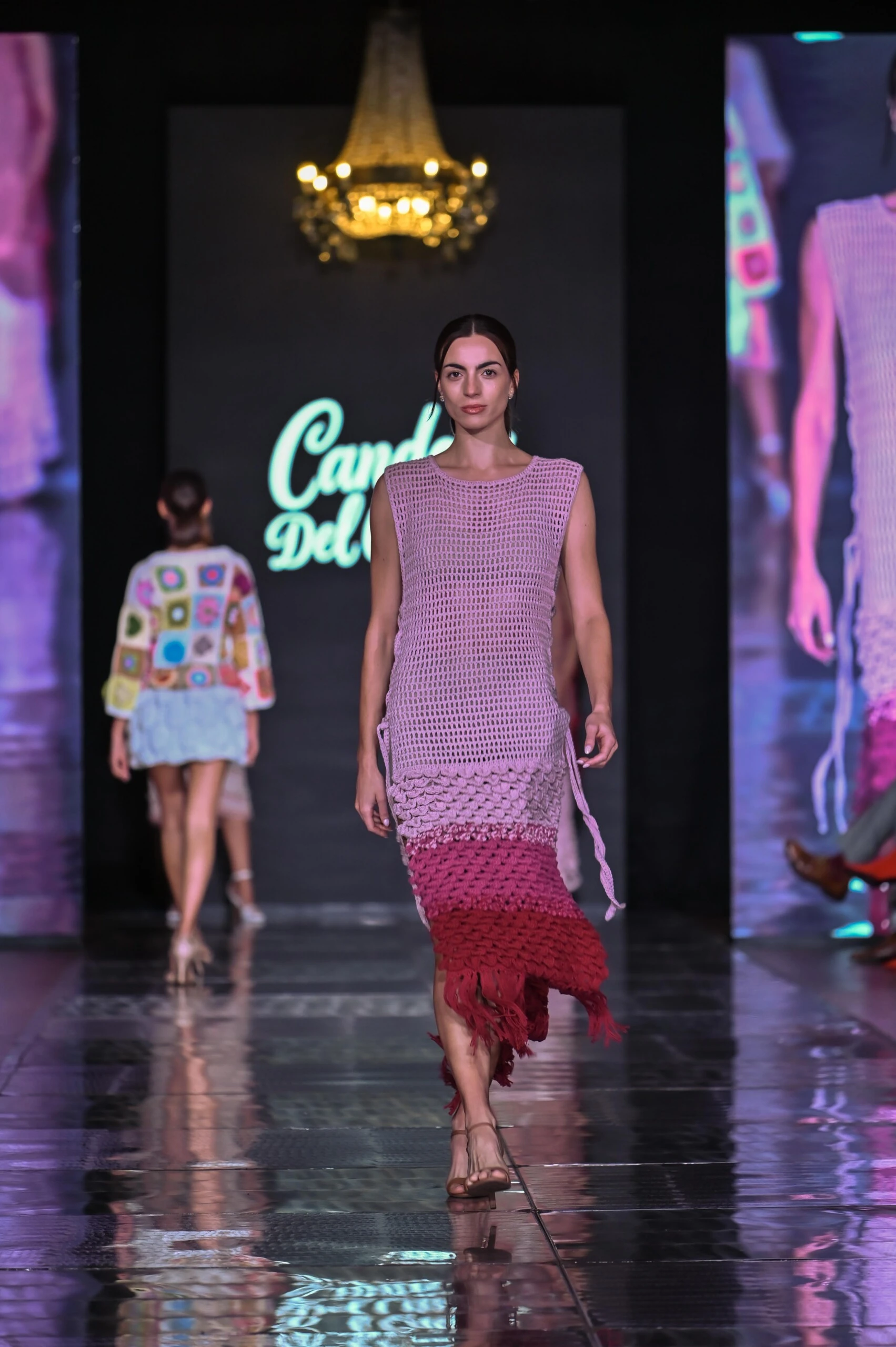
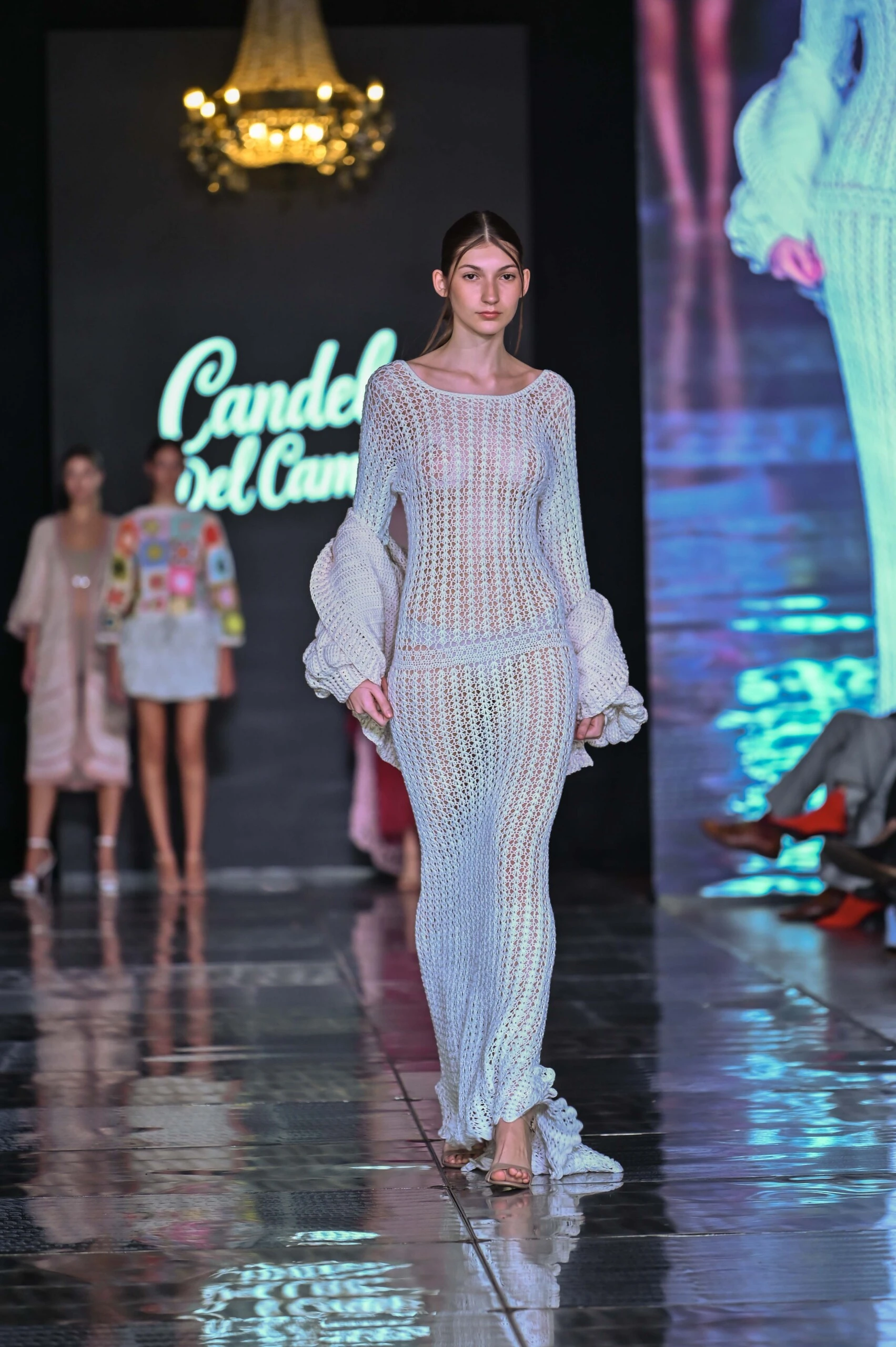
Candela Del Campo: a collection about women’s freedom
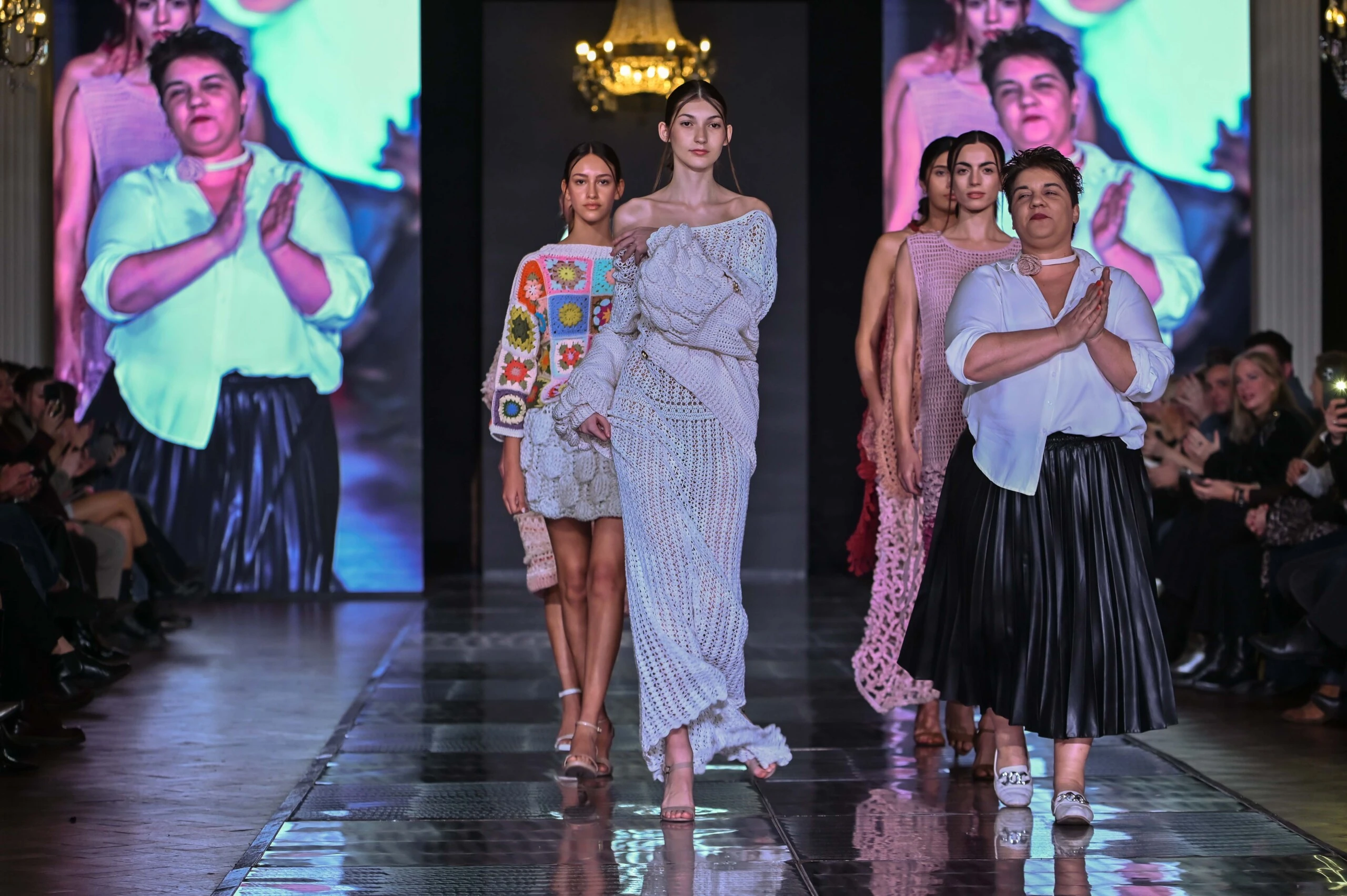
Free… but not that free! is part of a contradiction: the idea that a woman can show herself and stand out, but only to a certain limit.
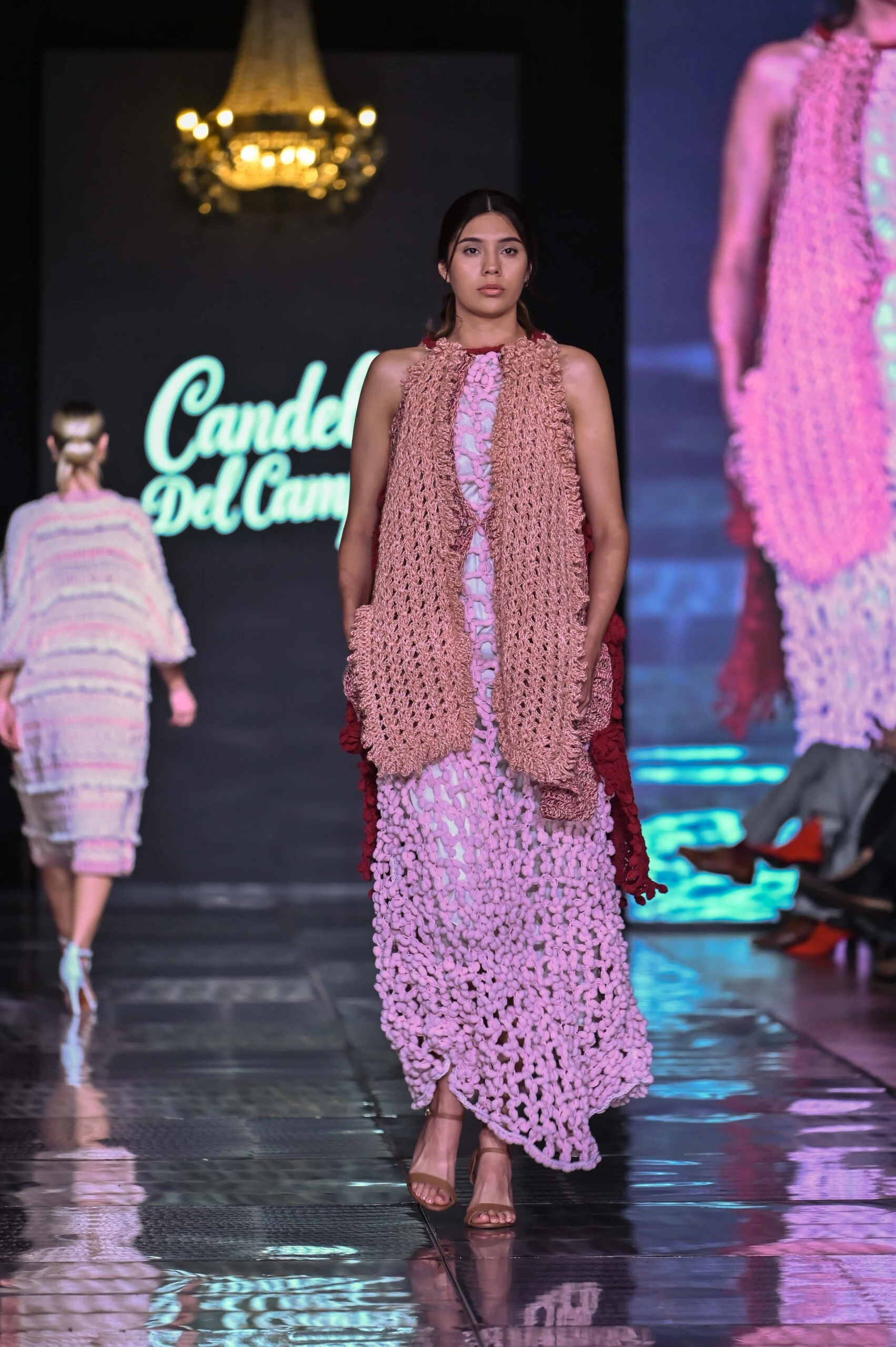
Candela Del Campo turns that tension into a proposal that invites us to look at one another among women with less judgment and more admiration.
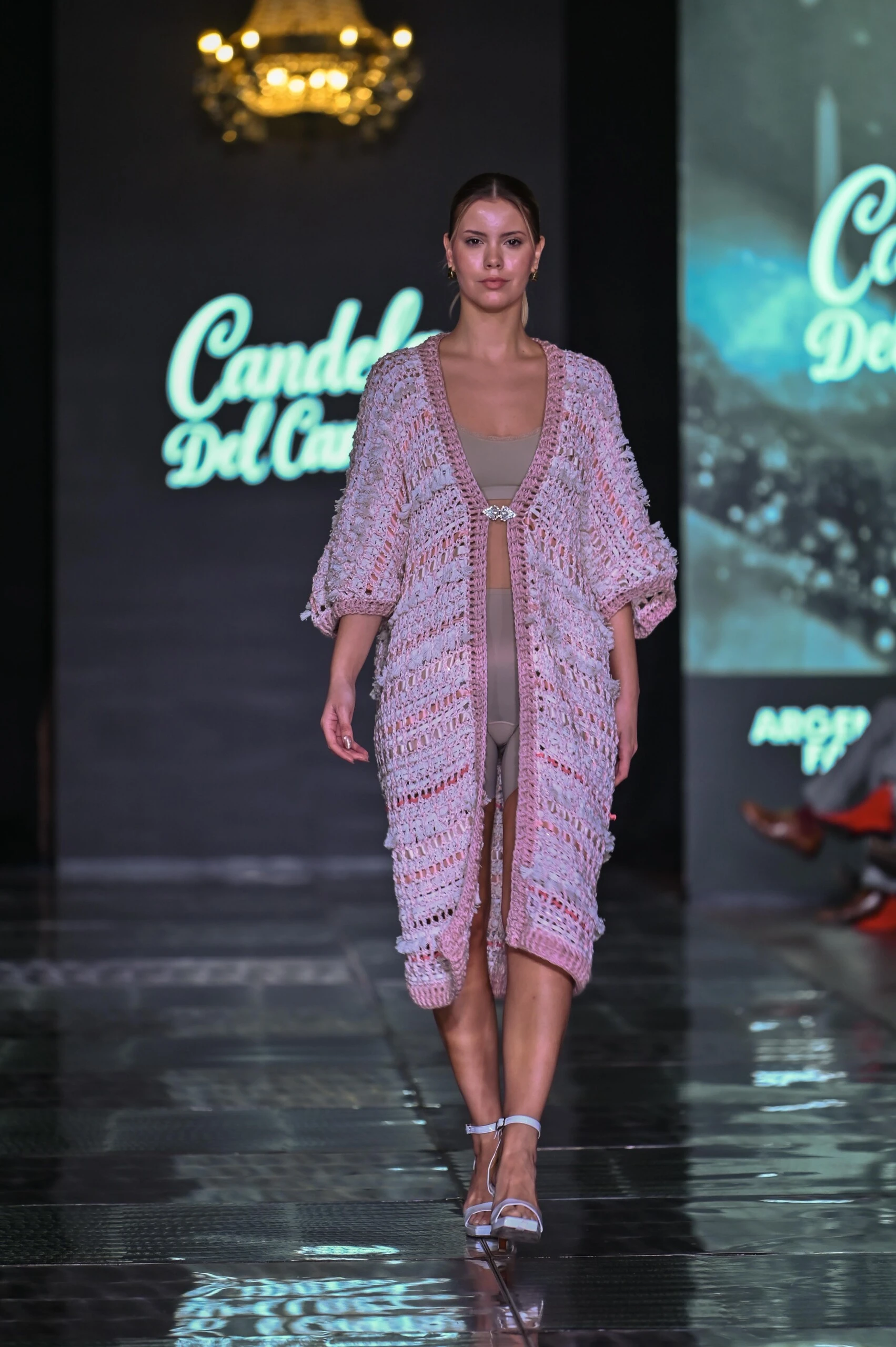
The concept presents a simple yet powerful idea: freedom also means allowing another woman to shine, stand out and break her own molds.
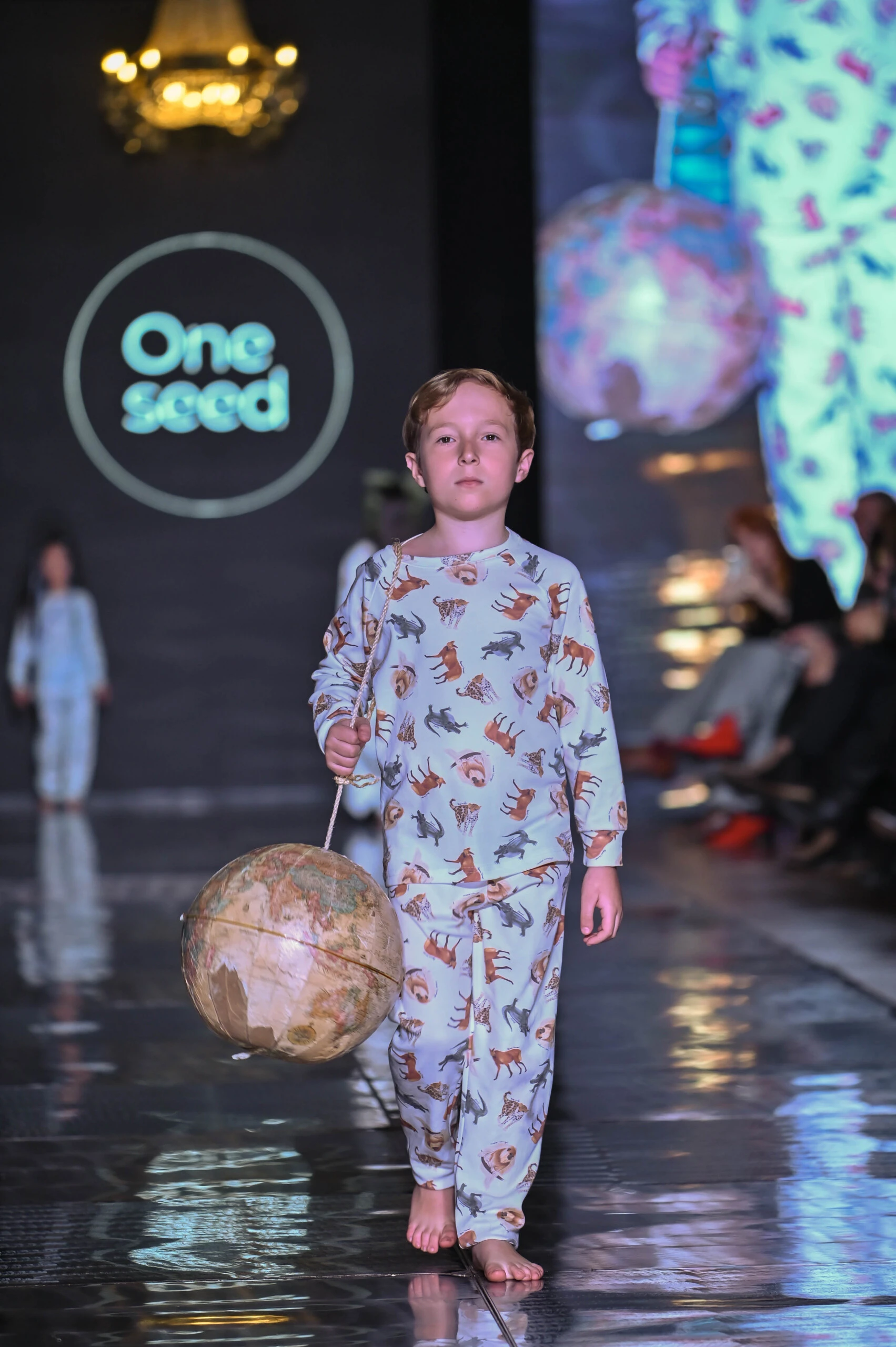
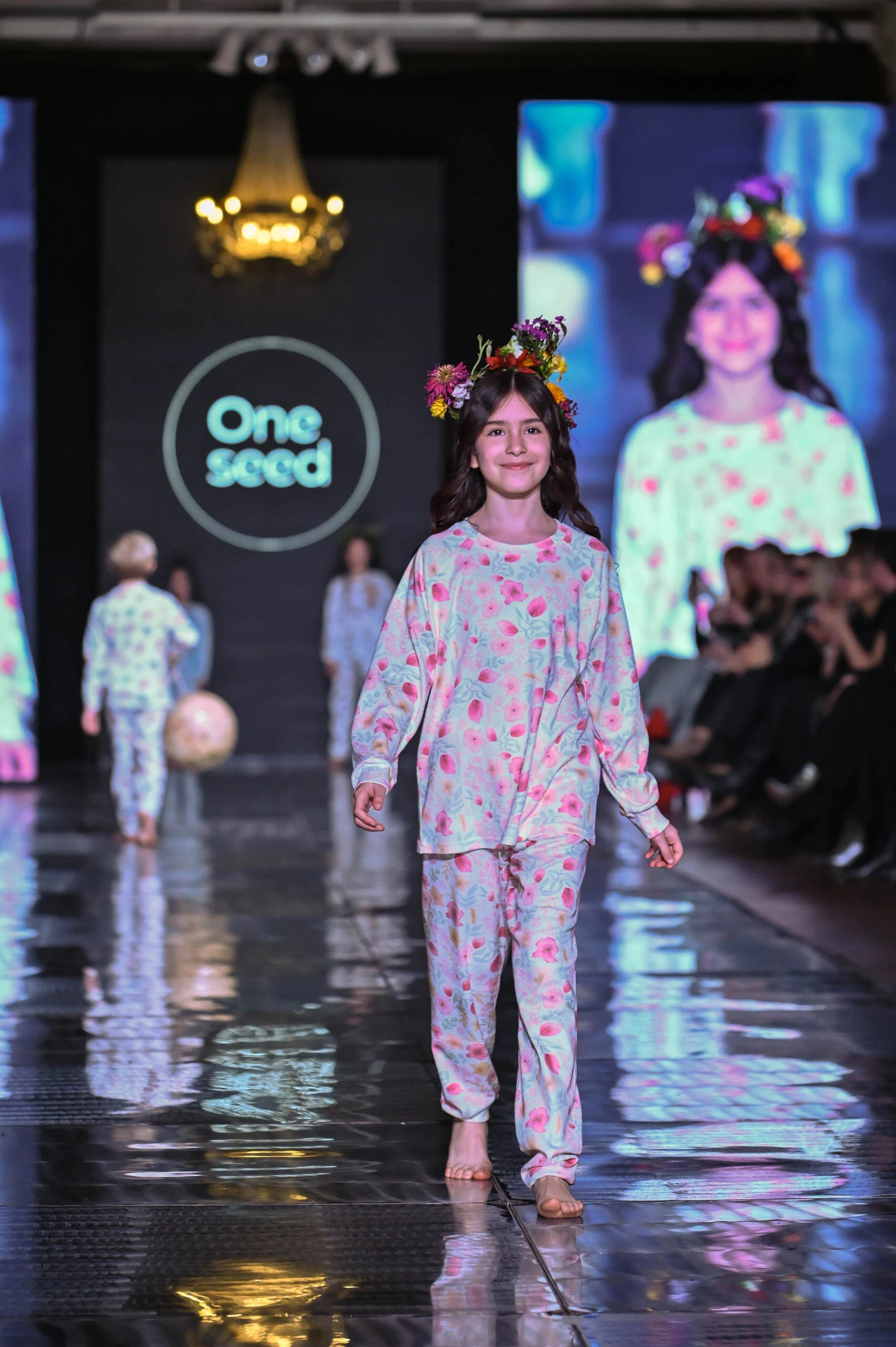
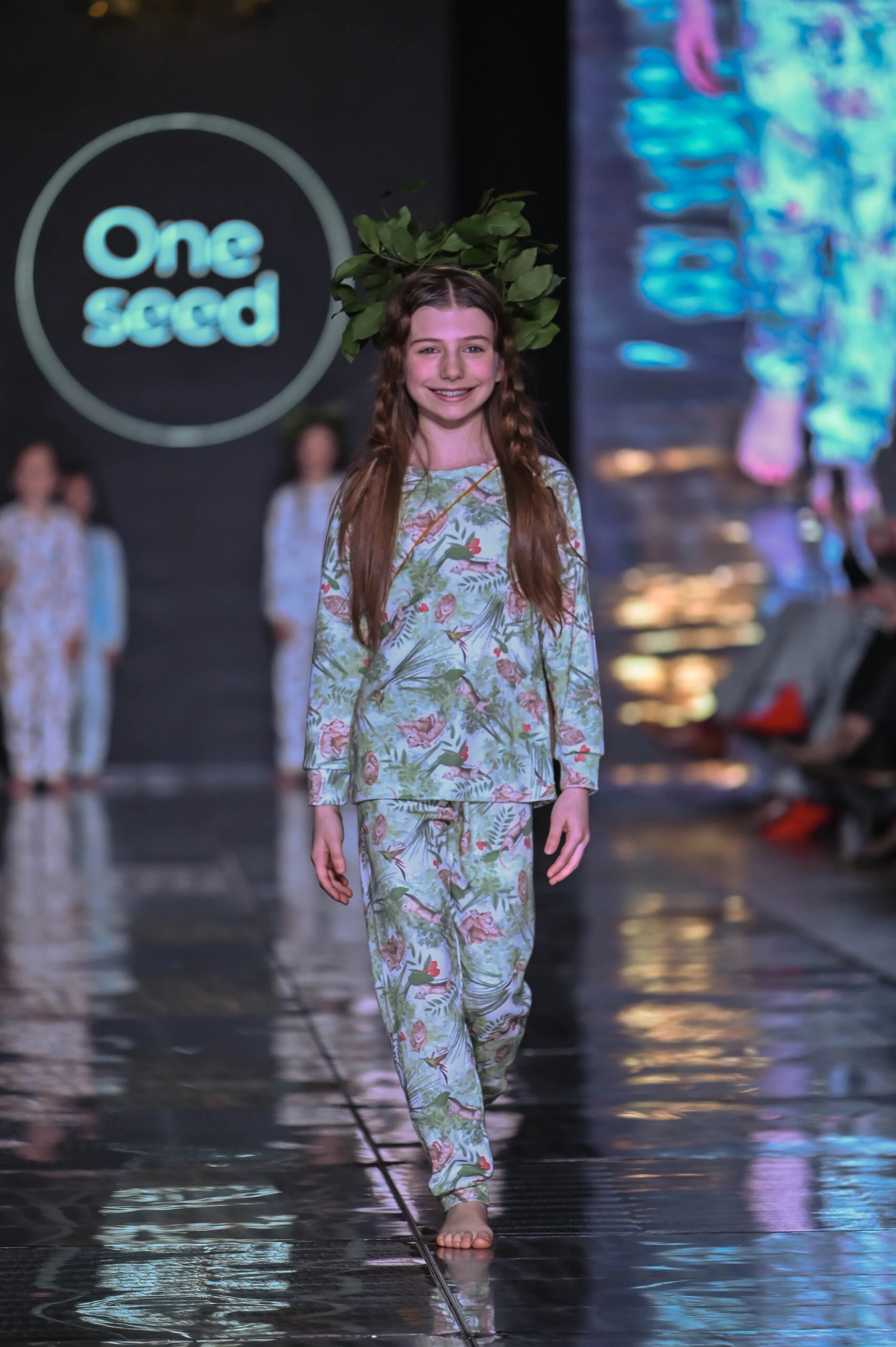
One Seed: children’s design to care for skin and the planet
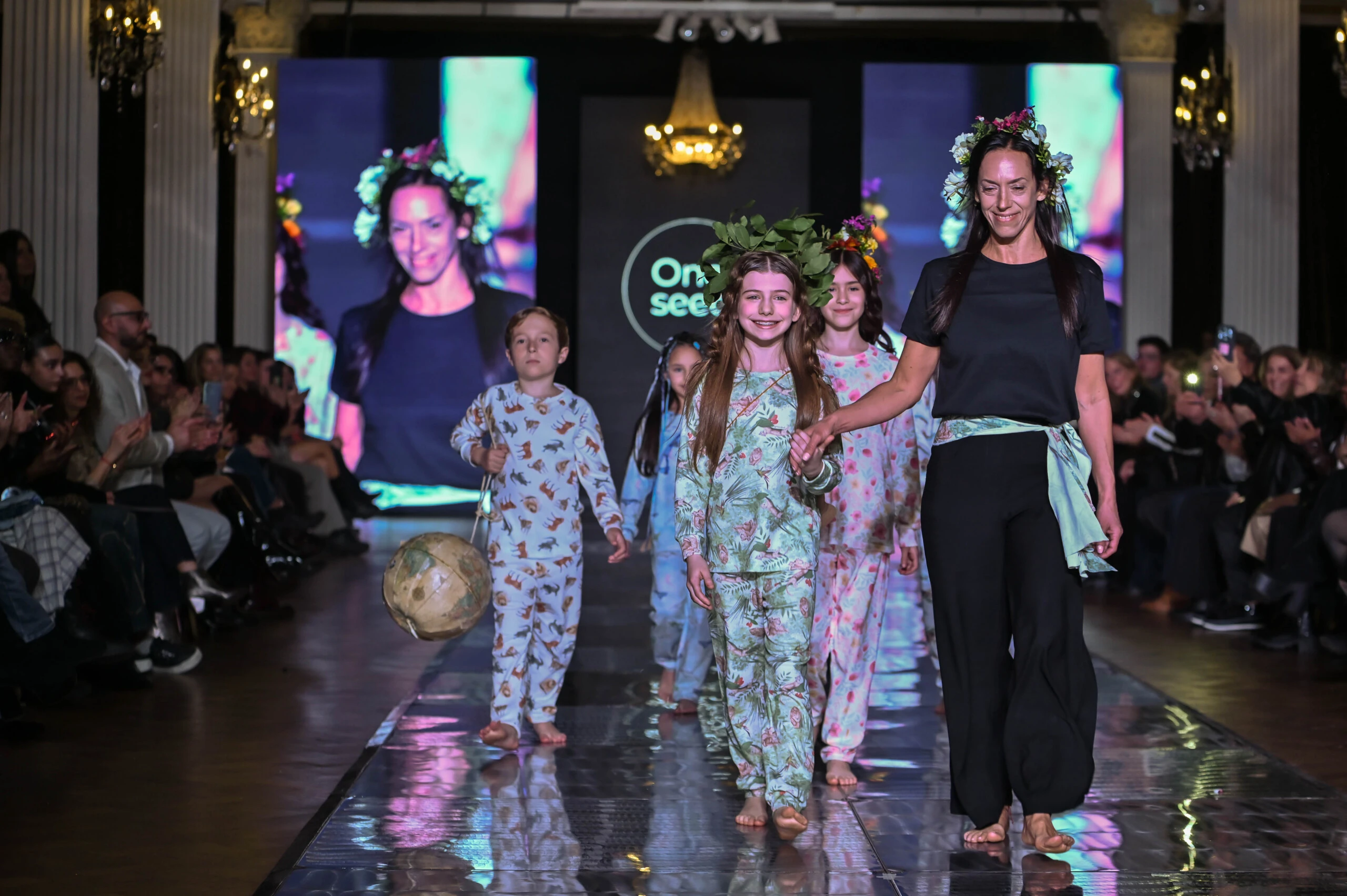
Pamela Borsani’s collection proposes uniting fashion, wellbeing and environmental awareness.
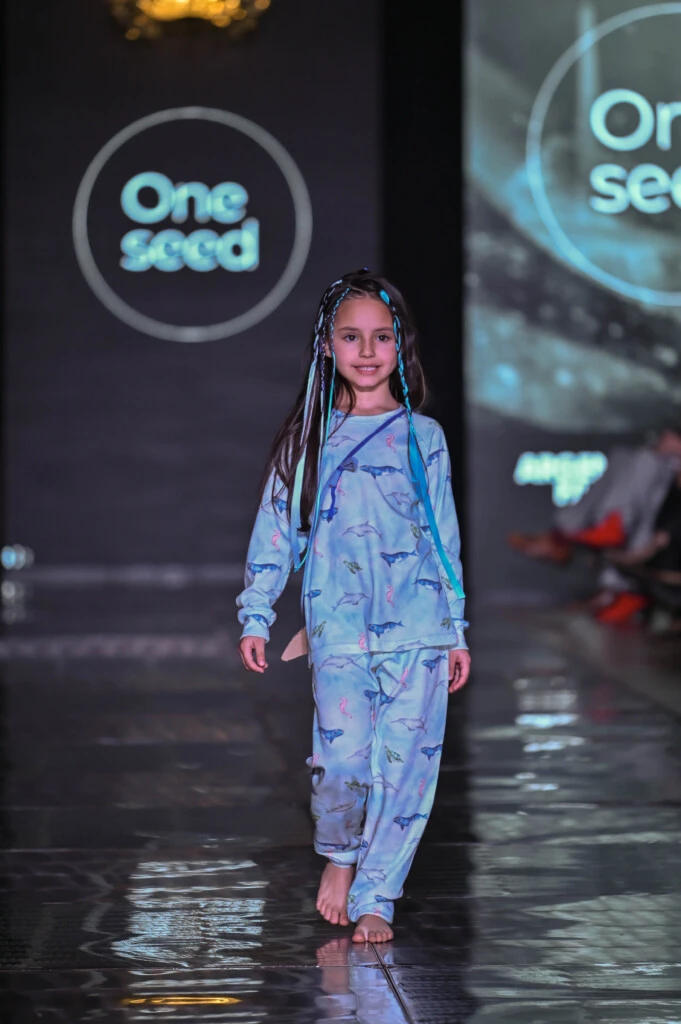
Under the concept We care for the skin and the planet at the same time, the garments are made from certified organic Peruvian Pima cotton, specially developed for atopic or sensitive skin.
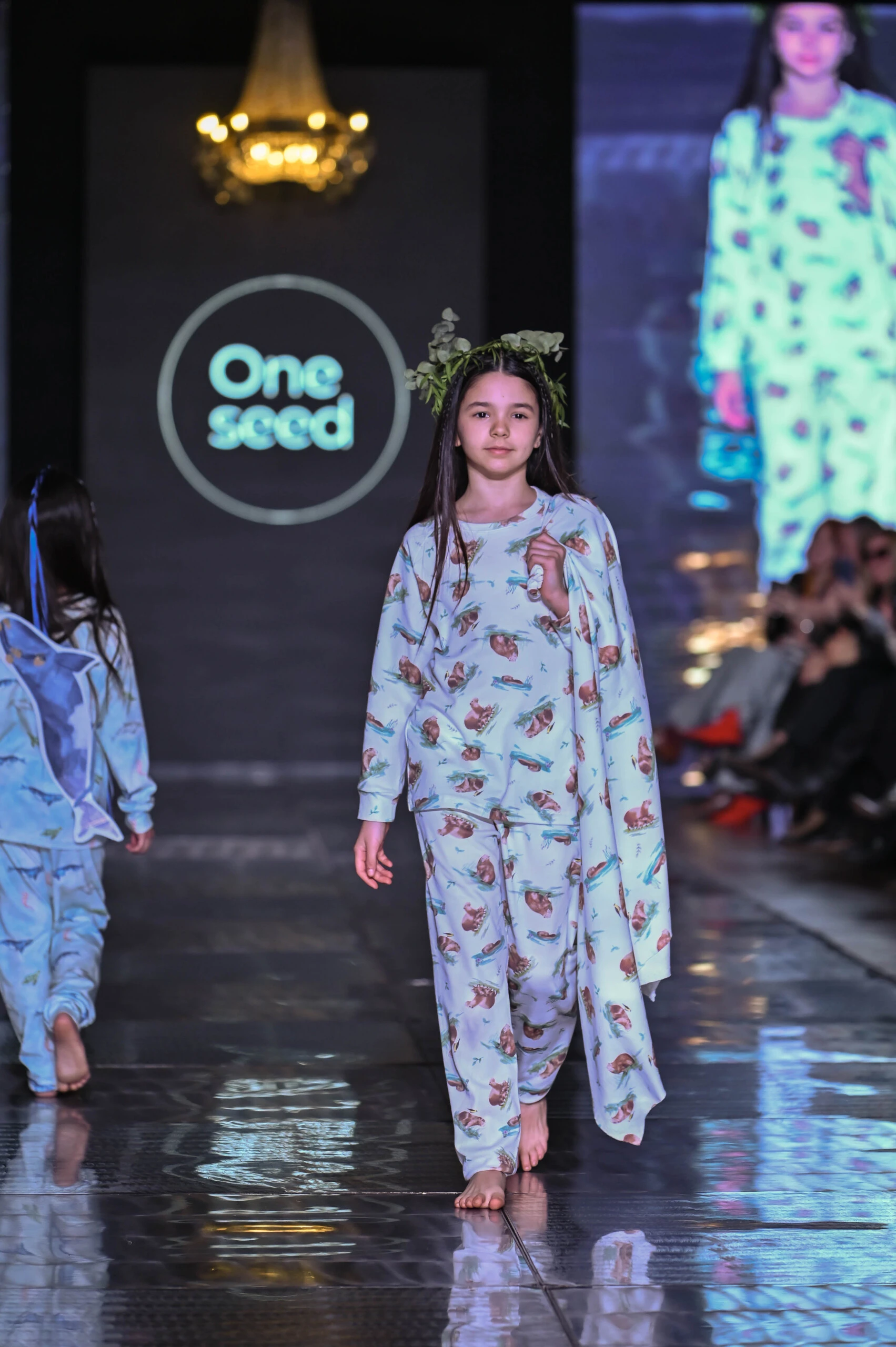
The proposal emphasizes both the wearer’s well-being and the choice of natural and certified materials.
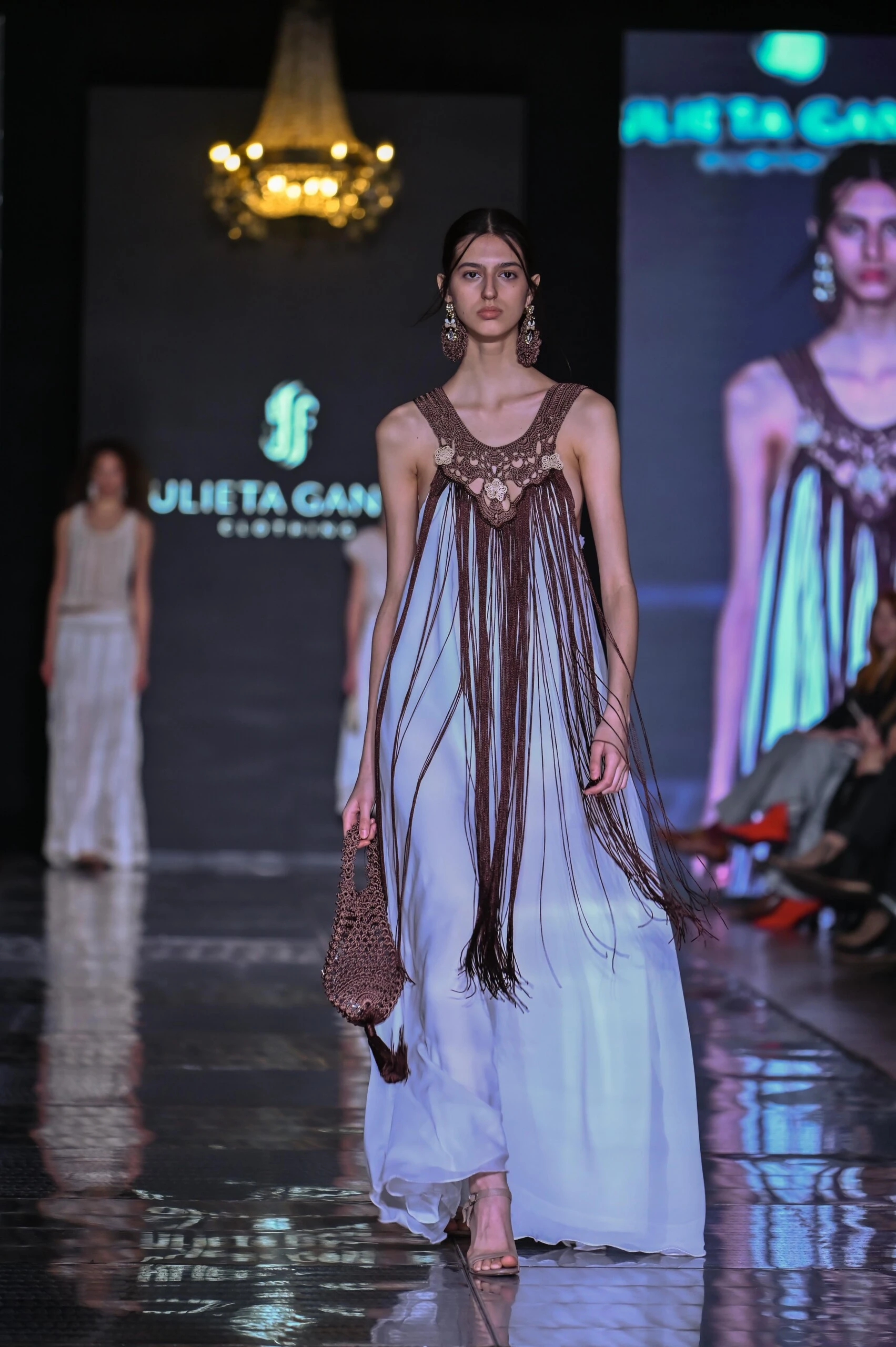
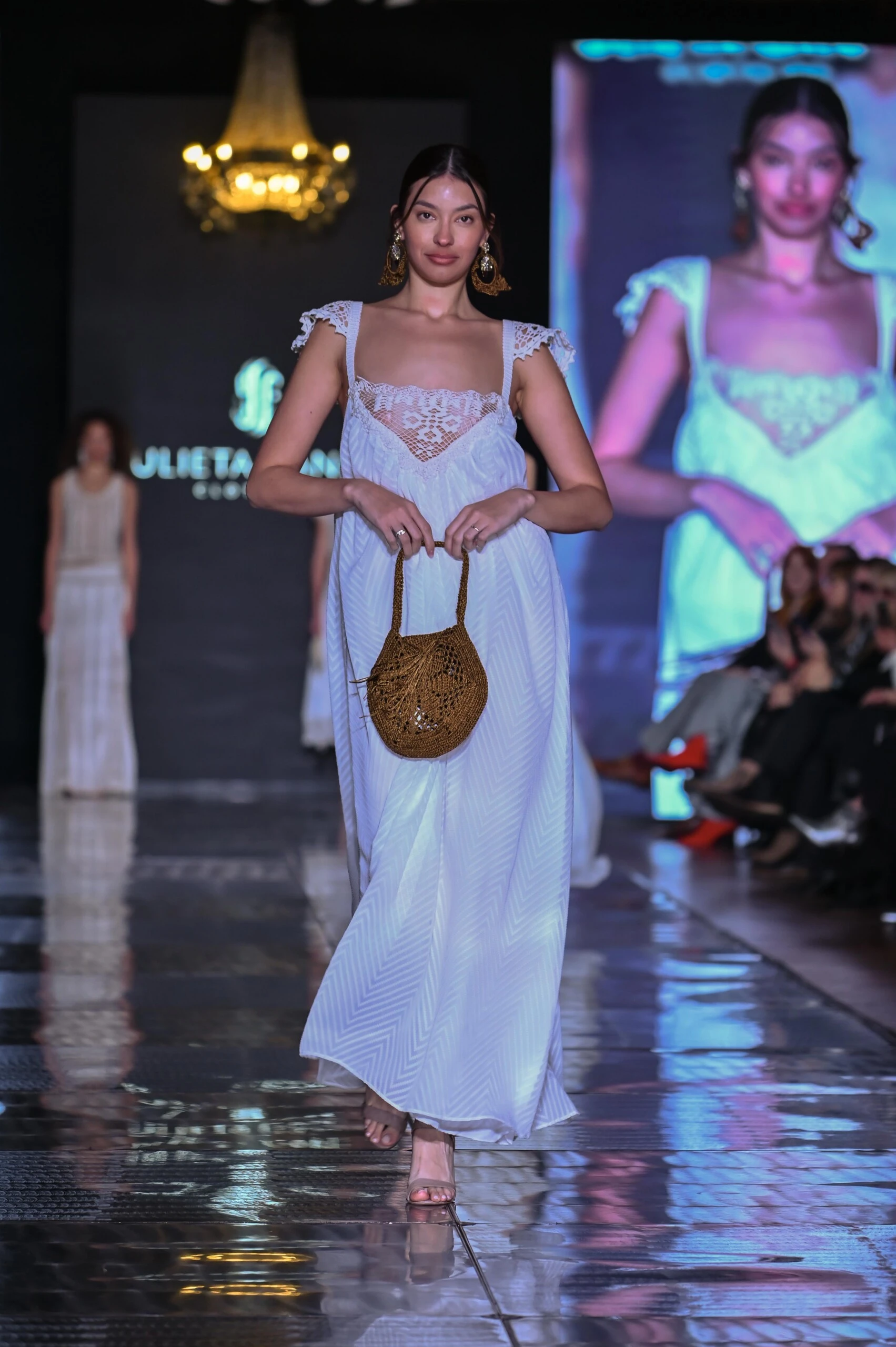
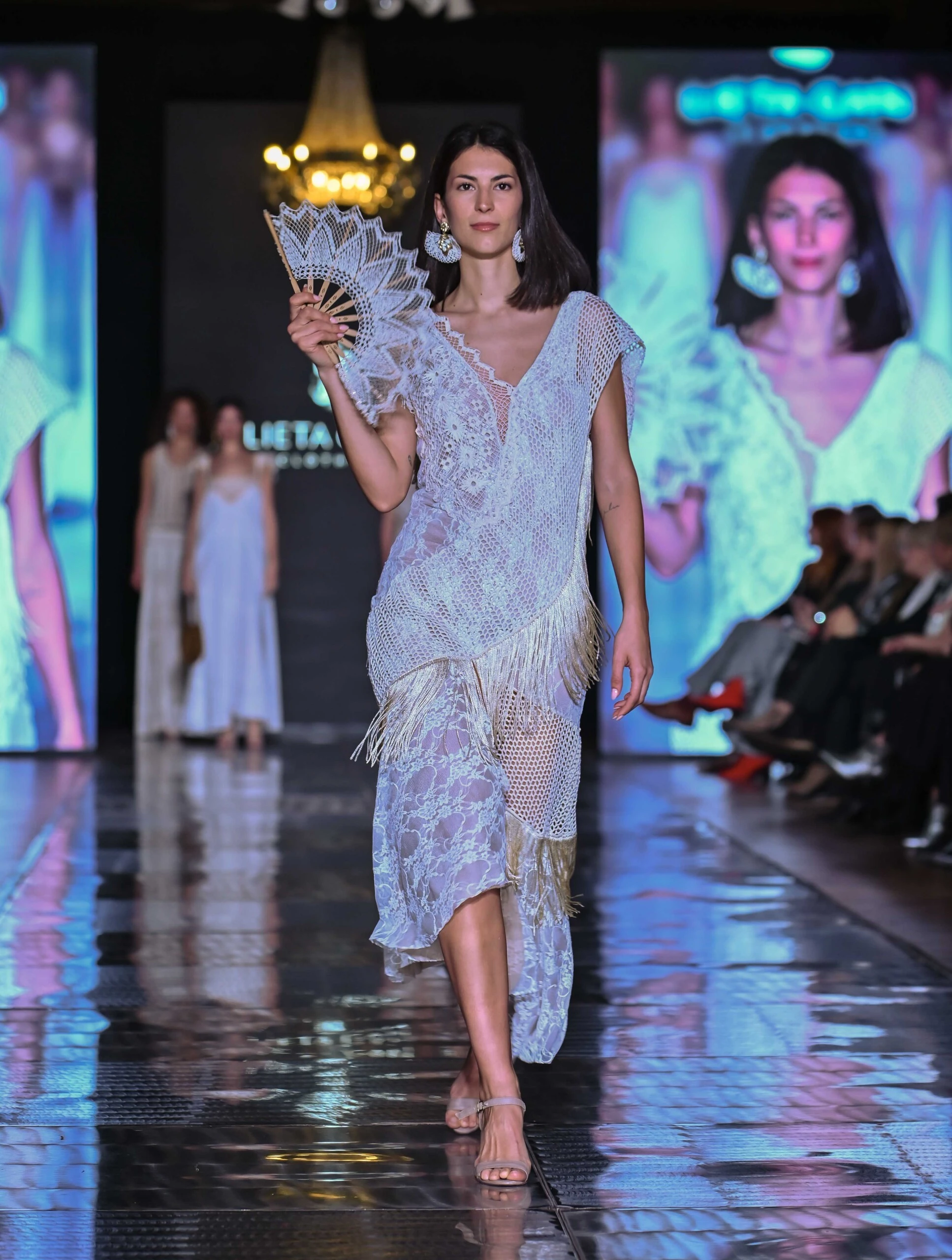
Julieta Ganum: the ancestral knowledge of Tucumán’s randas
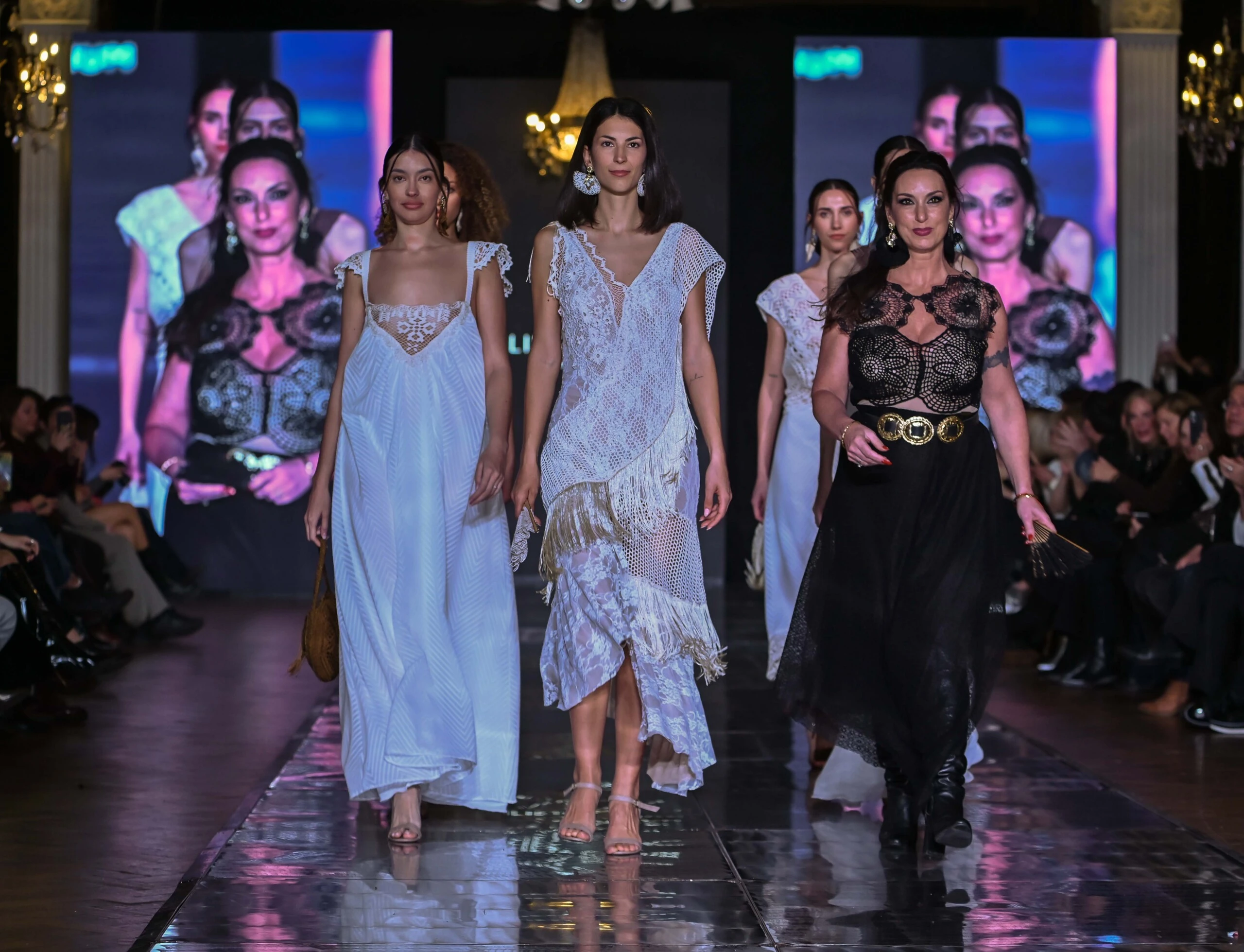
Warmi, meaning “woman” in Quechua, revives one of Tucumán’s most characteristic artisan expressions: randas woven by the province’s artisans.
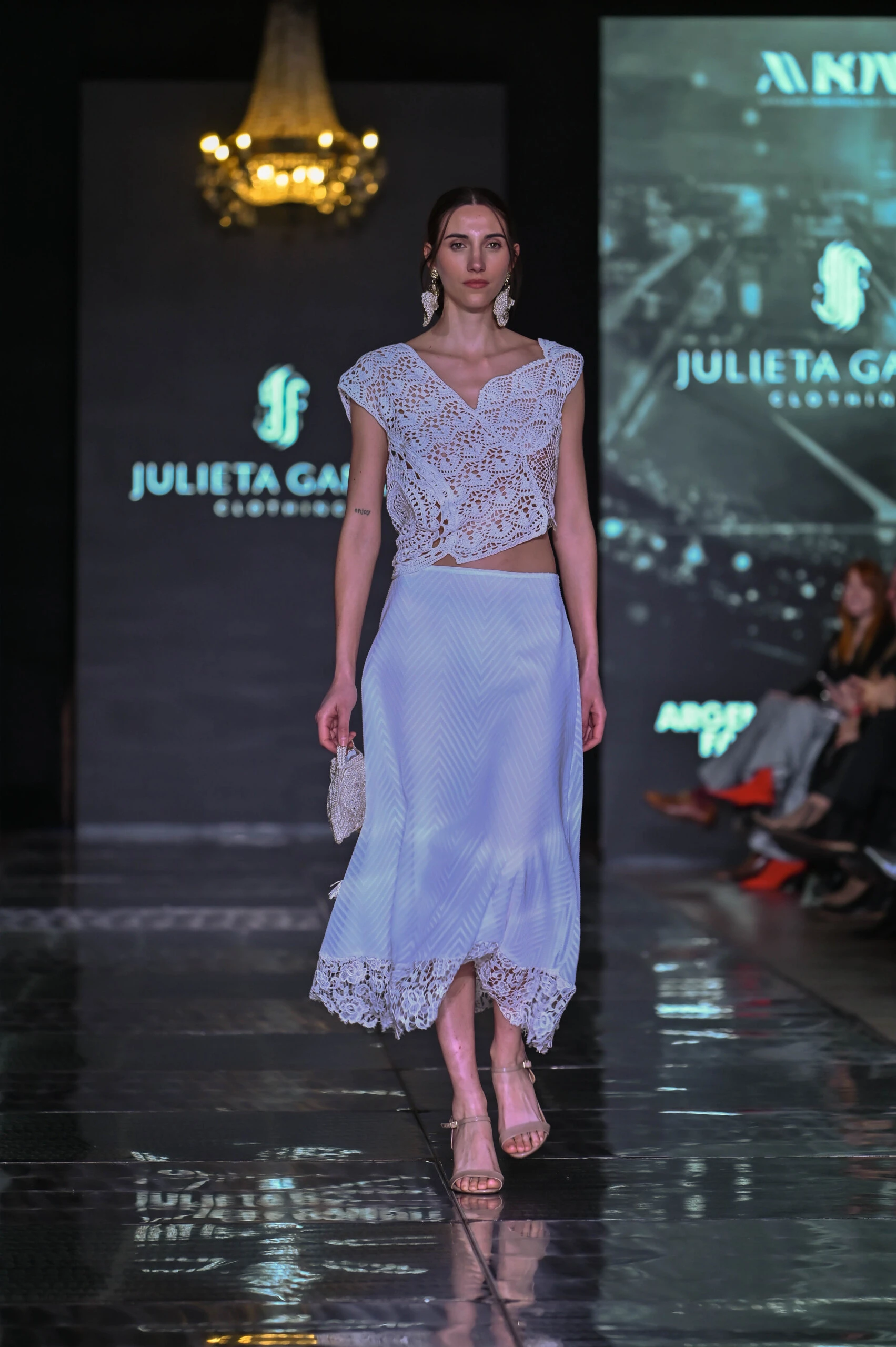
Julieta Ganum works with yarns and crochet-made fabrics, assembling different laces and pieces by hand.
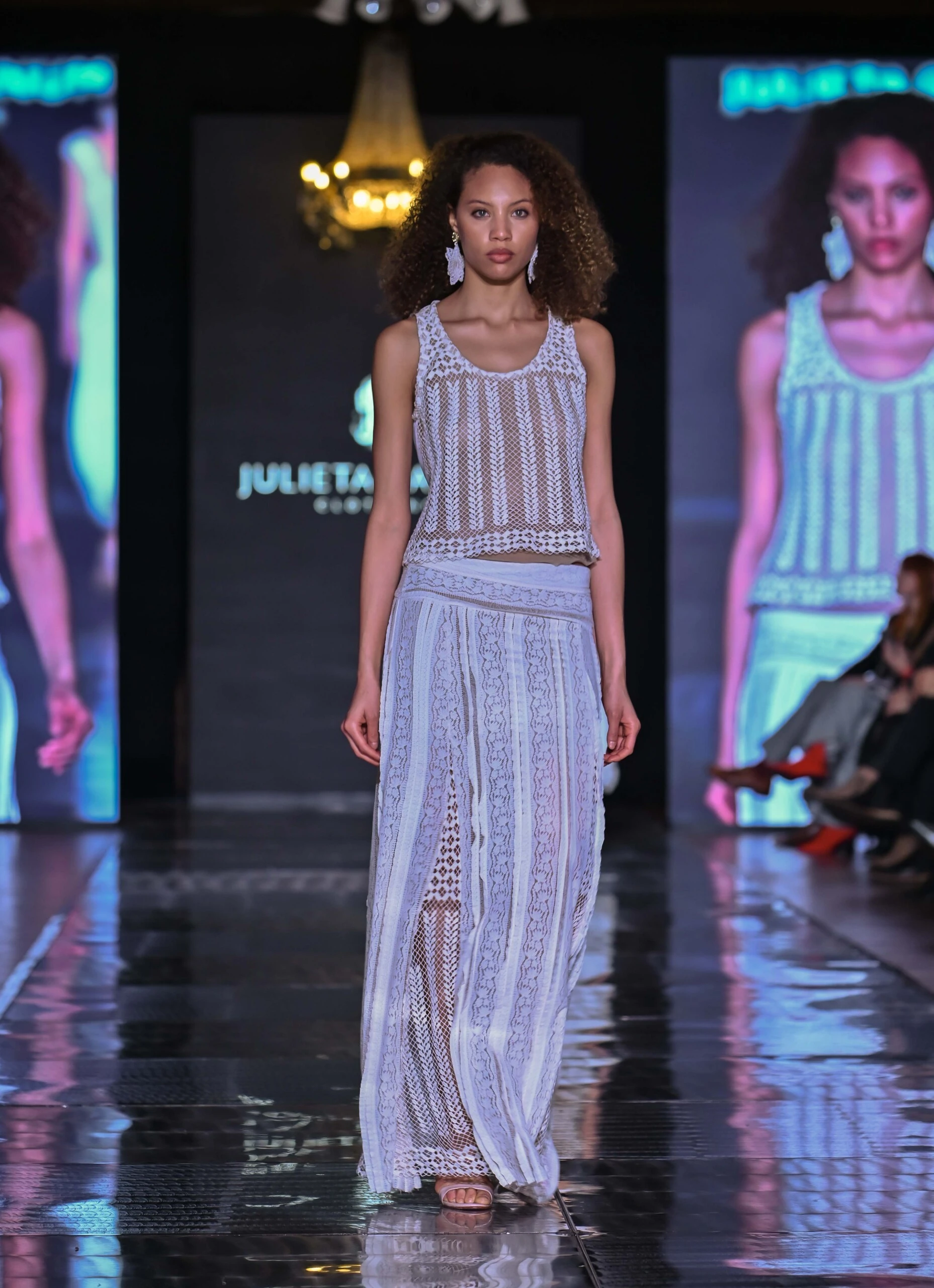
The result highlights traditional artisanal knowledge and brings it into a contemporary design proposal.
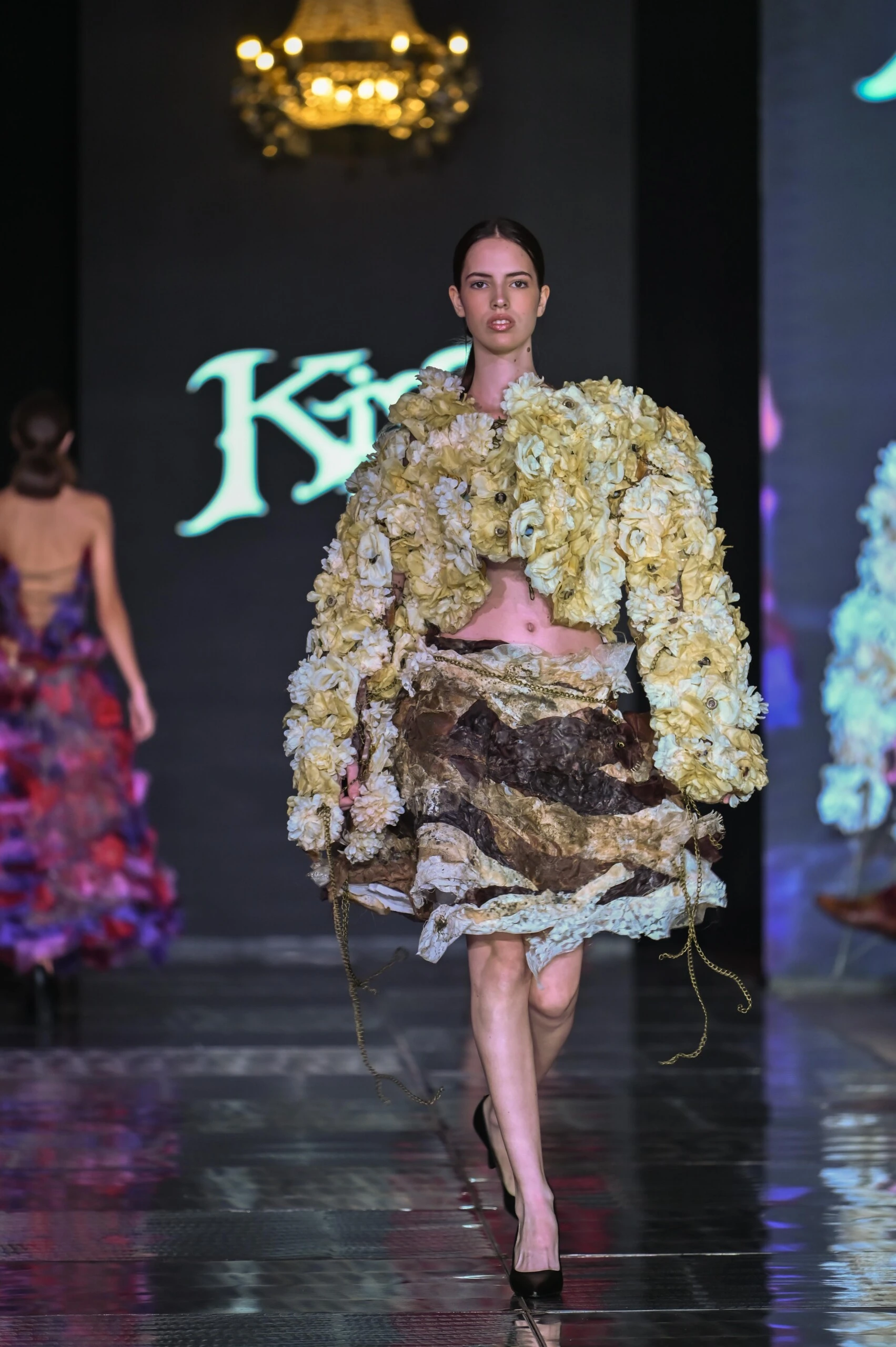
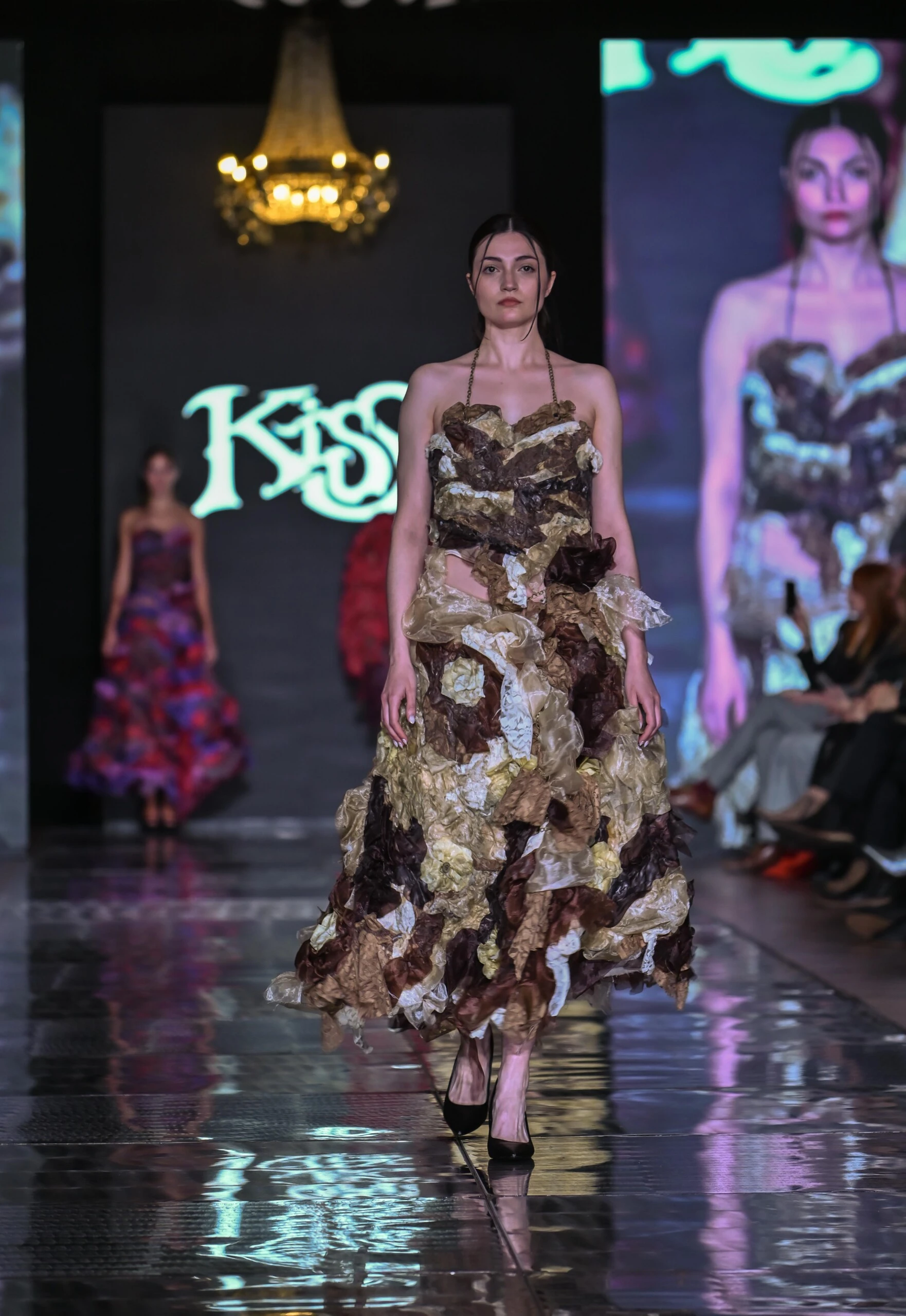
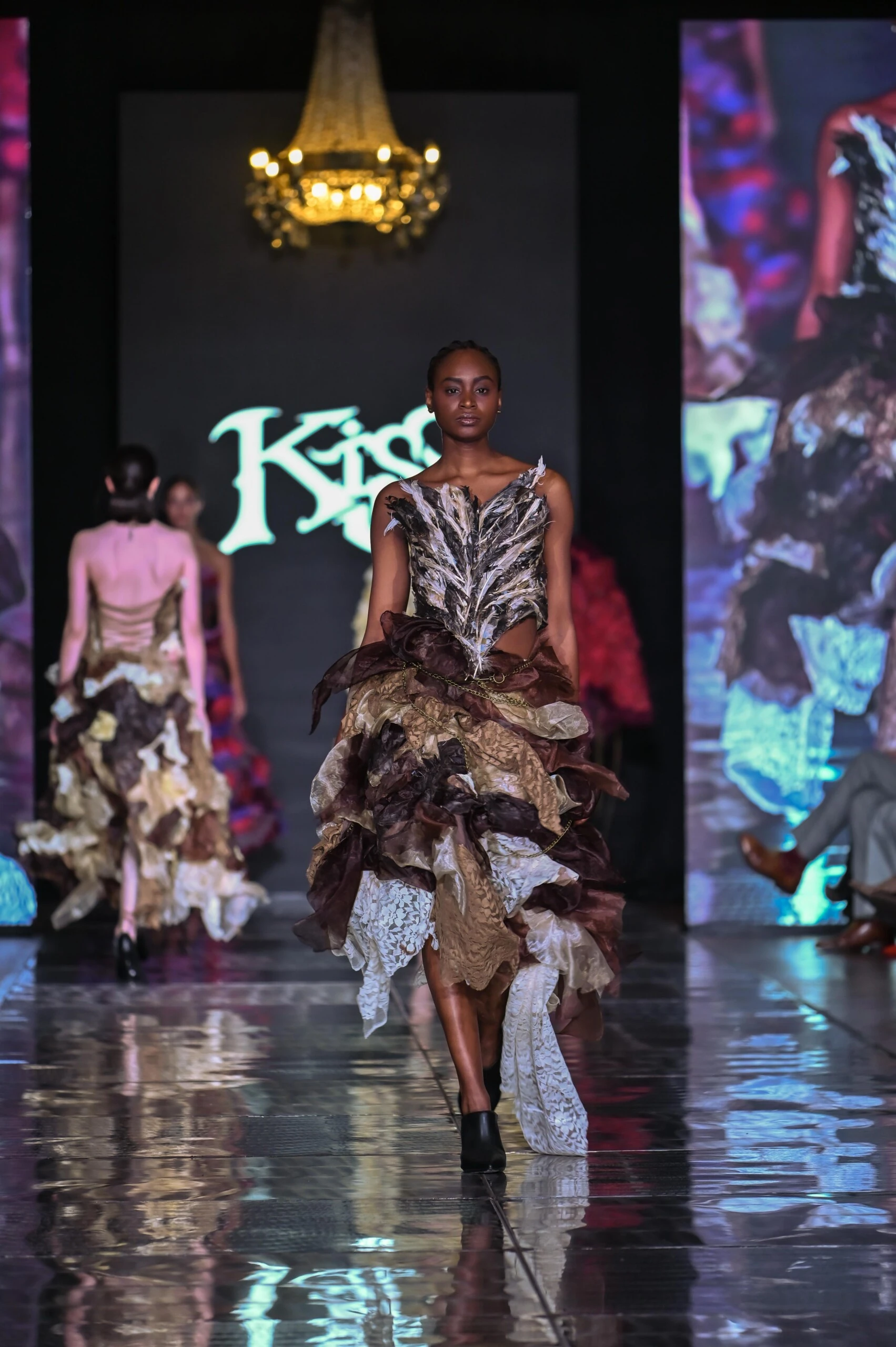
Thomas Kiss: nature invades the body
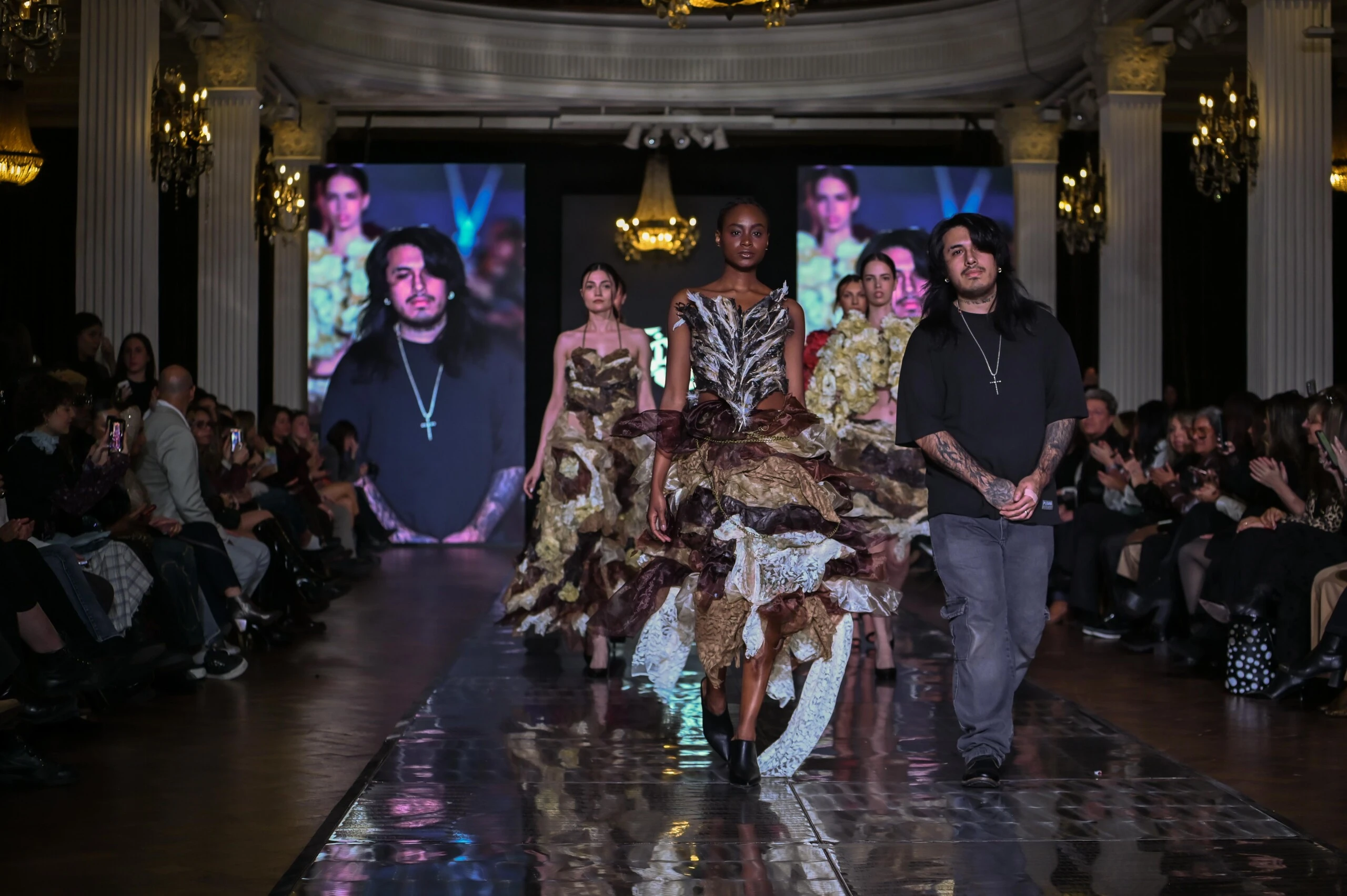
Biophilia by Thomas Acuña explores the relationship between life and decadence.
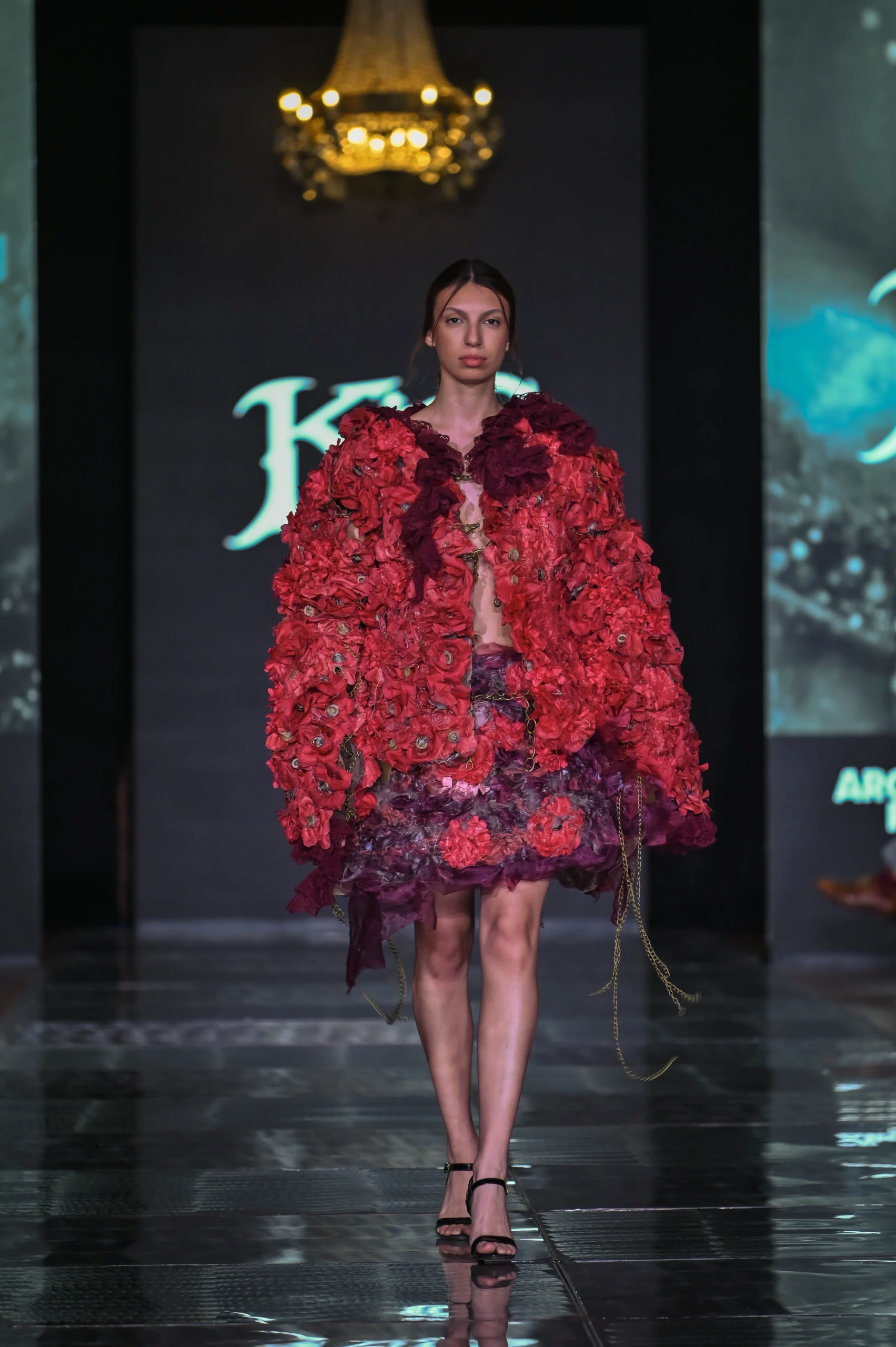
The collection imagines a nature that invades, transforms and claims the human body. To build that universe it uses textile layers, latex and recycled materials, manually altered with pigments and patinas.
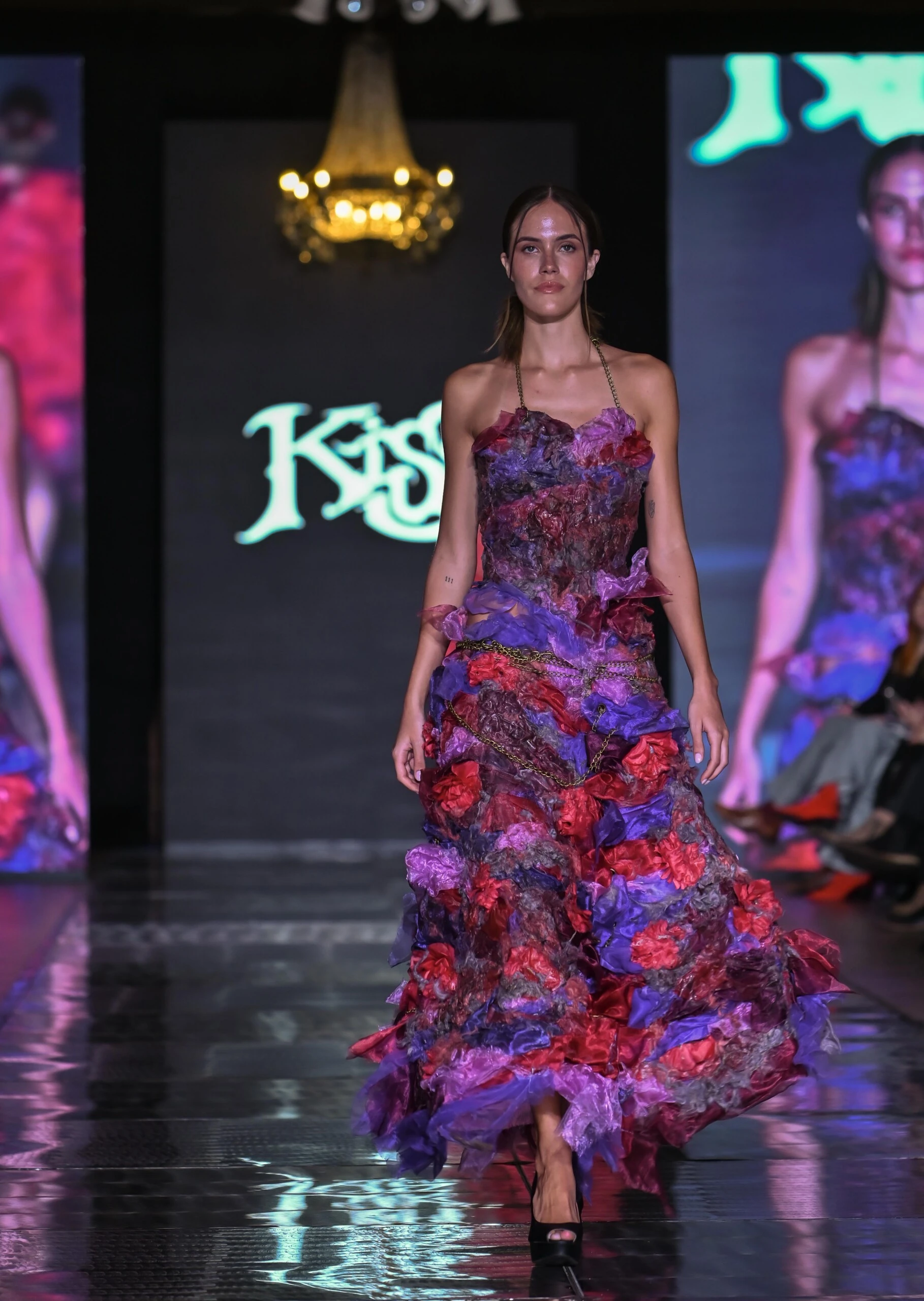
An experimental proposal that takes sustainability into a more conceptual and darker territory.
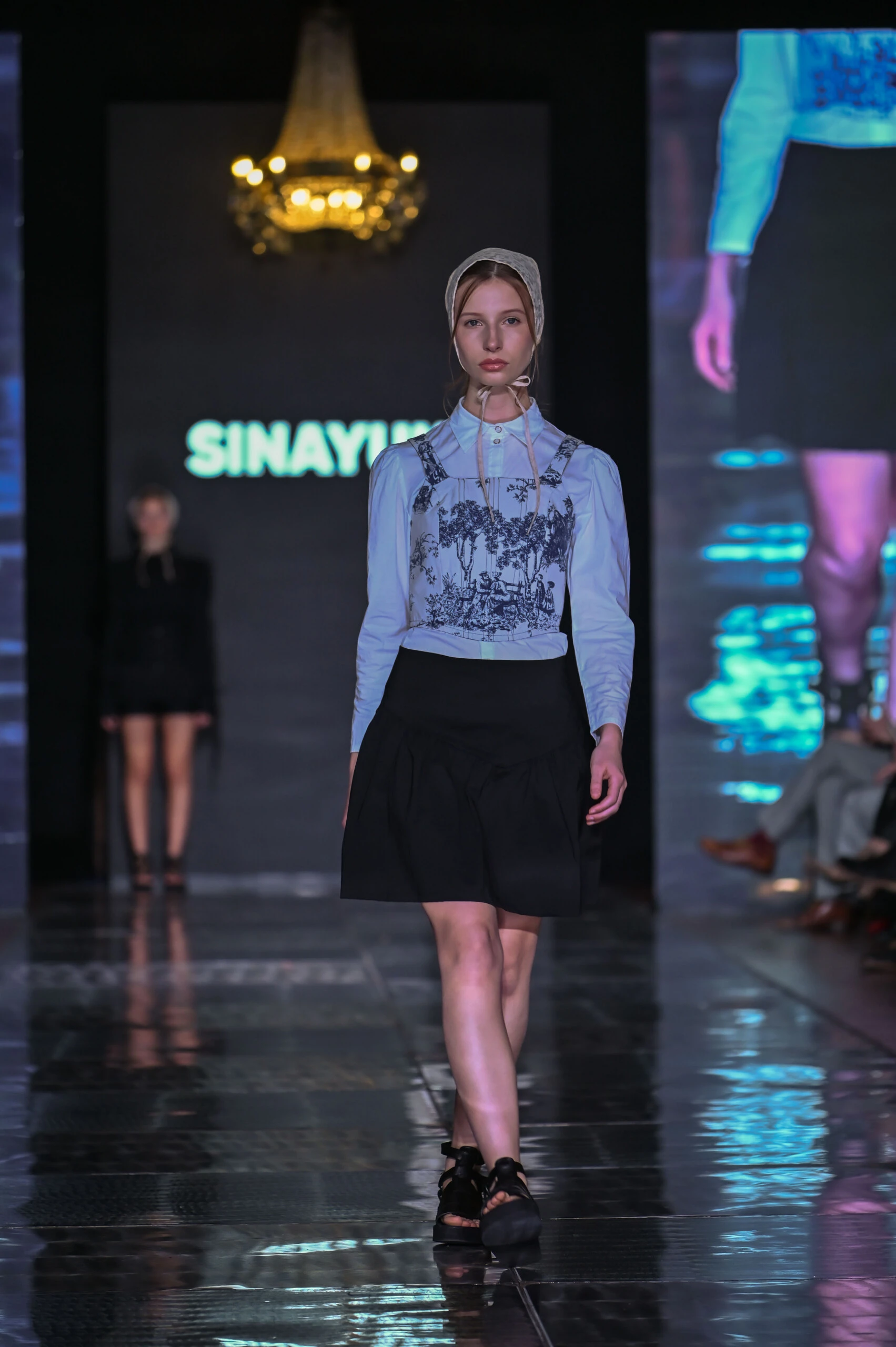
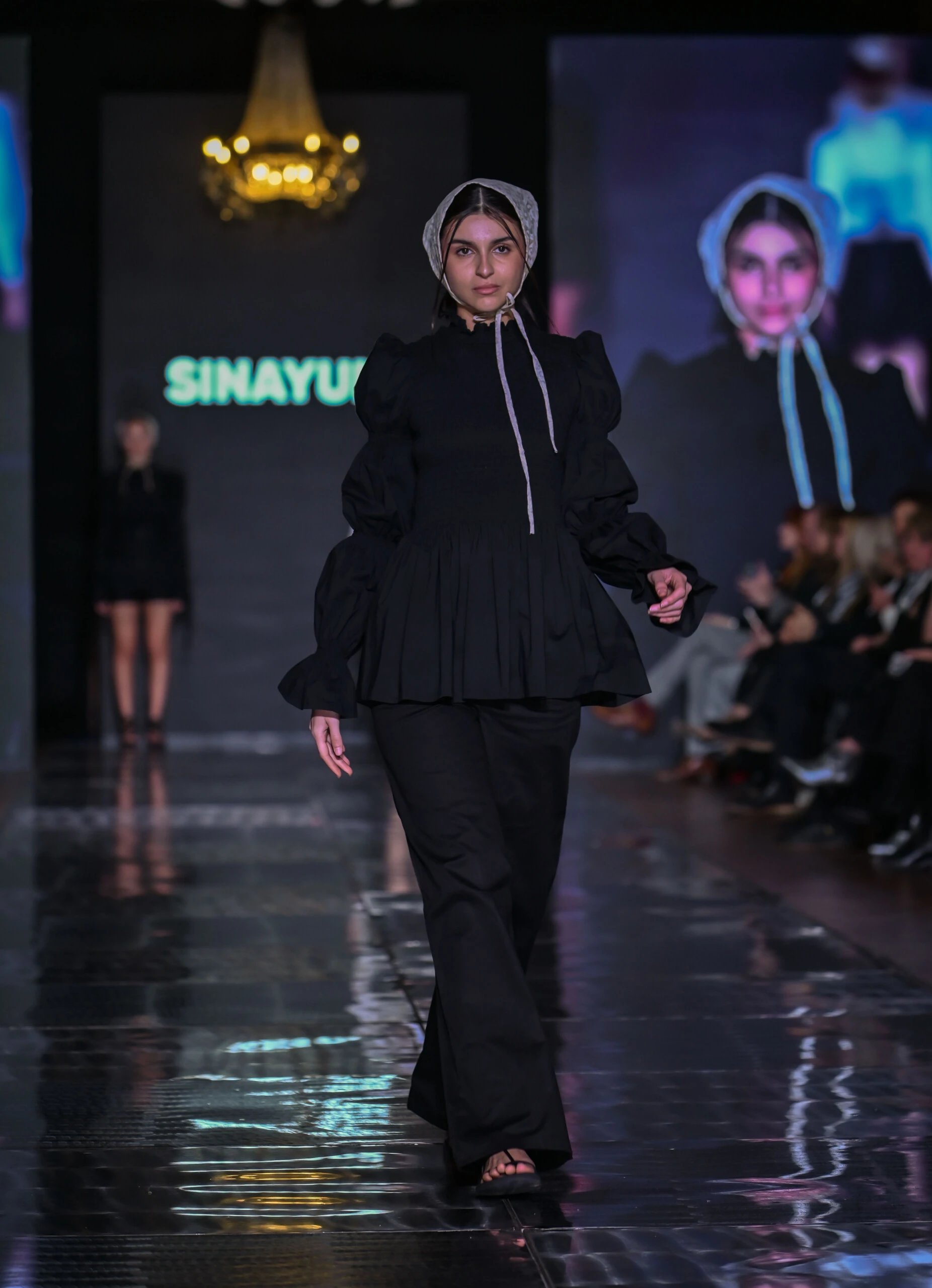
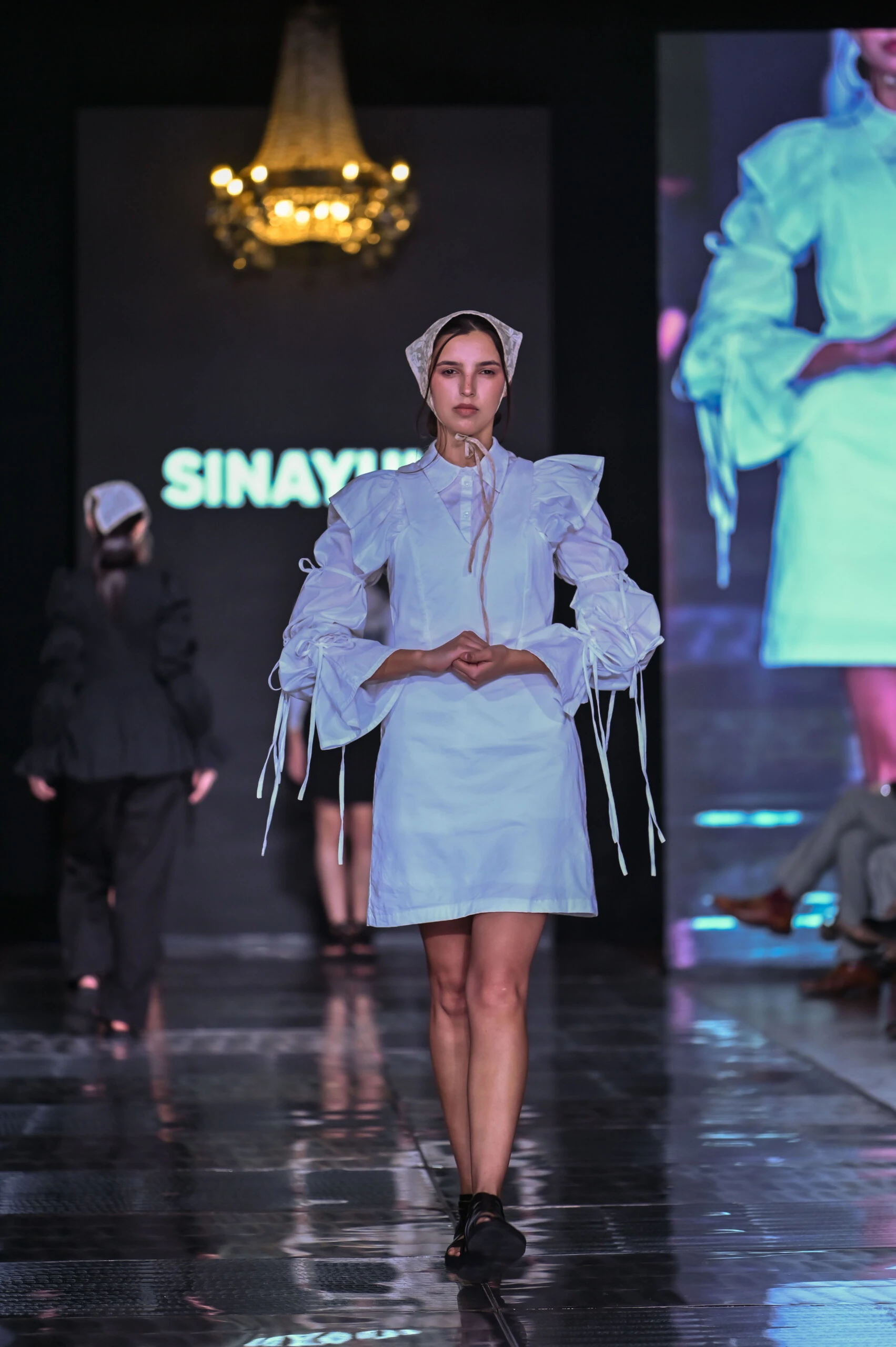
SIANAYUKI: from pain to rebirth
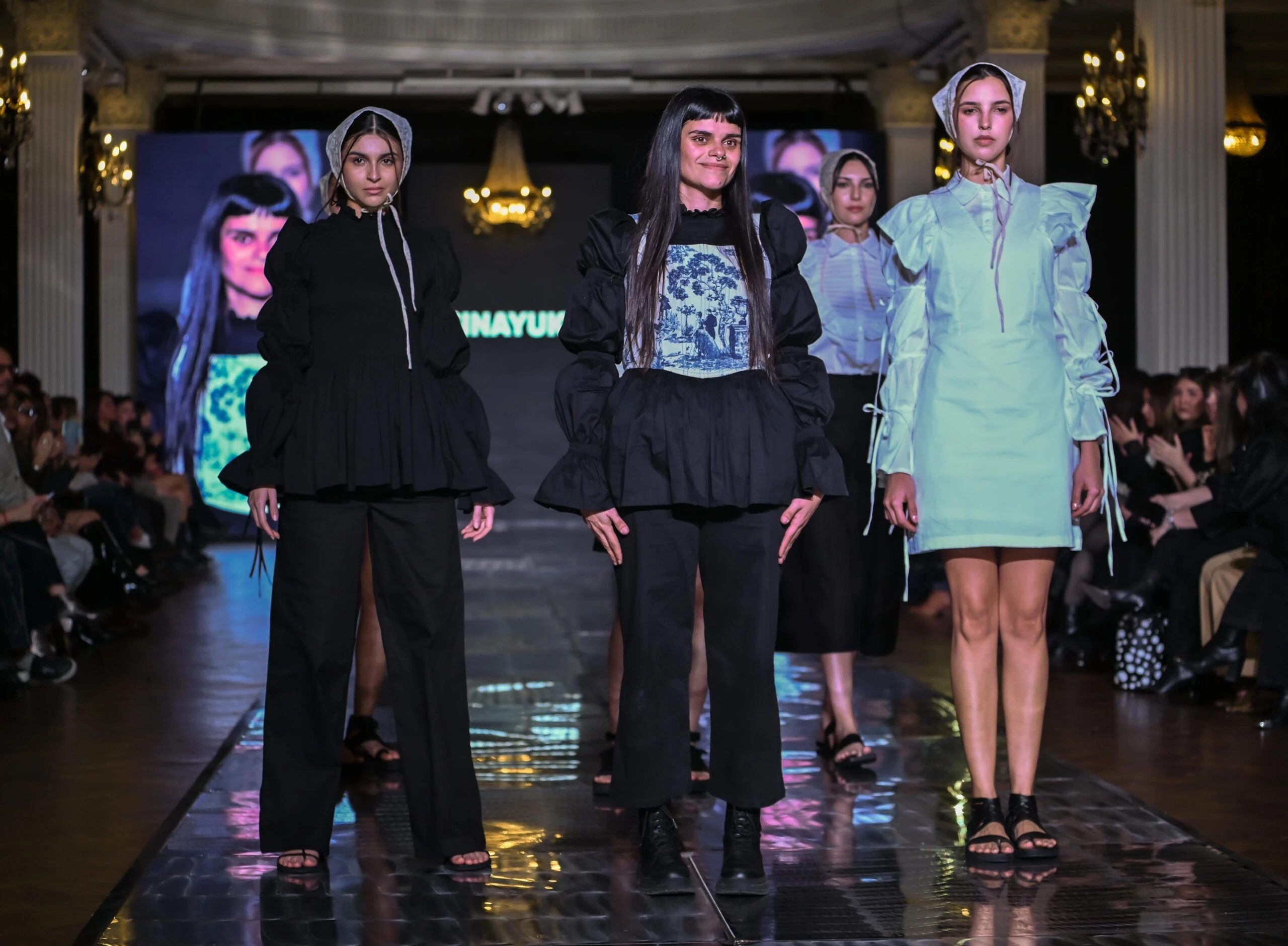
The capsule Alas, by Luciana Nieva, works around the idea of transformation: pain as part of a process that can lead to rebirth.
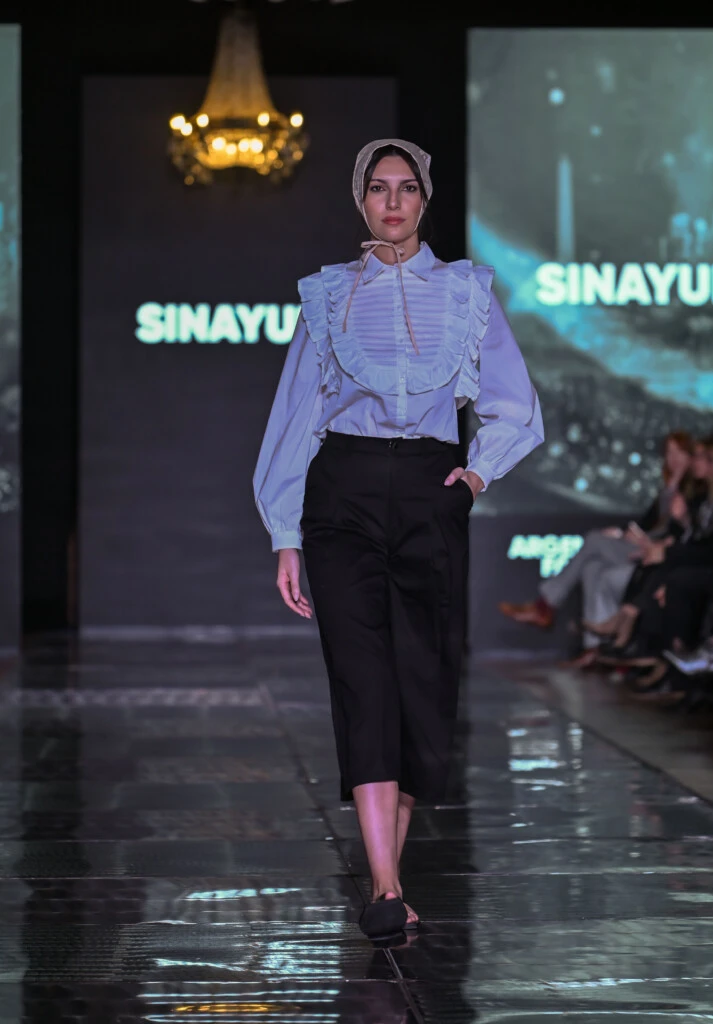
All design and construction processes are carried out by the designer herself, who works with special attention to quality and meticulousness.
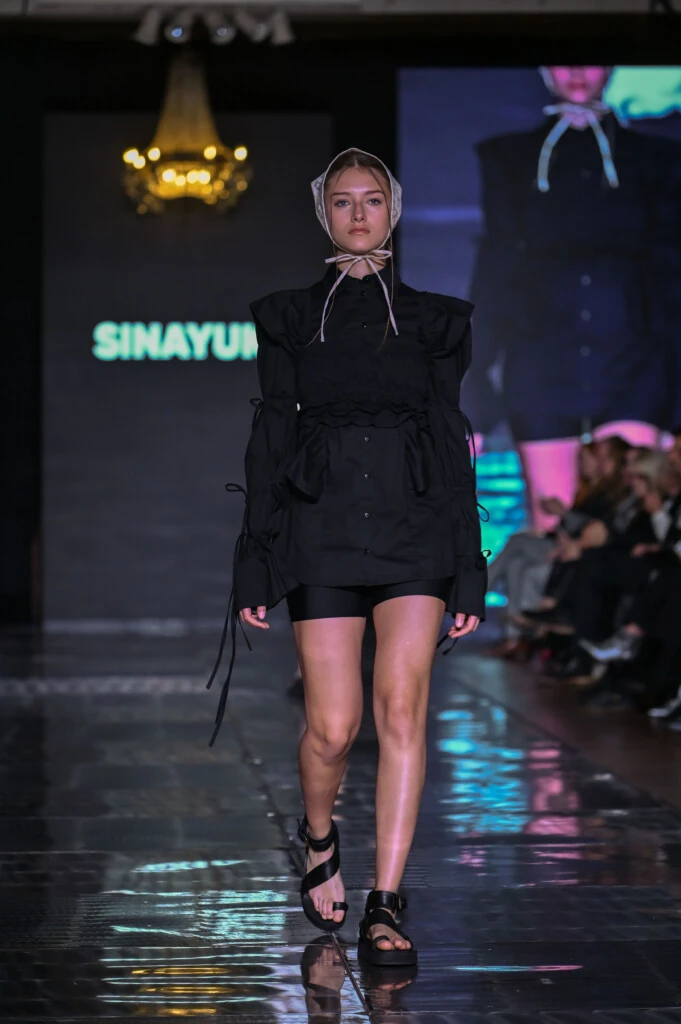
Geometry and shapes build garments with their own identity, within a proposal that also champions transparency and fair trade.
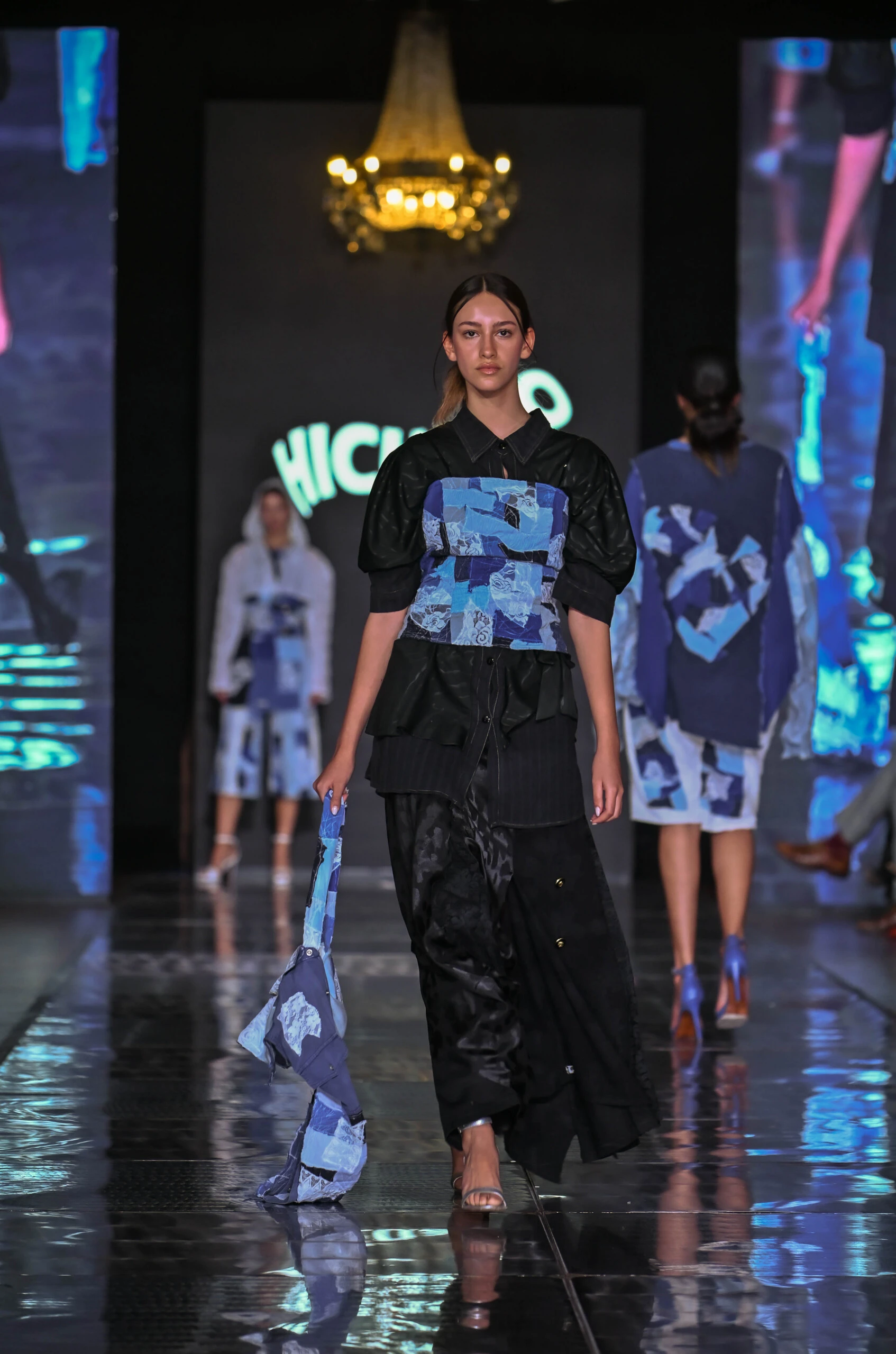
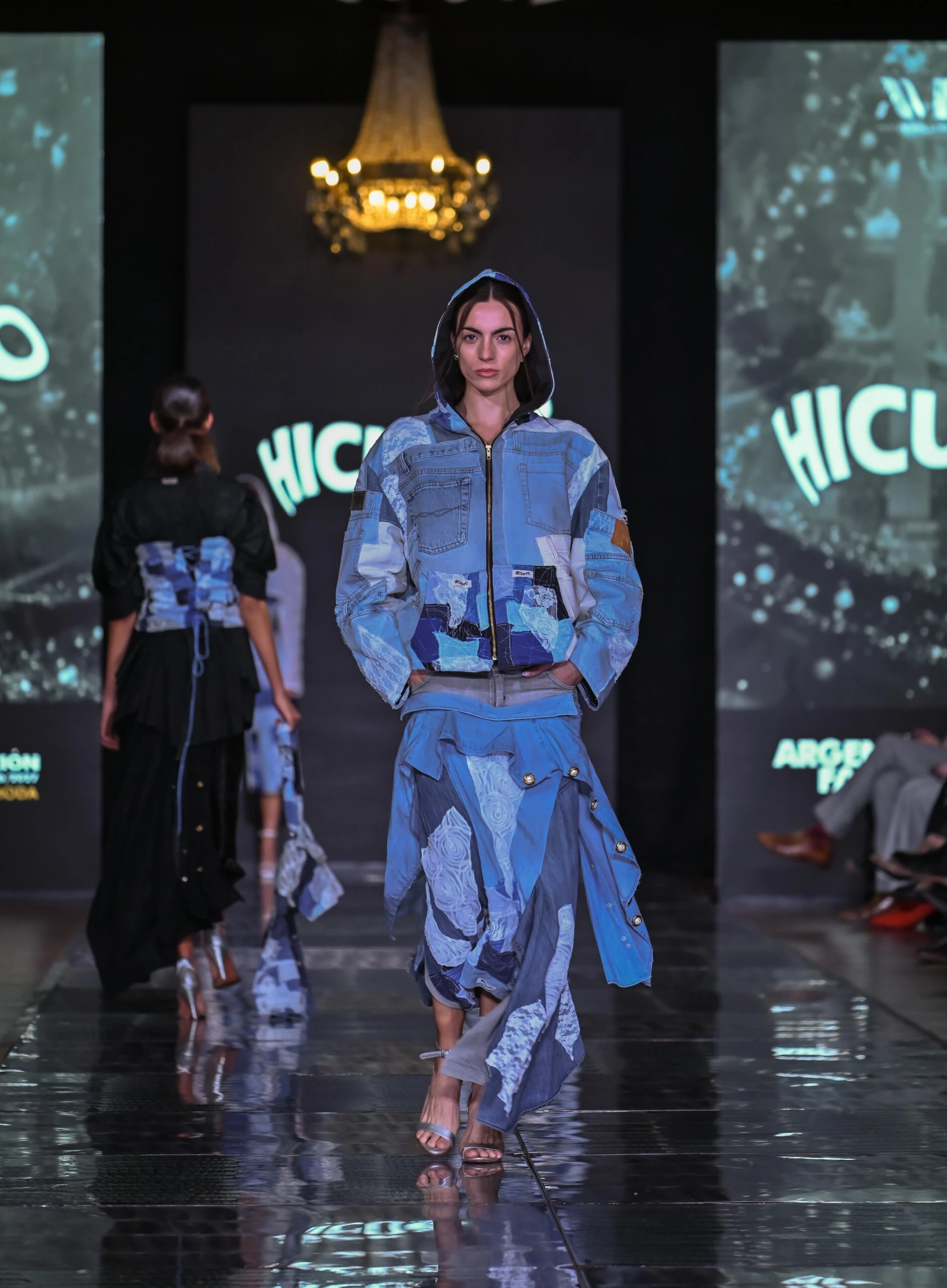
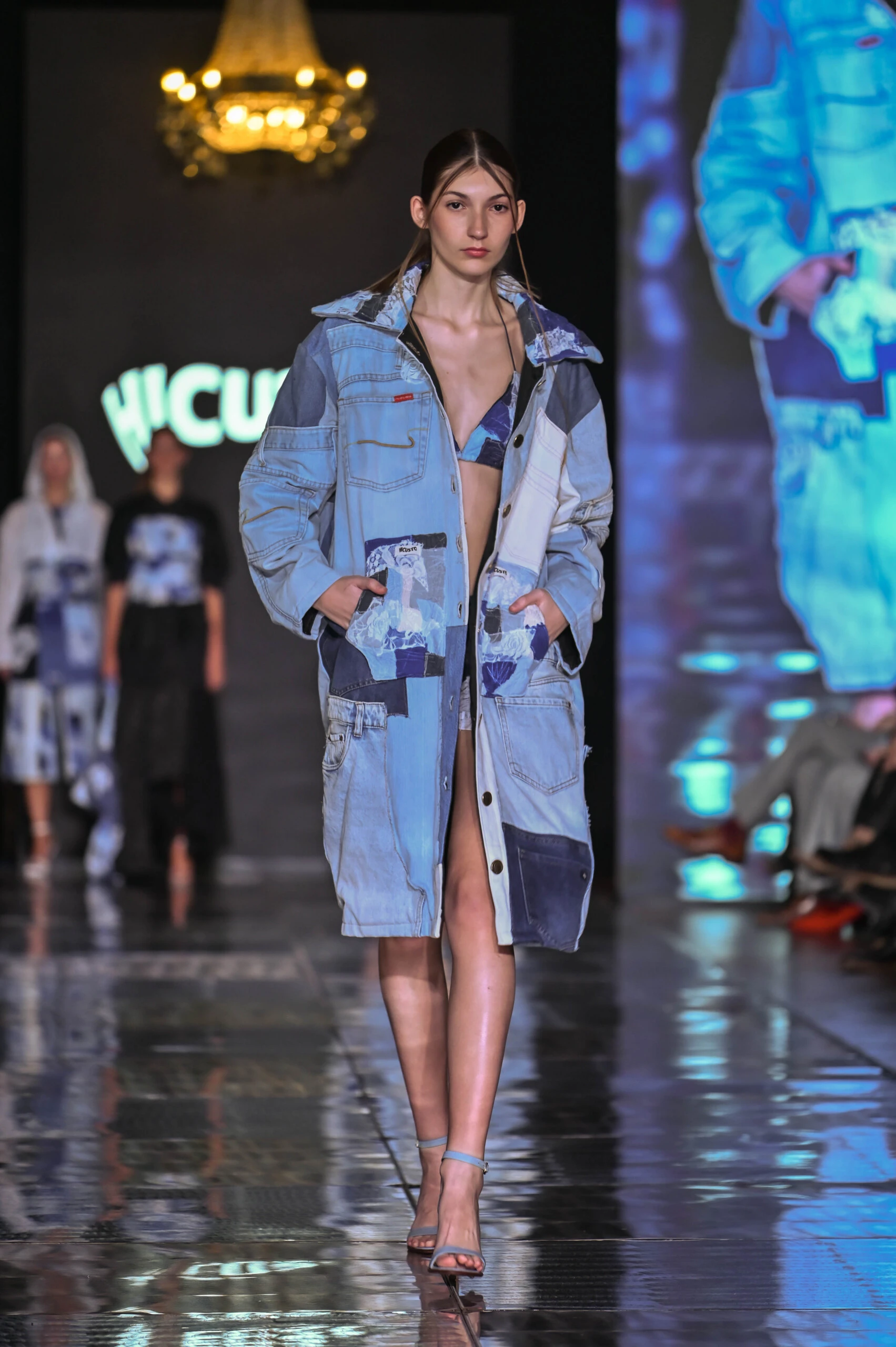
HICUSTO: desarmar para volver a construir
With Fragments, Manuela Rodríguez proposes to look at what seems broken in a new way.
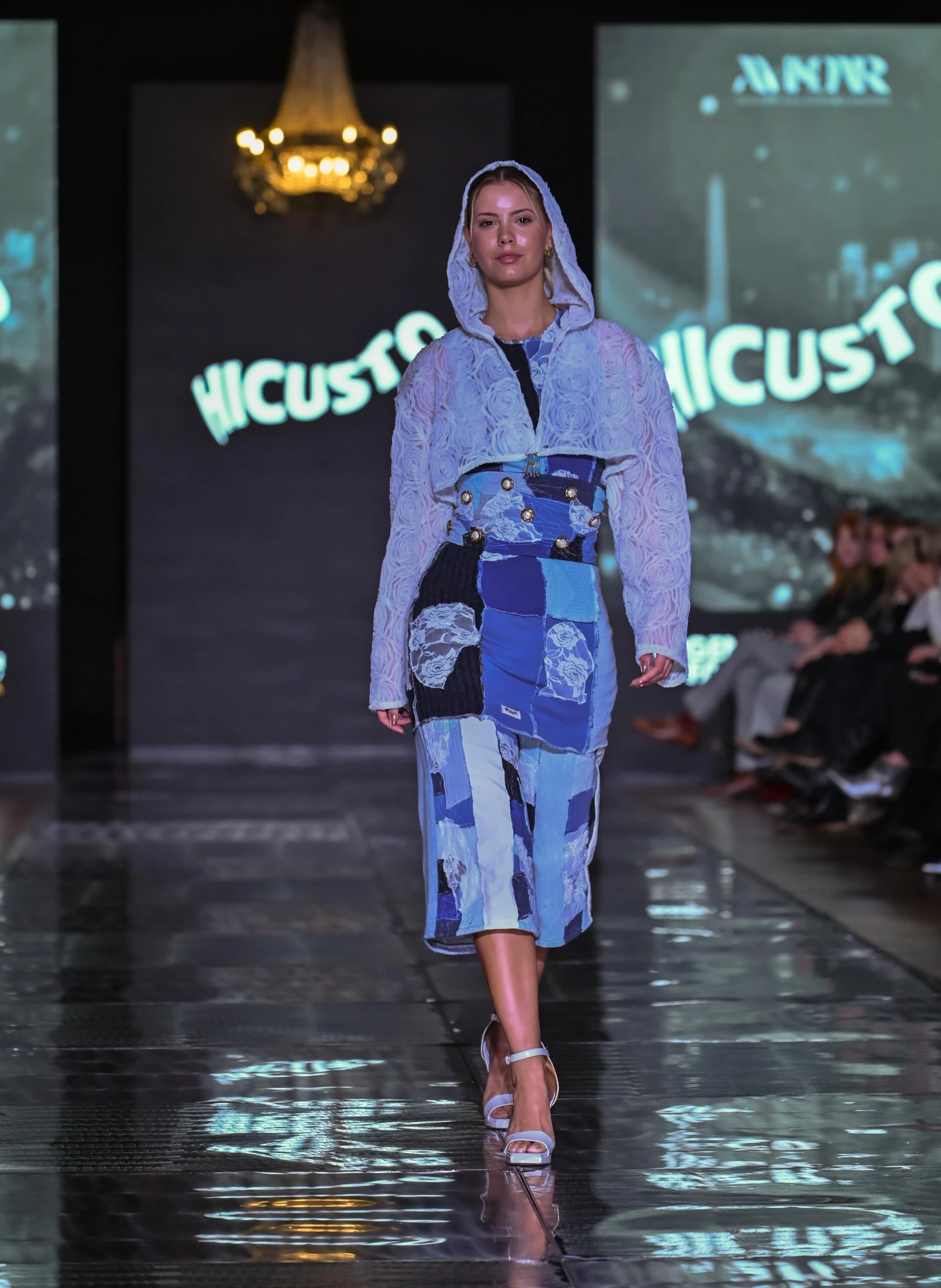
The collection starts from the idea that what is fragmented is not necessarily lost, but can be disassembled to find a new form.
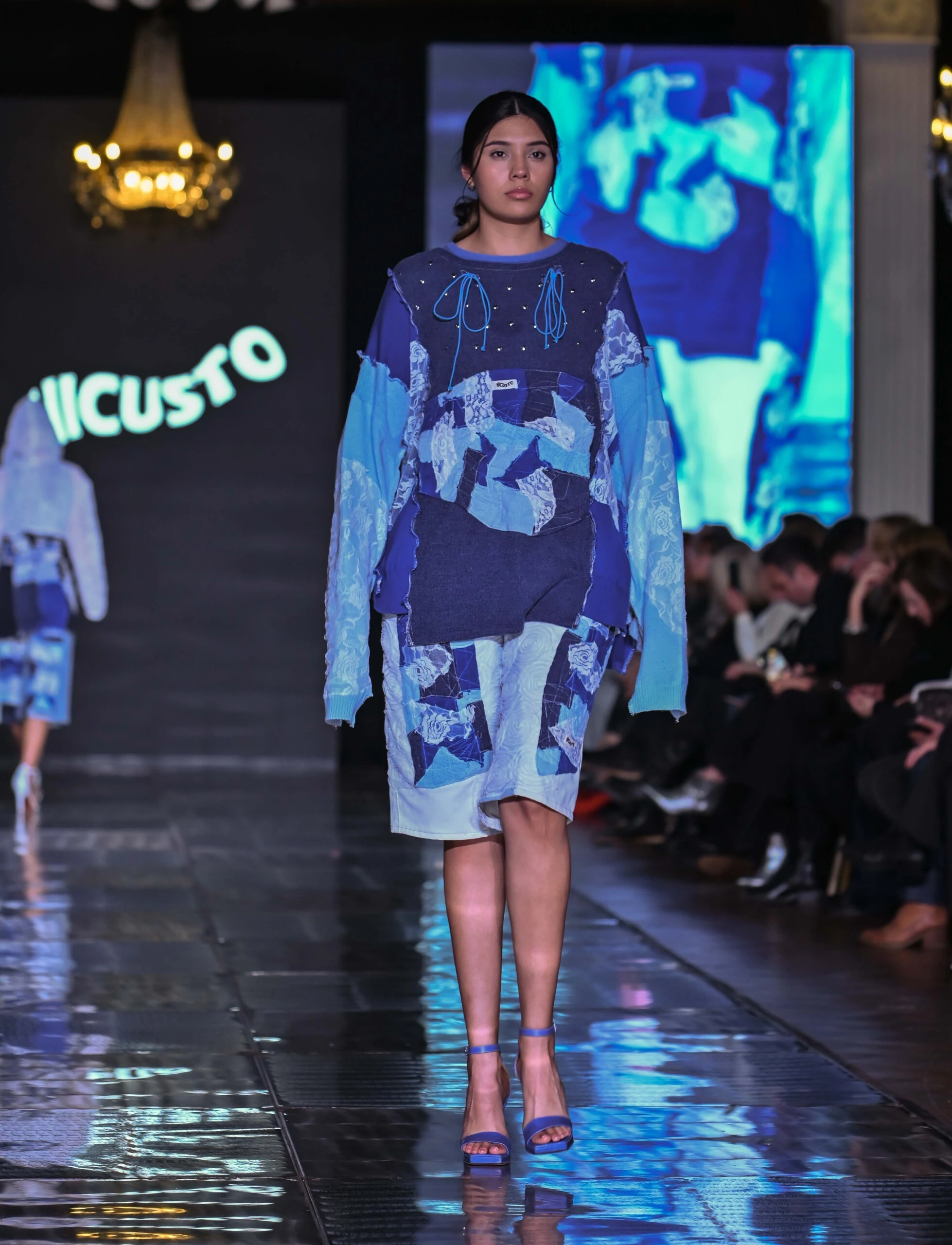
Reconstruction thus becomes the design axis and opens up new possibilities from elements we already know.
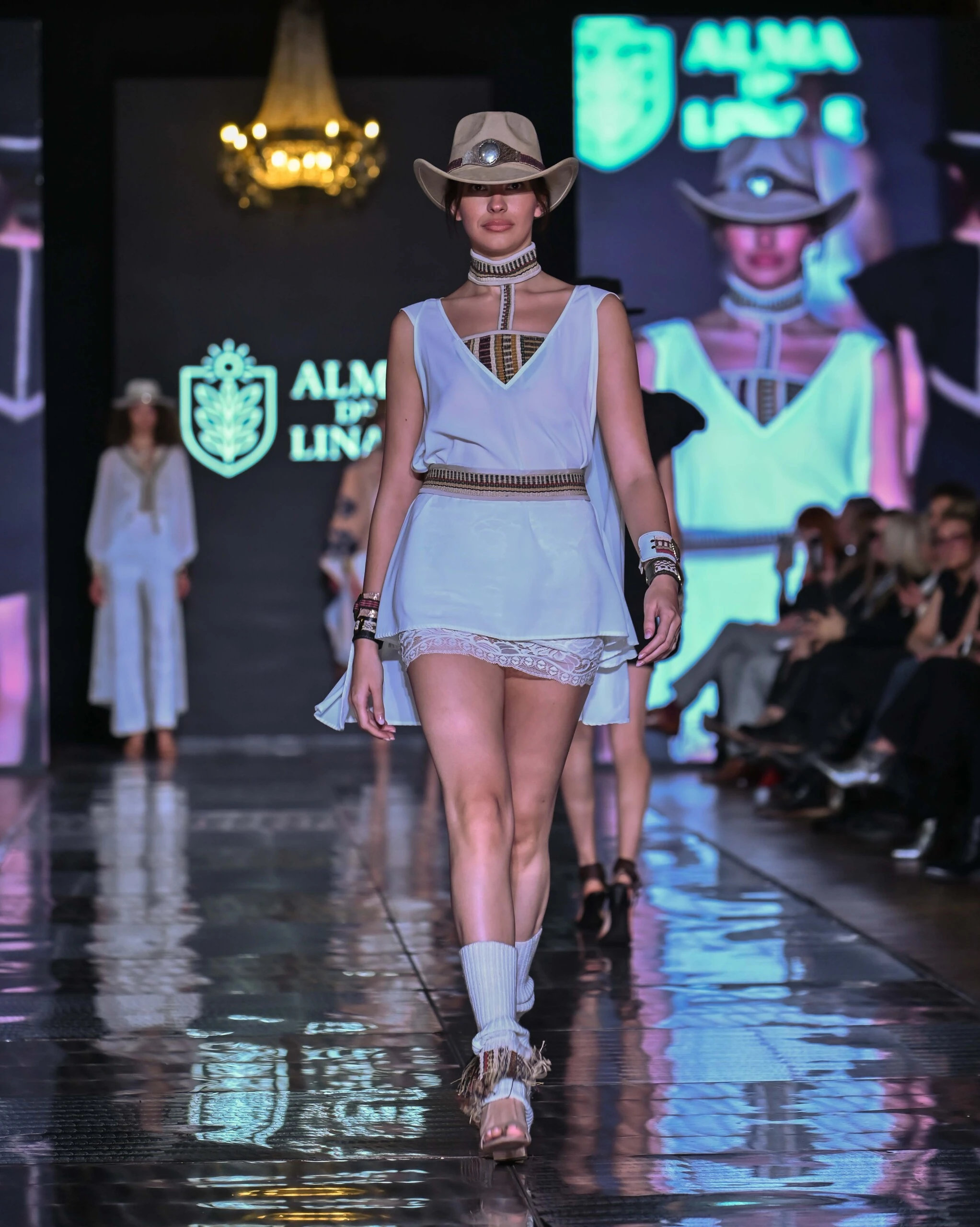
Alma de Linaje: materials that tell a story
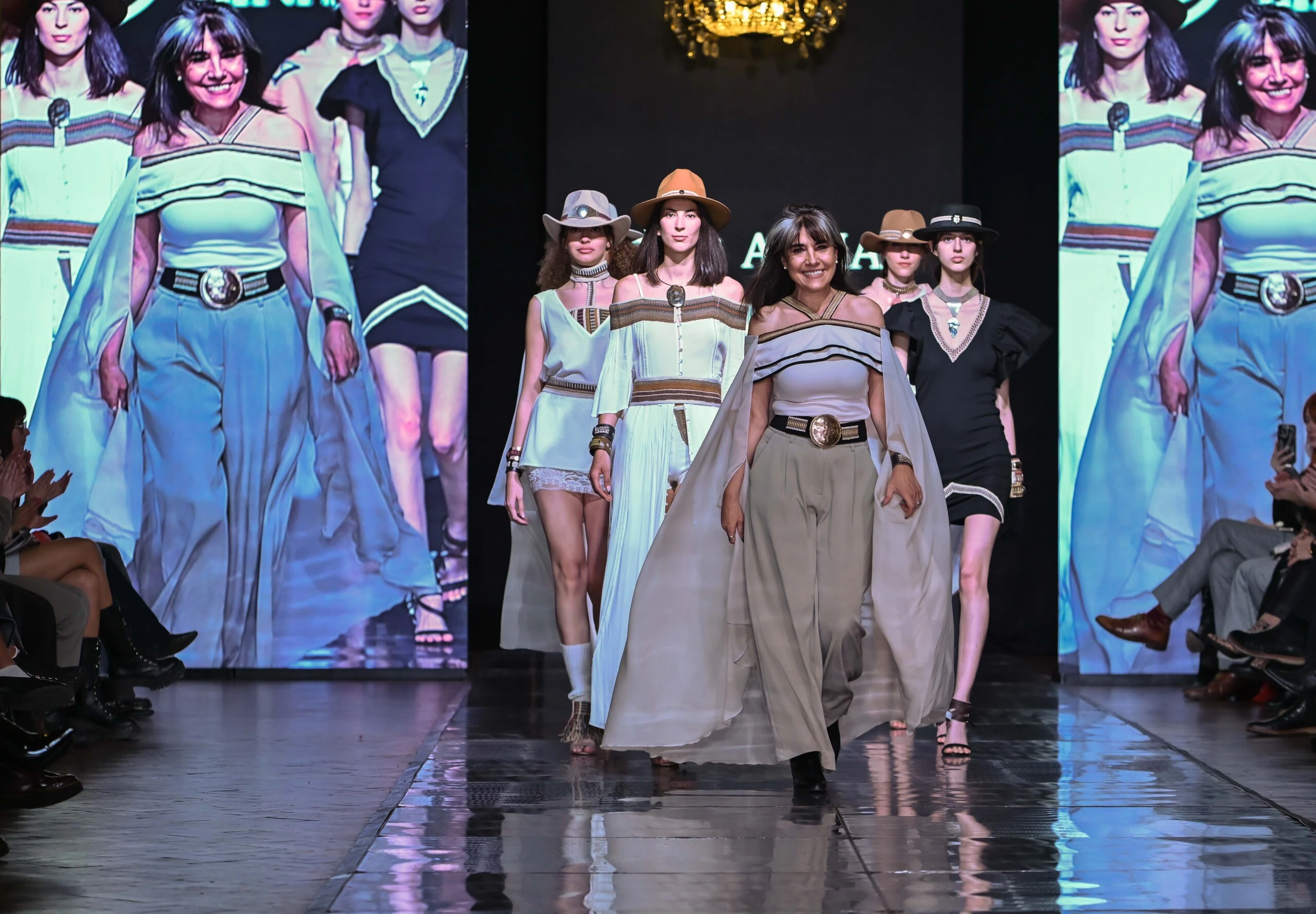
Legacies of My Land, by Gabriela Hernández, brings together materials, tradition and contemporary design.
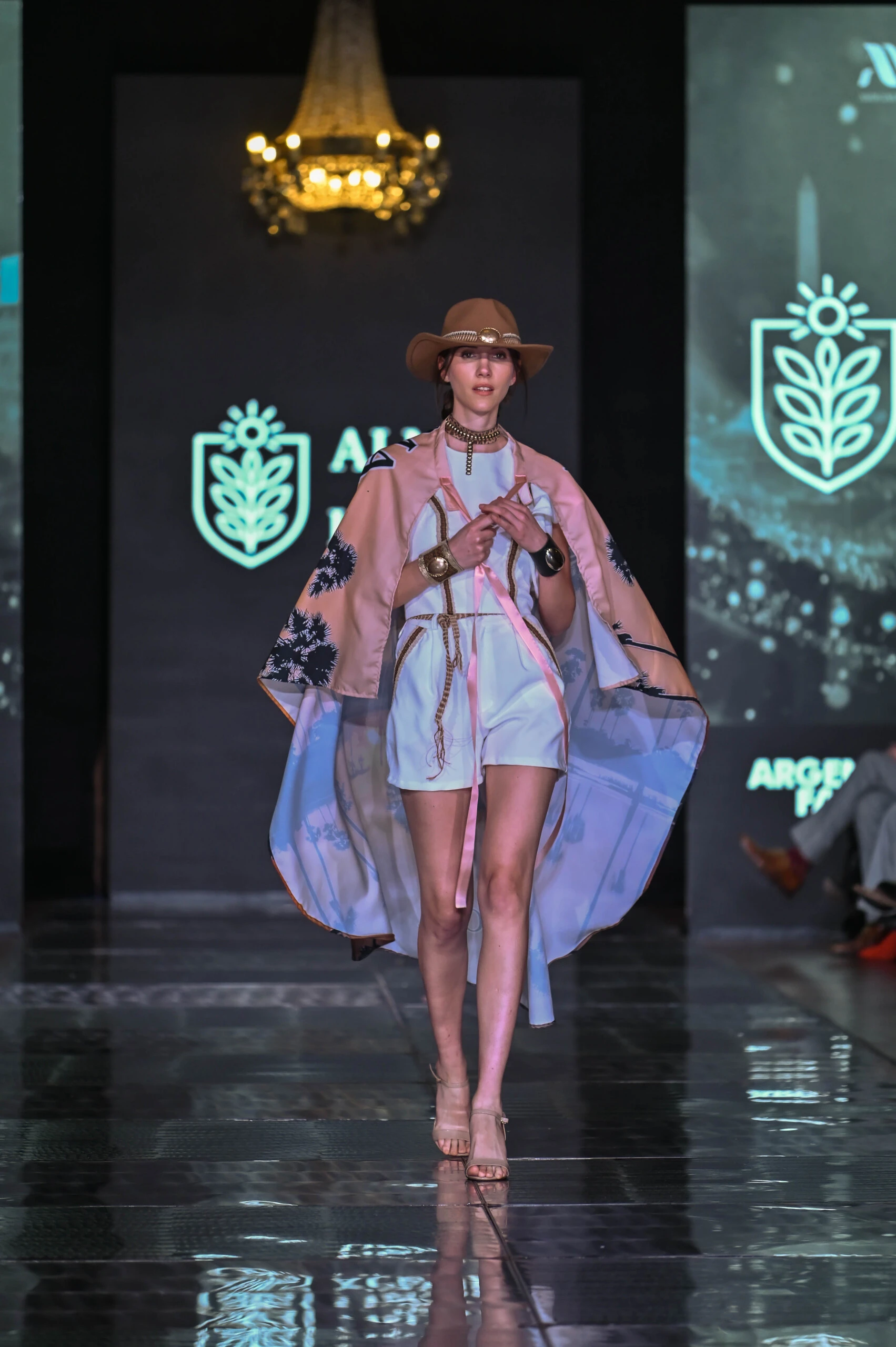
The proposal uses leather and chaguar, reclaiming materials and knowledge tied to artisanal and territorial identity.
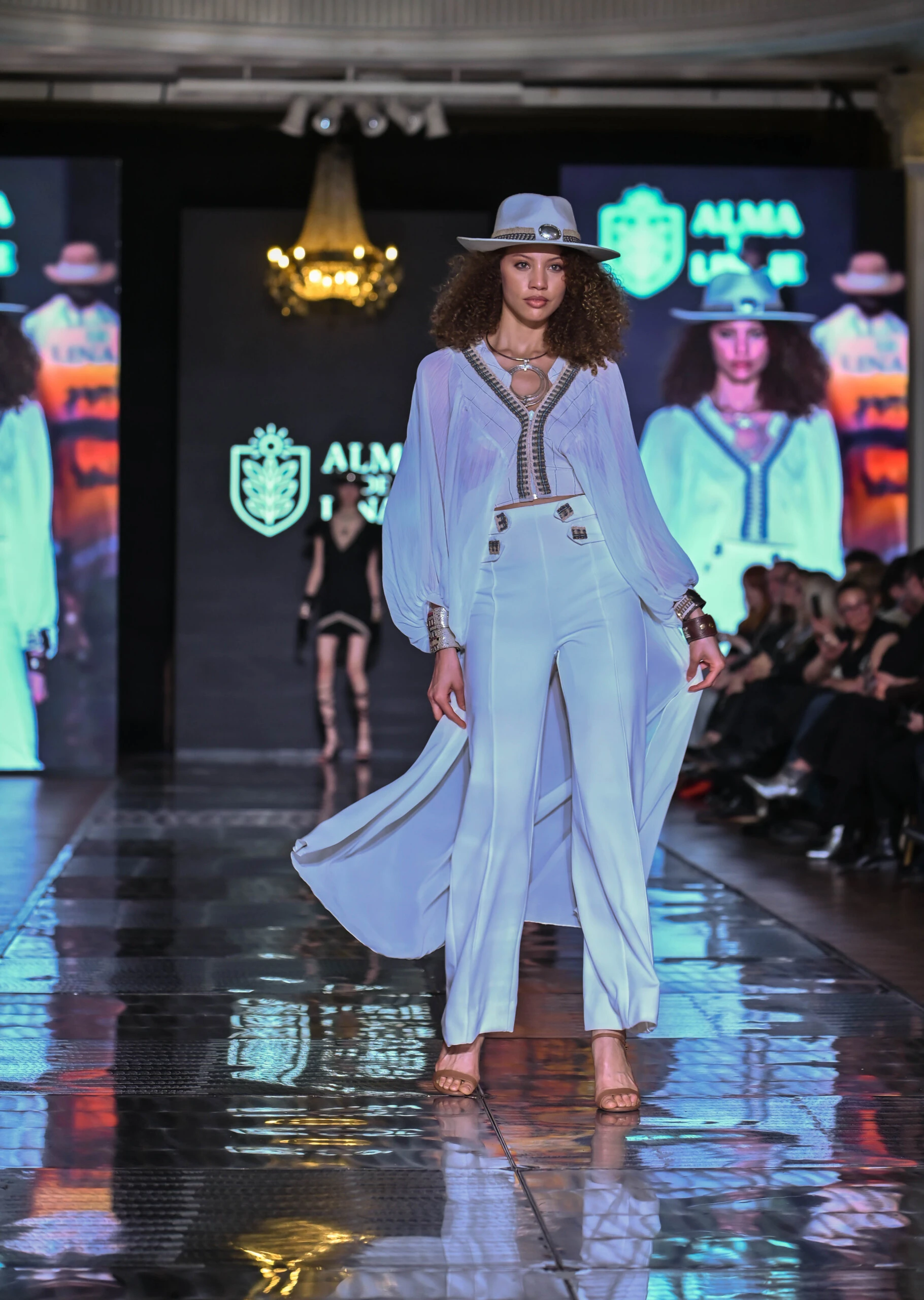
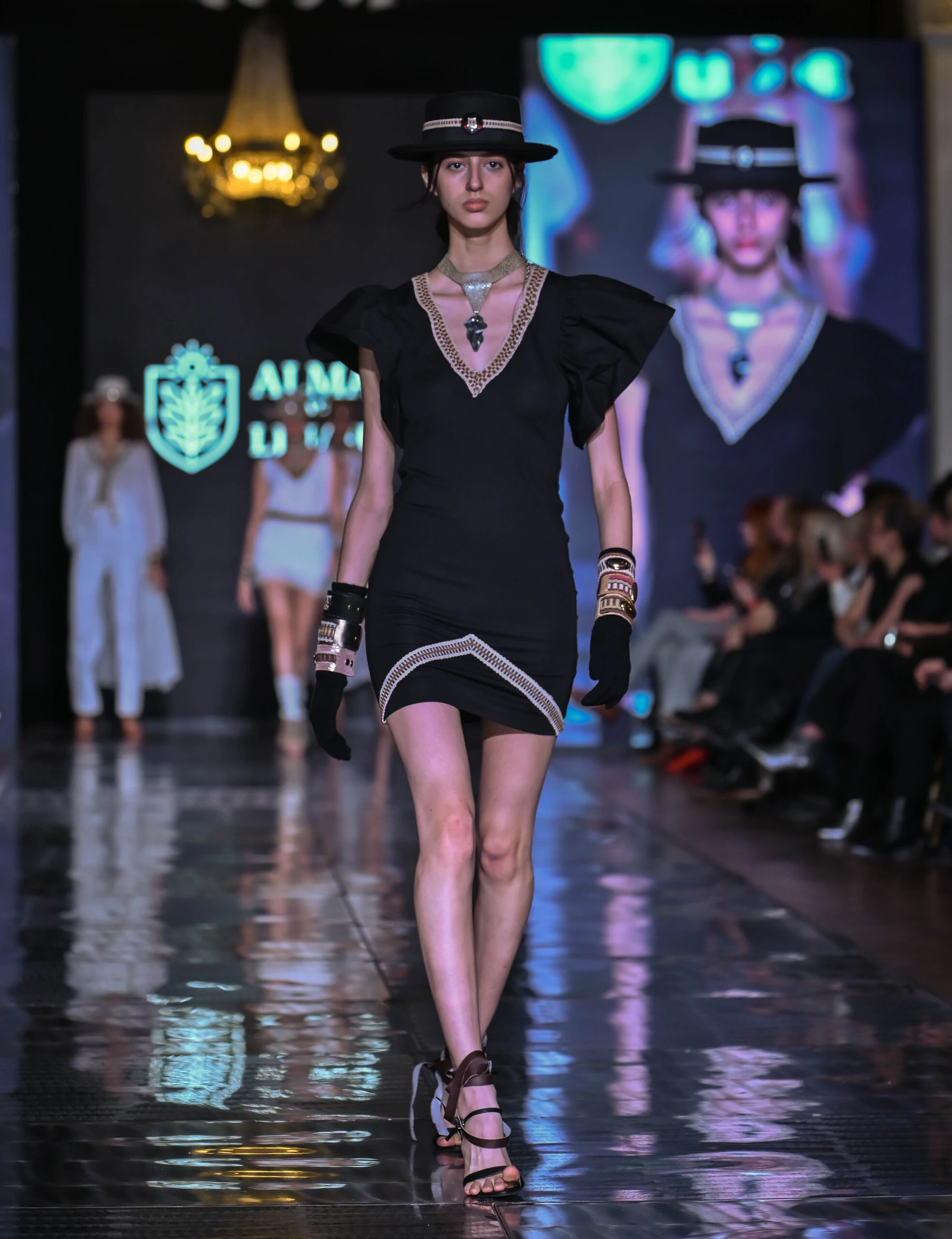
The focus is on the value of knowledge transmitted generation to generation and its ability to find new forms within current fashion.
Cosecha Vintage: “Don’t Throw Me Away, I’m the Future”
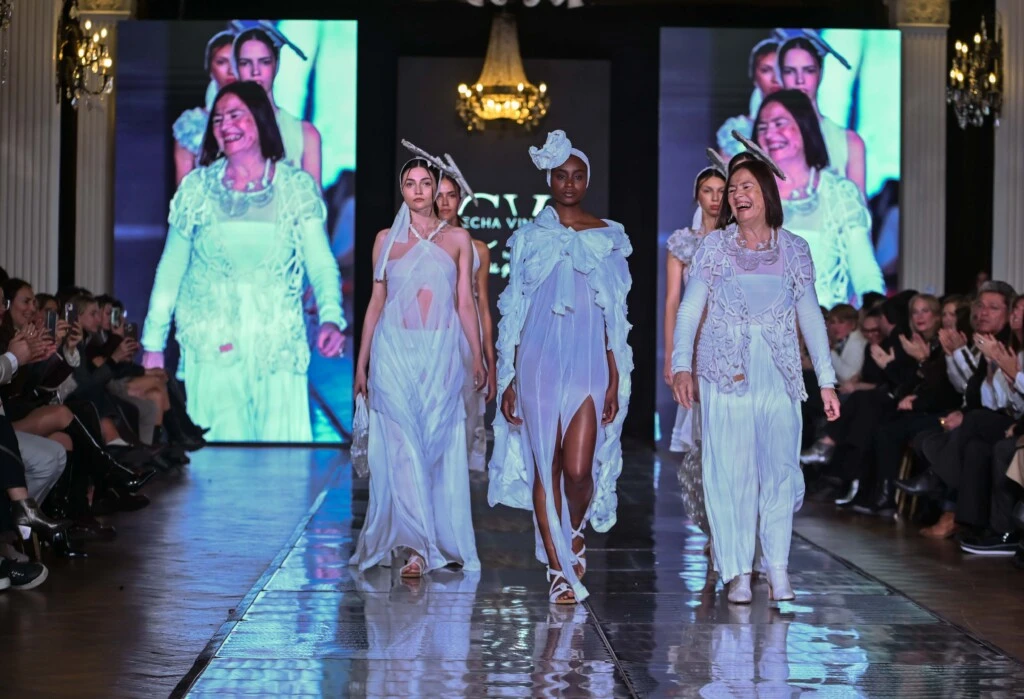
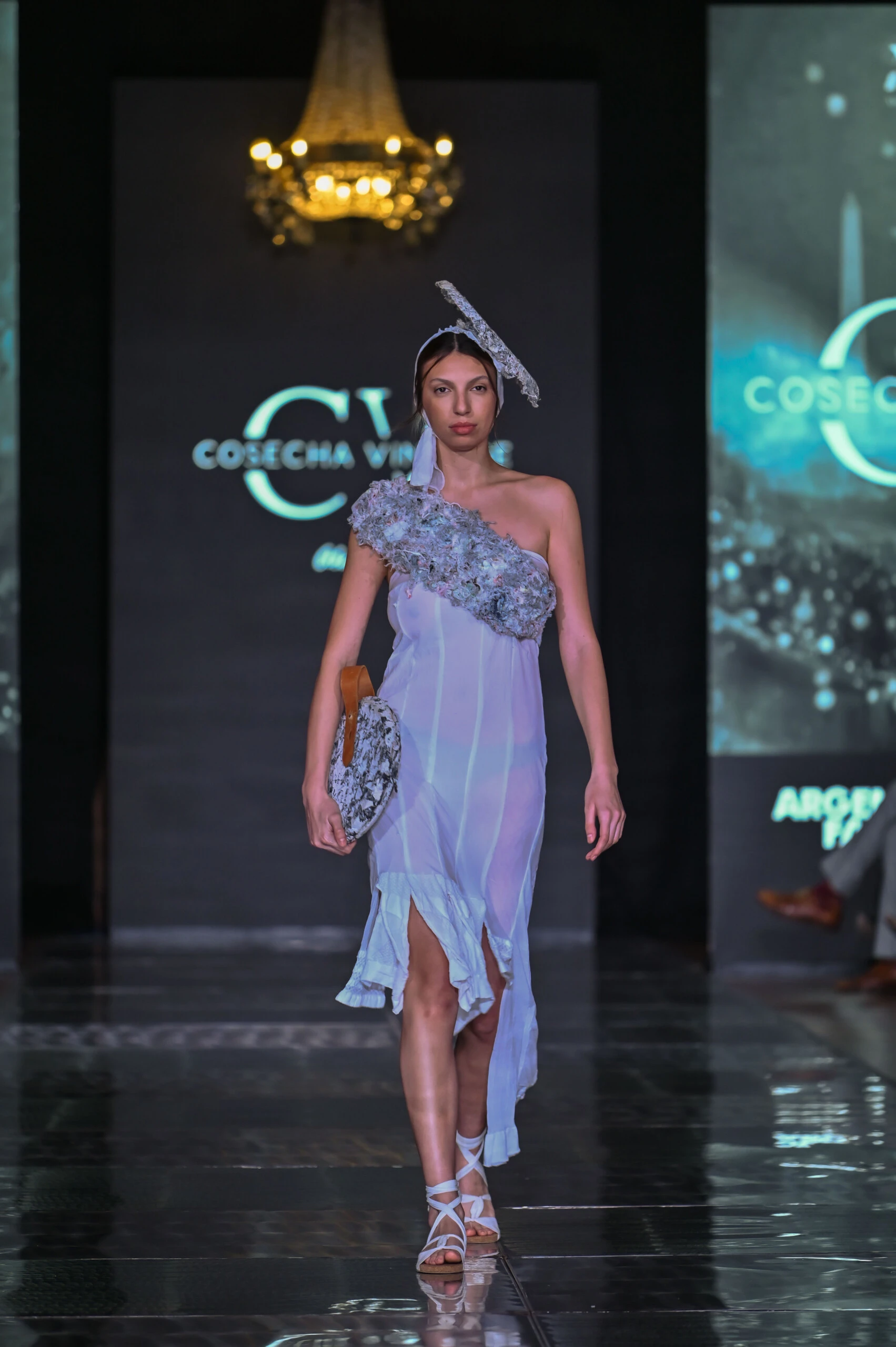
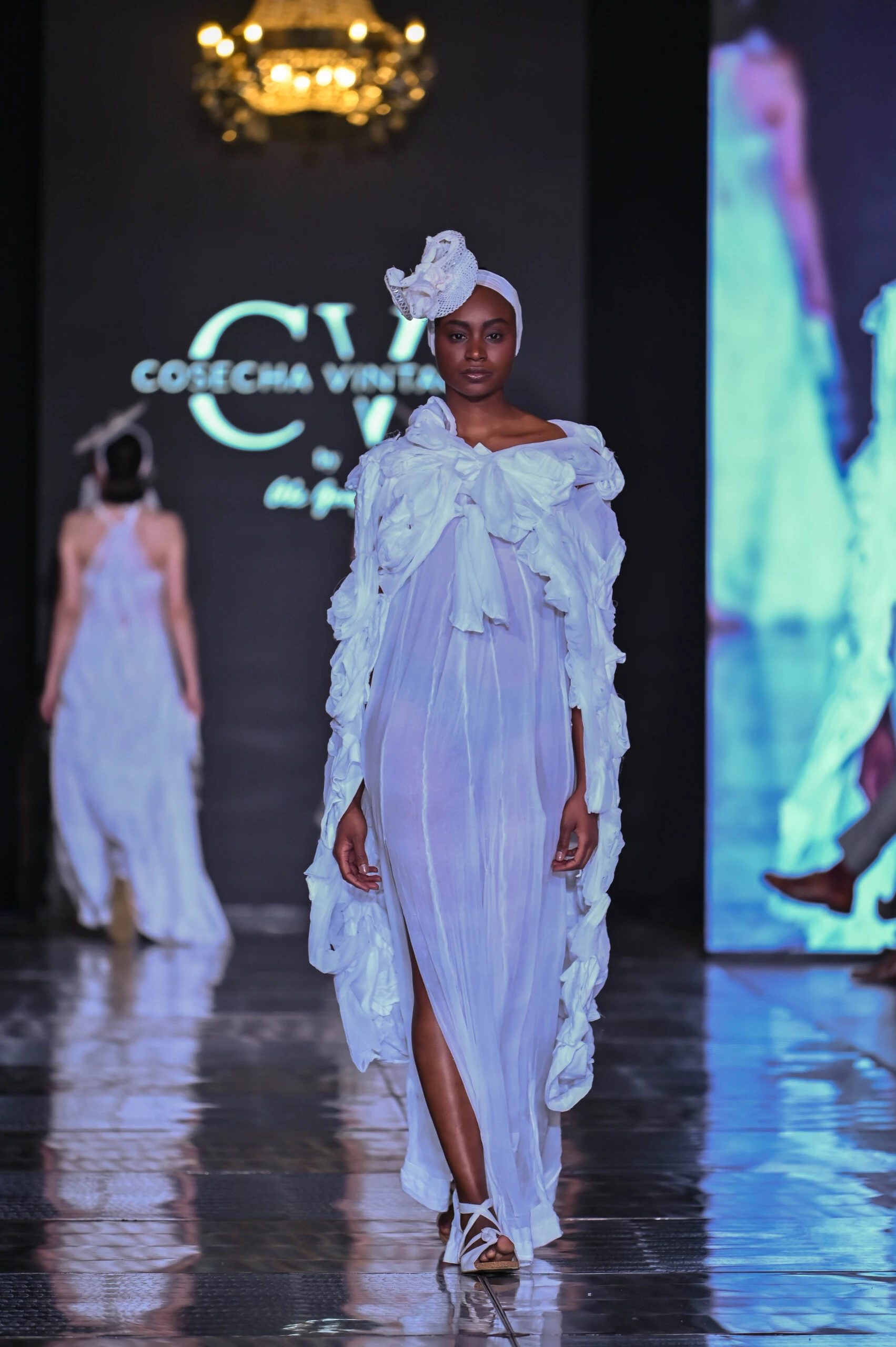
One of the most conceptual proposals on the runway was No me tires. I’m the future., by Alejandra Gougy for Cosecha Vintage.
The installation poses a direct question to the industry: what happens to what we discard?
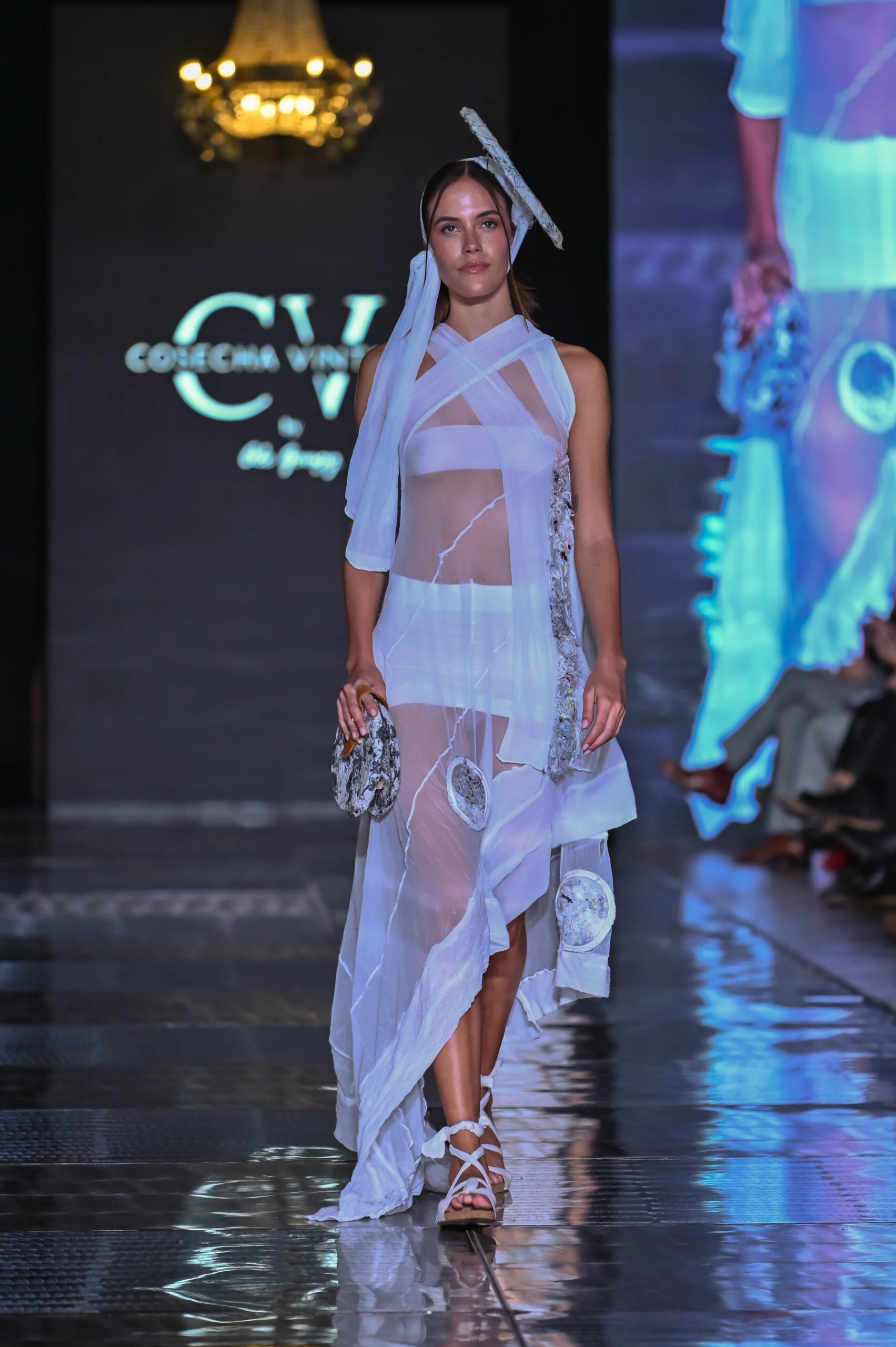
The collection includes pieces made from discarded nylon stockings, textile residues and Requecho. The headdresses and purses were developed using the Requecho technique, in collaboration with a project that processes post-cut textile waste and turns it into textile bricks.
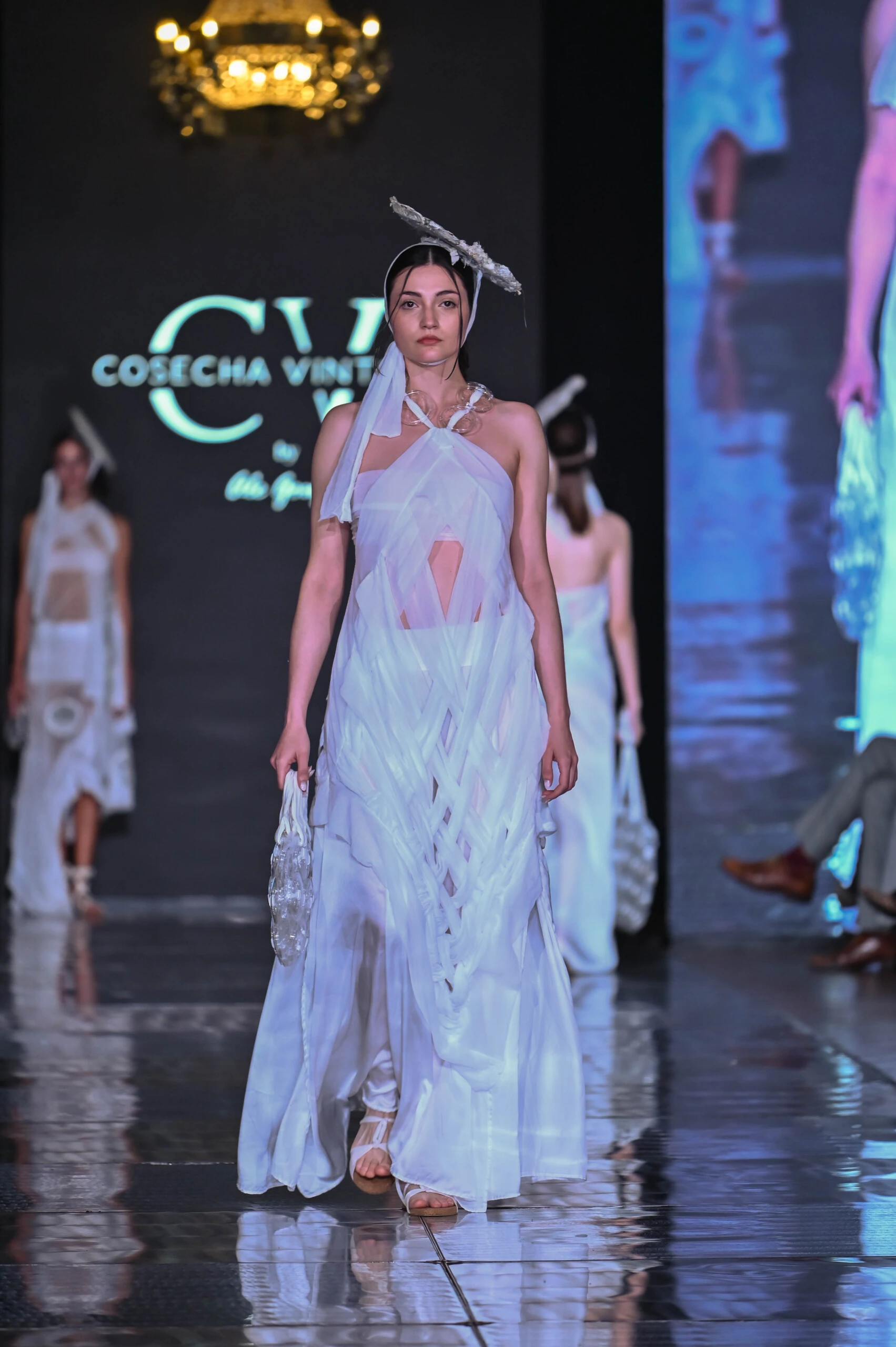
Thus, waste ceases to be the end of a garment and becomes the starting point for a new design possibility.
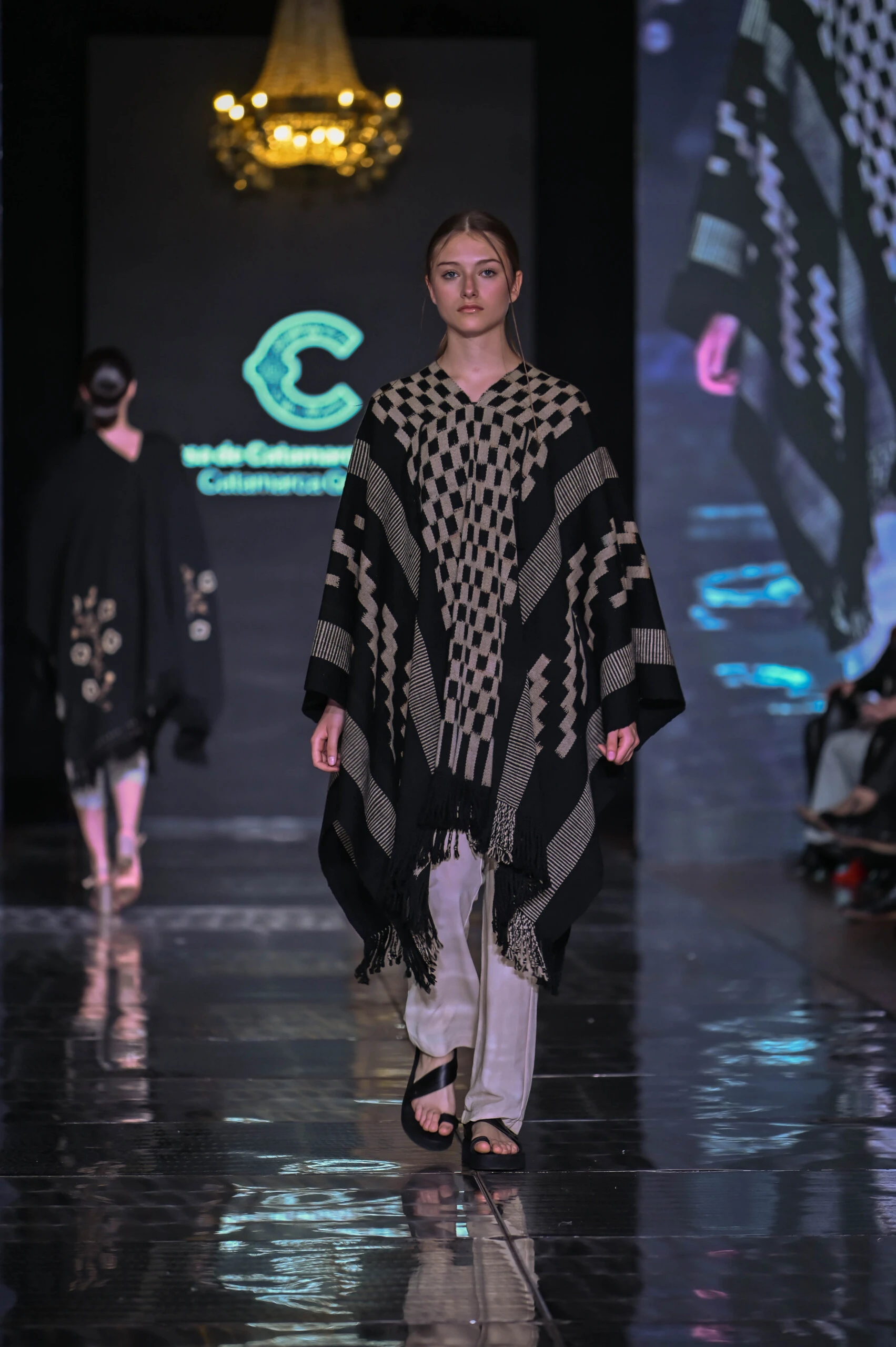
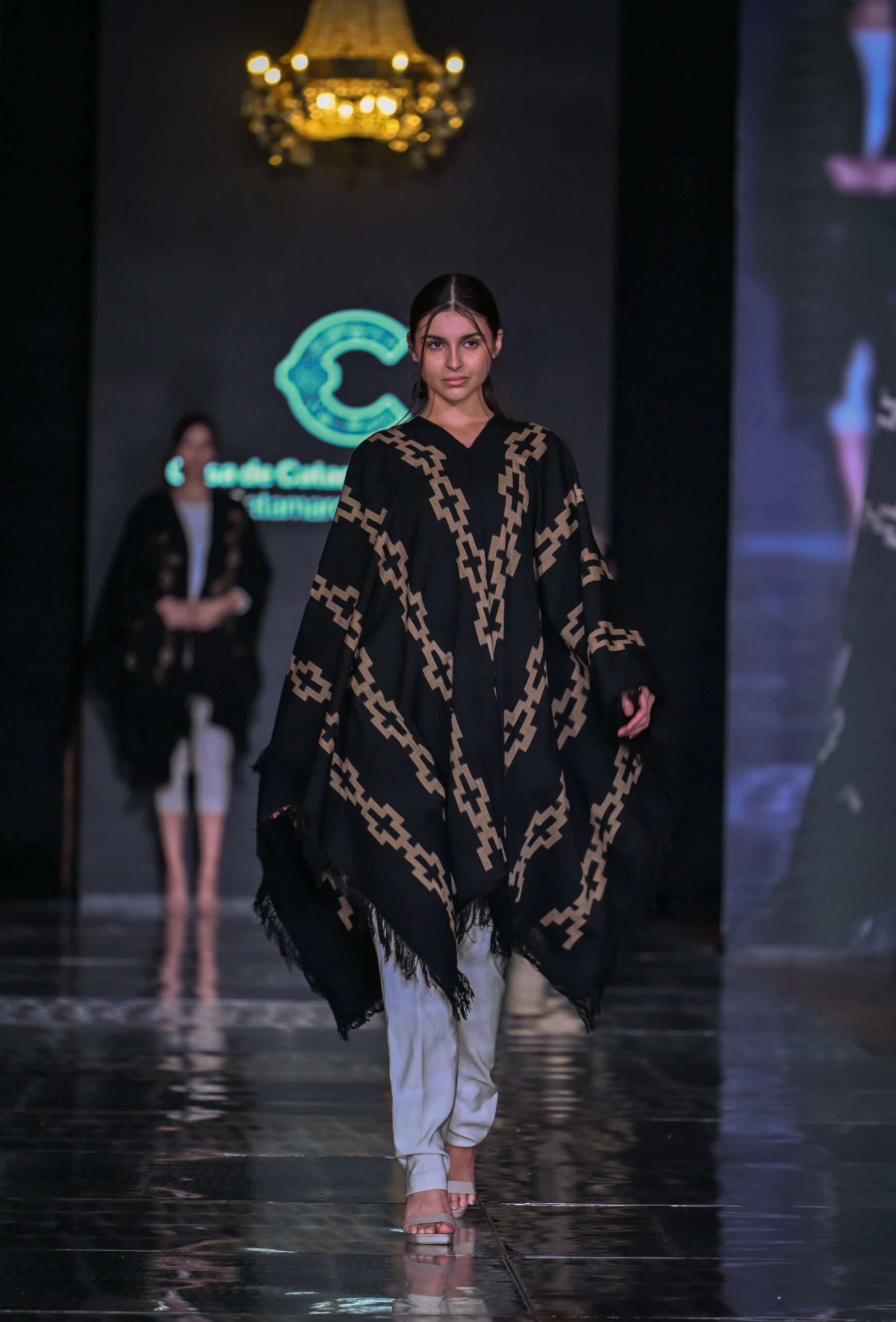
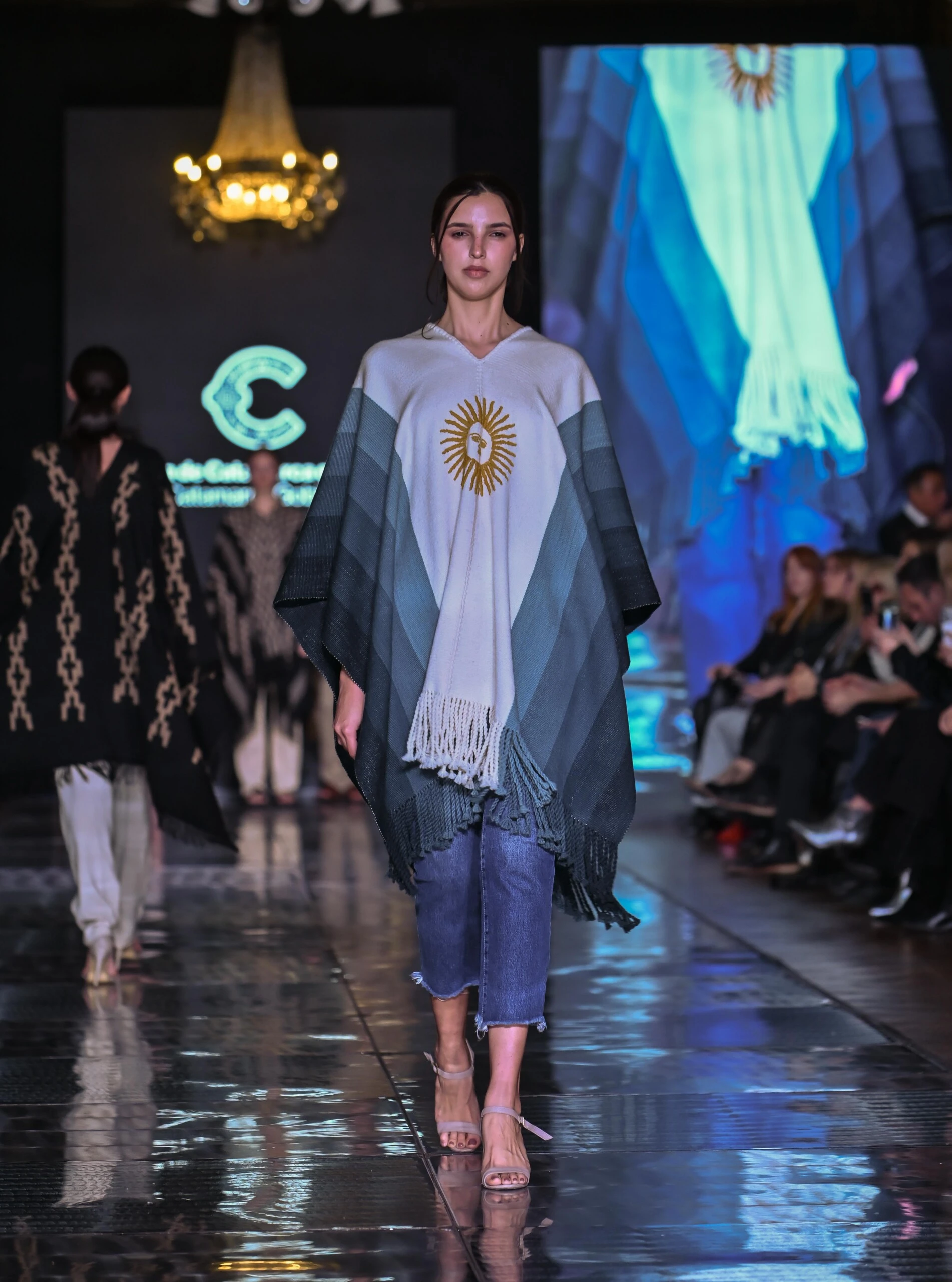
Casa de Catamarca: the textile tradition arrives on the runway
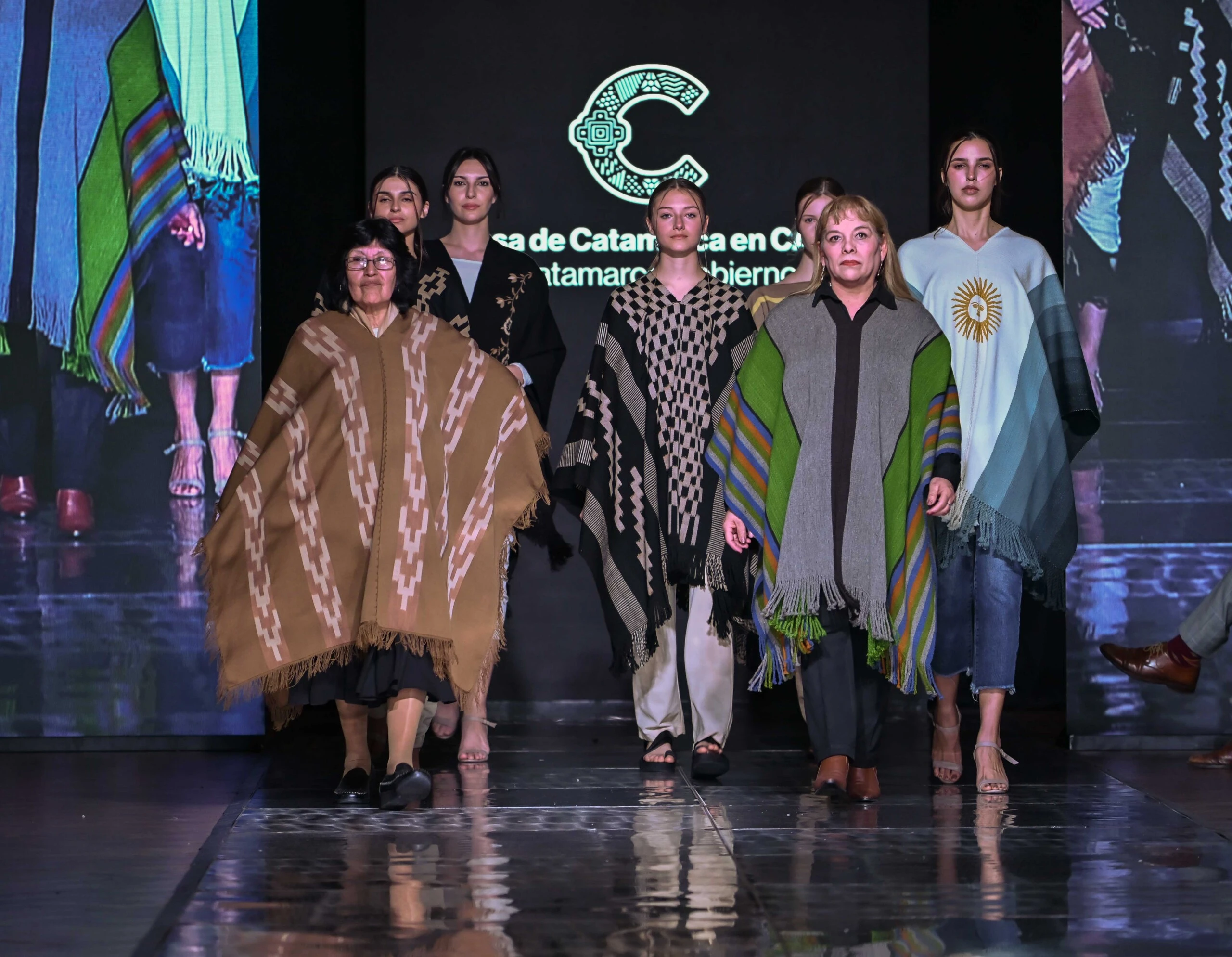
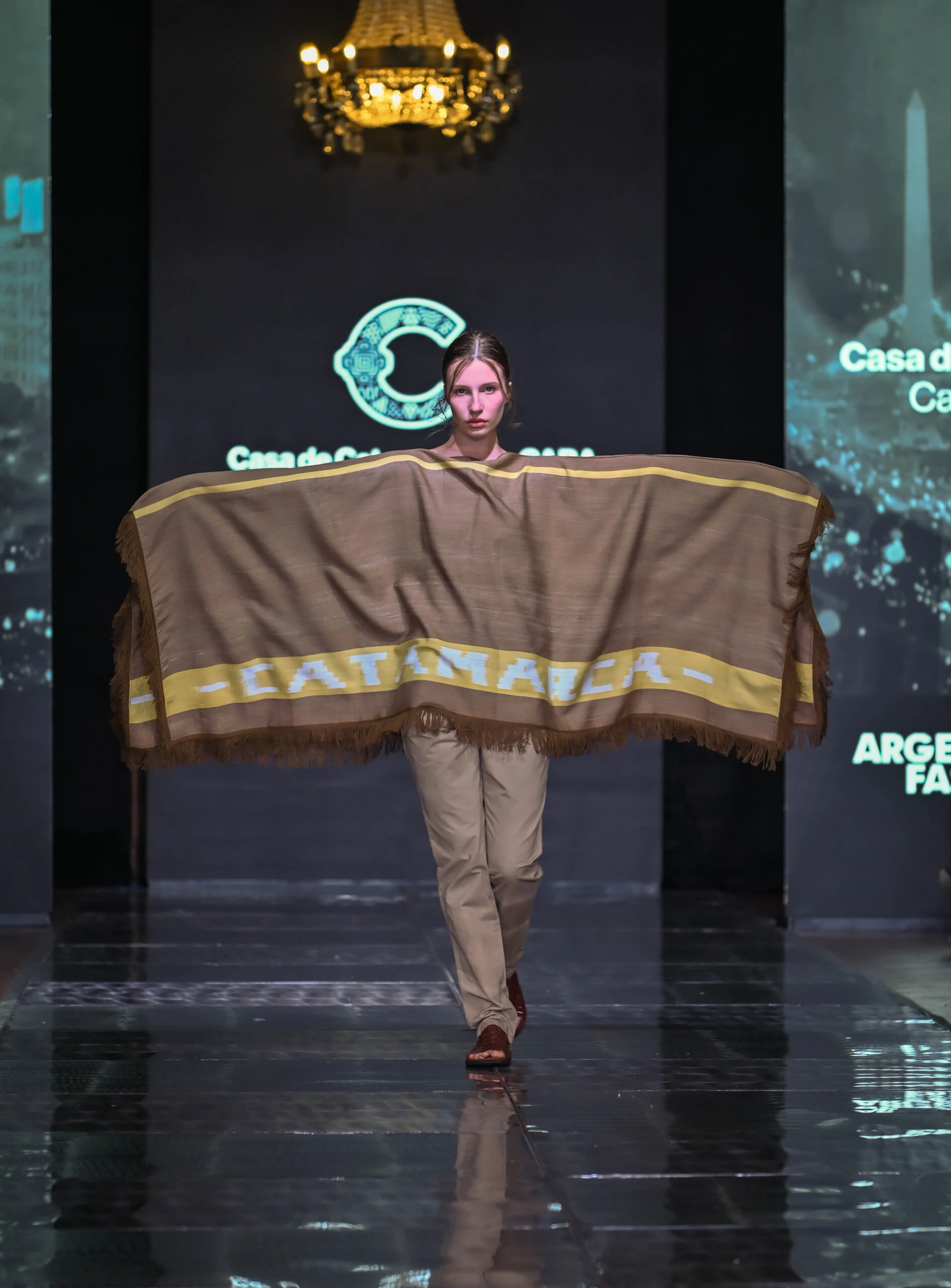
As a special participant, Casa de Catamarca, the official representation of the Provincial Government, presented a selection that highlighted the work of artisans and the province’s textile tradition.
The proposal was represented by Rosa Alancay, a craftswoman from Belén and head of Catamarca’s area of crafts and textiles.
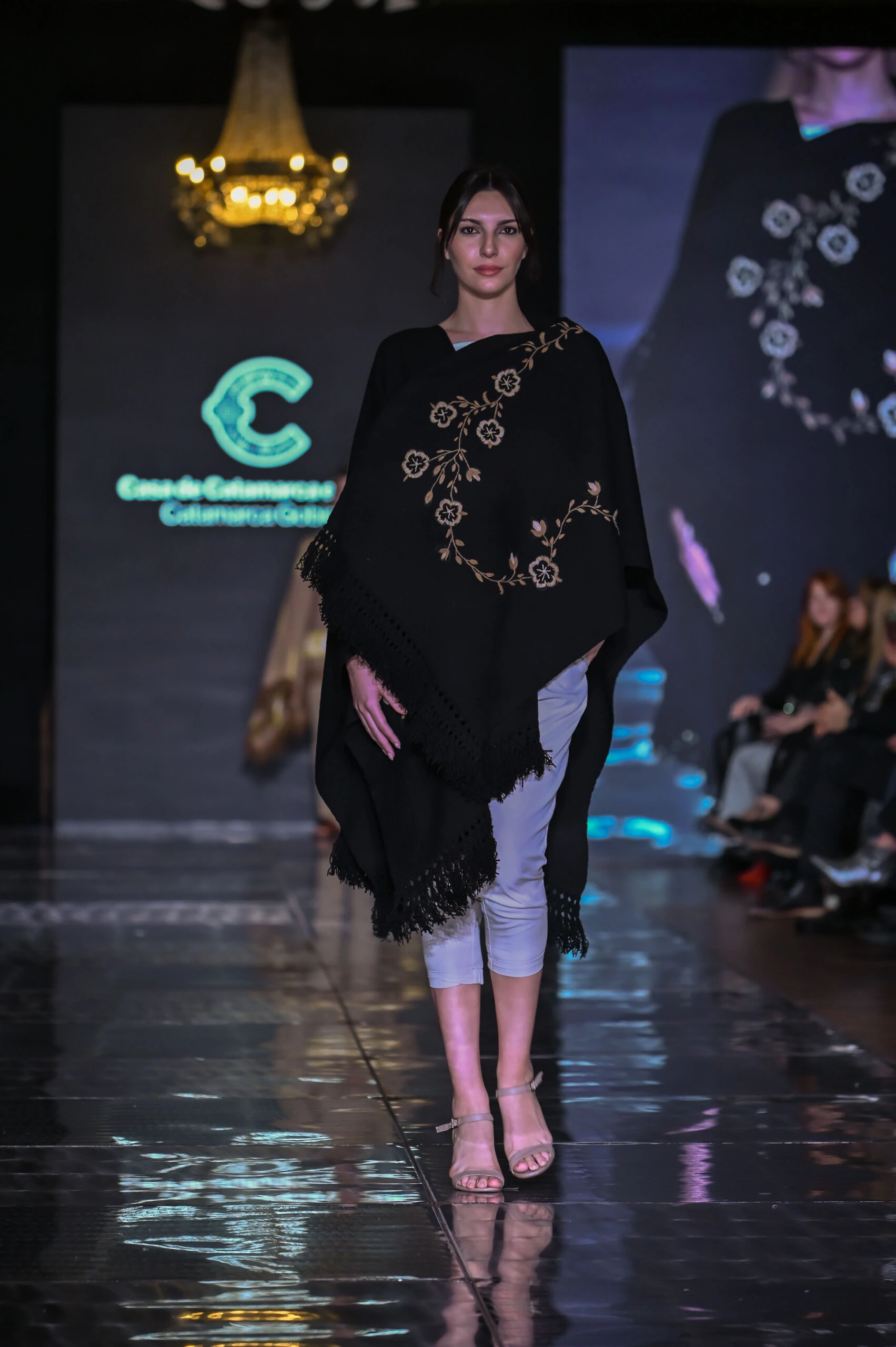
Among the pieces were ponchos and ruanas made from sheep wool and alpaca, some with hand embroidery and others with traditional designs such as the damero with peinecillo, eight-stripe borders and compositions inspired by the province’s identity.
The AMSOAR Runway left a clear idea within Argentina Fashion Week: sustainable fashion can take many forms.
It can mean reclaiming a textile, preserving an ancestral technique, working with natural materials, reusing a discard, or turning a territorial tradition into a contemporary proposition.
All the collections shared, despite their very different languages, a single view: creating with what we have, with what we can recover and with the know-how that is worth preserving.

Angel Byrne
I write about fashion with a personal eye for detail, elegance, and real-life style. Through Angel’s Boutique, I share honest reviews, boutique finds, and style notes for women who want inspiration that feels feminine, modern, and easy to make their own.