
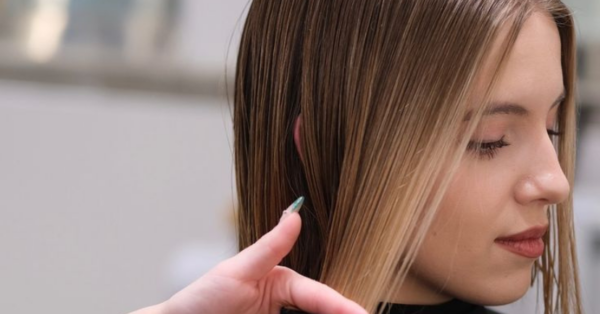
Running your hand along the ends and noticing they have lost smoothness or are more tangled than usual is a common scene. Faced with that sign, the first reaction is often to postpone a trip to the hairdresser for fear of losing length. However, the capillary paradox is real: cutting hair regularly does not slow growth, but it is the ultimate secret for hair to grow strong, with volume and visibly healthy appearance.
The Three-Month Rule: A Reference That Depends on Each Hair
Stylists generally recommend trimming the ends every six weeks or, at most, every three months. This time window works as an excellent starting point, but it is not a rigid rule for everyone. The ideal frequency directly depends on the condition of the hair fiber, since virgin or minimally heat-exposed hair has different needs than hair that is weakened, dry, or damaged.
Natural hair, well hydrated and protected from thermal damage, can withstand weeks without showing visible deterioration. By contrast, when there are ongoing external aggressions, maintenance intervals shorten significantly to prevent wear from becoming irreversible.
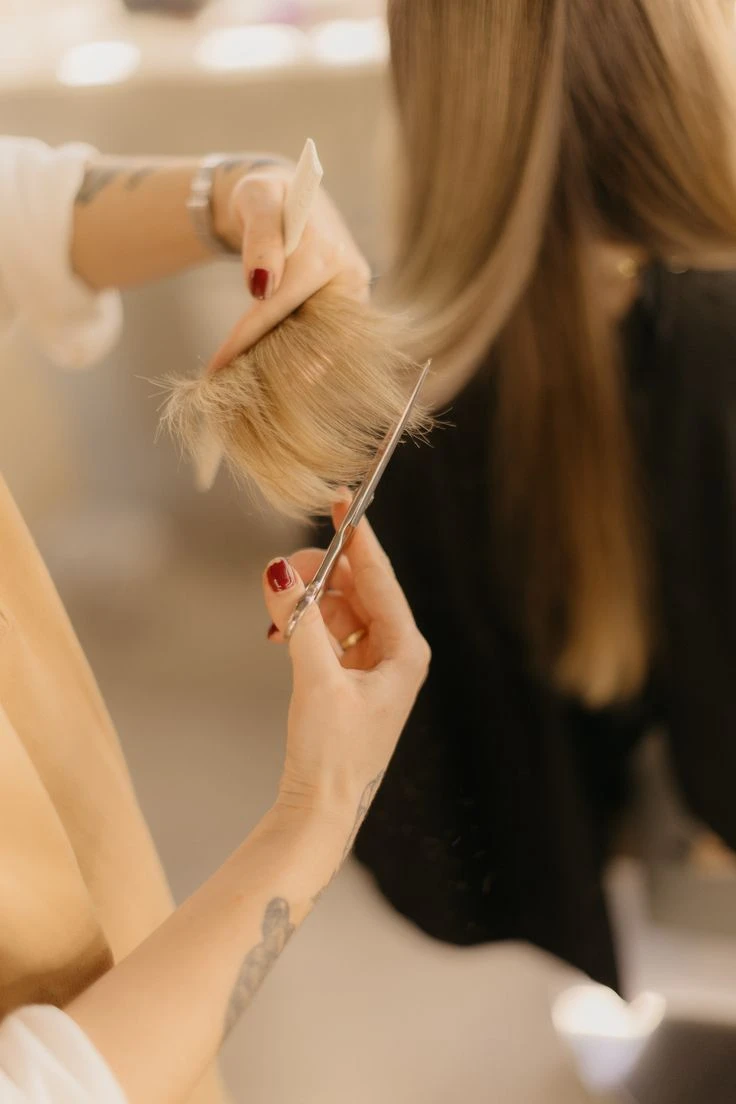
Factors that Accelerate End Wear
Bleachings, frequent dyes, daily use of straighteners, and blow-drying at high temperatures progressively erode the fiber. Add seasonal aggressions: during hot months, sea salt wears down keratin fibers due to its high pH (around 7.8). This increases the porosity of the cuticle, promotes the appearance of split ends, and creates a constant sense of dryness and loss of elasticity.
Beyond the calendar, the key is to observe the evolution of the last few centimeters. When the texture becomes coarse, shine fades, and the fiber loses mobility, the hair is signaling that it needs a touch-up at the salon.
Trimming the Ends to Grow It: The Paradox That Works
It may sound contradictory, but trimming off the ends regularly is the most effective strategy for those aiming to grow their hair. If you maintain a routine of periodic cuts, the amount to remove is minimal: just a few millimeters of damaged ends, without sacrificing overall length.
The real problem arises when maintenance is postponed for too long. The opened split end begins to extend upward along the hair shaft, thinning the area and making it fragile. When you finally decide to pick up the scissors, a simple touch-up is no longer enough and you may need to remove several centimeters to restore a uniform and dense look.
Clear Signs That It’s Time to Reach for the Scissors
Split ends are the most evident symptom, but not the only one. It is worth paying attention to other clear indicators:
- The last few centimeters tangle more easily than usual.
- The fiber looks translucent, frayed, or lacks body at the ends.
- Hair masks, oils, or serums no longer restore softness or shine.
When the cuticle is deeply thinned and worn, no cosmetic product can permanently repair the structure. At that point, the only effective option is to trim to halt the progression of damage toward higher sections.
Preventing Damage Before Resorting to a Drastic Cut
The goal of visiting the stylist every two or three months is not to cut just for the sake of cutting, but to prevent the fiber from further deterioration. A small periodic maintenance prevents that unwanted visit in which there is no choice but a drastic change of look. In the end, the ends follow their own pace, and learning to listen to them is the first step to sporting healthy, shiny hair with movement.