
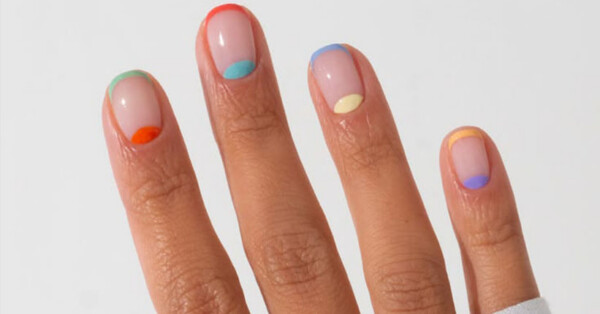
The French manicure proves once again that it remains one of those beauty classics capable of reinventing itself over and over. After micro French, colored tips, chrome finishes and translucent versions, this season the focus shifts: the detail moves away from the tip and settles beside the cuticle.
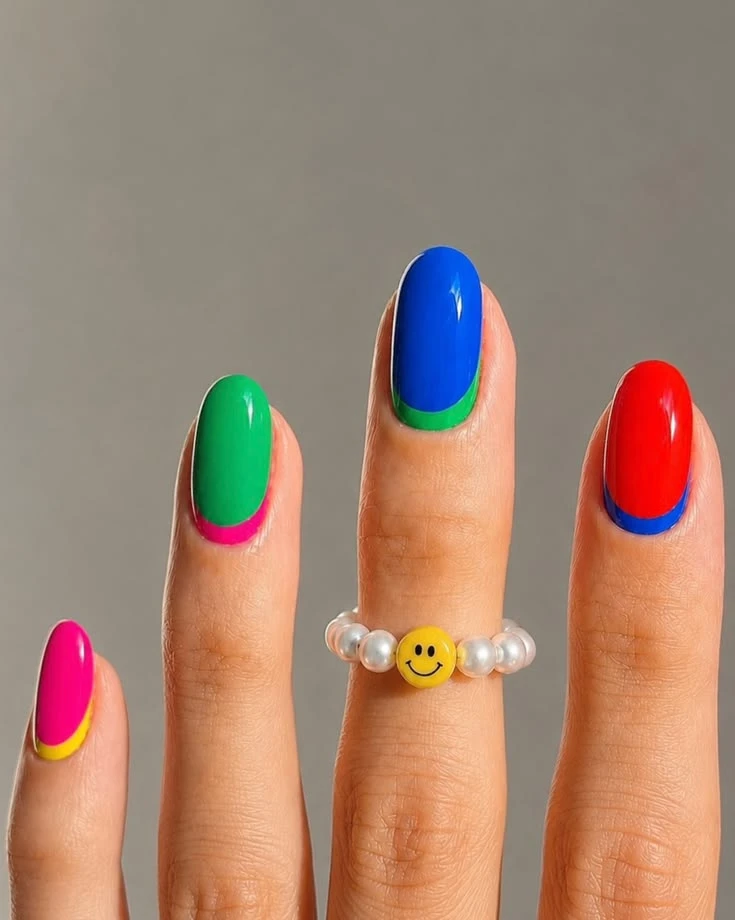
This is how the reverse French appears, also known as reverse French manicure or inverted French: a delicate yet distinct proposal that preserves the minimalist spirit of the original and adds a much more modern effect.
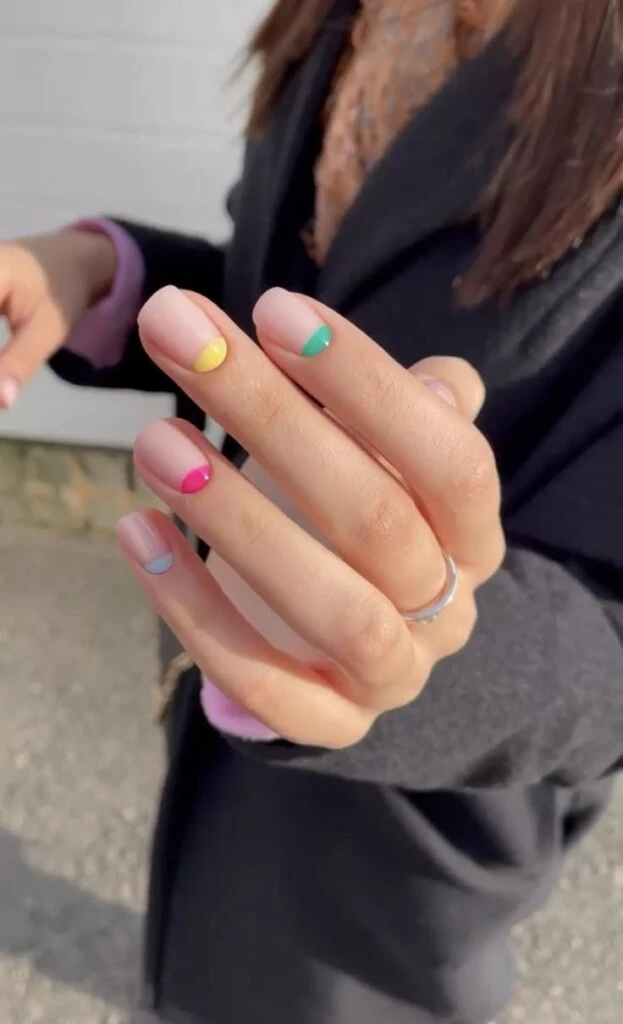
This manicure sits among the natural designs of 2026 and defined it as a discreet way to update the French trend: instead of outlining the nail tip, a fine line runs along the base.
What is the Reverse French
The idea is as simple as it is effective. In traditional French, the contrast appears on the tip of the nail. In reverse French it happens exactly the opposite: the color line is drawn very close to the cuticle.
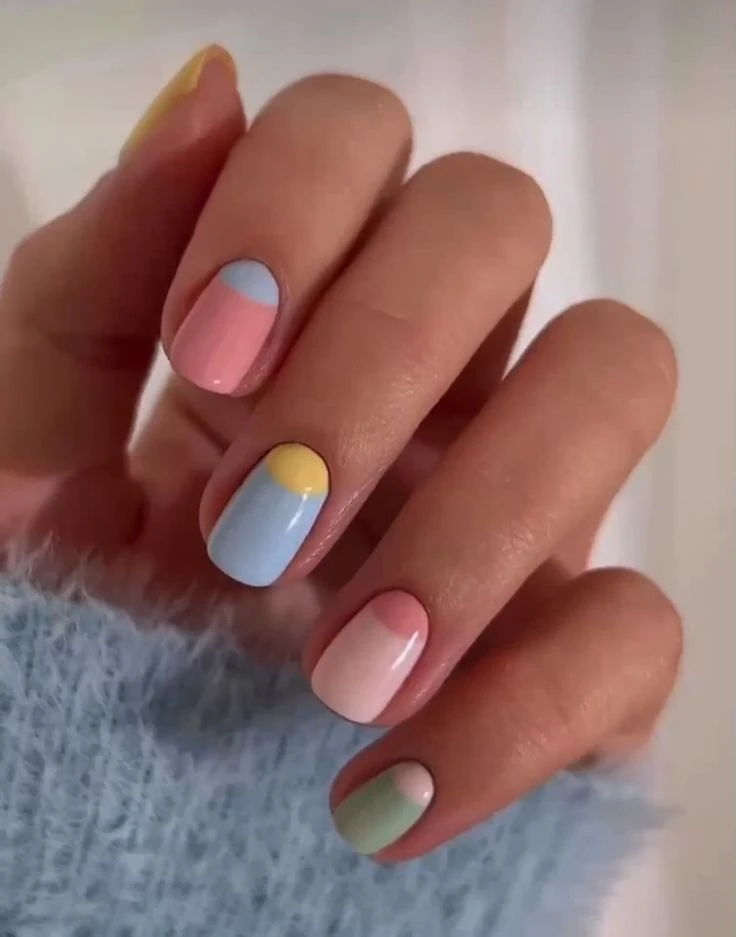
It can be done on a nude, translucent pink, or milky base to achieve a super delicate result, but it also allows for bolder combinations.
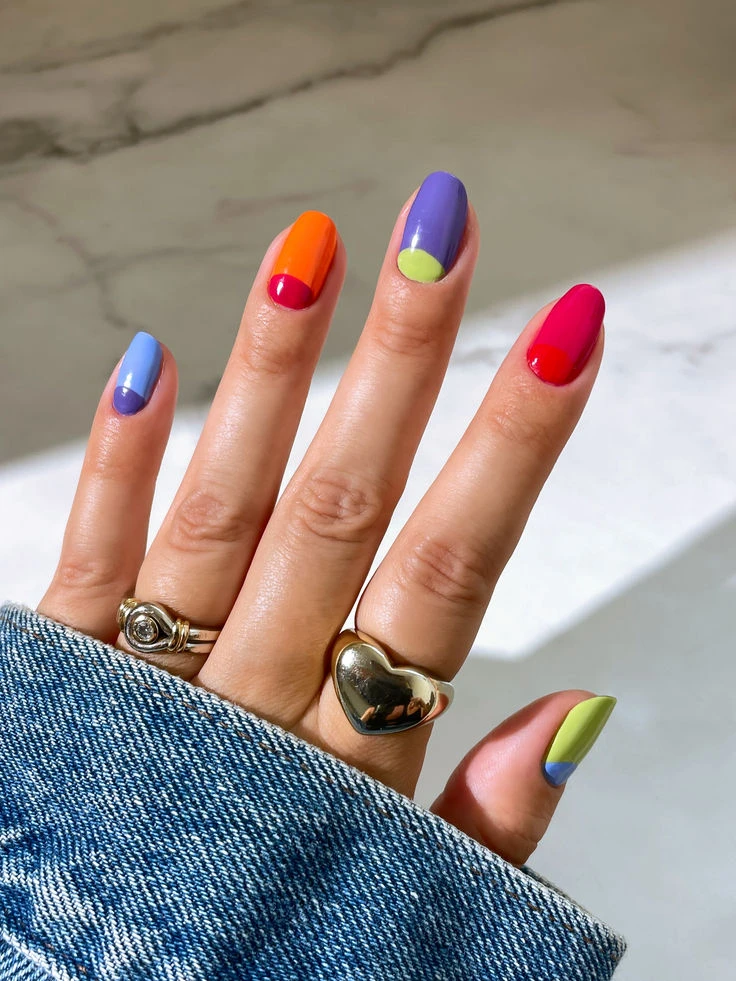
And there you have one of the reasons it’s perfect for spring: it lets you add color without coating the entire nail in a bold shade.
Why it’s set to be big for Spring 2026
The trend fits perfectly with two major currents running through 2026 manicures: on one hand, the permanent return of the French in refreshed versions; on the other, the pursuit of minimalist nail arts that allow playing with colors and textures without overloading the hands.
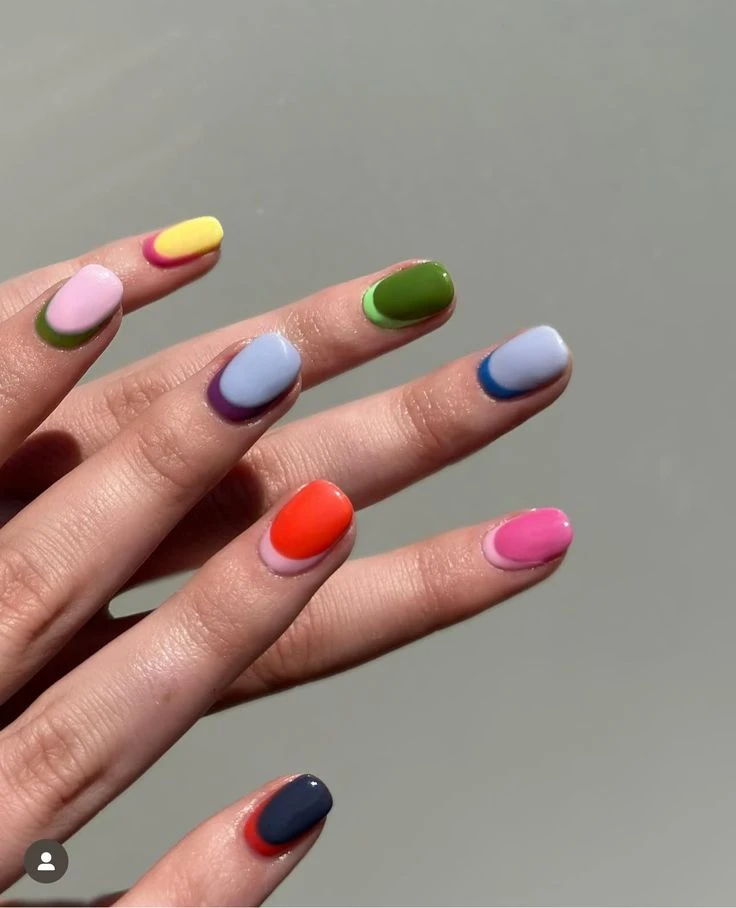
The reverse French is among the versions that experts are seeing gain traction for 2026, and its ability to add an unexpected detail while keeping a neat and easy-to-wear aesthetic was precisely highlighted.
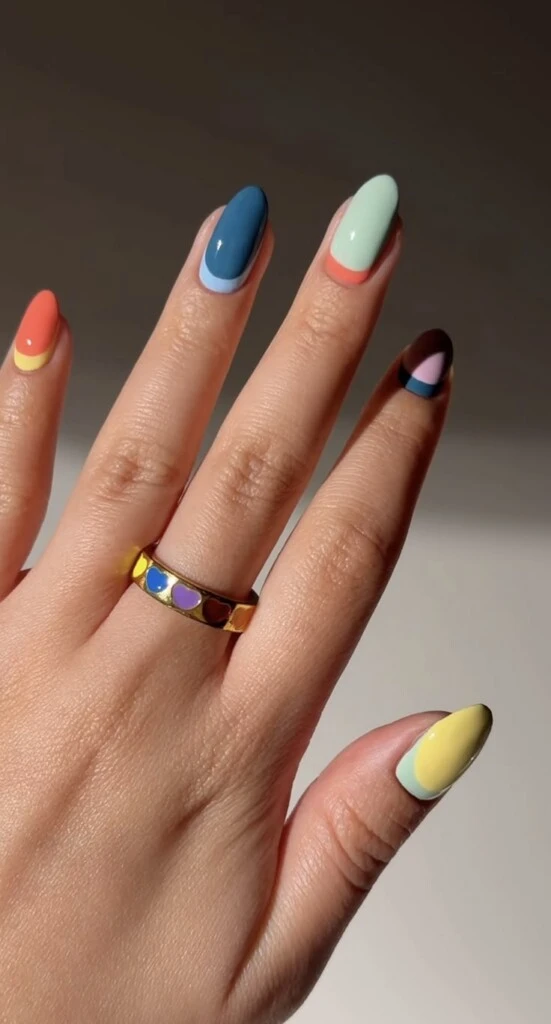
For spring, the key will be to replace the classic white with fresher colors.
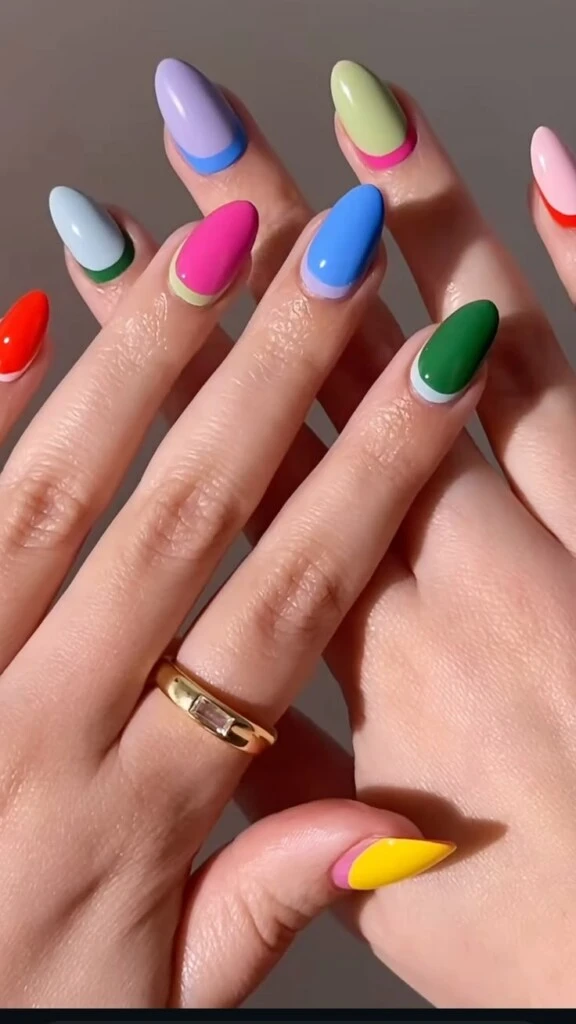
The colors that work best
Butter: one of the tones that still has a strong presence in 2026 nail trends and that adds a soft detail on natural bases.
Matcha green or pistachio: ideal for those who want to incorporate color without losing sophistication.
Lilac: delicate, romantic and perfect paired with a nude or very translucent pink base.
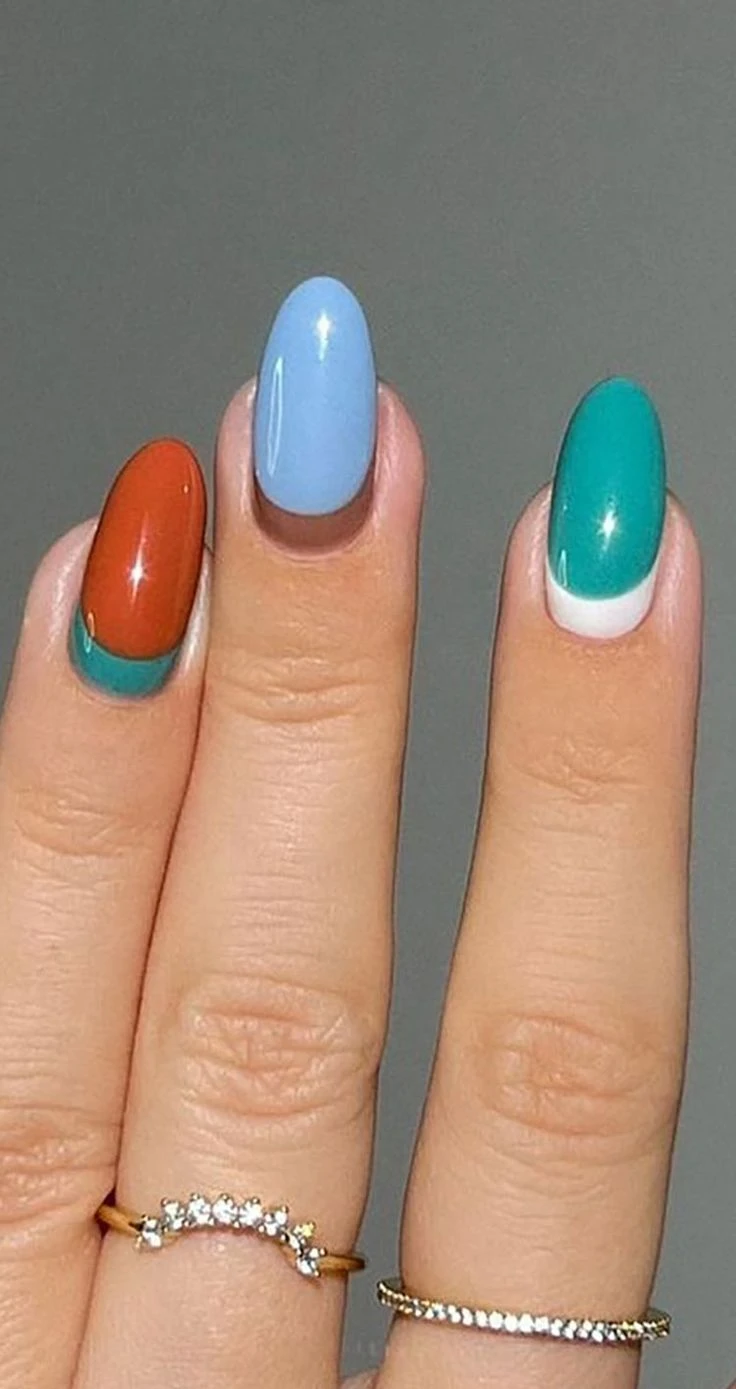
Celeste: works especially well in ultra-thin lines.
Pink: from baby shades to a vivid fuchsia to create greater contrast.
Red: a more classic option but with a modern twist when it appears only along the cuticle edge.
Silver or chrome: probably one of the most elegant versions. Betina Goldstein, a renowned Chanel nail artist, showcased a reverse French with silver shine over a translucent base.
How to wear the Reverse French
One of its major advantages is that it does not require XL nails. The design can adapt to short or long nails and works especially well when the line near the cuticle is fine.
For a minimalist result, the winning combination is a translucent base and a single contrasting tone.
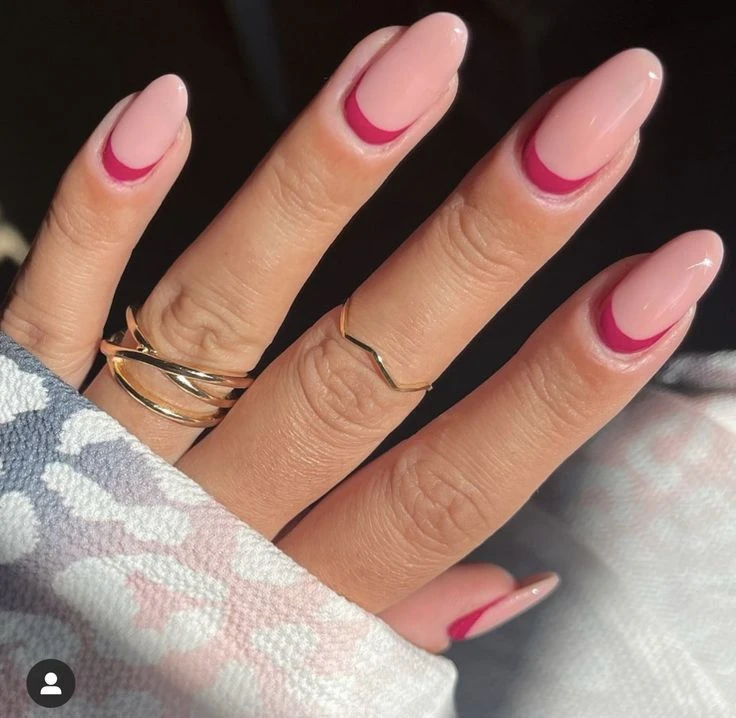
If you’re looking for something more striking, you can play with a different line on each nail, mix pastel tones or add metallic finishes.
The formula can also be inverted: choose a bold base and leave a very thin crescent in nude, white or metallic along the base.
A simple manicure that changes everything
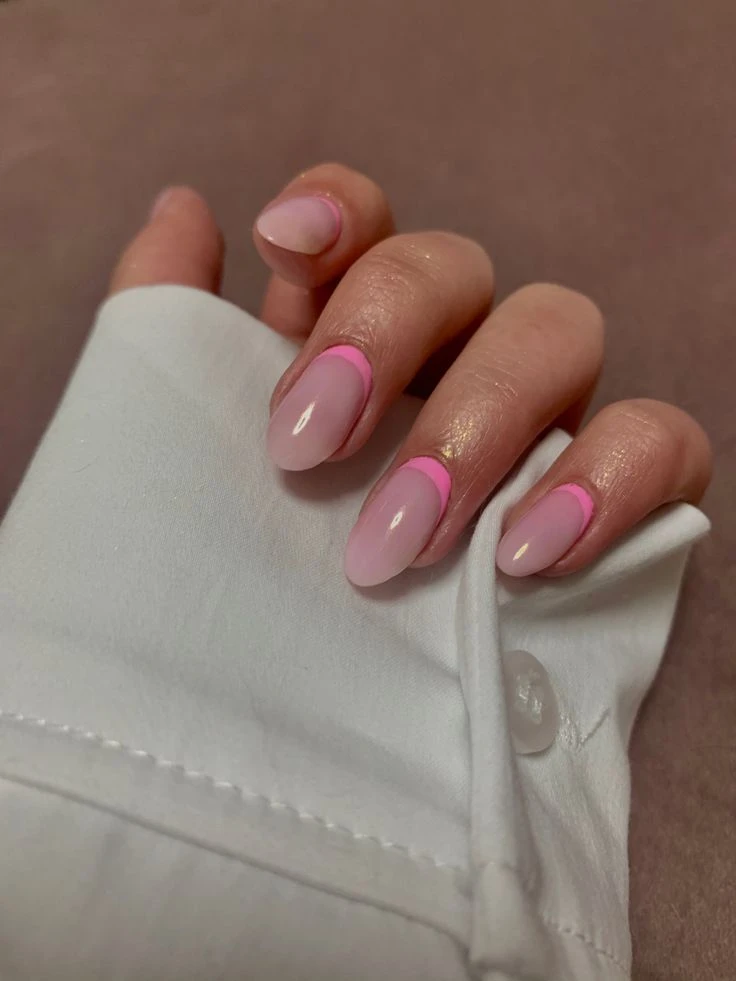
Subtle yet different, the reverse French has everything to become one of those trends that starts on social media and ends up in the salon.
It doesn’t require elaborate drawings or extremely long nails. Just a small line of color in an unexpected spot is enough to completely transform a classic manicure.
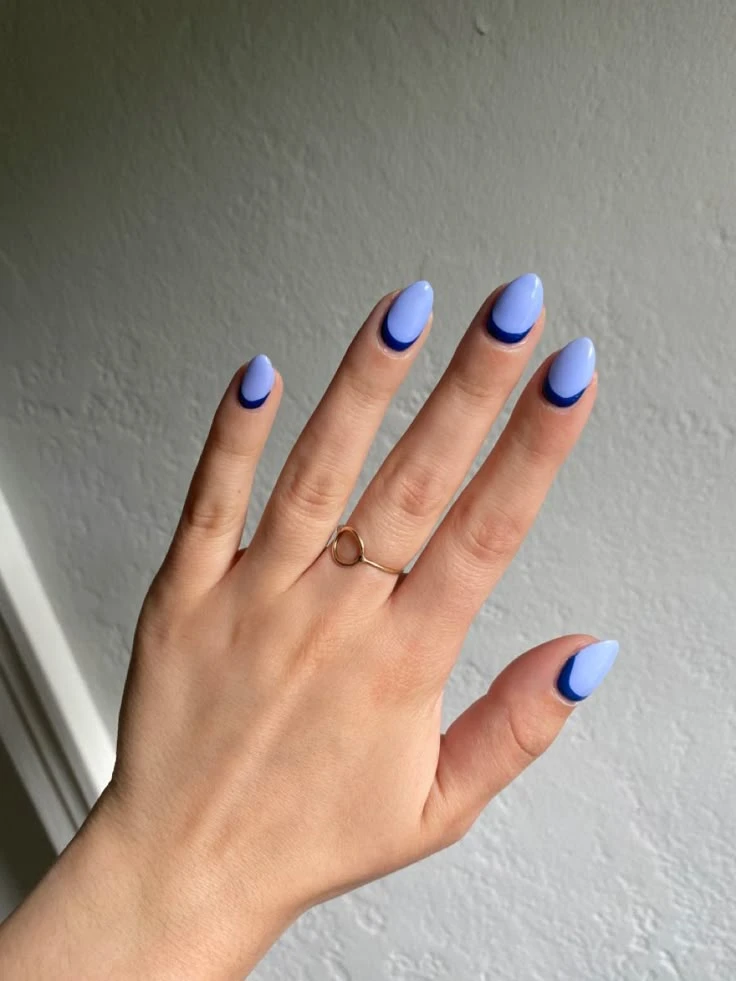
And perhaps that’s its greatest appeal for Spring 2026: it is fresh, elegant, and allows you to play with the colors of the new season without giving up minimalism.