
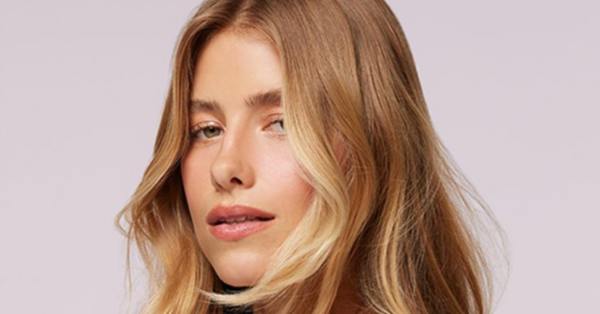
The ’90s blonde’ returns this season in more natural versions: gold, vanilla, beige, and sand are the tones that take center stage.
In recent years, blonding has gone through different phases: from very cool tones to extremely light and almost artificial looks. Now the trend seems to shift, pointing toward a new beauty idea: a luminous, well-cared-for, natural color.
For the upcoming spring-summer season, the ’90s blonde returns to gain ground, albeit with an update. The bet is on shades that provide shine and dimension without the color becoming the sole protagonist of the look.
The ’90s Blonde Returns, but More Natural
The new version of blonde moves away from extremely cool and artificial tones. According to experts, the current search aims for colors that look bright, well-groomed, and natural.
“We are seeing a return to naturalness because clients want to look flattering and elegant without feeling that the color overwhelms them,” they explain.
Within this trend appear the golden, vanilla, beige, and sand tones, which revive an aesthetic strongly associated with the 1990s blondes, but with a more contemporary finish.
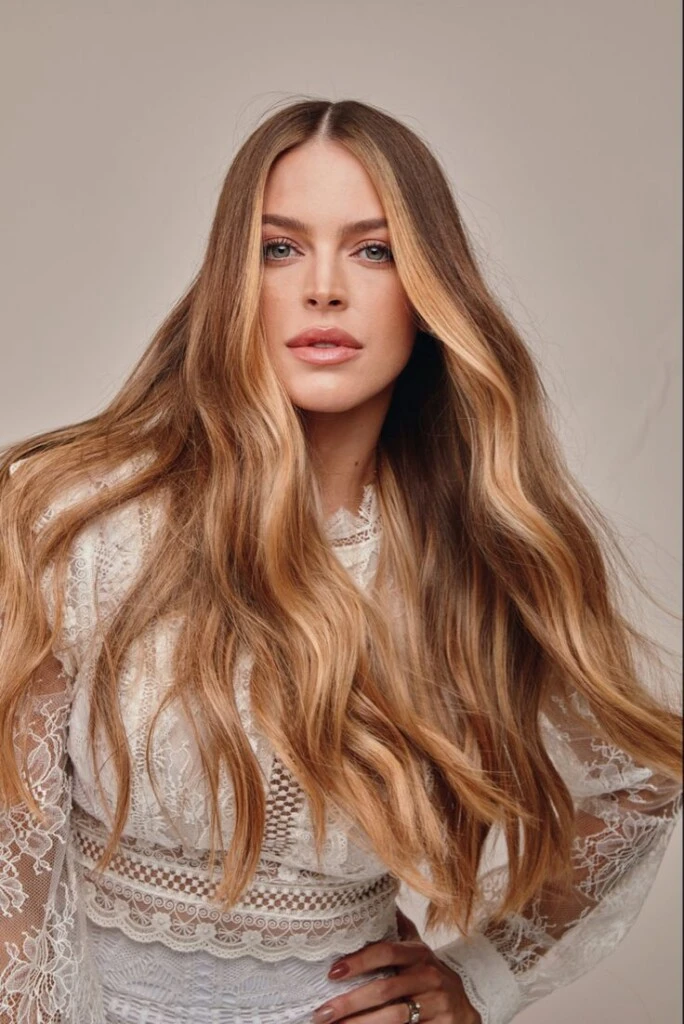
Gold, Vanilla, and Sand: The Tones That Are Coming
From this palette arises the budding popularity of golden blonde, a shade that never truly disappeared and is now taking a prominent place again.
One of its characteristics is that it can bring shine, depth, and movement to the face. In addition, according to experts, “ages better, requires less maintenance, and feels more authentic”.
Although achieving it requires bleaching, the difference lies in the final hue: the idea is to avoid an overly artificial result and seek a shade that dialogues with each person’s colorimetry.
How to Choose the Blonde That Suits You
The ideal shade doesn’t depend solely on the trend. It’s also important to consider your skin undertone.
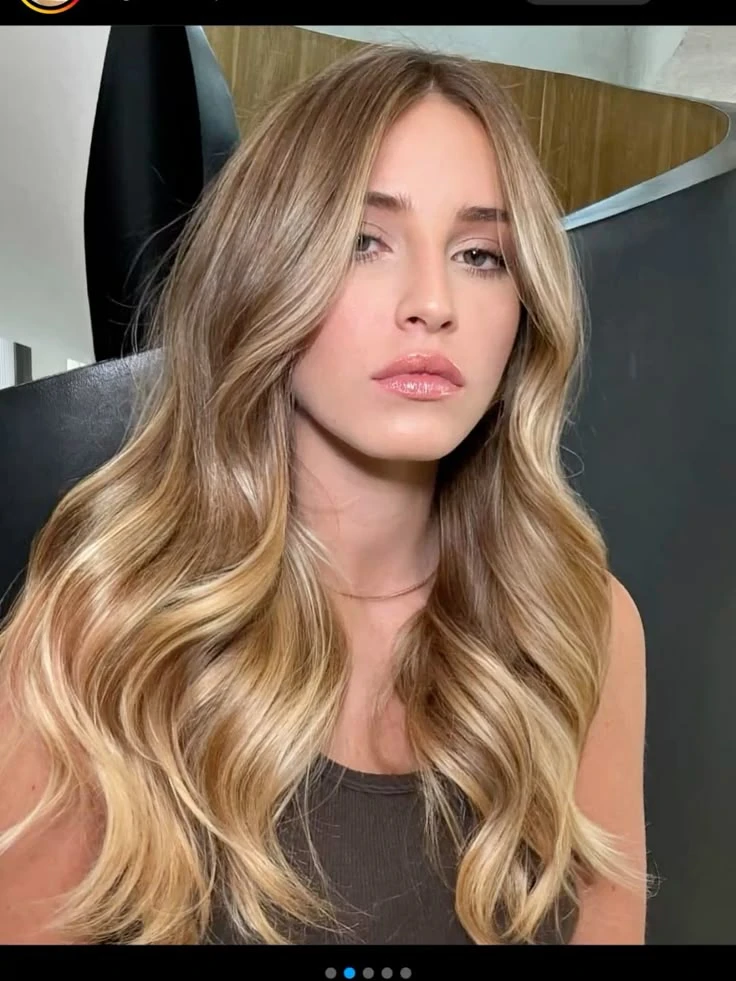
Warm skin tones, which usually display golden or yellowish undertones, can be enhanced by shades such as honey or caramel blonde. For cooler skin tones, the suggestion is to opt for a softer golden to achieve a harmonious contrast.
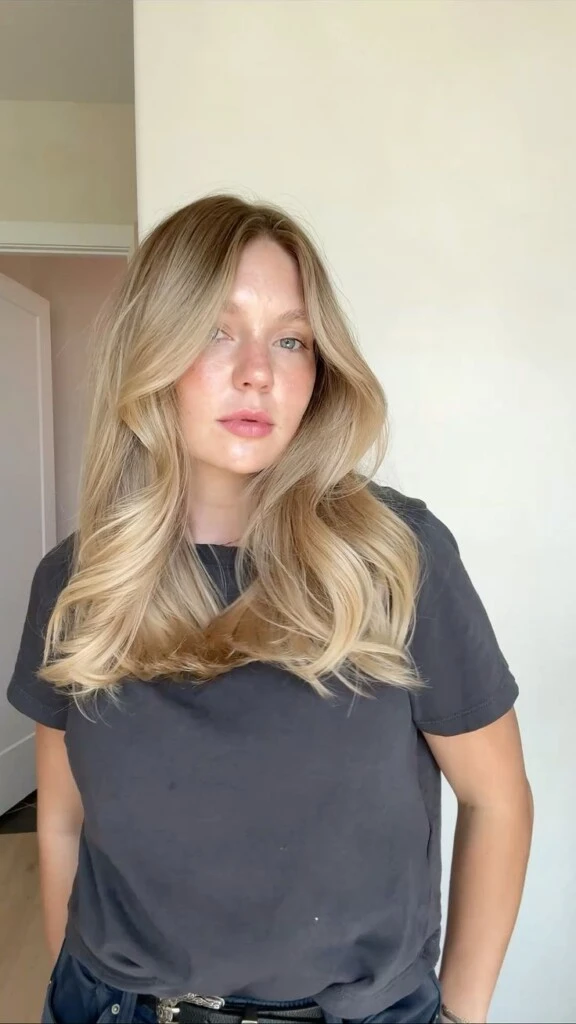
Therefore, before defining the color, it is advisable to consult with a coloring specialist. The choice of hue can completely change the final result.
Visagism Also Comes Into Play
Experts contend that personalized analysis is essential. “The study of visagism is vital because it allows tailoring the new color to each person,” they explain.
From this point of view, there is no single perfect blonde. As the specialist notes, “the perfect blonde is not the lightest, but the one that best fits skin tone, features, tastes and style”.
The trend, then, does not propose literal copying of a 90s color. It is about reclaiming that aesthetic and adapting it to each person to achieve a brighter, natural, and more personal blonde.