
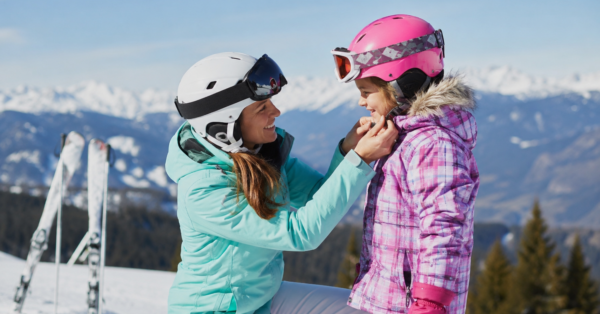
Practicing skiing or snowboarding is one of the favorite activities for those who choose to spend their holidays in mountain destinations. However, as with any sport, doing it safely is essential to reduce the risk of injuries and to fully enjoy the experience.
Falls, collisions and fatigue are some of the factors that can lead to accidents during a day on the snow.
“Enjoying the snow safely involves a series of requirements that must not be overlooked: a helmet, proper equipment and professional supervision to prevent injuries during the practice of skiing and snowboarding“, explained Matías Baldoncini (MN 135.985.), neurosurgeon.
The specialist warned that falls and collisions can cause trauma to the head, the spine, the knees, the shoulders and the wrists. Many accidents occur due to lack of experience, excessive speed, fatigue or improper use of equipment.
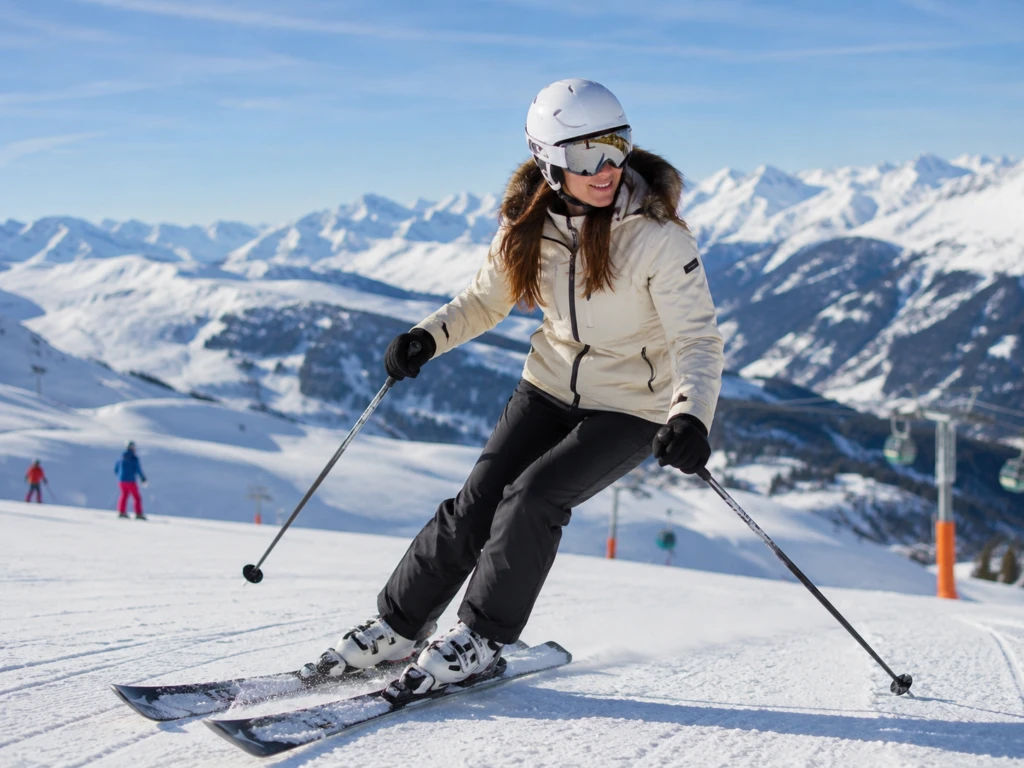
“One of the main preventive measures is the use of a helmet. It must be specific for snow sports, properly sized and correctly adjusted. It should not be considered an accessory. It is essential protection for both adults and children, regardless of experience“, added the doctor.
How to Choose Equipment for Skiing or Snowboarding
In addition to the helmet, the doctor noted that it is also important to wear proper boots and to verify that the bindings are correctly adjusted. “In snowboarding, wrist guards can help reduce injuries from forward falls. Depending on the type of activity, knee pads, spine protectors and other protections may also be used“, he detailed.
“The clothing should protect against cold and moisture, but allow for good mobility. Gloves, goggles and sun protection are also essential, as the snow reflects the sun’s rays even on cloudy days“, said the neurosurgeon.
Those who practice these sports for the first time should do so accompanied by trained instructors. “People who are new to these sports should take lessons with qualified instructors. An instructor teaches the correct technique, helps control speed and allows choosing slopes according to each person’s experience“, explained Baldoncini.
In this way, besides learning the proper technique, it is possible to considerably reduce the risk of suffering accidents during the first days on the snow.
Fatigue Also Increases the Risk of Accidents
The specialist reminded that physical exhaustion can play an important role in the appearance of injuries.
“Fatigue also increases the risk of accidents. For this reason, it is recommended to warm up, stay hydrated, rest during the day and stop the activity when signs of fatigue appear. The body loses coordination and reaction capacity when tired. Many injuries occur during the last runs of the day“, he assured.
When faced with a head injury or a serious fall, it is essential to pay attention to the symptoms. “In the event of a head injury, you should stop the activity if there is severe headache, dizziness, nausea, vomiting, blurred vision, confusion, drowsiness, memory loss or loss of consciousness“, he explained.
Additionally, he added that immediate assistance should also be sought if neck pain, weakness, changes in sensation or difficulty moving any limb appear. In these cases, it is not recommended to move the injured person until rescue personnel arrive.
The neurosurgeon placed special emphasis on the younger ones: “In children and adolescents it is necessary to pay special attention, as they often minimize symptoms to continue with the activity“.
“Prevention does not aim to limit sports practice, but to allow people to enjoy the mountains with greater safety“, the specialist assured.
“Wearing a helmet, respecting the slopes, learning with professionals and recognizing one’s own limits are simple measures that can prevent serious injuries. The best day is the one when everyone returns home safe and eager to come back“, the doctor concluded.