
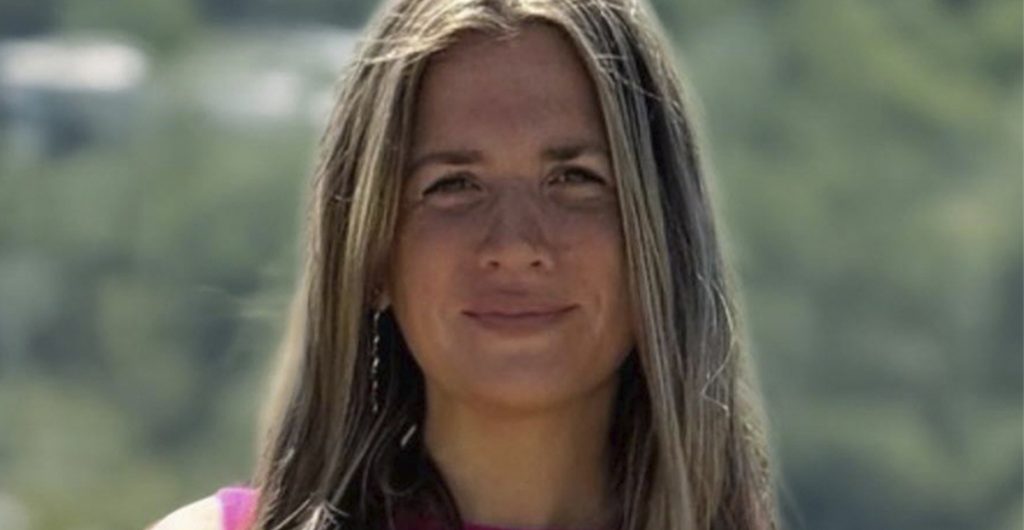
For a long time, old age was associated almost exclusively with deterioration, dependence, and the loss of abilities. However, rising life expectancy and social changes have driven a new perspective on this stage: today’s seniors are not the same as those from earlier generations and demand a more active role within society.
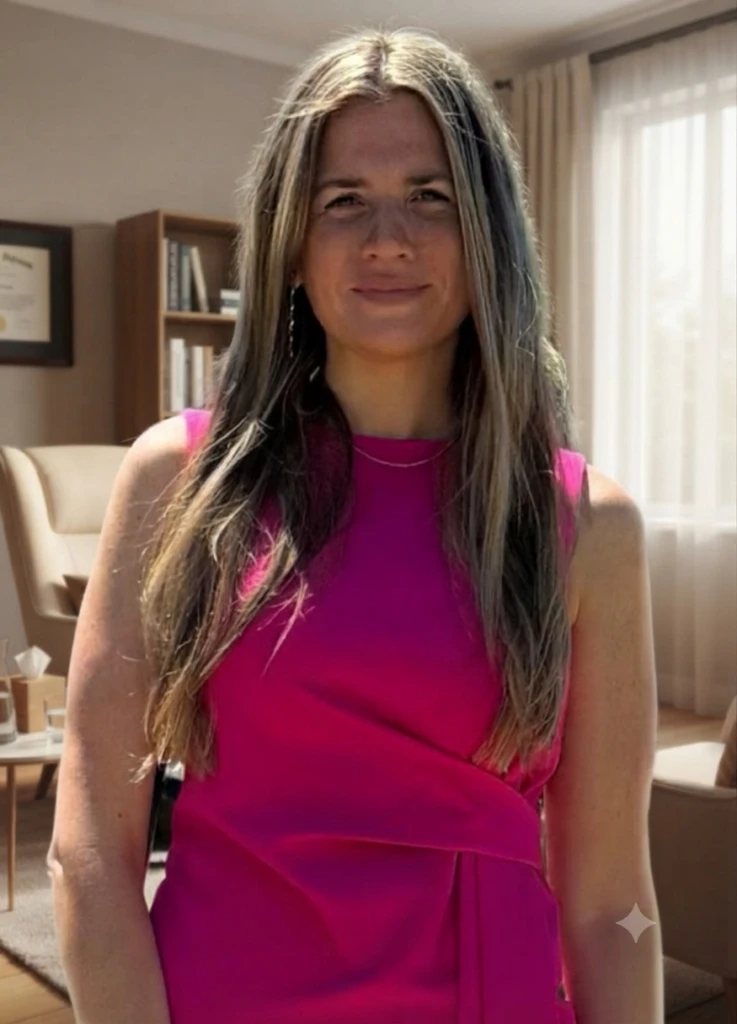
In conversation with Para Ti, Yasmin A. Bellani, a psychologist and specialist in gerontology, proposes rethinking how we view the passage of time.
“We are facing an unprecedented longevity that has transformed old age into the longest stage of life, breaking down old stereotypes of passivity,” explains the specialist, who works within a new paradigm that aims to move away from a merely assistential outlook to recognize older people as protagonists, autonomous, with ongoing desires and projects.
For Bellani, the current challenge is to accompany this new reality with tools that promote active aging, based on cognitive stimulation, socialization, prevention of physical deterioration and, above all, the possibility of continuing to build a life with meaning.
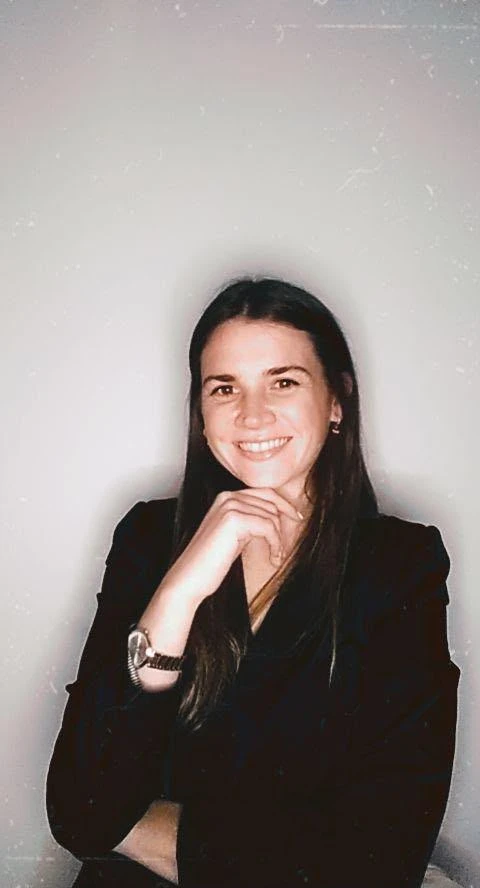
“Aging actively means continuing to be the protagonist of one’s own life”
–There is increasing discussion about active aging. What does it truly mean, and which habits help reach that stage with a higher quality of life?
-Many people believe that aging actively means doing gym workouts or staying busy. In reality, it goes much deeper.
Aging actively means continuing to be the protagonist of one’s life. It is preserving the ability to decide, to participate, to learn, to make mistakes, to fall in love, to undertake, and to keep feeling curious. It is not a schedule of activities. It is a philosophy of life. And it begins long before the age of 60.
Today we know that healthy longevity is built every day. Physical activity protects the brain as much as the body. Social relationships lower the risk of cognitive decline. Learning something new creates new neural connections.
Getting good sleep, eating properly, managing stress, and having meaningful projects are also part of the most important preventive treatment there is. The best medicine for aging is often not in a bottle: it lies in one’s lifestyle.
“Chronological age is no longer enough to define anyone”
–For a long time, old age was linked to deterioration and dependence. Why has that paradigm become outdated today, and how should we begin to view this stage of life?
-For decades we spoke about old age from losses: health, independence, productivity were lost. Today we know that this approach is not only incorrect but also shapes the way we age.
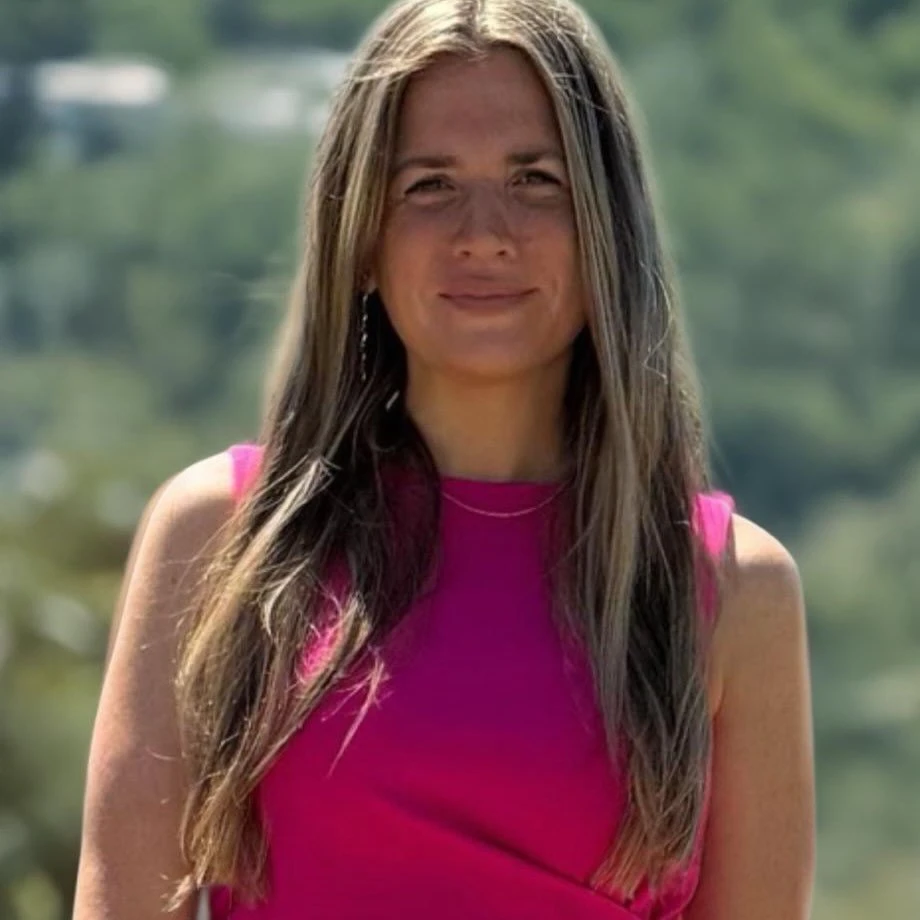
Science has shown that aging does not mean getting sick, nor ceasing to learn, nor losing the desire to project oneself. Old age is a profoundly diverse stage. There are 75-year-olds who begin a university career, start a business, travel solo, or discover new passions. Therefore, more than talking about “old age,” we should talk about multiple ways of aging.
The true paradigm shift consists of stopping asking how many years a person has and starting to ask how they live those years. Chronological age is no longer enough to define anyone.
Ageism and the prejudices still weighing on old age
–Many people feel afraid of aging. What are the most common myths and prejudices about old age that are still very present in society?
-The biggest prejudice is believing that growing older equals losing value. We live in a culture that idealizes youth and often makes invisible all that experience contributes.
We still hear phrases like “they’re too old for that”, “at this age they won’t learn,” or “it’s normal to forget.” These ideas are forms of ageism, discrimination based solely on age.
What’s worrisome is that many older people end up believing these messages and limiting themselves. When someone stops doing things because society has led them to believe they can’t anymore, we’re not facing a consequence of aging, but the impact of prejudices. We need to stop thinking of longevity as a problem and start viewing it as a social opportunity.
“Reinventing oneself after 65 is not only possible, it’s necessary”
–What importance do connections, personal projects, and life purpose have after 65? Is it possible to reinvent oneself at that age?
-Not only is it possible; it’s necessary. One of the factors that most influence health during old age is not only medicine but having reasons to get up every morning. Projects, a sense of purpose, and relationships act as real protective factors against physical, cognitive, and emotional deterioration.
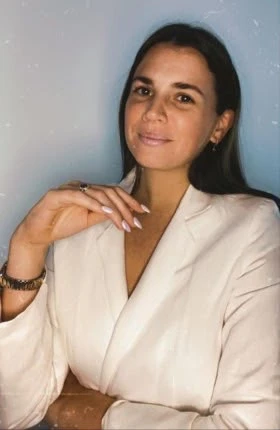
Reinventing does not mean starting from scratch. Often it means reclaiming postponed dreams, discovering talents, getting involved in community activities, or simply choosing to live a stage with greater freedom.
Today we speak of a generation of older people who do not want to be defined by their age. They want to keep learning, participating, starting ventures, and making decisions. That is the generation that is reinventing itself.
Caring without taking away autonomy
–In daily life, family members and children often want to help, but sometimes end up overprotecting older adults. What are the keys to supporting them without removing their autonomy?
-The intention is usually good, but overprotection can be as harmful as neglect. When we do for a person everything they can still do for themselves, we unintentionally foster a loss of abilities. Autonomy is preserved by practicing it.
Supporting means providing help when needed, but always respecting each person’s decisions and pace. There is a huge difference between caregiving and substituting.
As professionals, we often say that the goal is not to make life easier, but to help the person remain the protagonist of their own life for as long as possible.
Normal memory lapses and warning signs
–Forgetfulness can be a major source of anxiety. How can we differentiate normal memory changes from aging from signs that should prompt a professional consultation?
-It’s normal for information processing to slow down a bit with age or to need more time to recall a name. That does not necessarily mean there is a disease.
What should raise concern is when forgetfulness begins to interfere with daily life: repeating the same question many times, getting disoriented in familiar places, forgetting how to perform routine tasks, having trouble managing money or medications, or when these changes are also noticed by family. The key is not to normalize everything by saying ‘it’s just age,’ but neither to panic at every memory slip.
A cognitive assessment done timely helps distinguish expected aging-related changes from cognitive decline or a neurodegenerative disease, and the earlier the consultation, the greater the chances to intervene, plan, and preserve quality of life.
Yasmin A. Bellani is a licensed psychologist, specialist in gerontology, with a diploma in Applied Neuropsychology in older adults and director of Health Area, Day Center for older adults. Instagram: @psicologa_yasminbellani