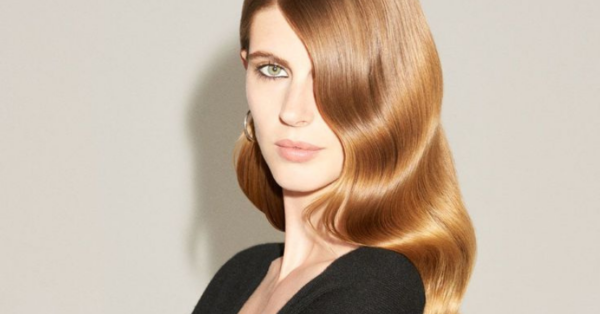
Often frizz does not depend on hair type, but on small gestures we repeat after the shower. Haircare experts explain what the most common mistakes are and how to avoid them.
You step out of the shower, you let your hair air-dry, and when you glance back in the mirror, those rebellious strands appear that seem almost impossible to manage. Although humidity or hair type is often blamed, specialists assure that several daily habits can amplify frizz without realizing it.
From the way you dry it to the products you choose or how much you handle it while it dries, small changes in the routine can make a difference.
The Secret Is in How Hair Starts to Dry
Experts say you should hydrate the hair well before it starts to dry. If the fiber is nourished and sealed, the hair better maintains its natural shape and frizz appears less.
That’s why they recommend taking advantage of that moment to shape it softly. A light twist or shaping a wave with your hands ensures the hair finishes drying following that form naturally.
The Most Common Mistake When Stepping Out of the Shower
One of the most habitual gestures is also one of the ones that harms the hair fiber the most: rubbing the hair vigorously to remove excess water.
Experts say that this motion lifts the cuticle and promotes frizz. Instead, they advise using a microfiber towel or a cotton towel and gently press the hair to remove moisture, without rubbing it.
Then, the ideal is to apply a leave-in product or a lightweight styling cream and let the hair continue drying naturally.
The Less You Touch It, The Better
As the hair dries, it’s also wise to avoid a very common habit: constantly touching it. This is crucial, because the more we manipulate it, the more we intensify frizz.
Another recommendation is to detangle it just once with a wide-toothed comb and let it dry without combing again until it is completely dry.
Which Products Help and Which Should Be Used in Moderation
Not all products offer the same result when the hair dries in the air.
The best allies are light leave-in products, hydrating serums, and styling creams tailored to each hair type, as they help control the fiber without taking away movement.
On the other hand, moderate the use of mousses, gels, and some oils, as they can weigh hair down and take away naturalness. The key is to apply a small amount and distribute the product from mid-length to ends.
Hairstyles That Can Damage the Hair Fiber
Experts, finally, recommend moderating certain hairstyles that can threaten hair health: very tight ponytails, buns that are excessively tight, and braids that are very tight, as they can promote hair breakage and even cause traction alopecia when done too frequently.