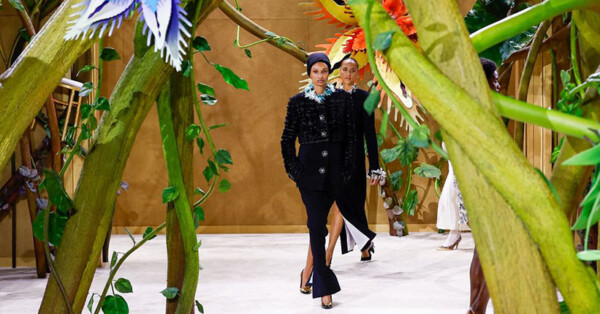
Chanel once again demonstrated that haute couture can be much more than a sequence of flawless dresses: it can be a story, a dreamlike scene, an invitation to view fashion as if we could still believe in fairy tales.
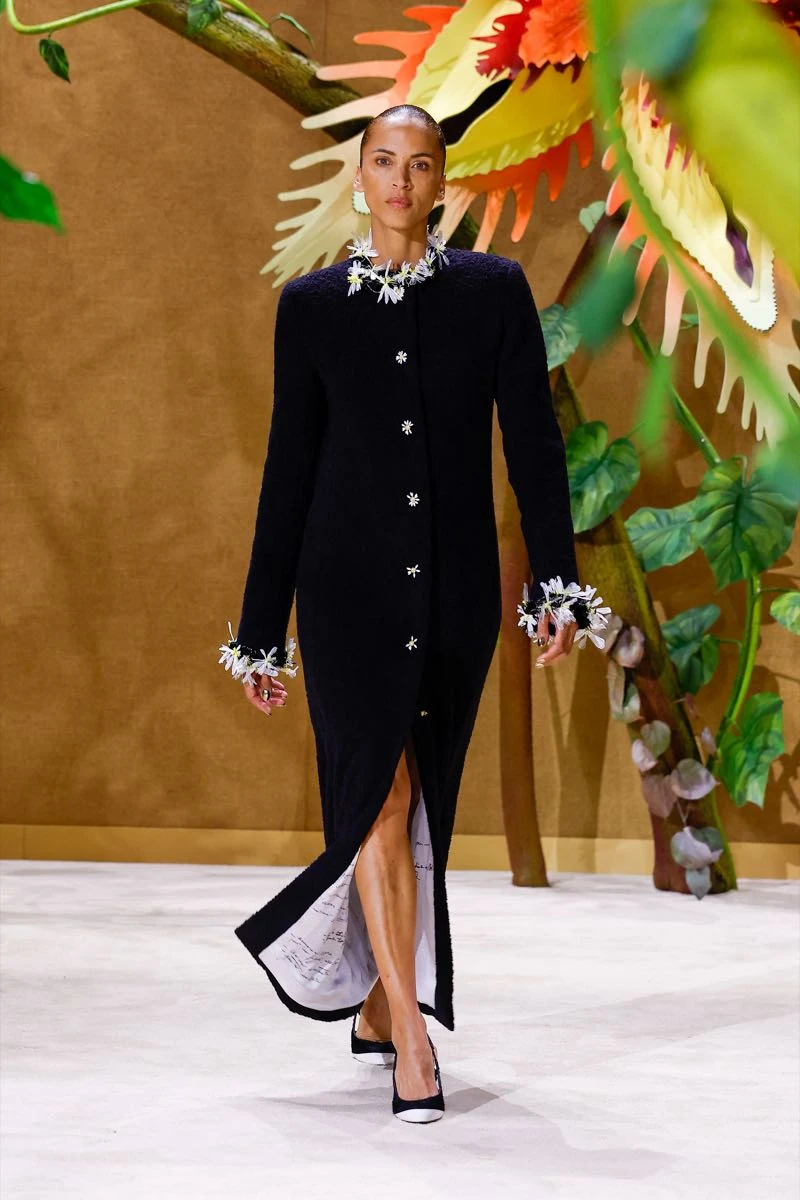
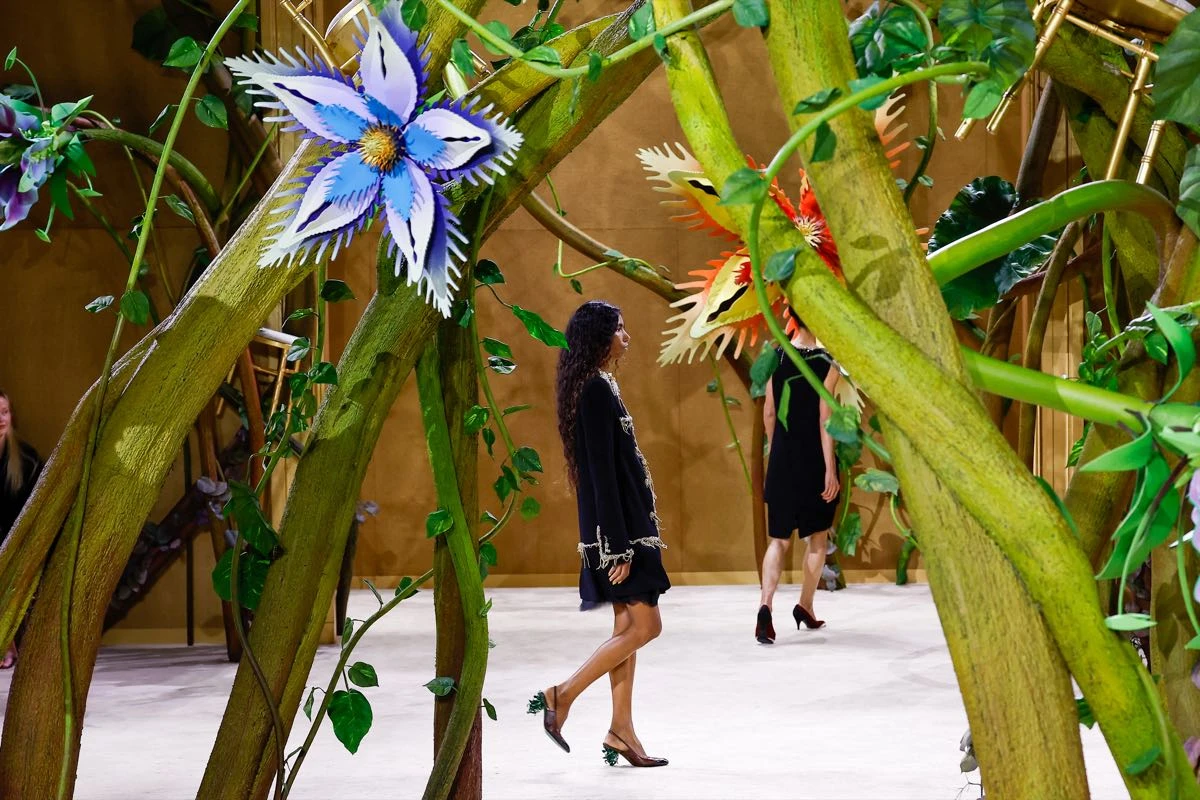
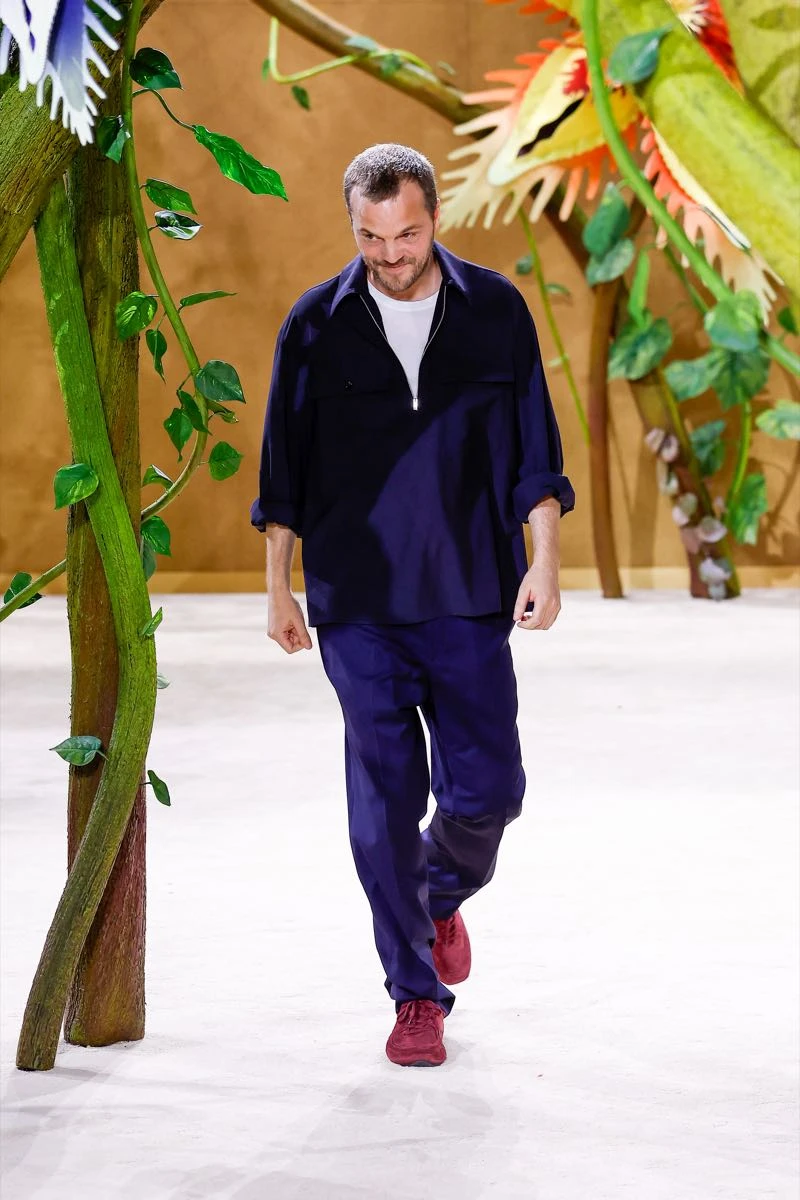
During Paris Haute Couture Week, Matthieu Blazy presented his second Haute Couture collection at the helm of Chanel and transformed the Grand Palais into a magical stage, draped in flowers, ivy, and literary references.
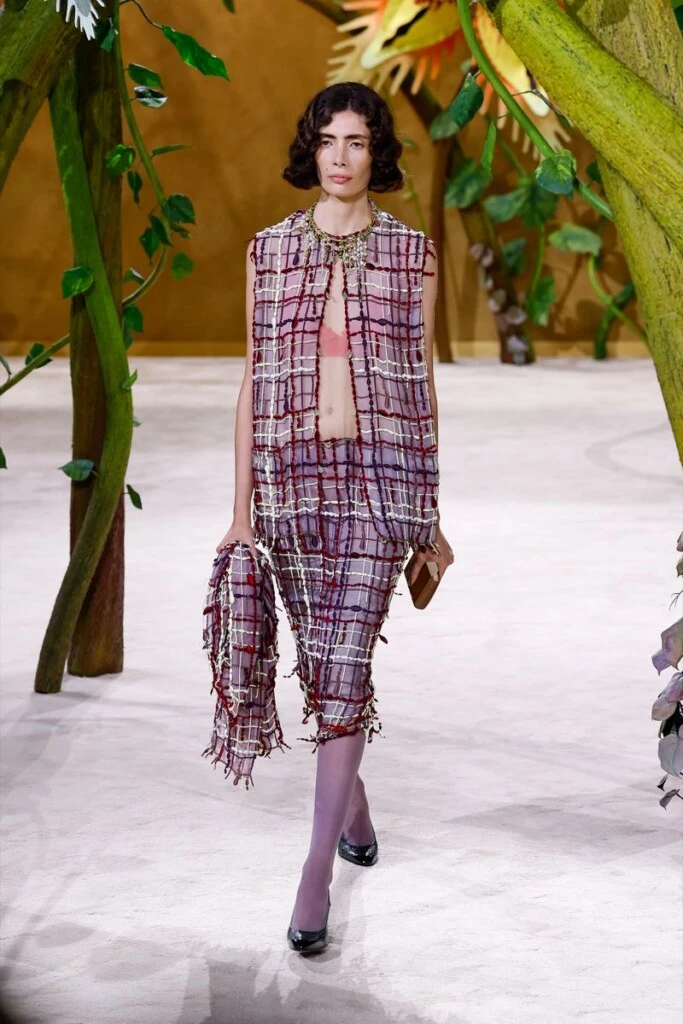
The Autumn-Winter 2026/2027 offering was a contemporary fable where the legacy of Coco Chanel, the fantasy of classic fairy tales, and a modern take on feminine elegance coexisted.
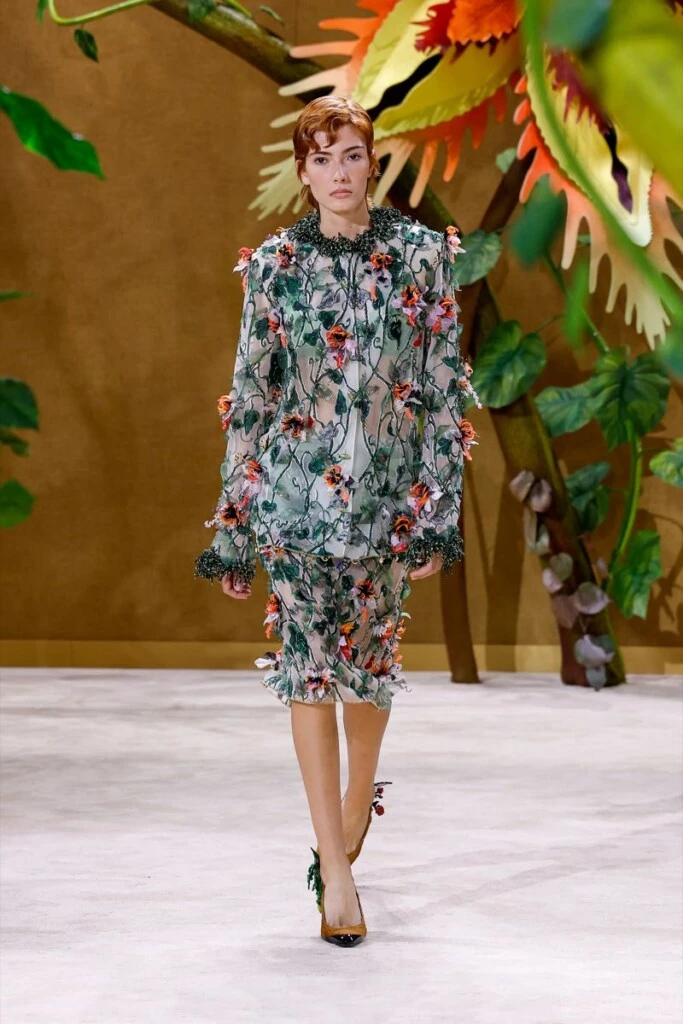
The collection, titled Gaby and the Beanstalk, took as its starting point a book that belonged to Gabrielle Chanel’s private library: Les Fées, Contes des Contes, by Charles Perrault.
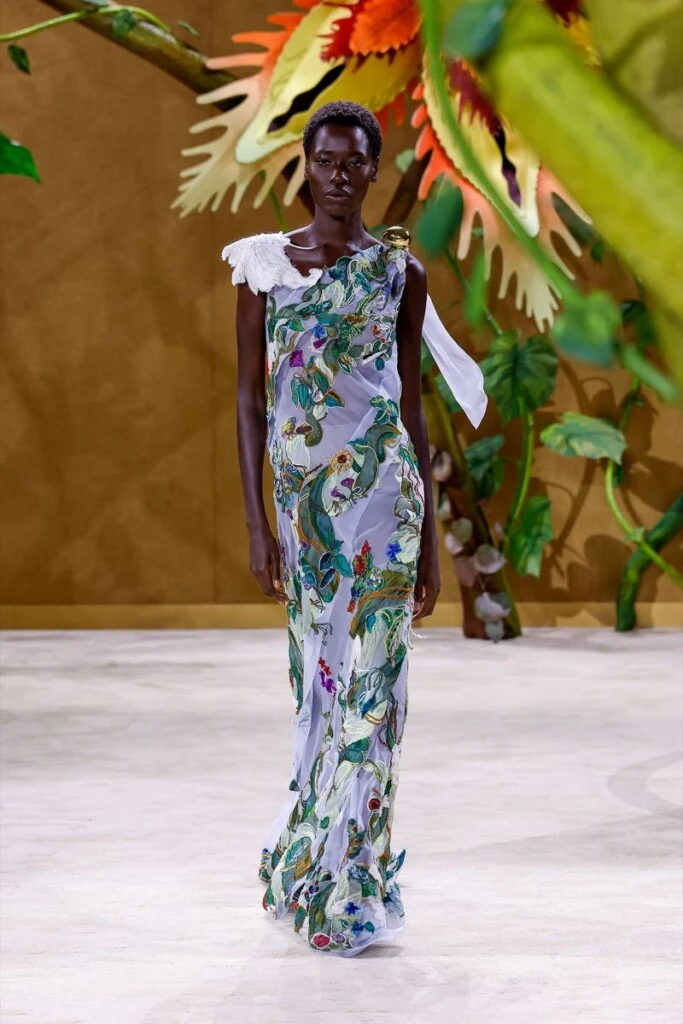
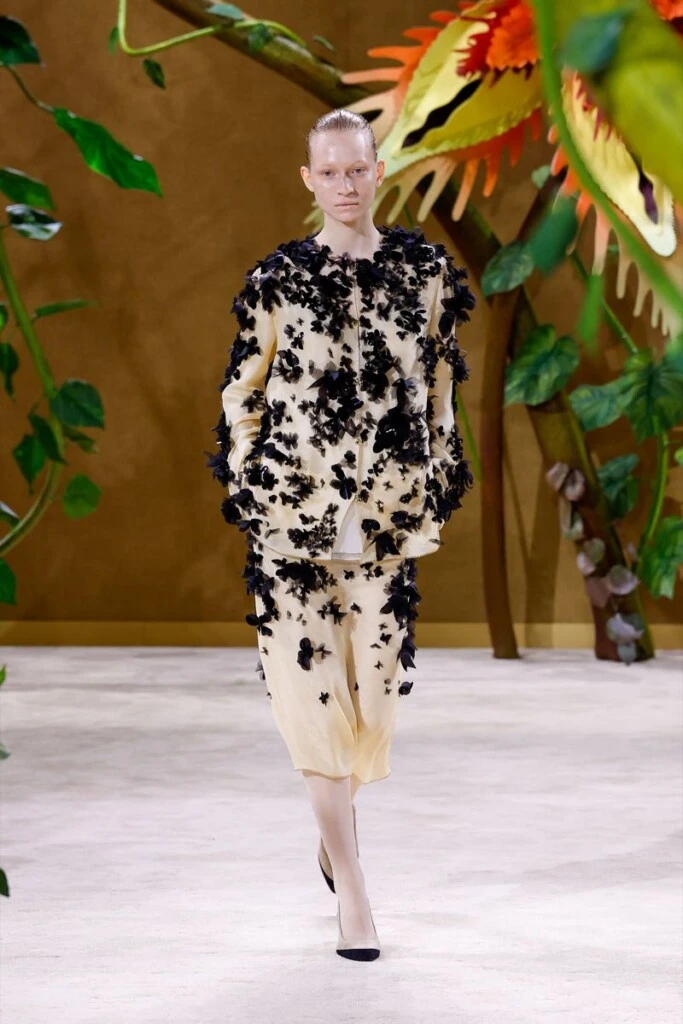
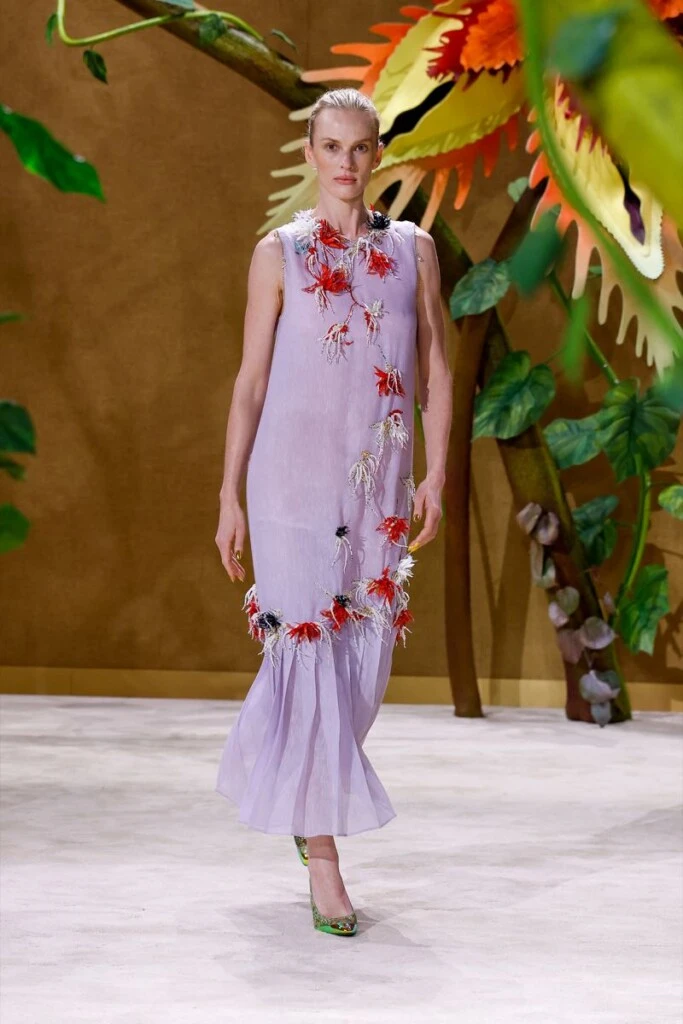
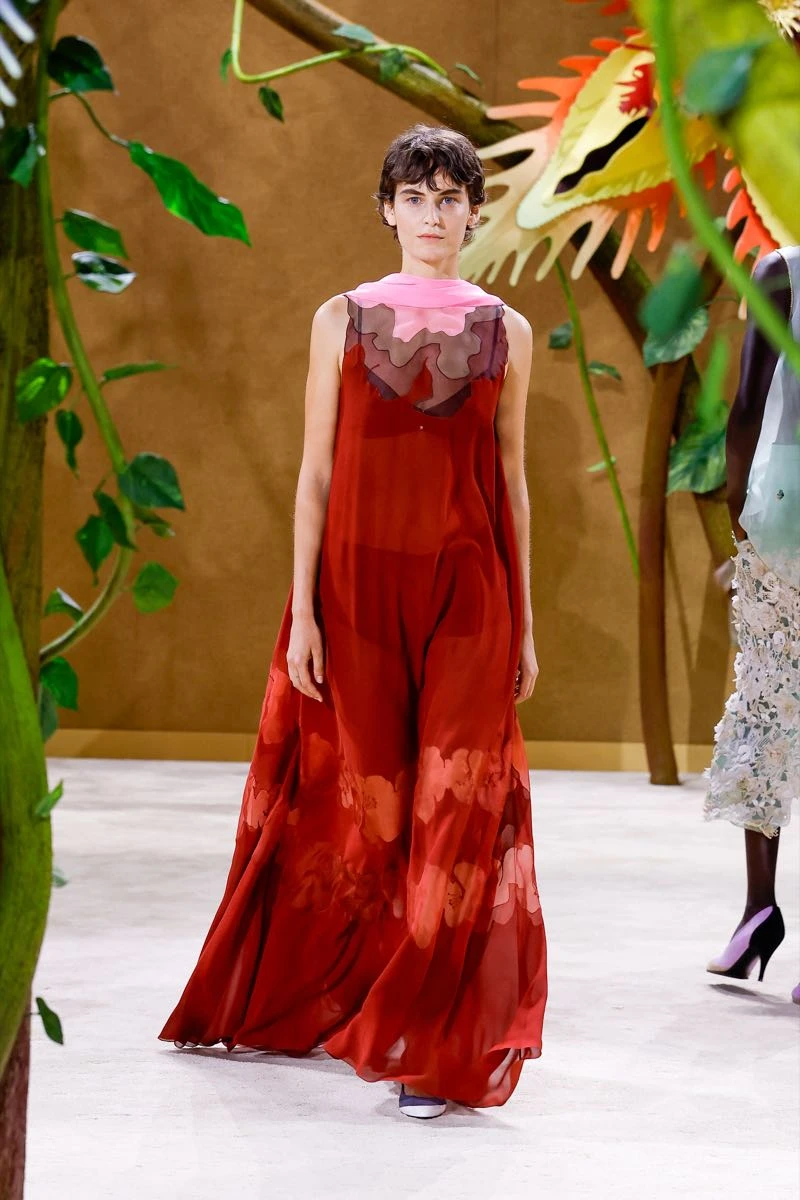
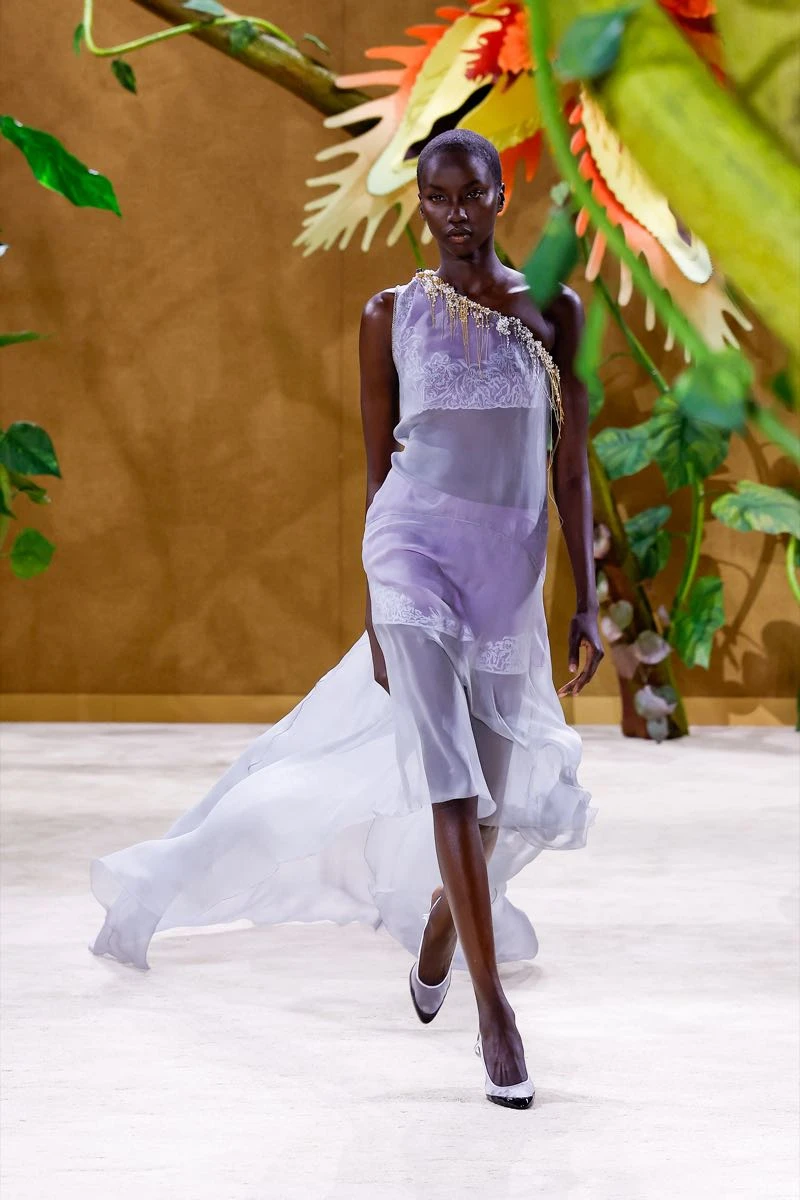
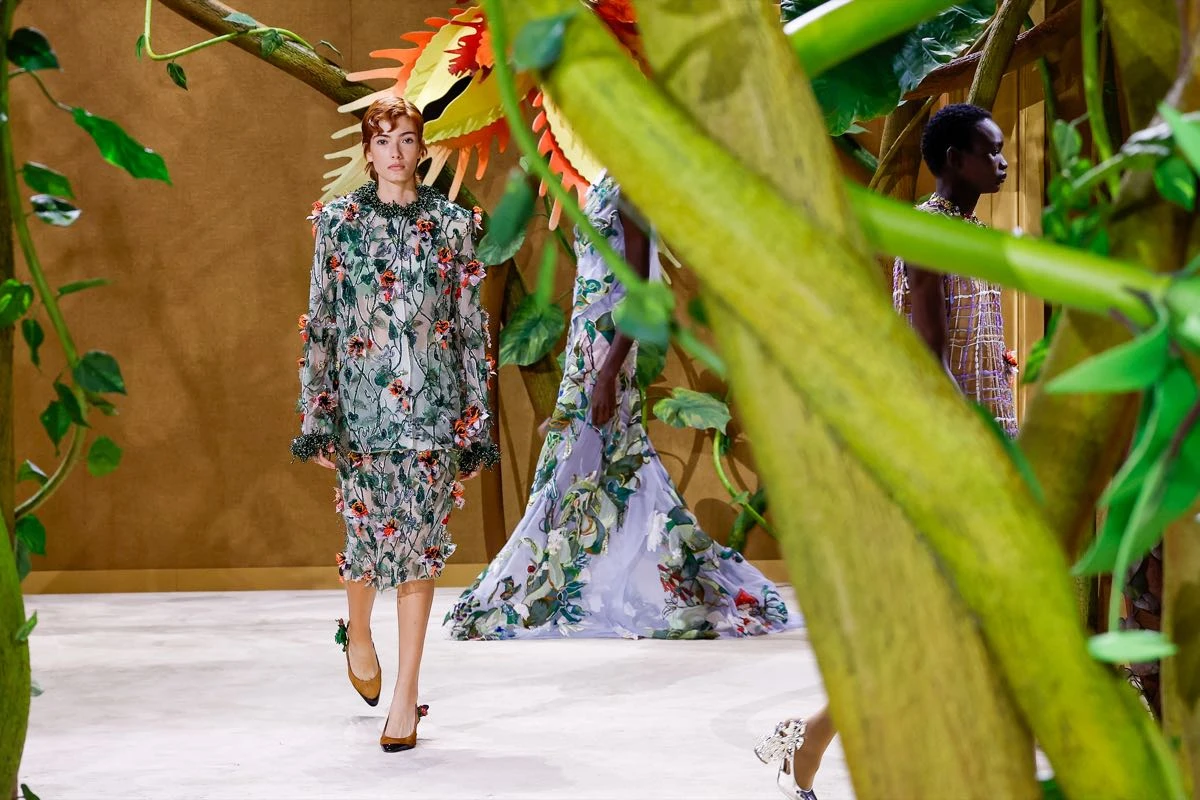
From that inspiration, Blazy imagined a runway where each look seemed to function as a page from a book: dresses that floated, embroidery climbing like vines, delicate transparencies and silhouettes that merged romance, craftsmanship and modernity.
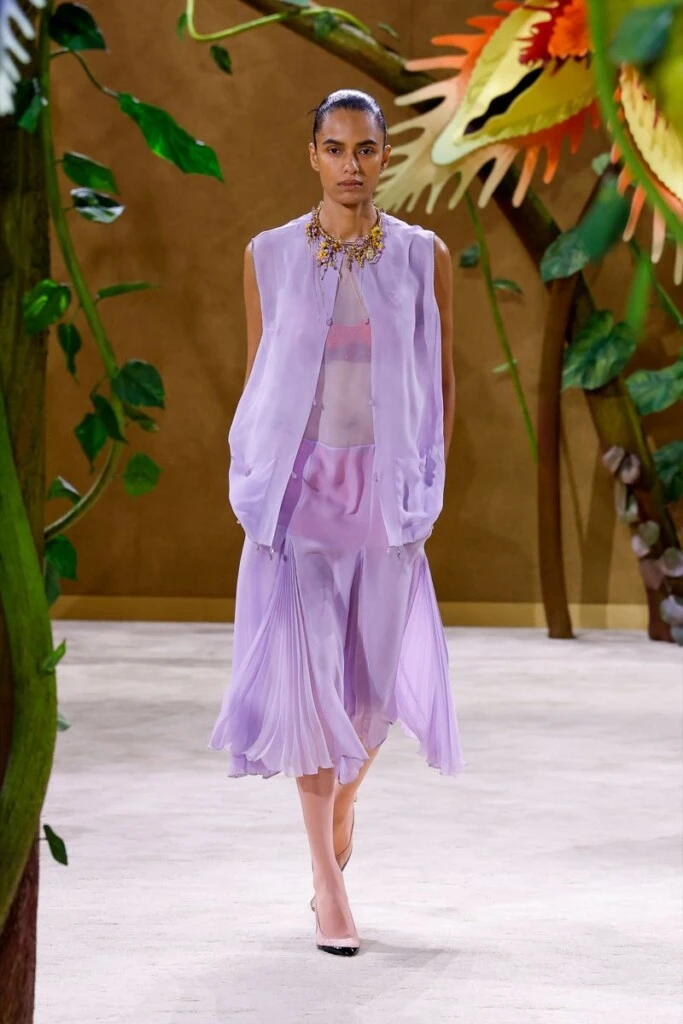
The Grand Palais, Transformed into an Enchanted Forest
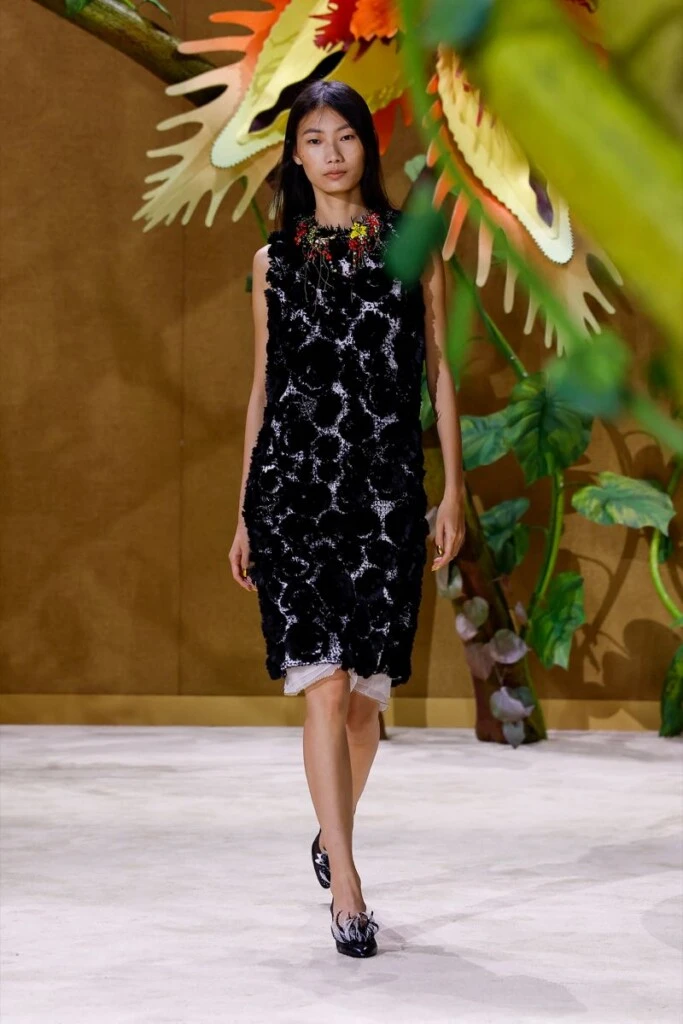
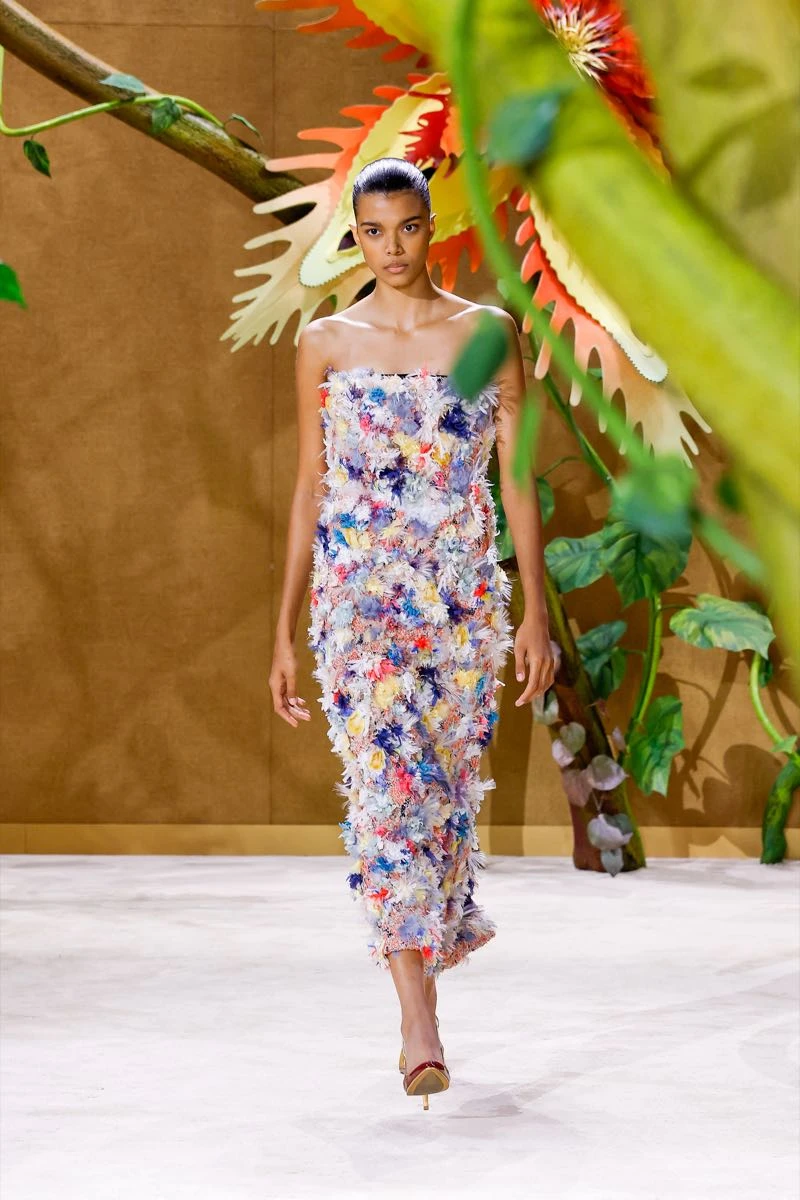
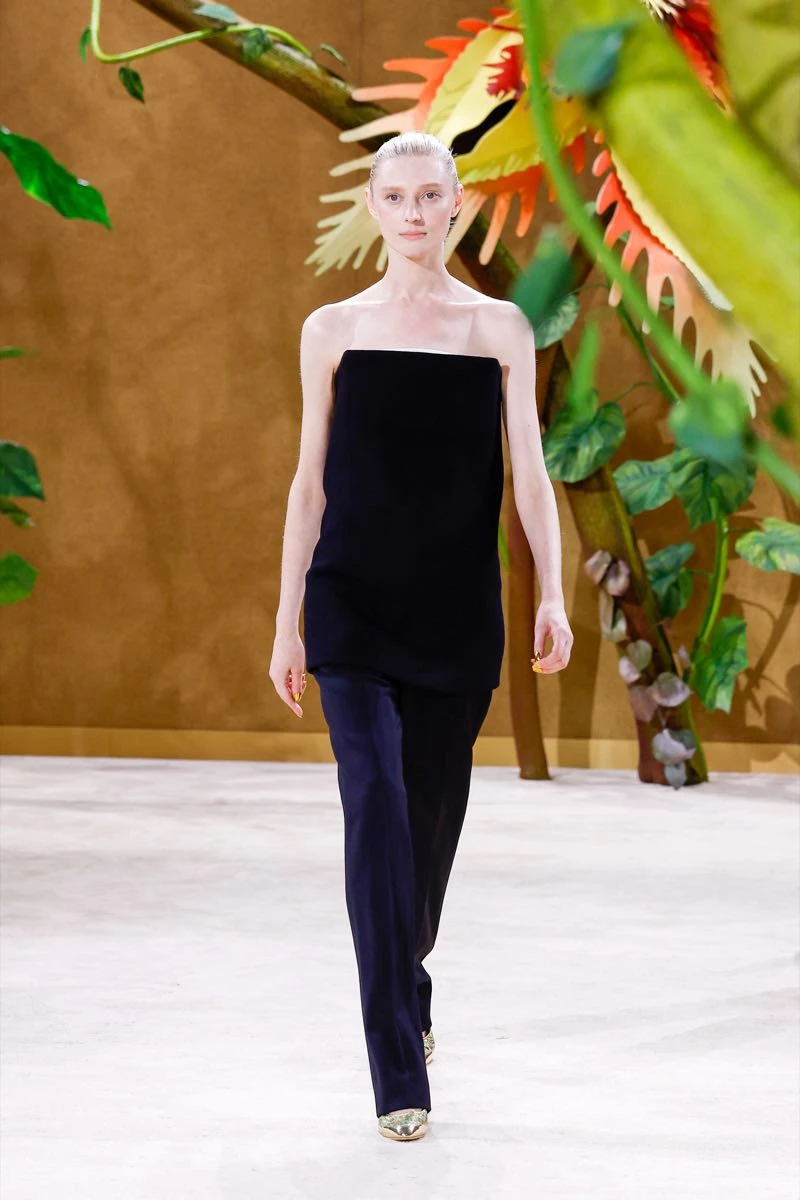
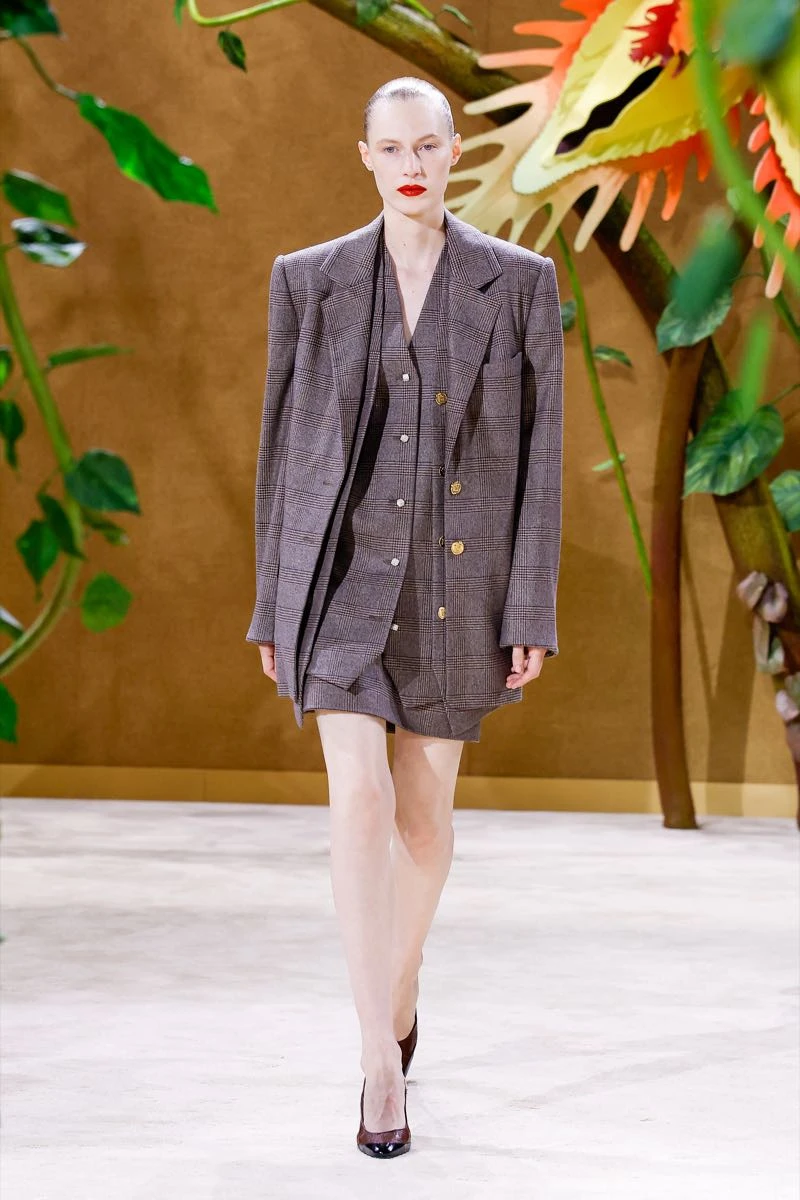
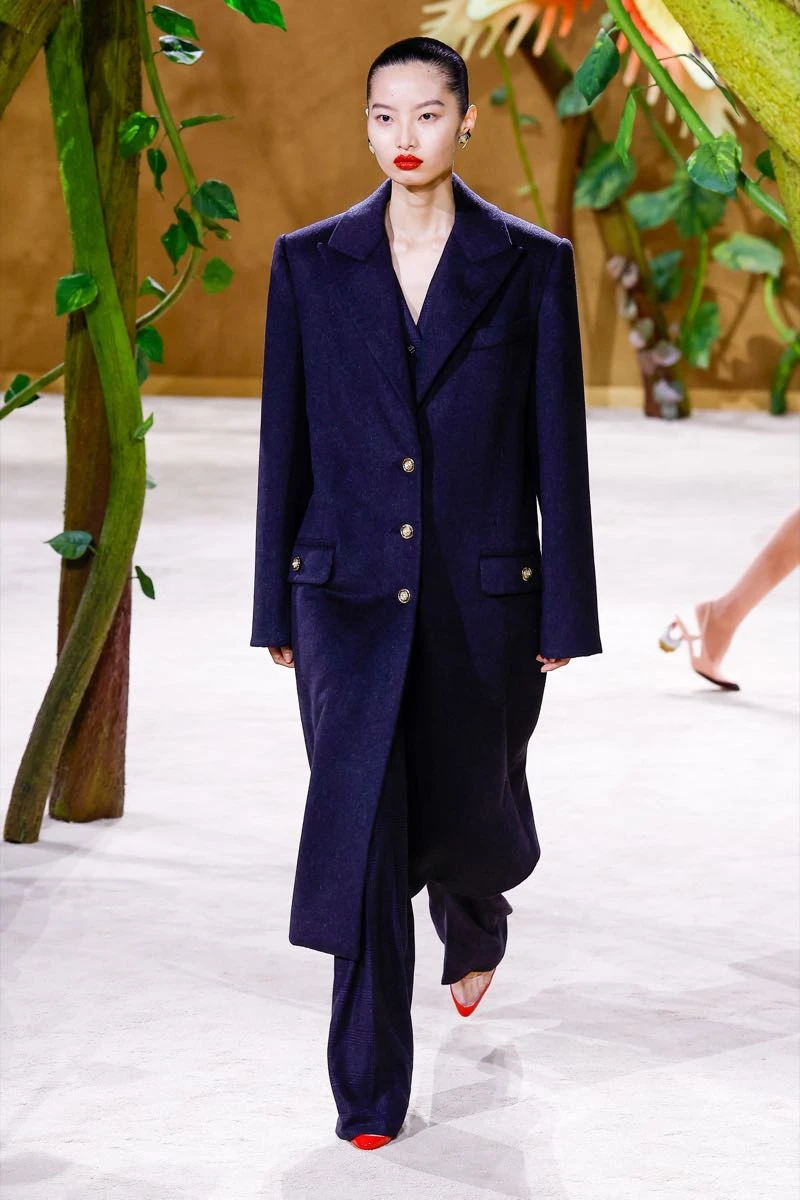
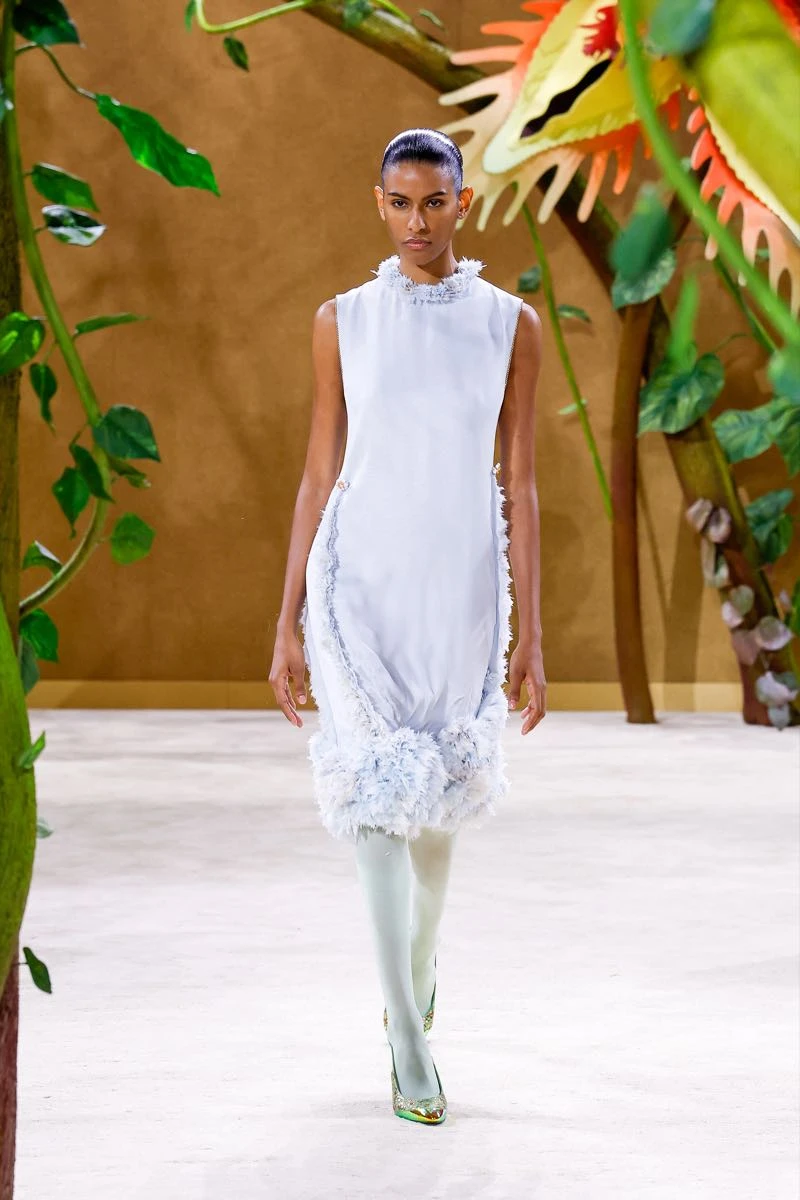
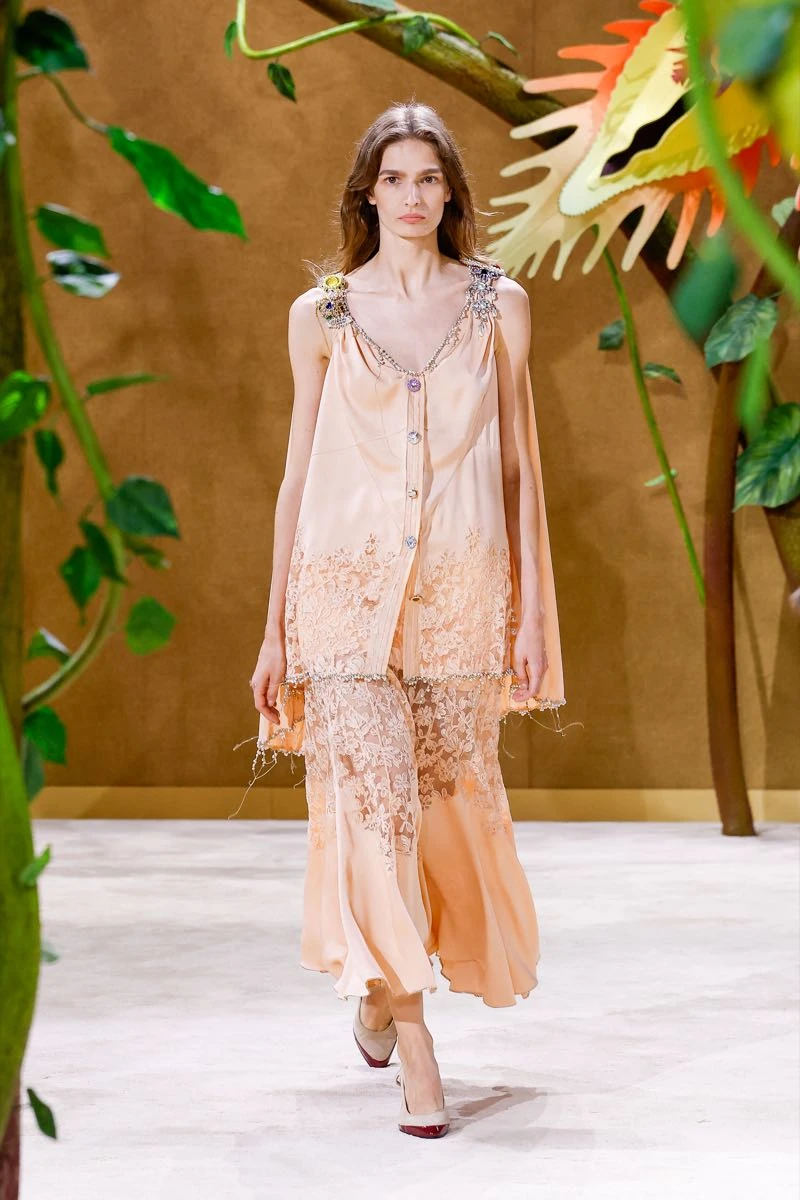
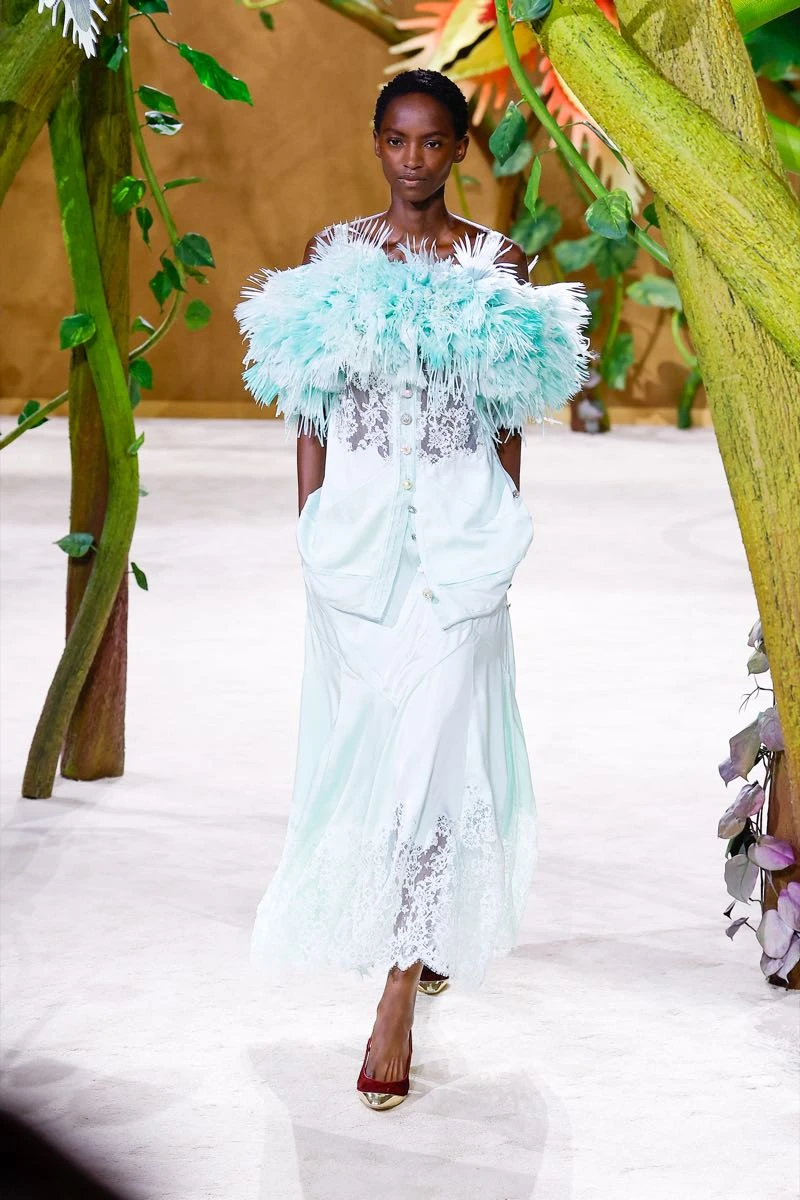
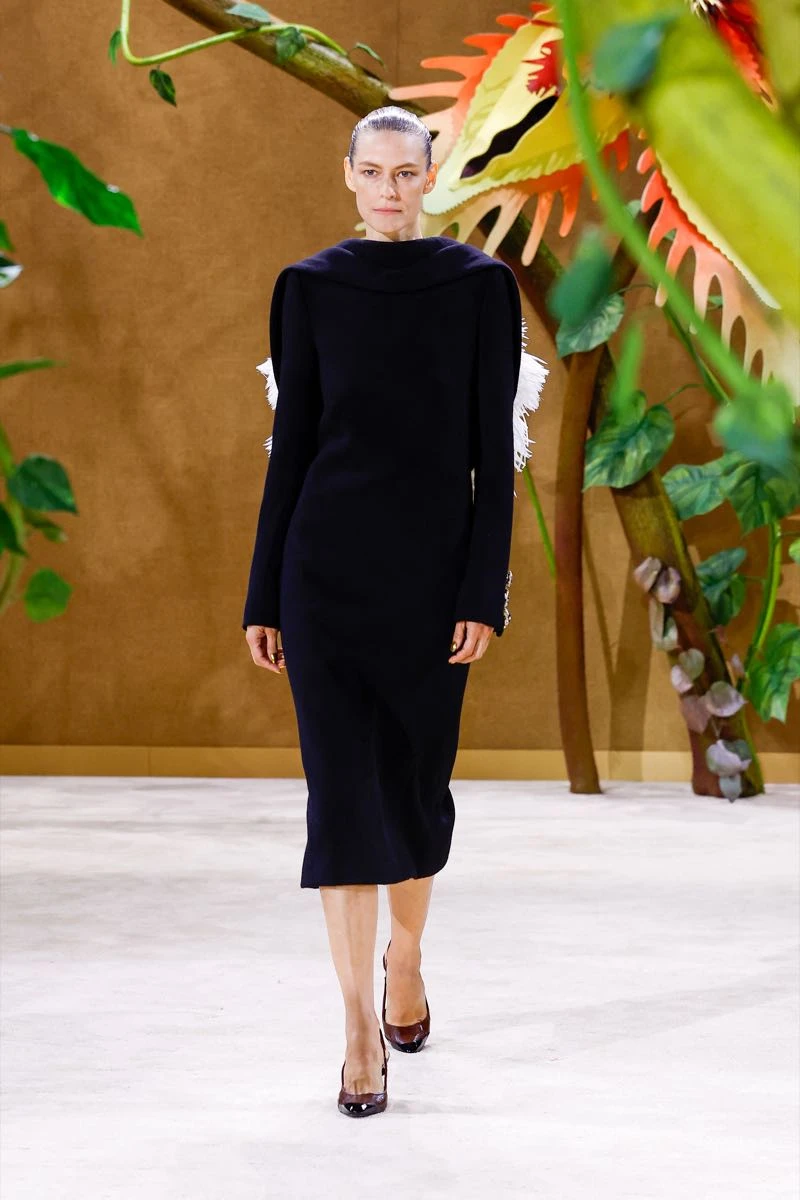
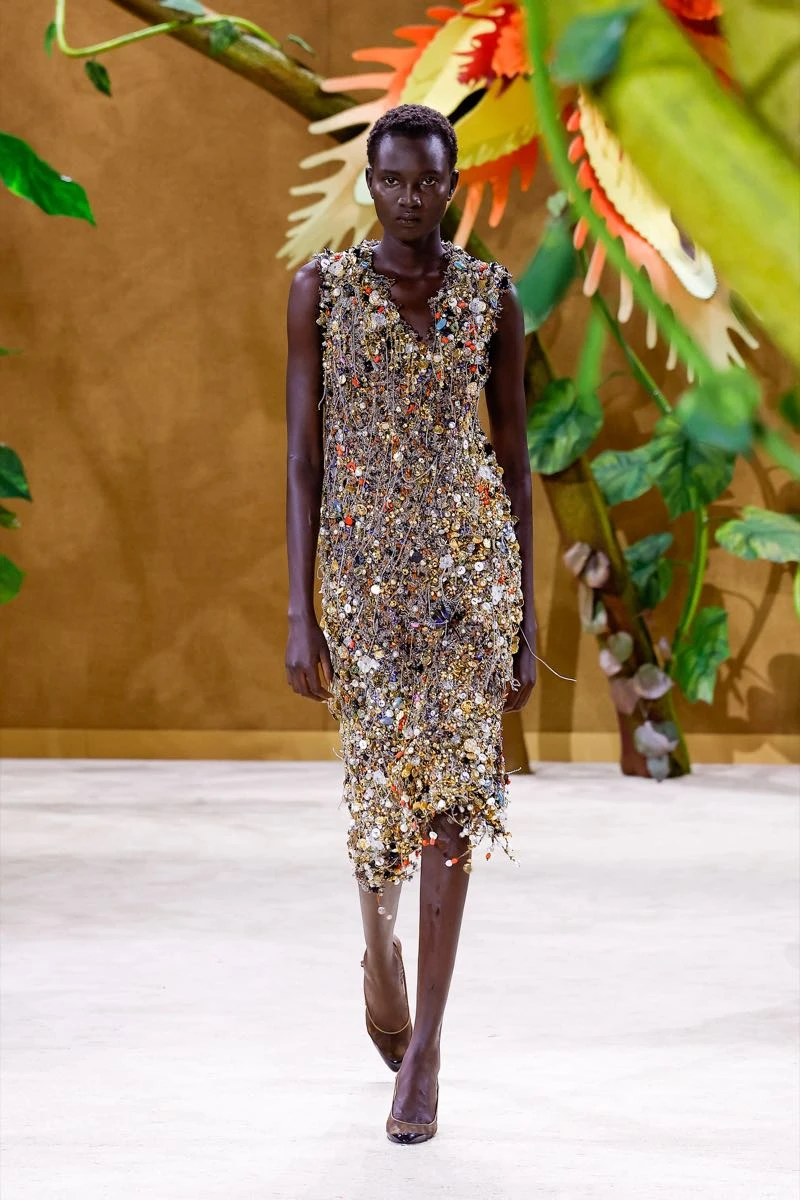
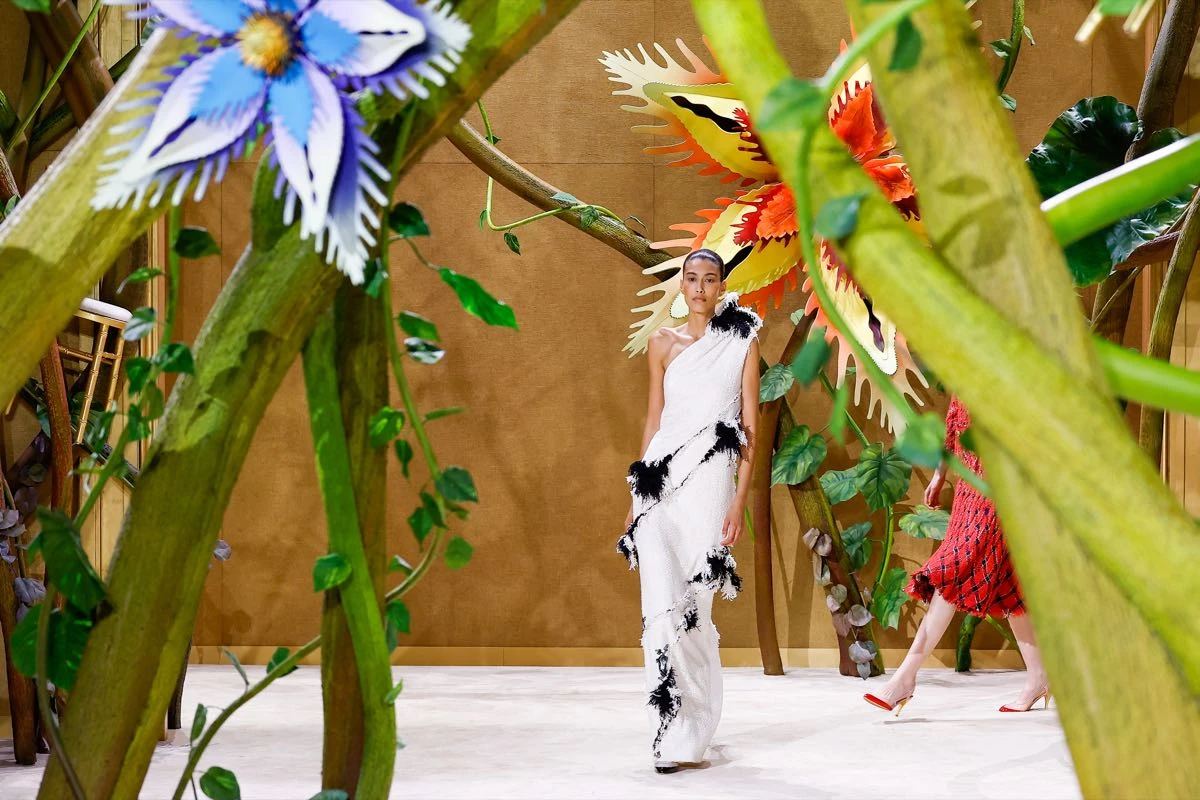
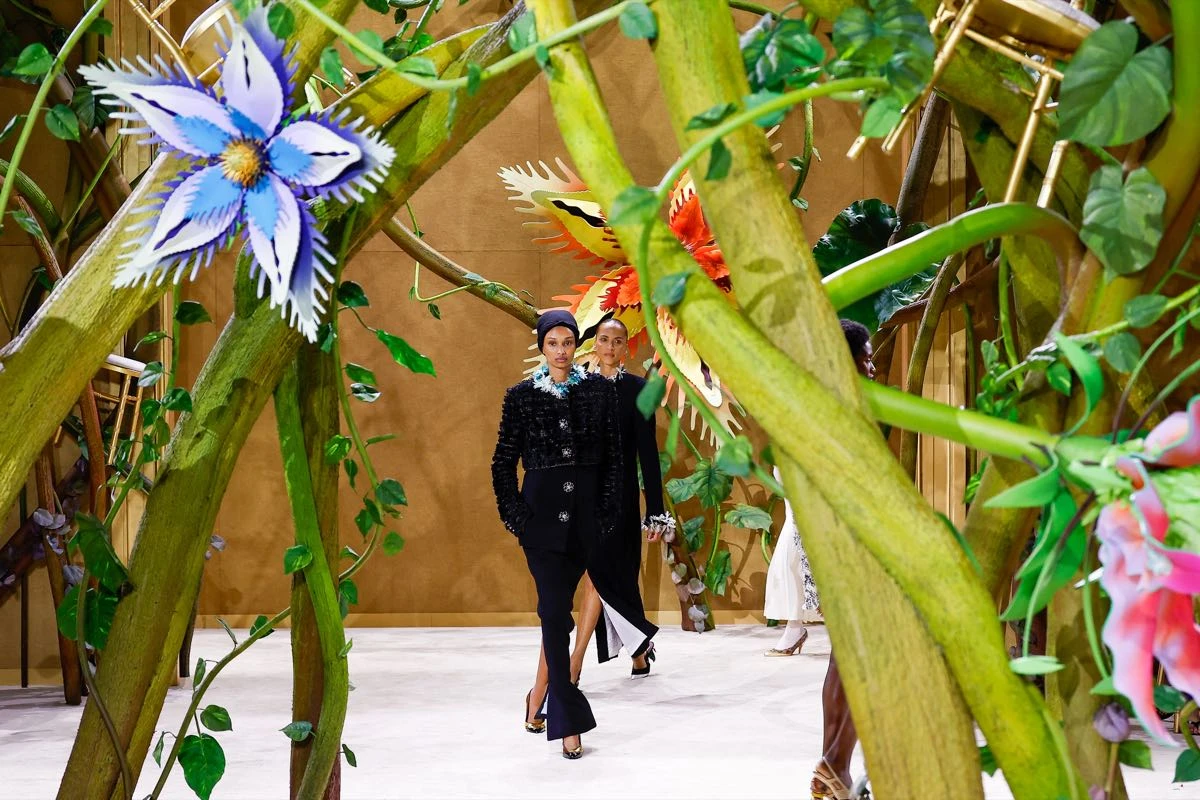
The staging was one of the show’s main protagonists. The Grand Palais became a fairy-tale forest, with a set design covered in vegetation and flowers that reinforced the collection’s fantastical spirit.
The prologue had already foreshadowed that atmosphere: an animation showed a green seed in the hand of a girl, from which plants and branches sprouted.
That image served as a metaphor for new beginnings, but also as a nod to the ongoing growth of a house that, while safeguarding its history, continues to seek new ways to flourish.
The invitation to the show accompanied that narrative as well: a small silver book with the inscription Once upon a time —“Érase una vez”— which, when opened, revealed a budding sprout. Everything was designed to set the mood before the first look appeared.
Inspiration: Fairy Tales, Coco Chanel, and New Beginnings
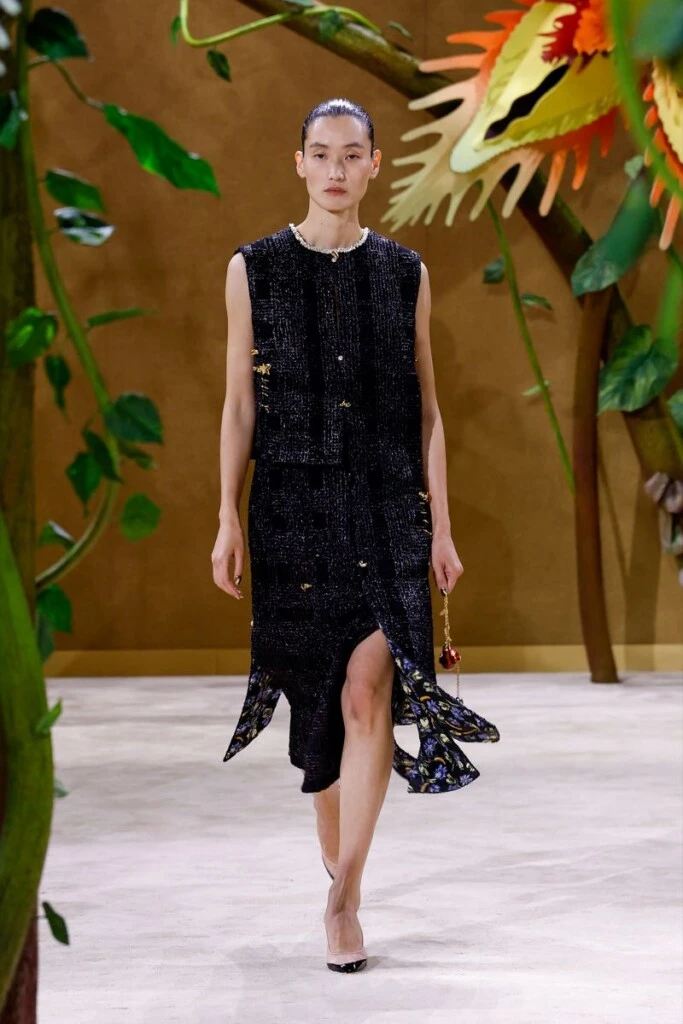
The show dialogued with several classic tales: from Jack and the Beanstalk to Goldilocks or The Goose That Laid the Golden Eggs. But far from adopting a literal or childish reading, Blazy led that imagination into the realm of haute couture with subtlety and precision.
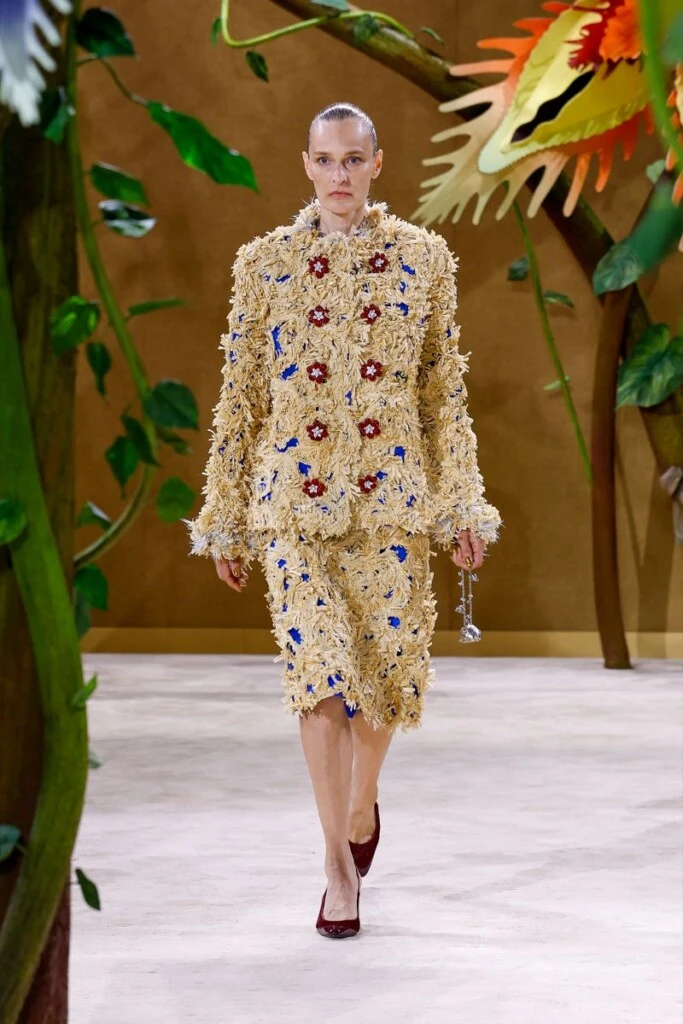
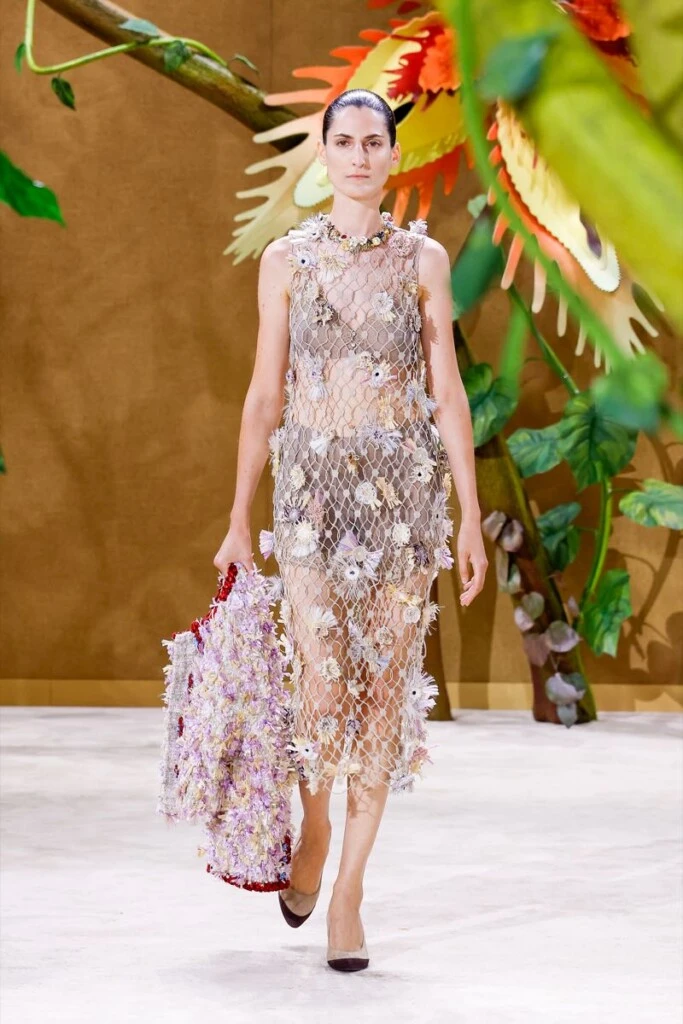
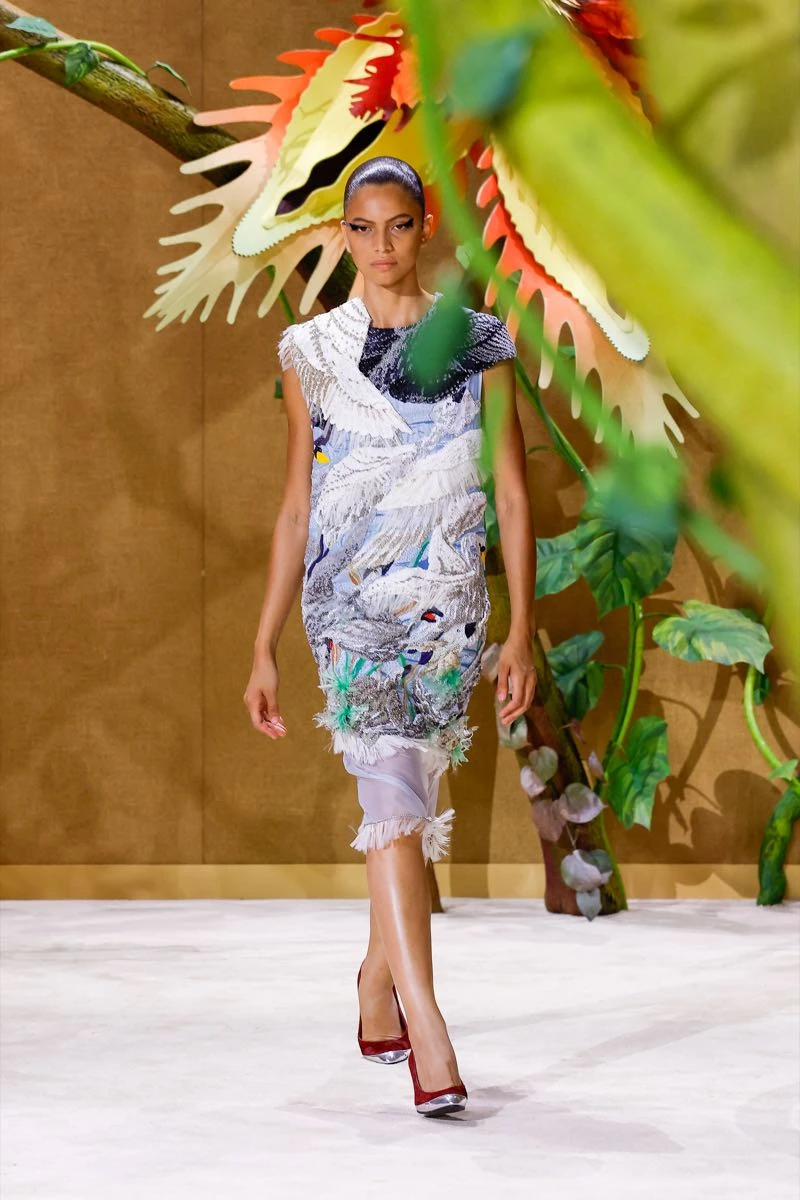
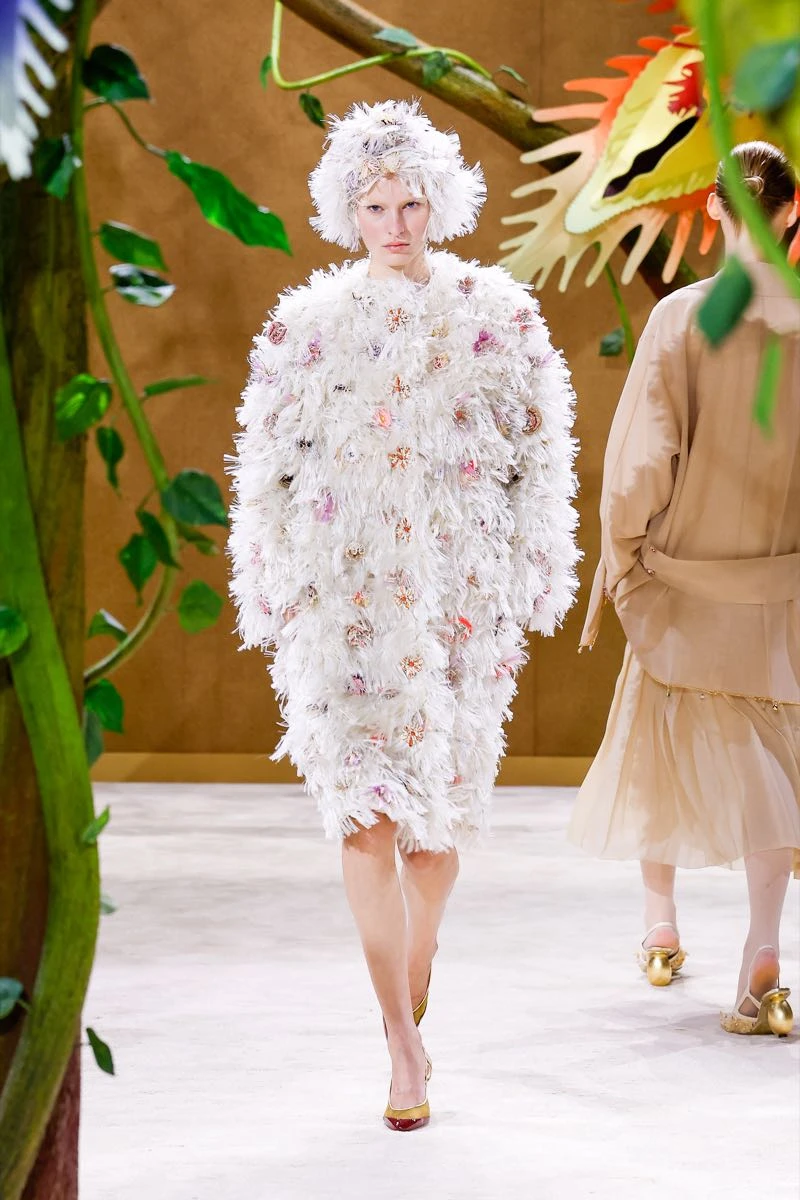
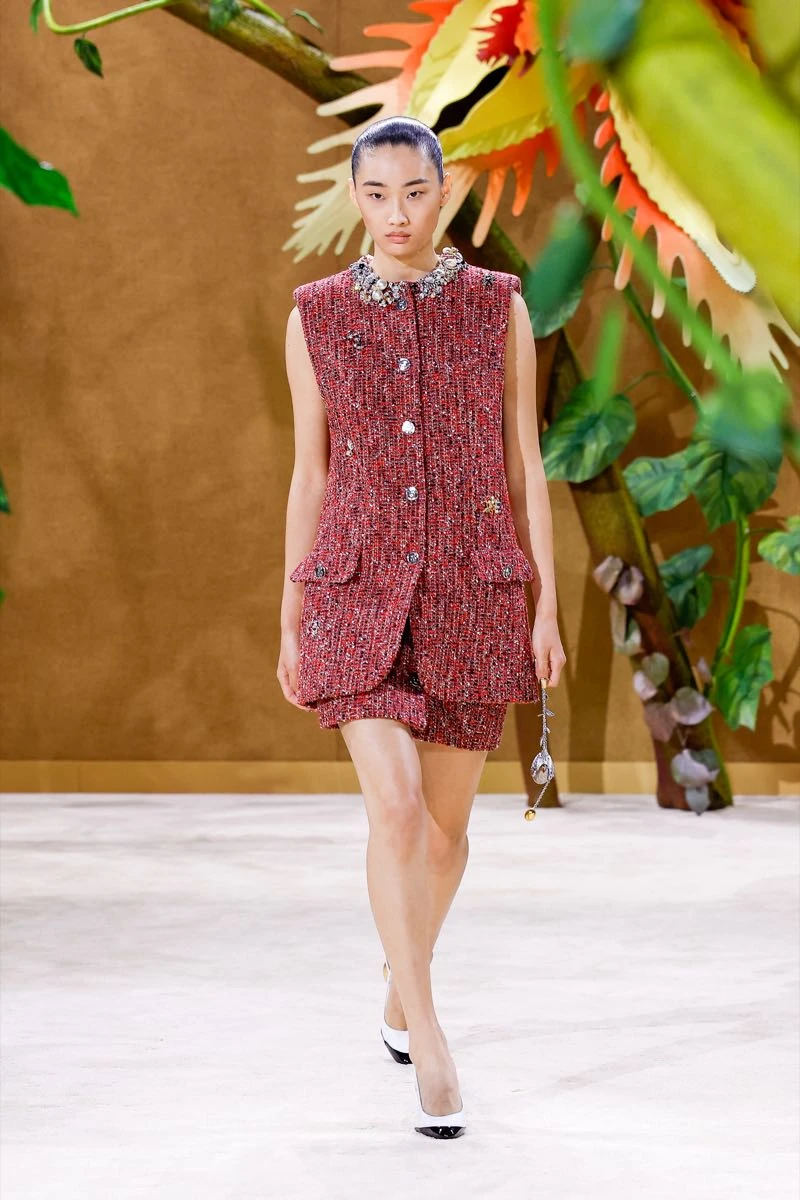
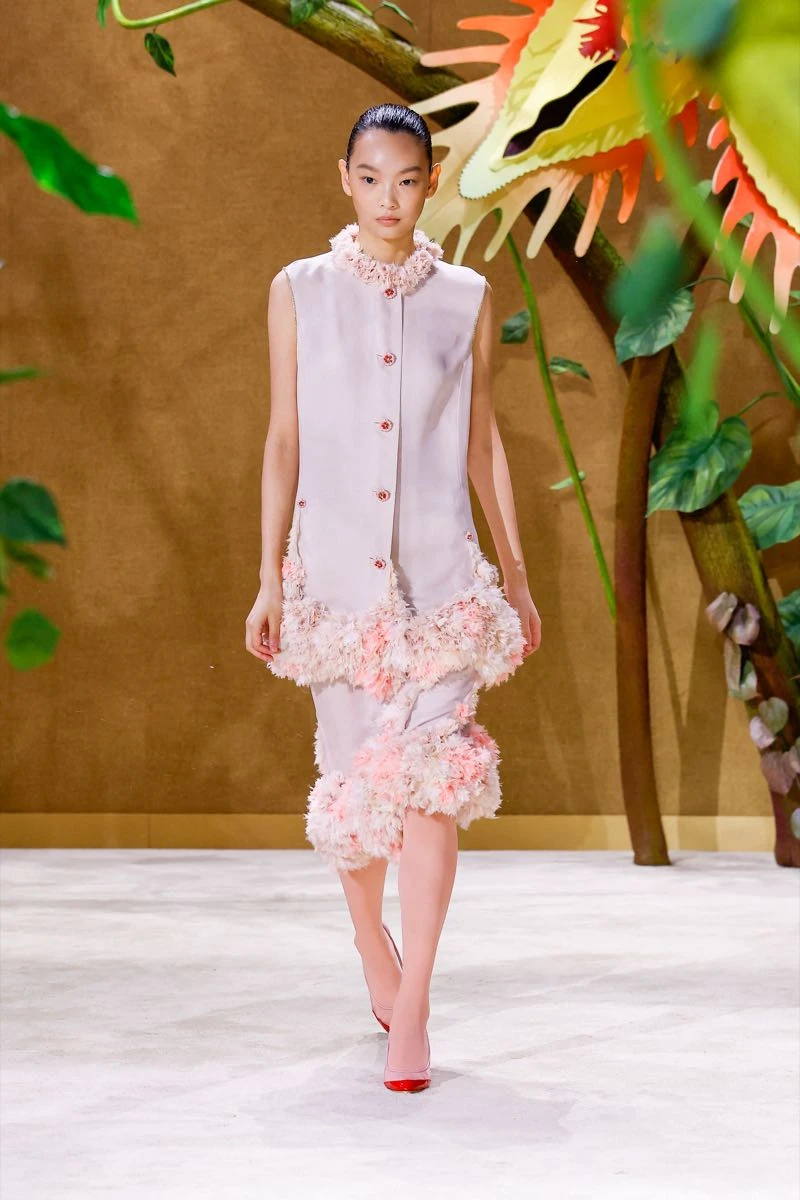
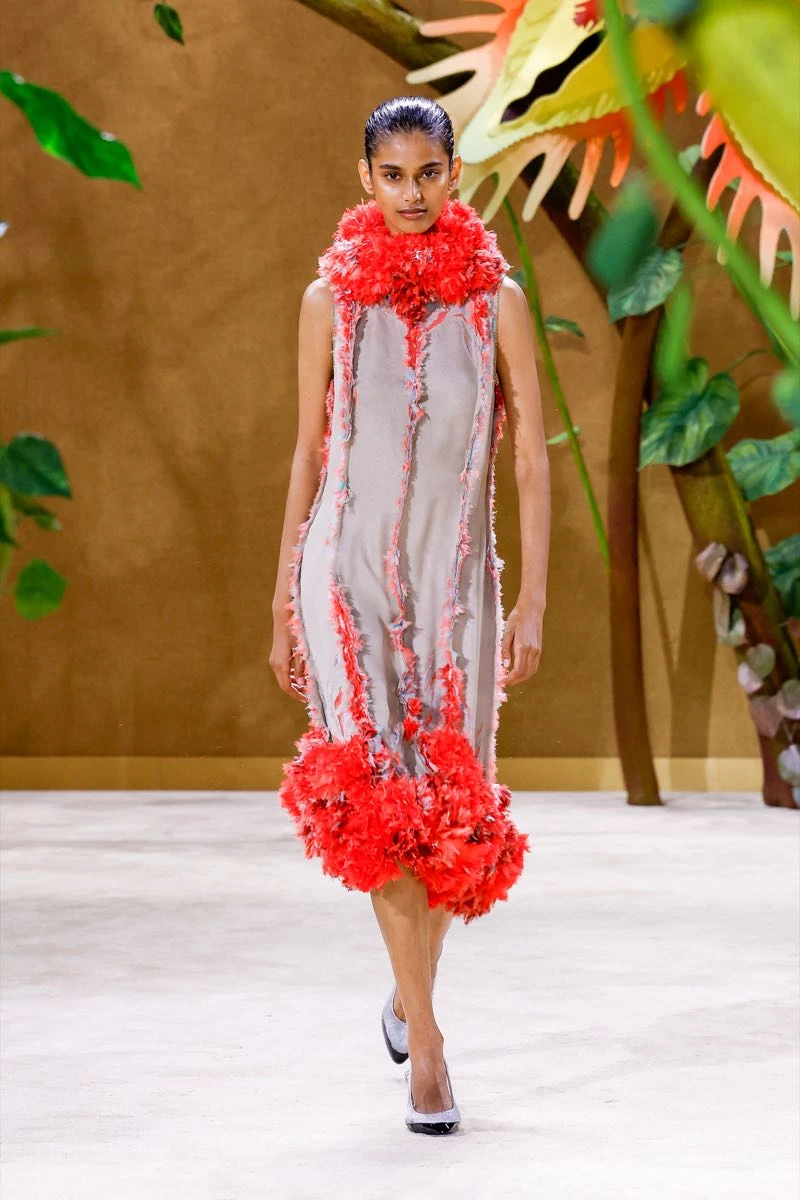
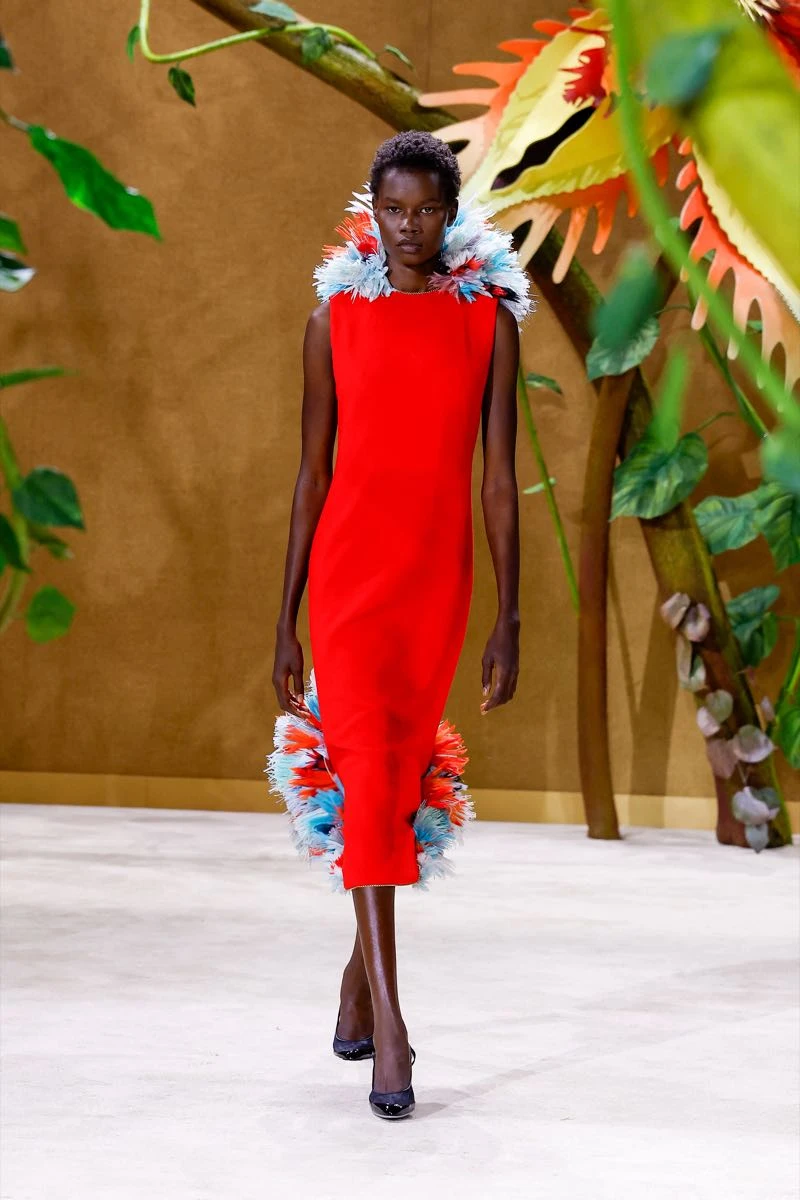
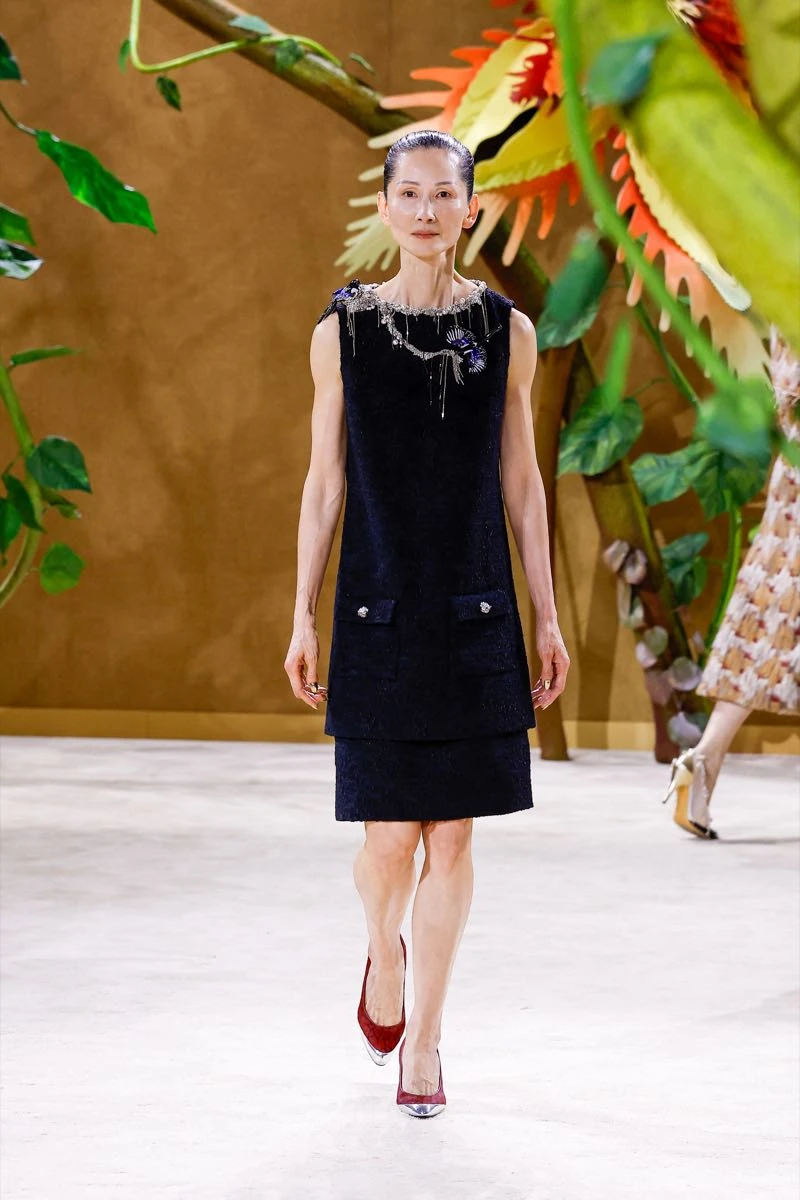
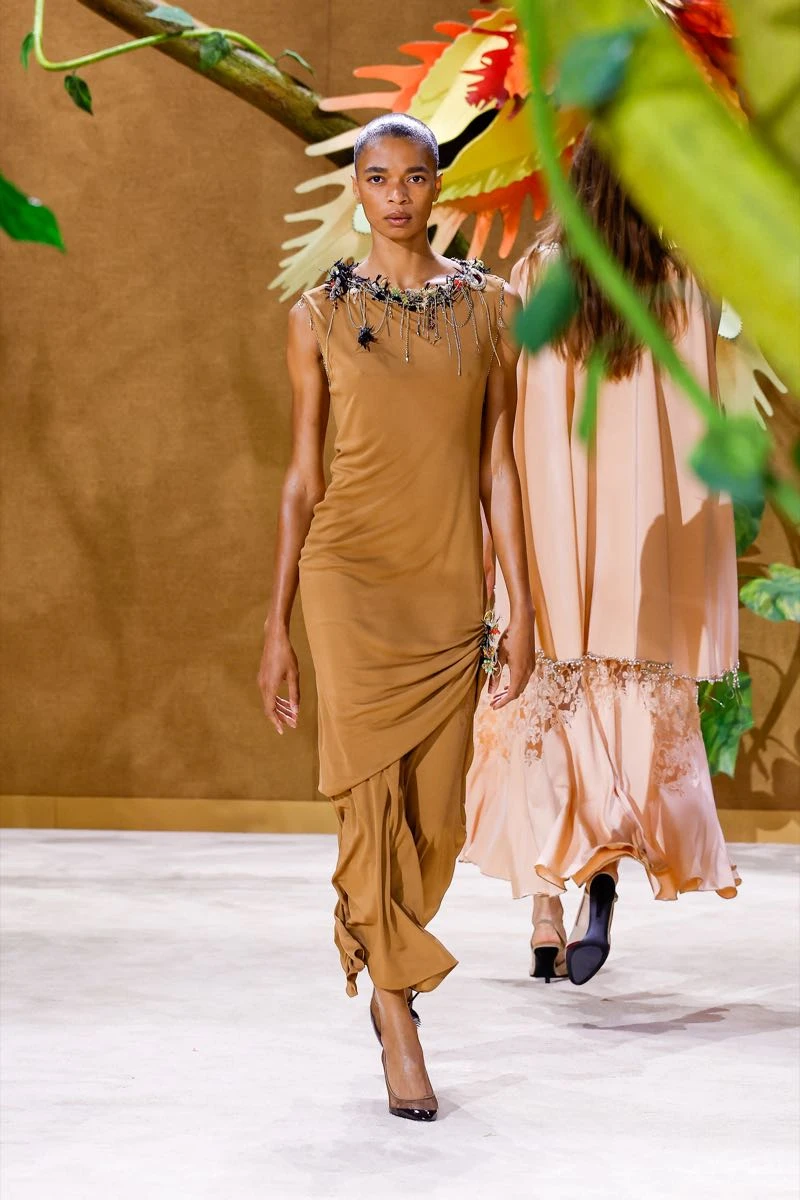
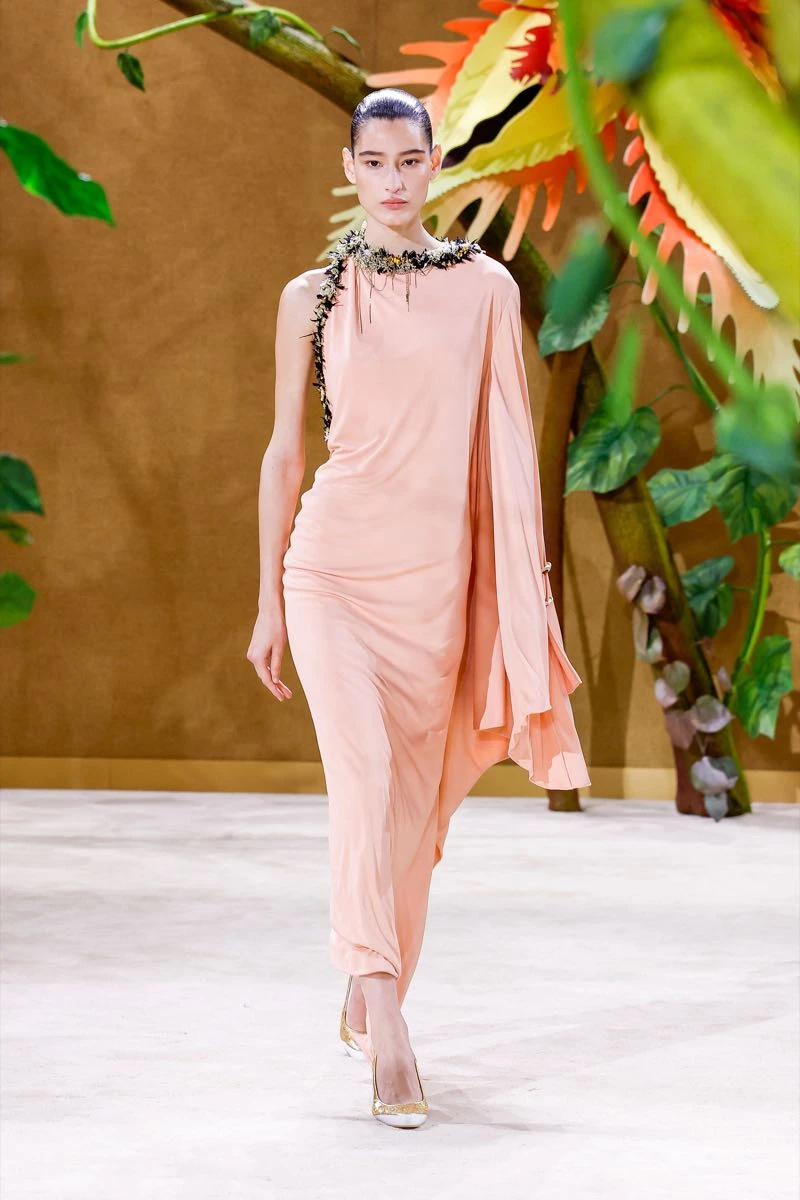
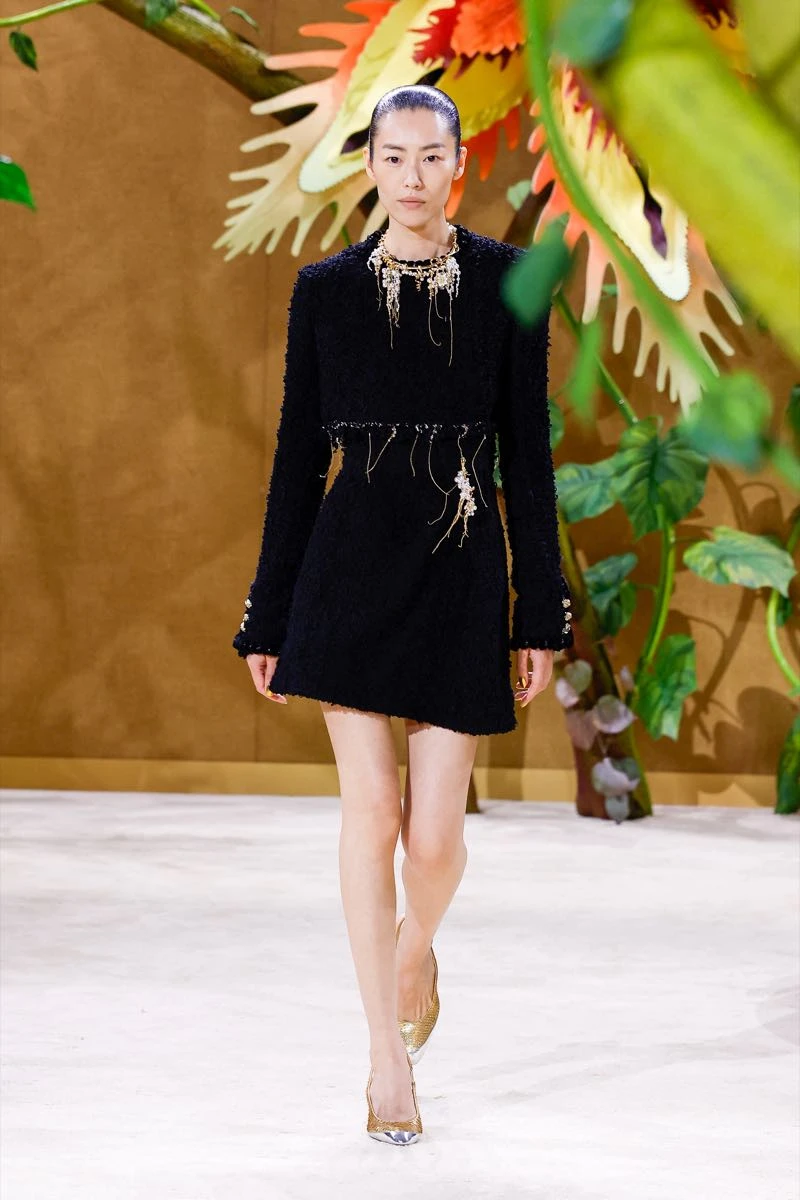
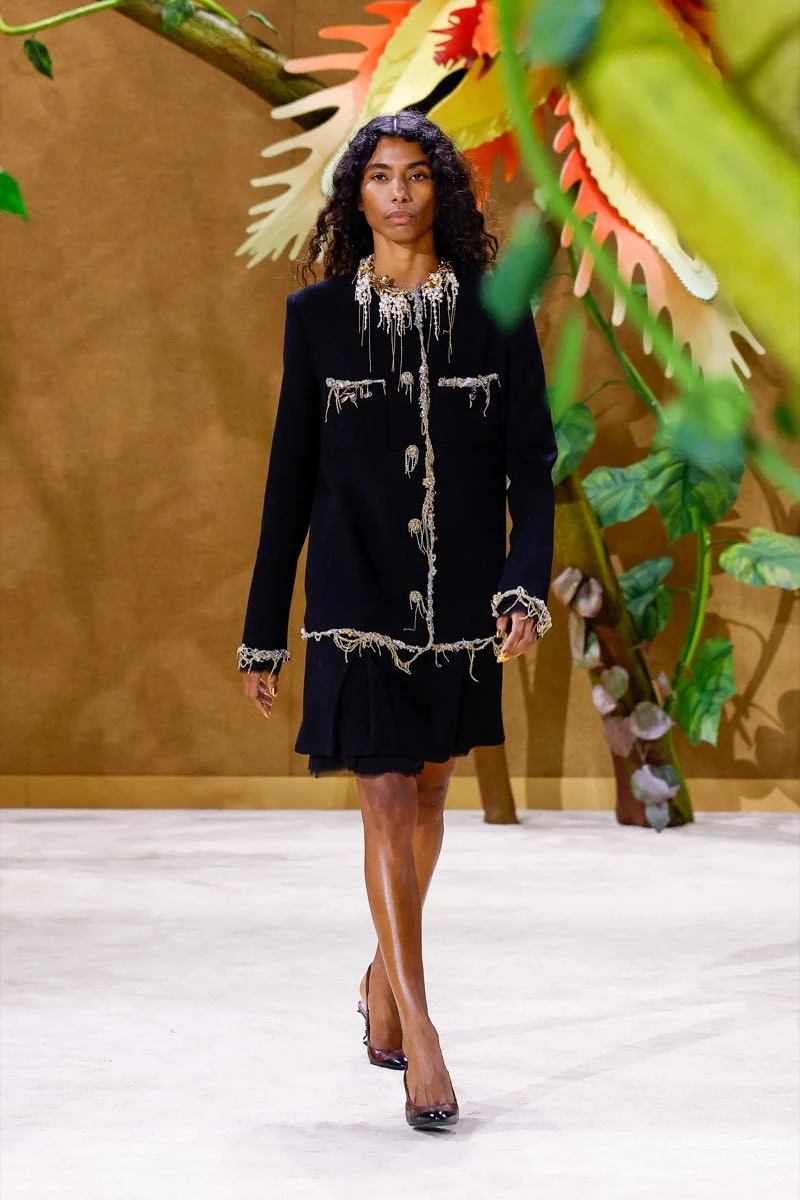
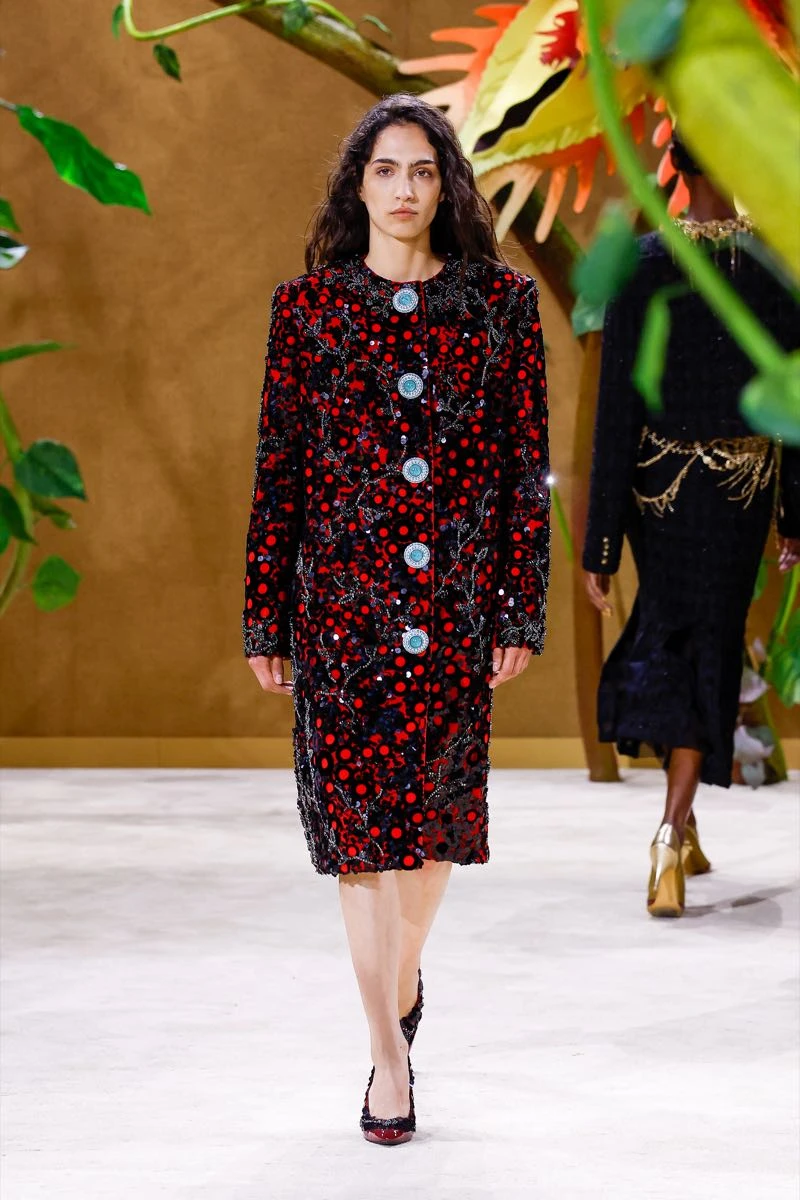
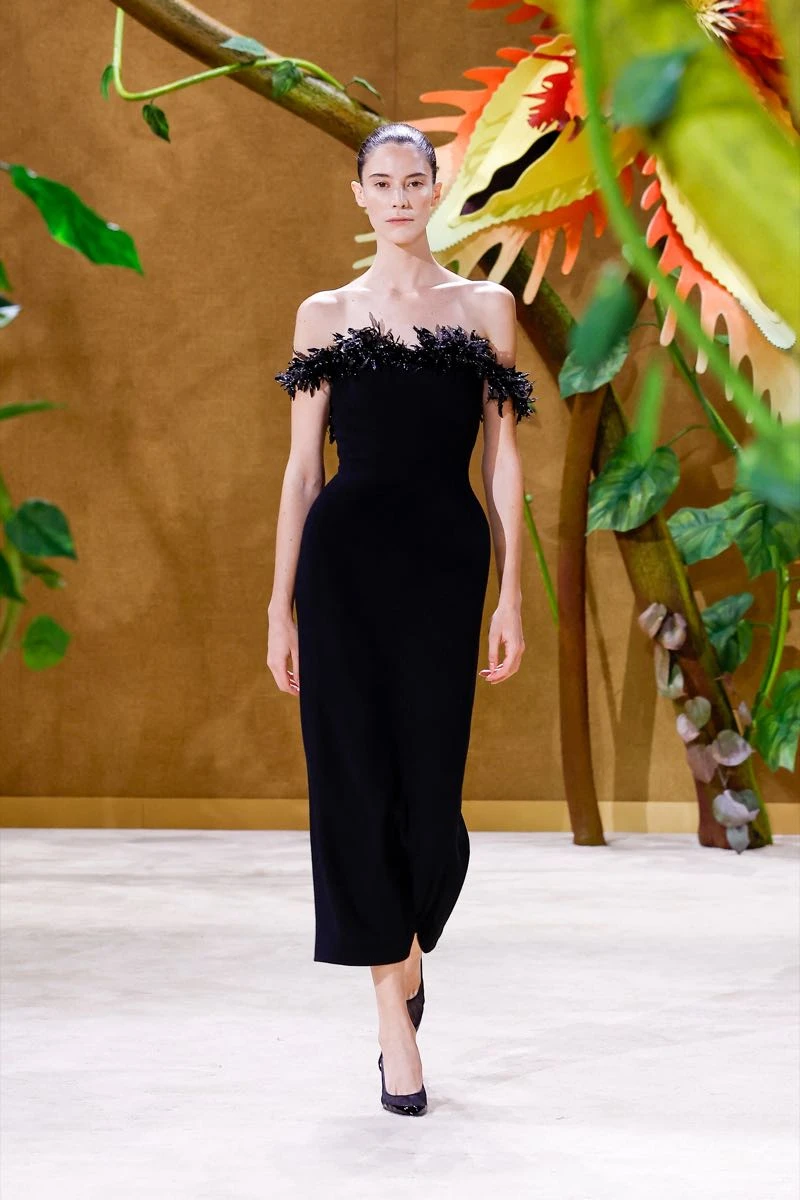
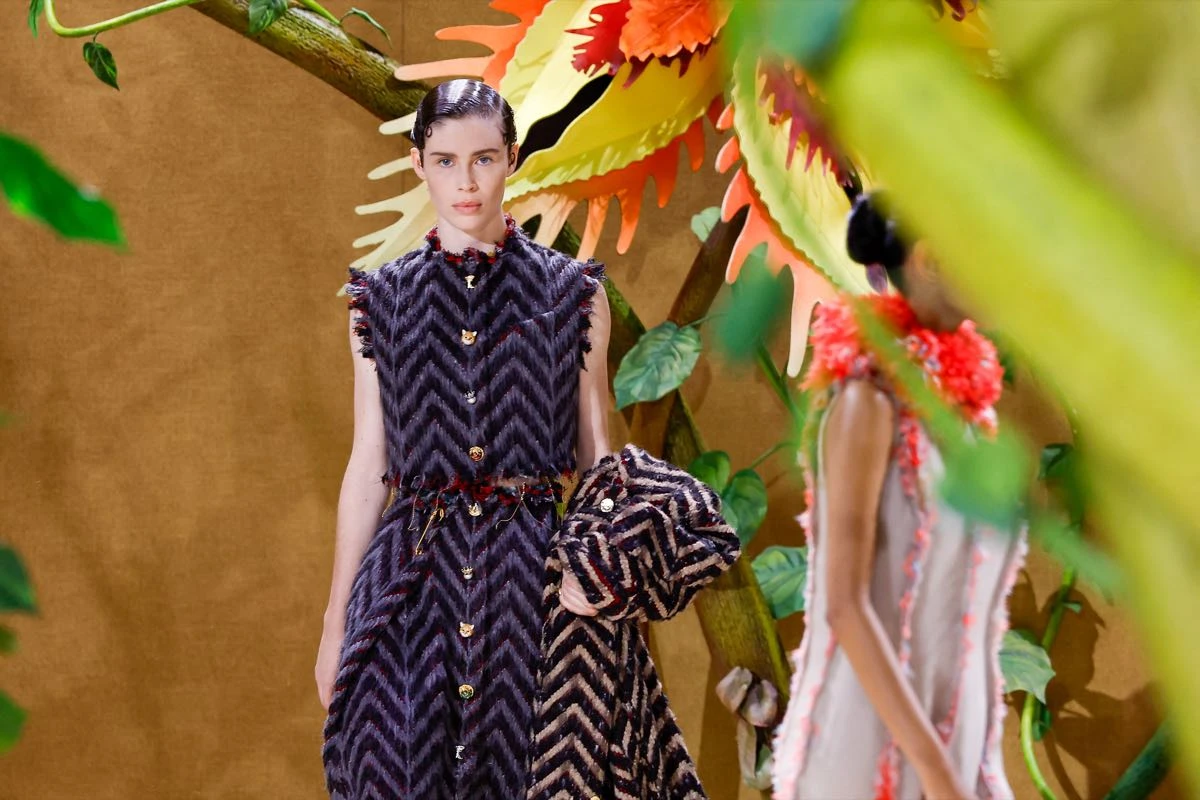
References appeared in embroidery, accessories, textures, and almost secret details. Vines that traced dresses and shoes, relief flowers, feathers, guipure lace, and delicate transparencies built a collection rich in symbolism.
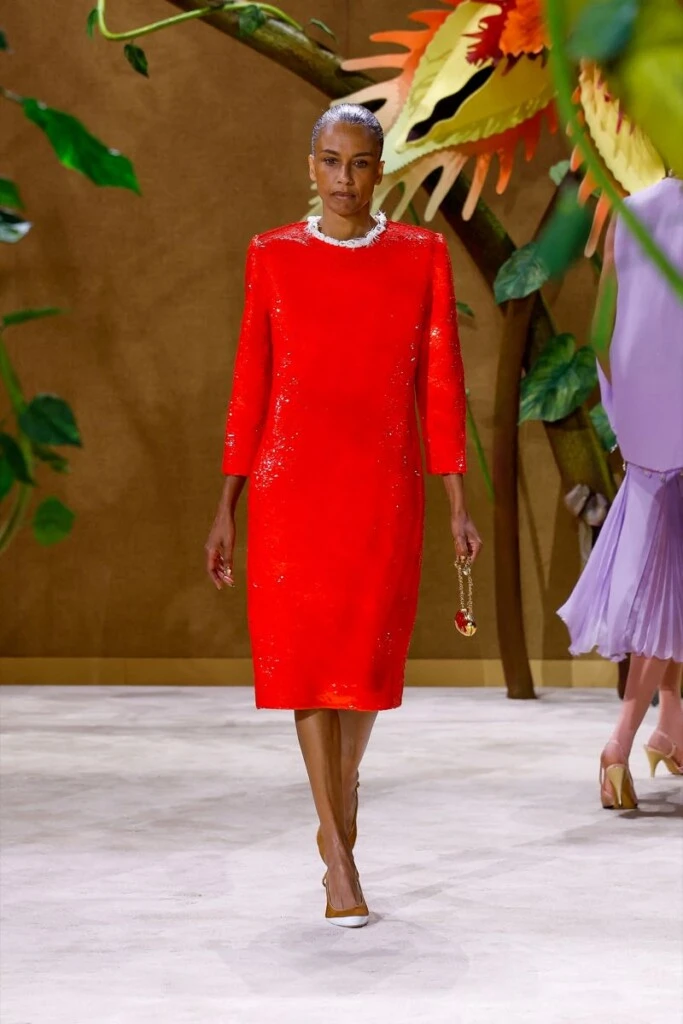
The figure of Coco Chanel appeared in a deeply meaningful way. Not as a nostalgic quotation, but as a starting point for thinking about the future. The collection seemed to lean on a very Chanel idea: to create a life of one’s own, even when reality falls short. Or, in other words, to use fashion as a means of invention.
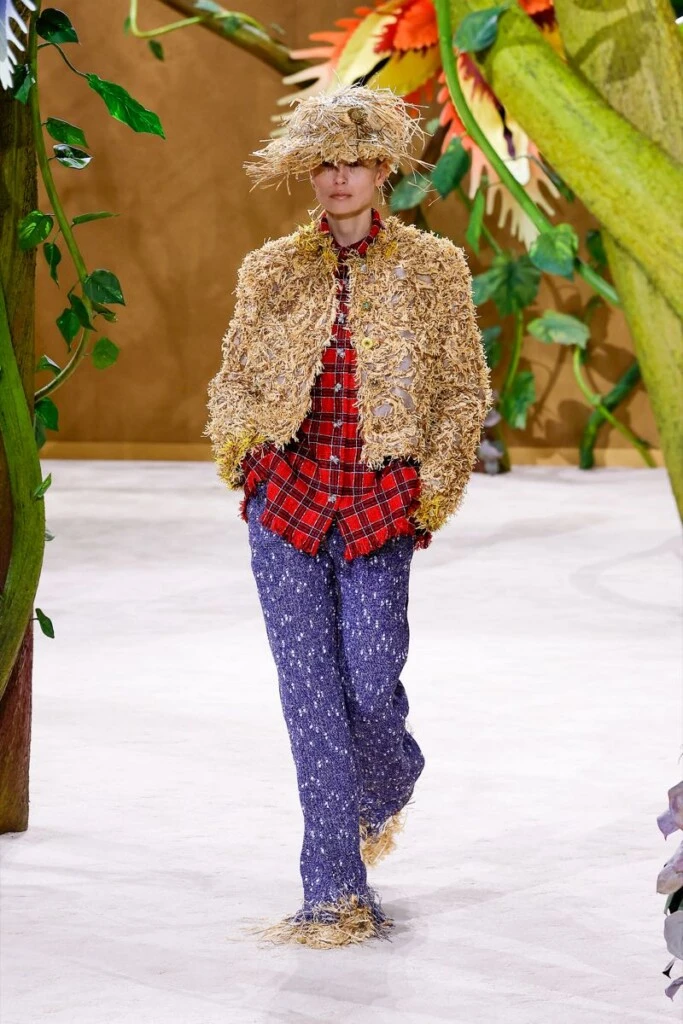
The New Chanel by Matthieu Blazy
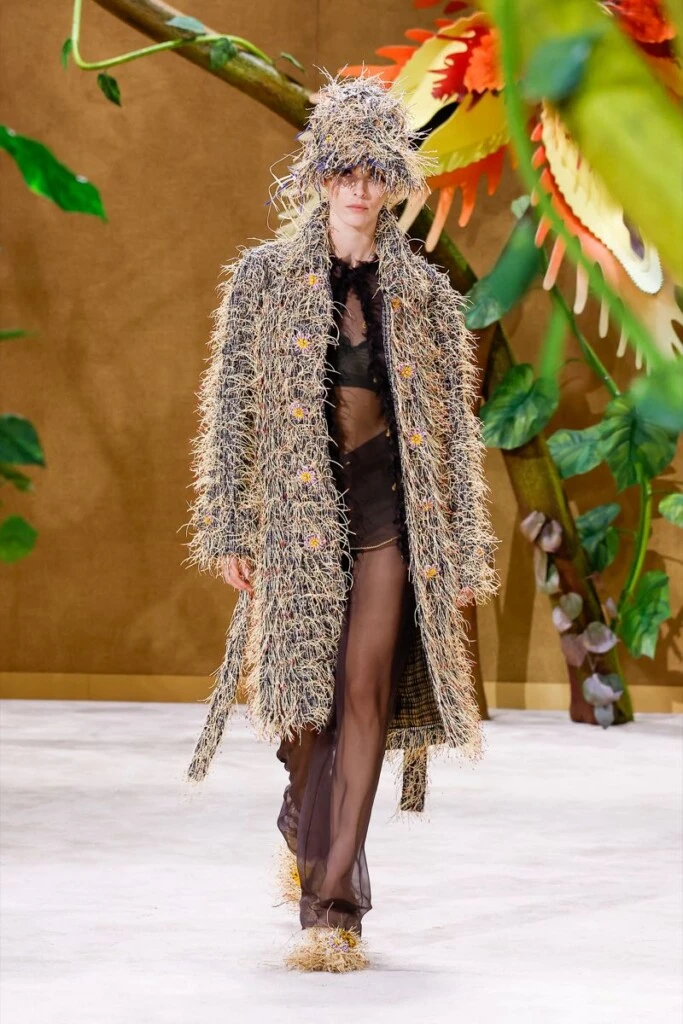
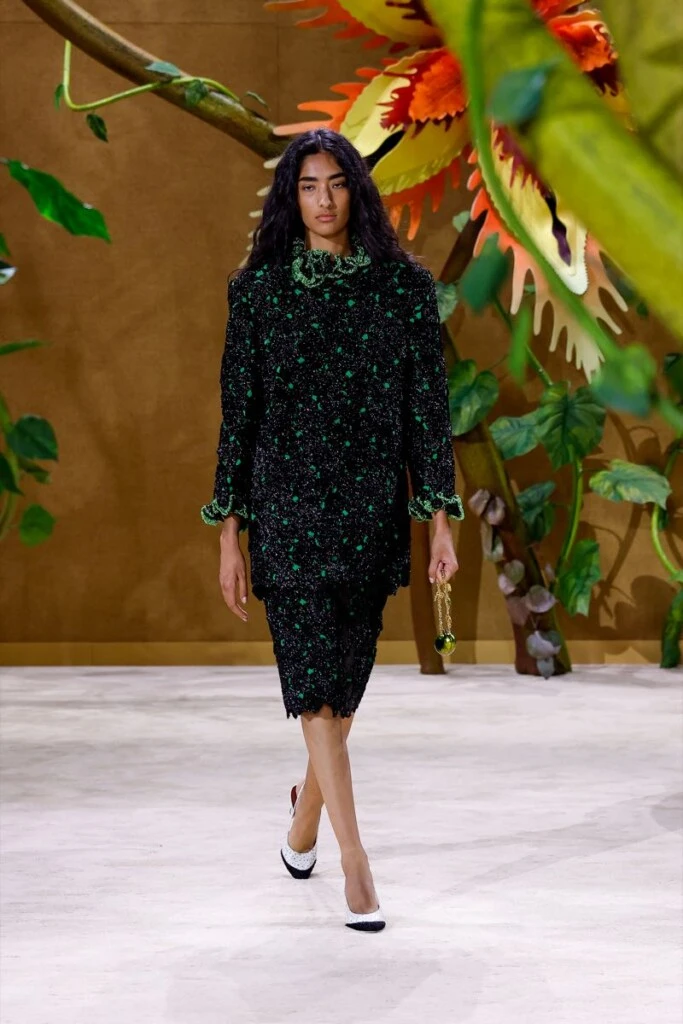
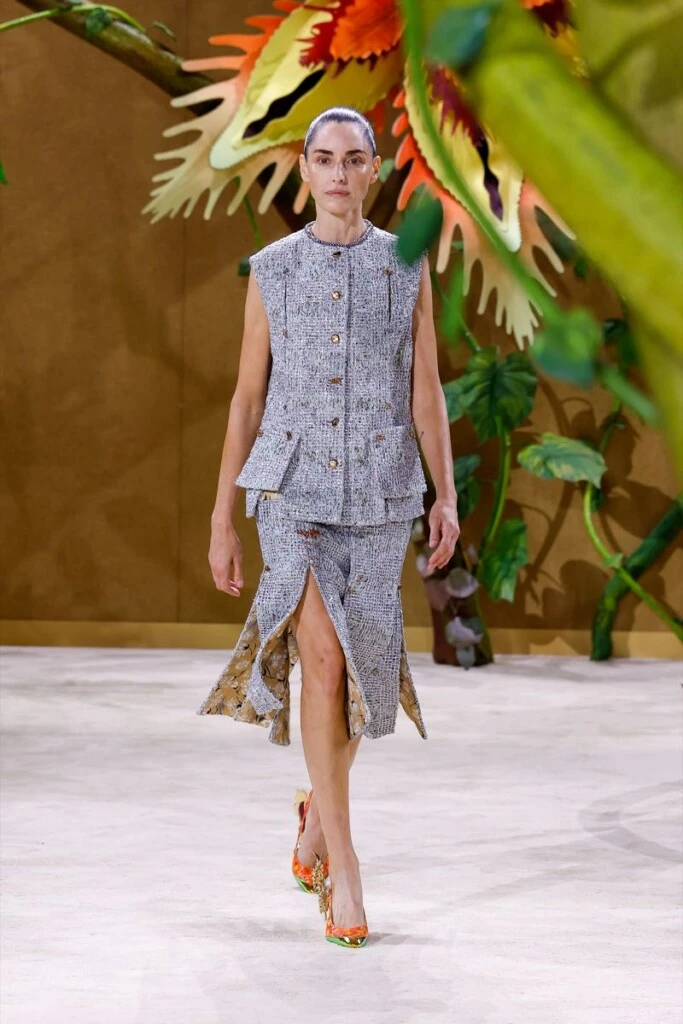
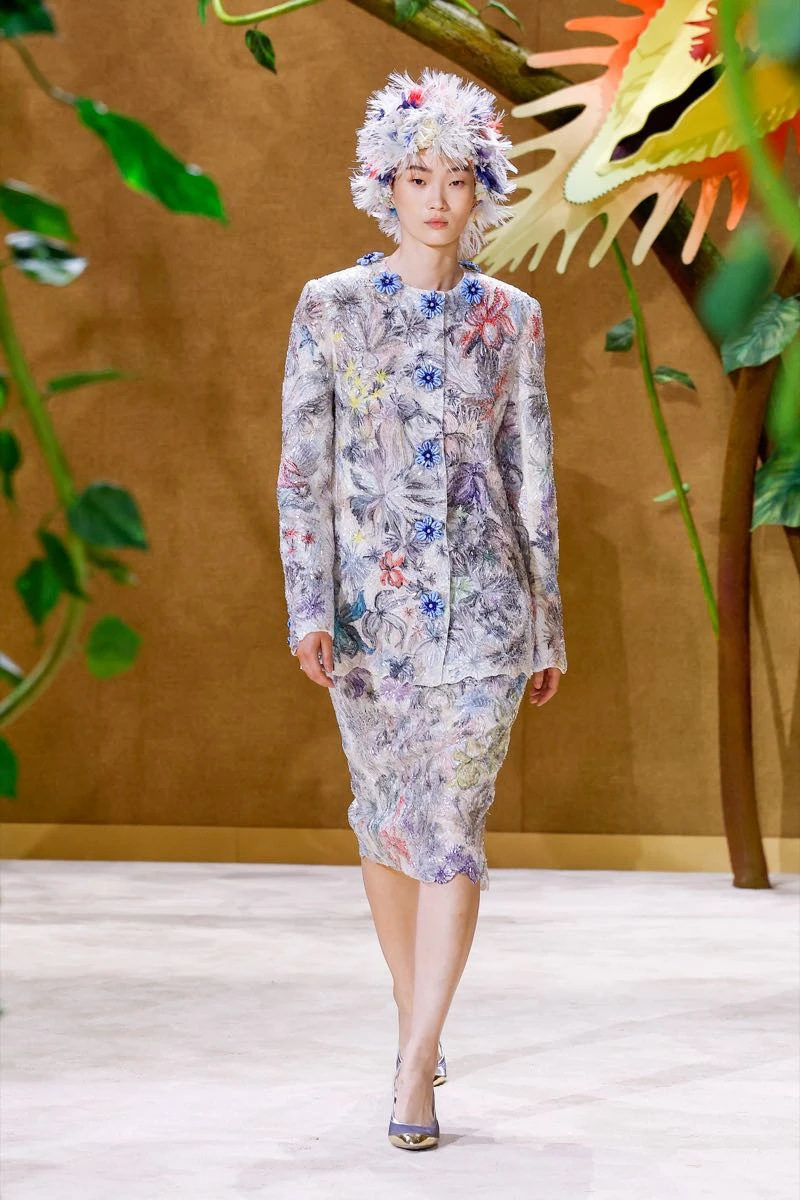
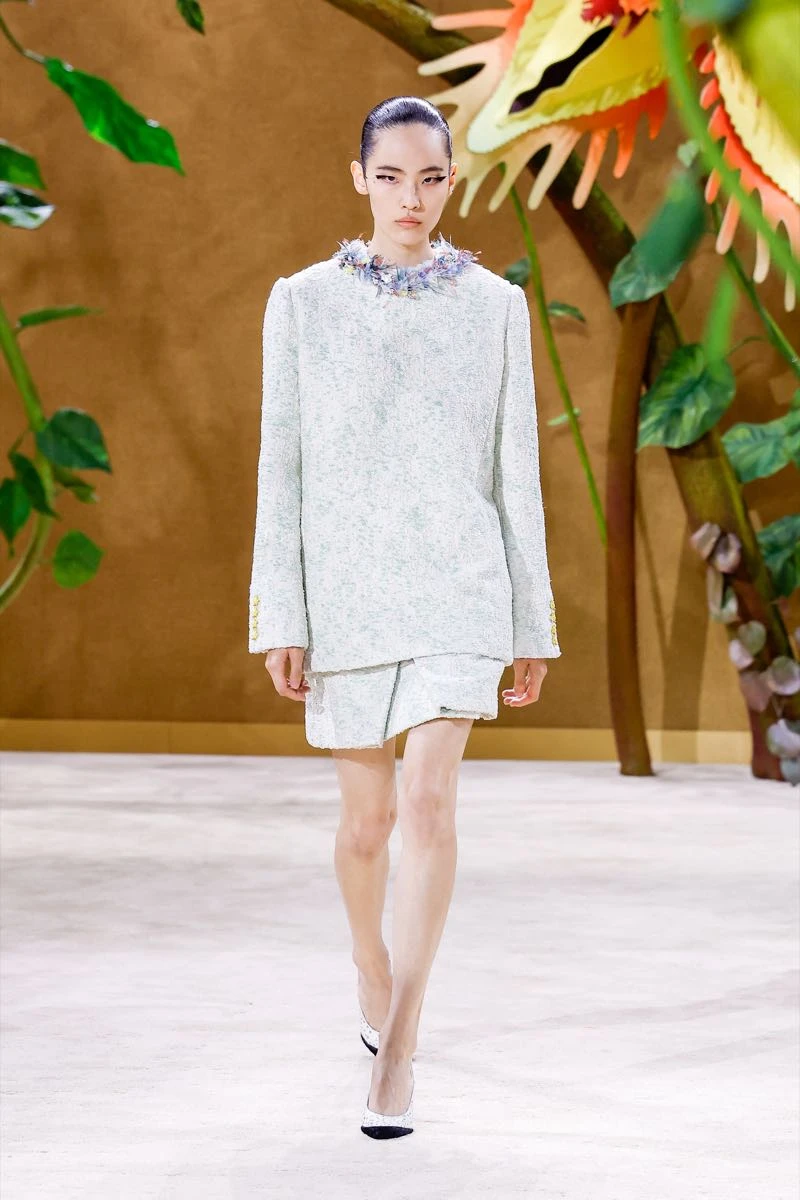
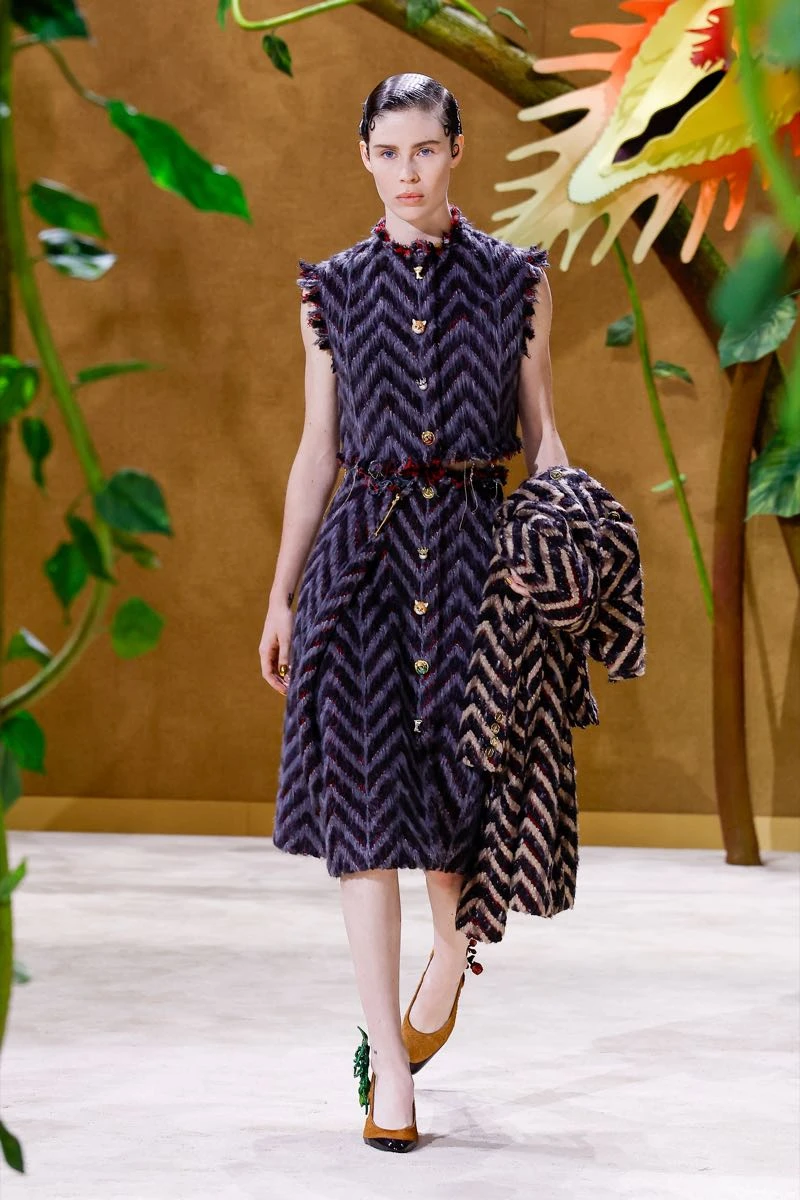
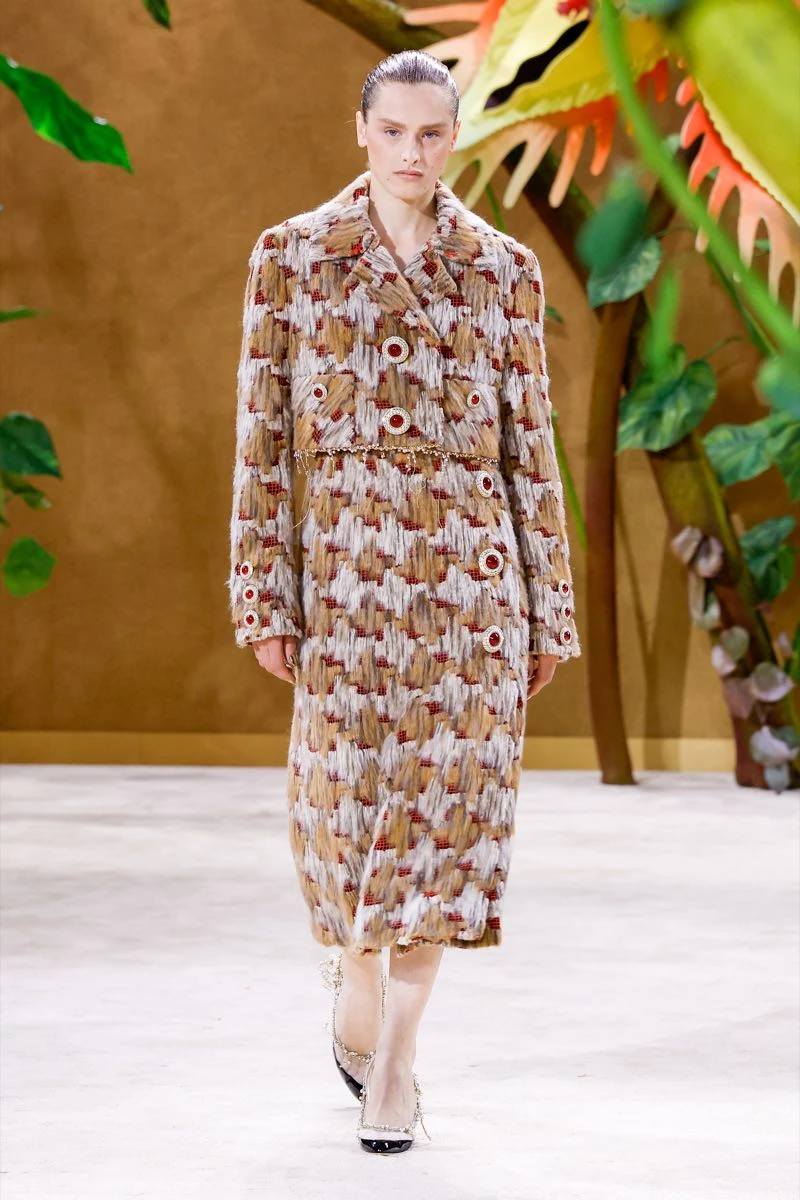
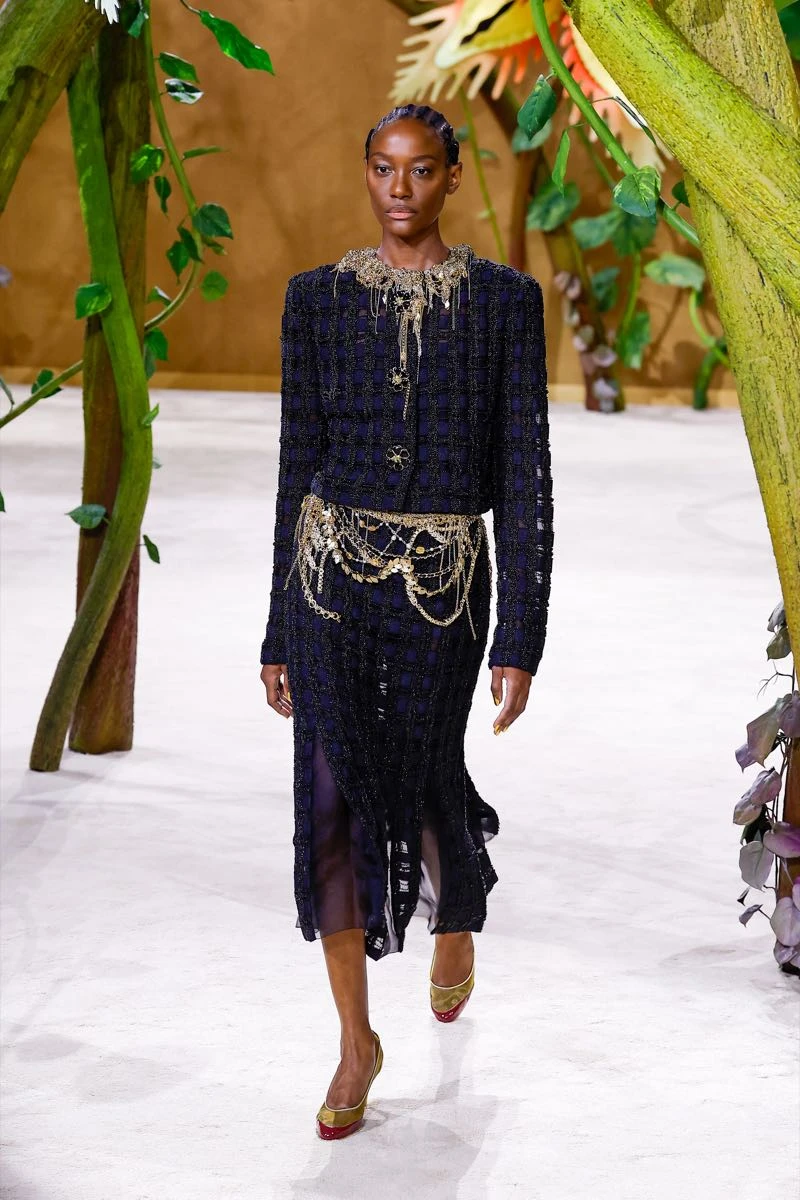
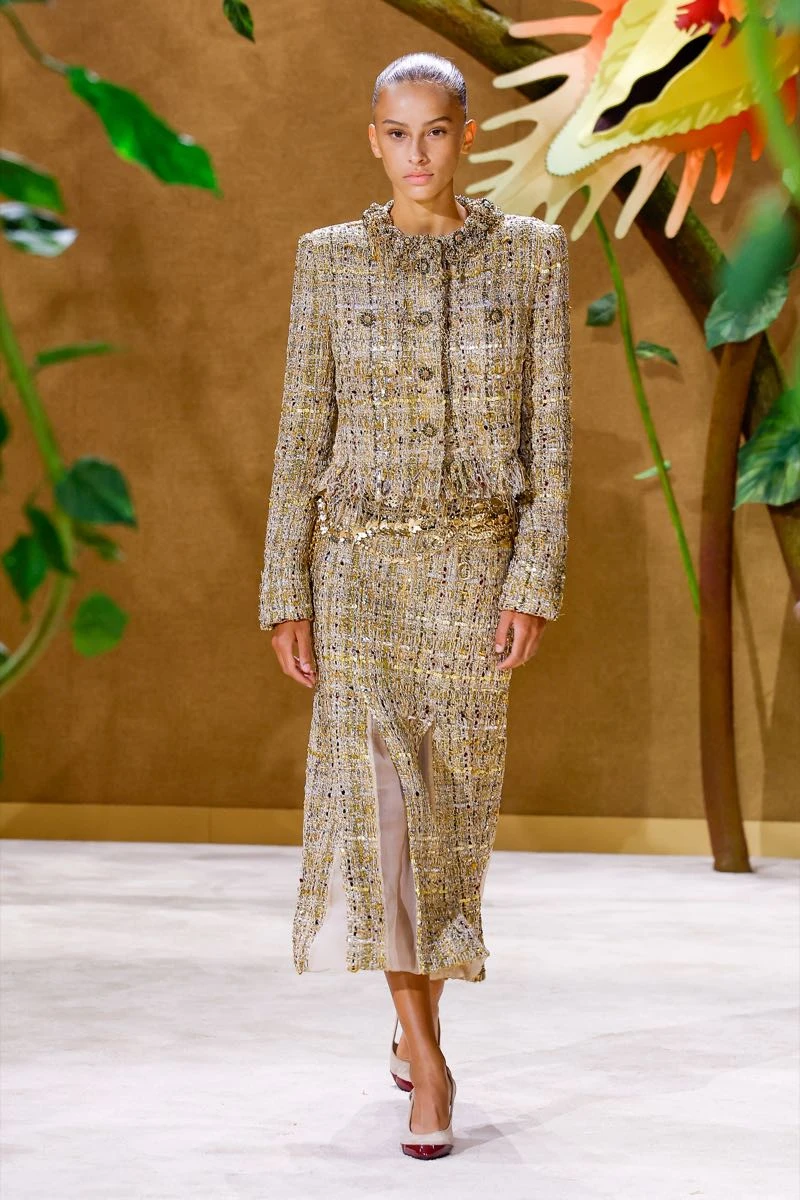
With this second haute couture collection, Matthieu Blazy begins to make clearer where he intends to take the house. His Chanel preserves the classic codes —tweed, tailoring, black and white, chains, and restrained elegance— but works them with a fresh, new sensibility.
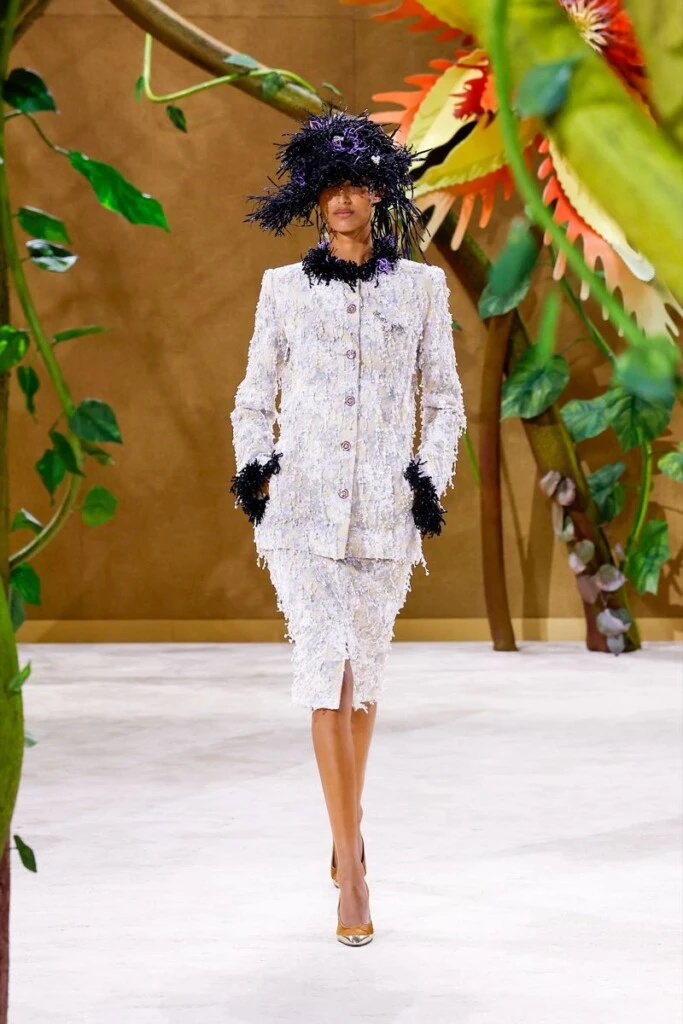
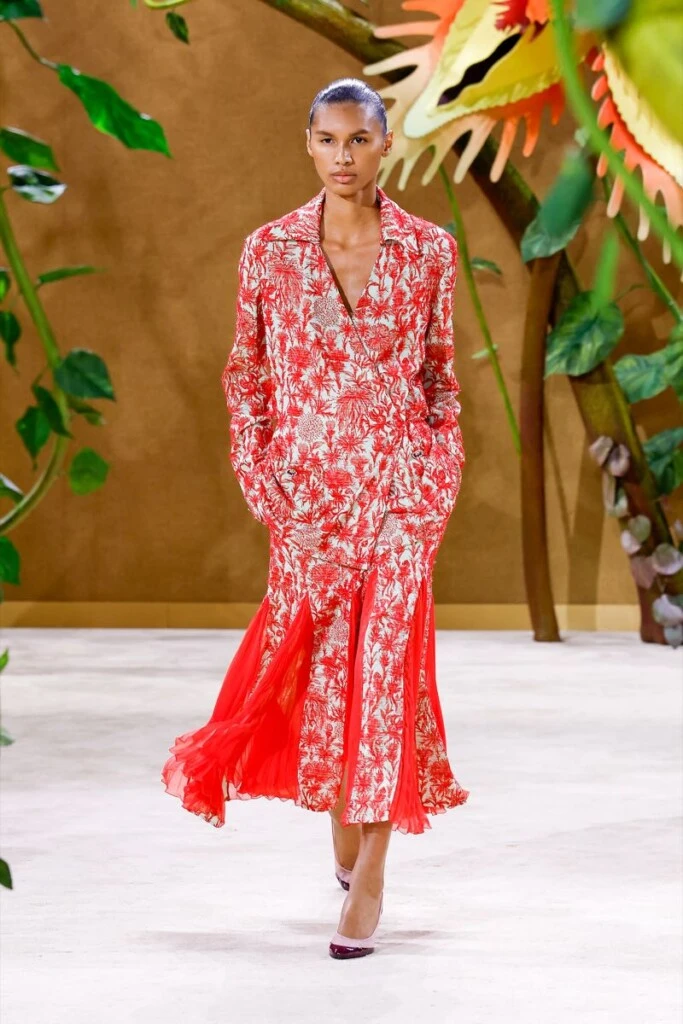
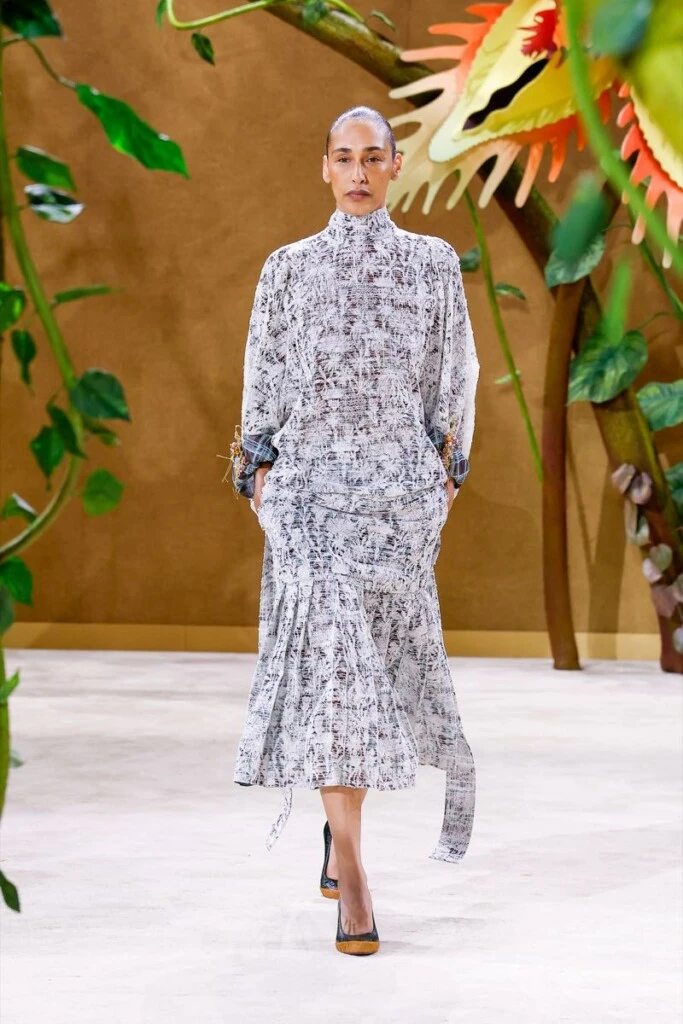
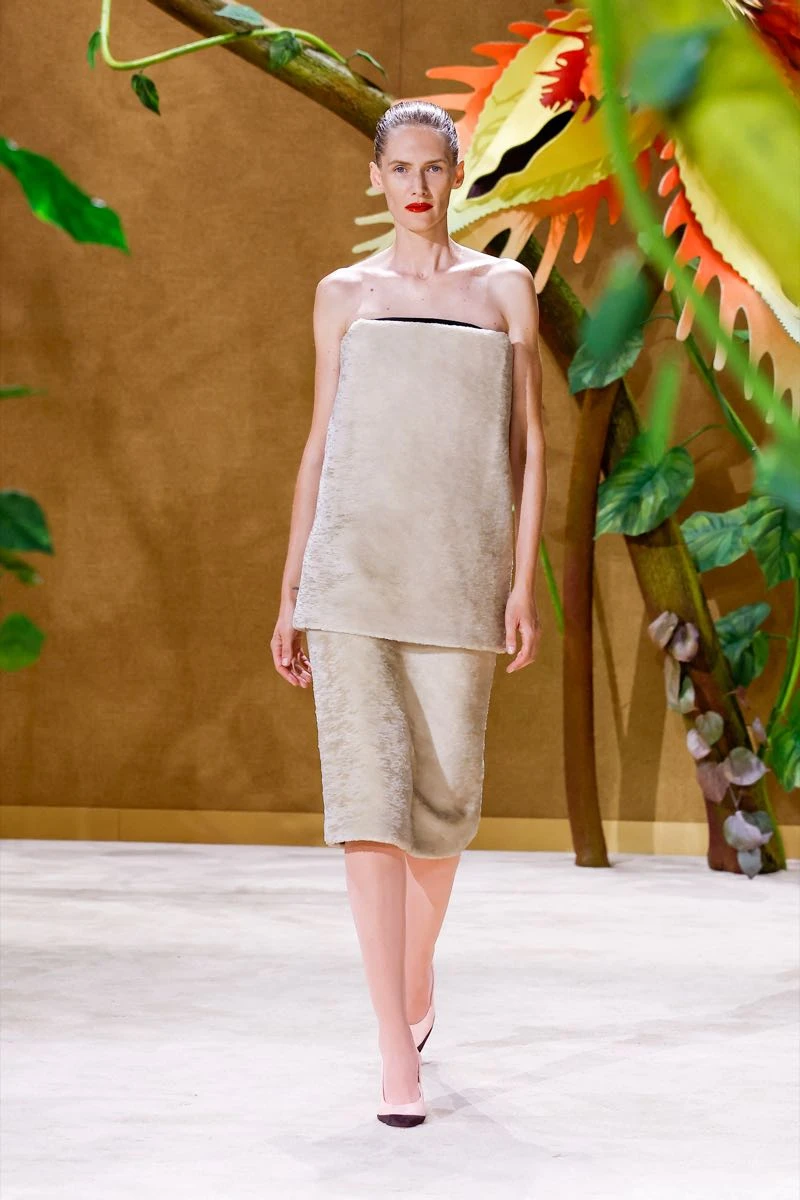
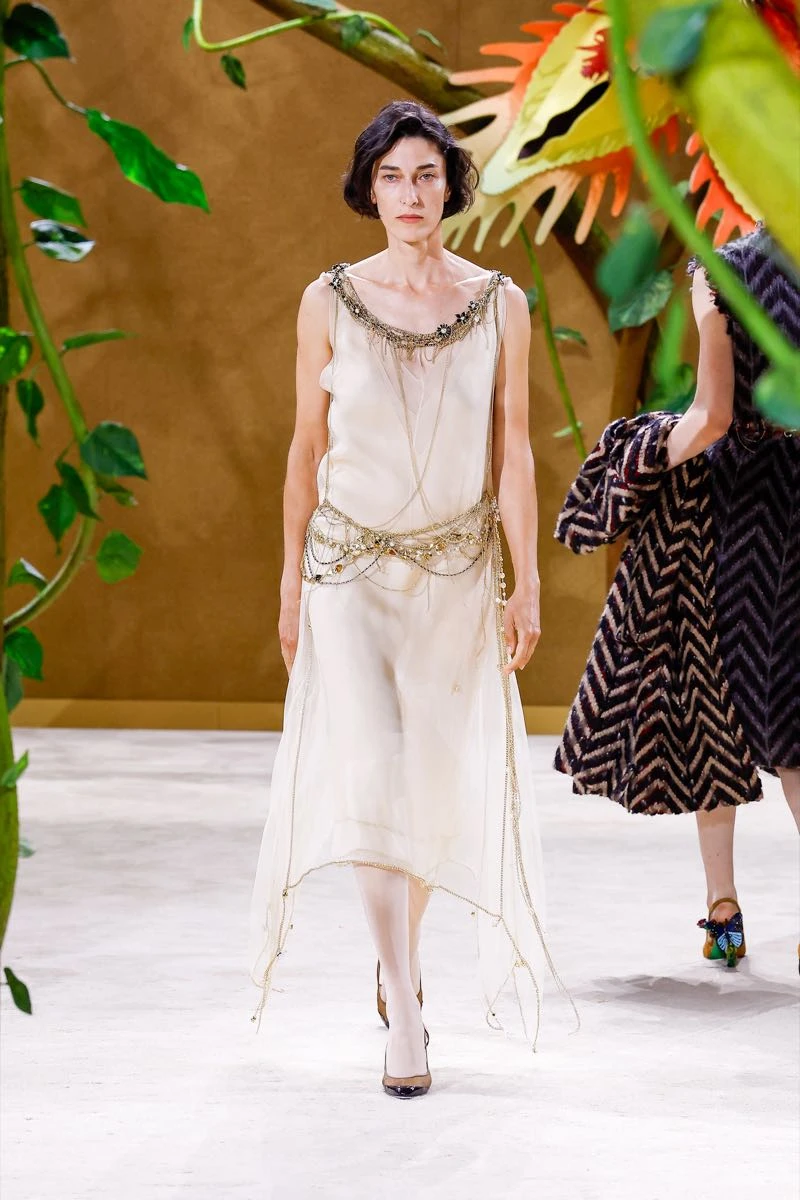
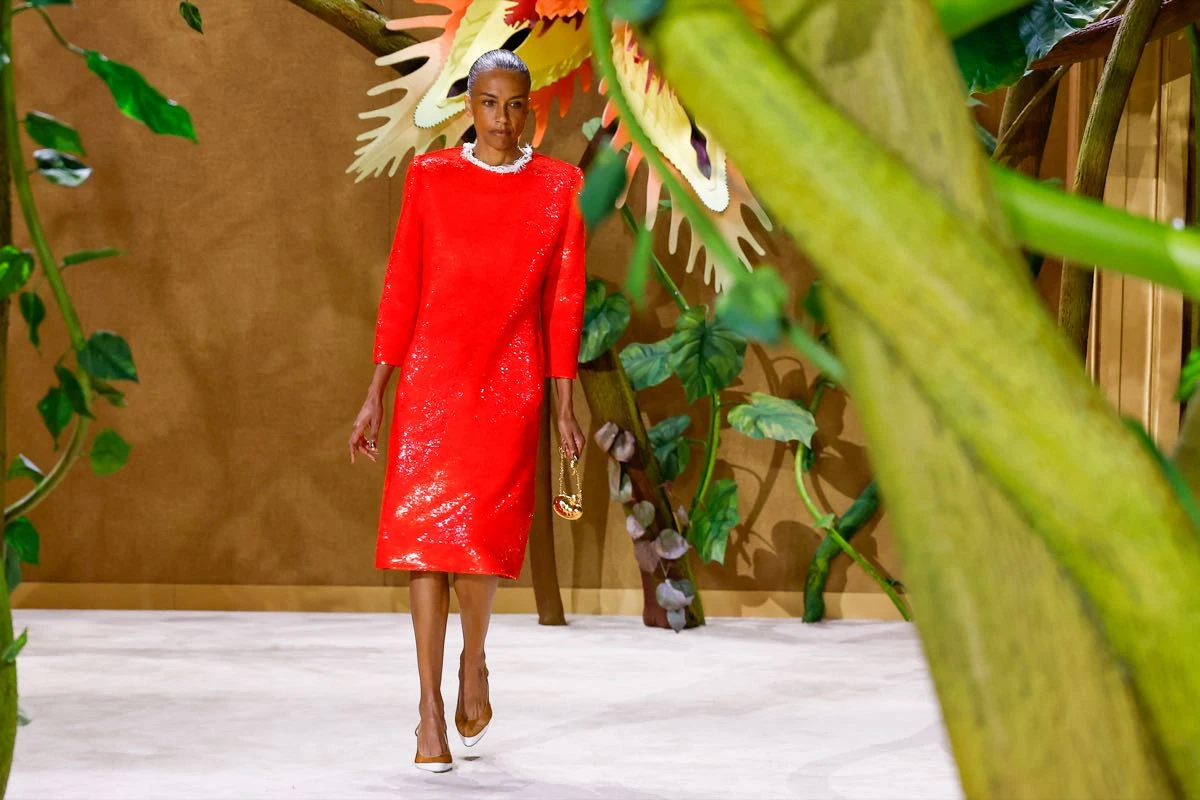
The tweed appeared renewed, lighter, more transparent, more daring. The suits became fluid. The silhouettes played with layering and less rigid cuts. There were pastel tones, pinks, lilacs, bright whites, deep black, and accents of carmine red.
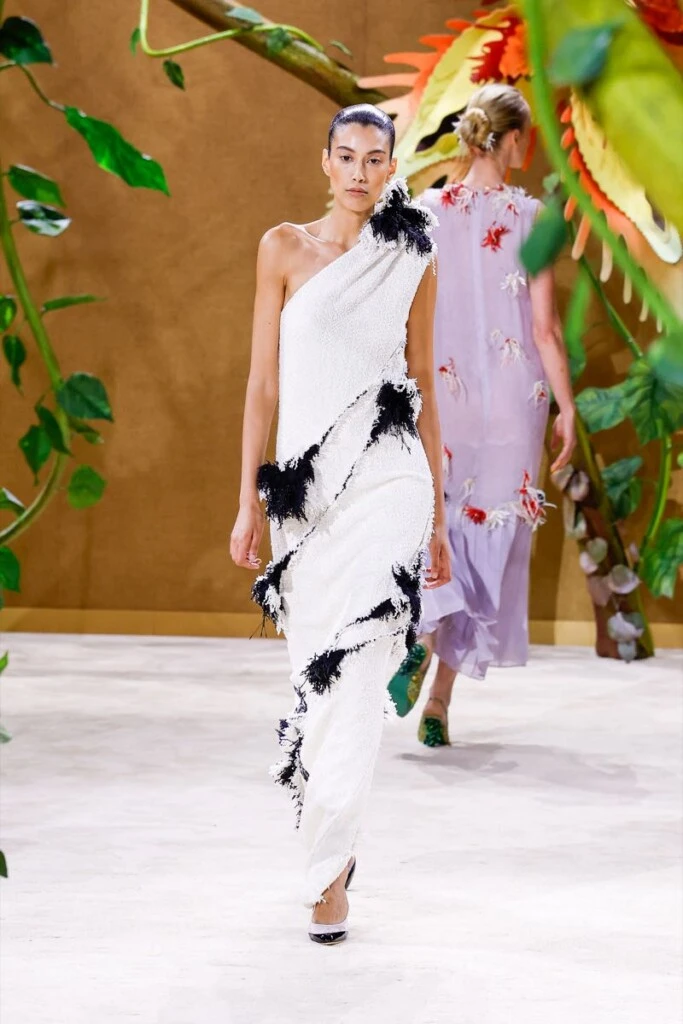
The result was a collection that achieved something difficult: speaking to Chanel’s longtime client as well as to a younger generation seeking pieces with history, but also with movement, desire, and personality.
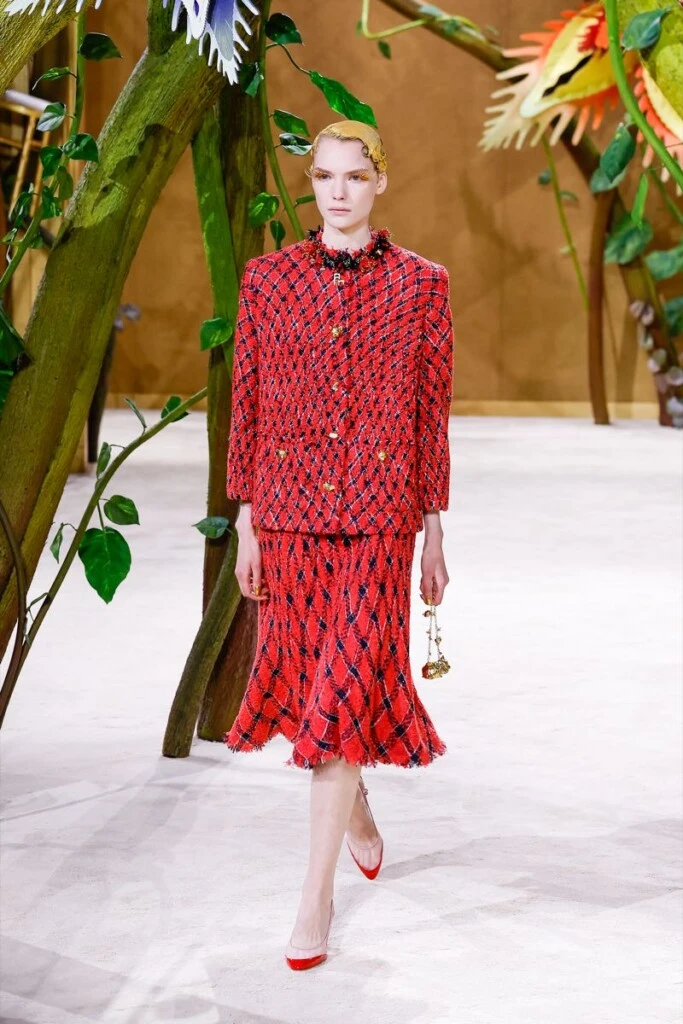
The Fabrics, Absolute Protagonists
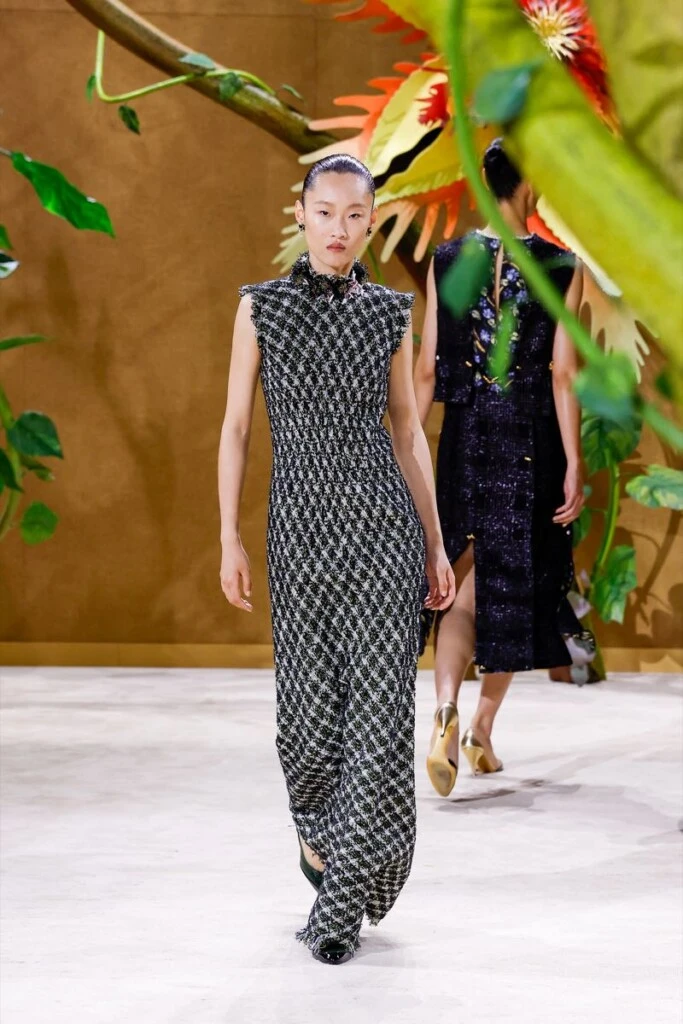
As in every Chanel haute couture show, the work of the ateliers was central. But this time the fabrics seemed to occupy even more space than the accessories.
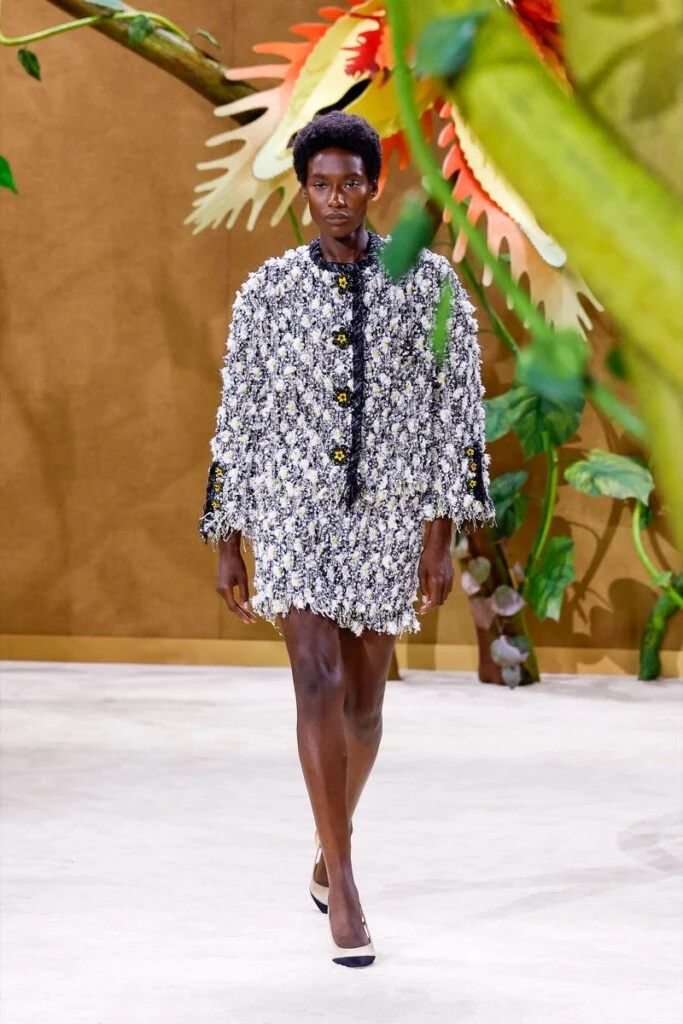
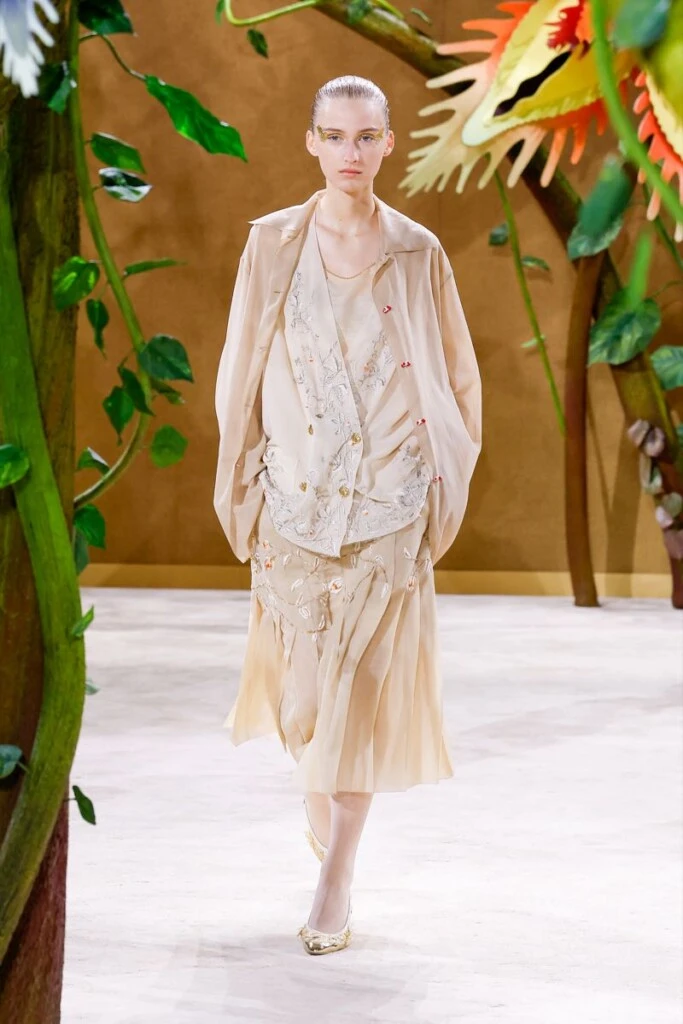
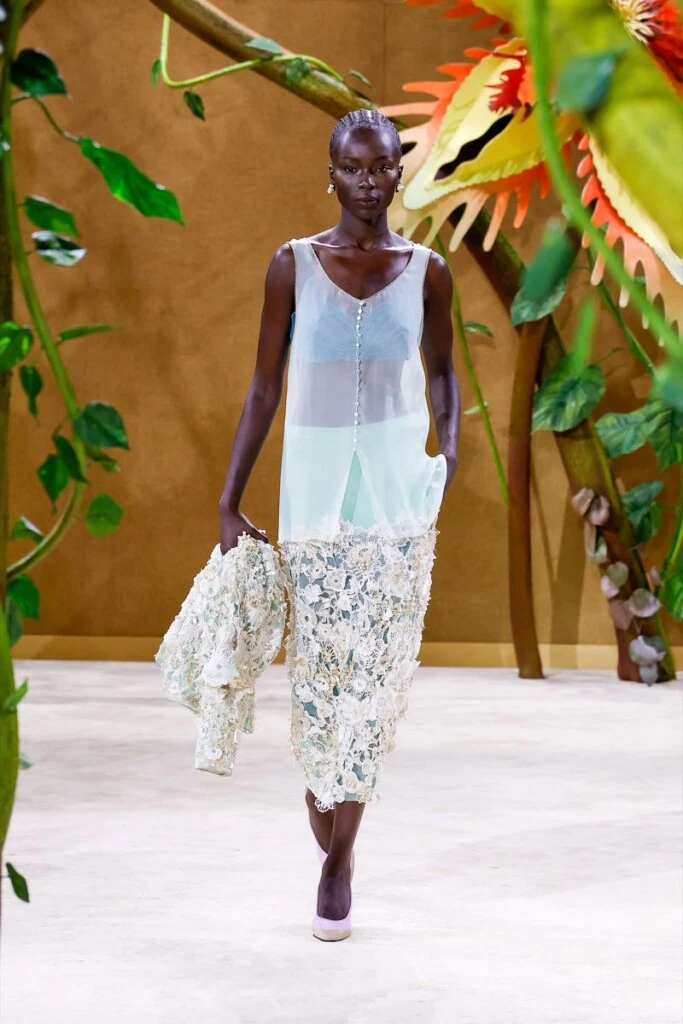
Blazy embraced a preciosive elegance, almost poetic, where each texture told a story. There were extremely delicate embroideries, relief flowers, lace, feathers, guipure lace and delicate transparencies that built a collection rich in symbolism.
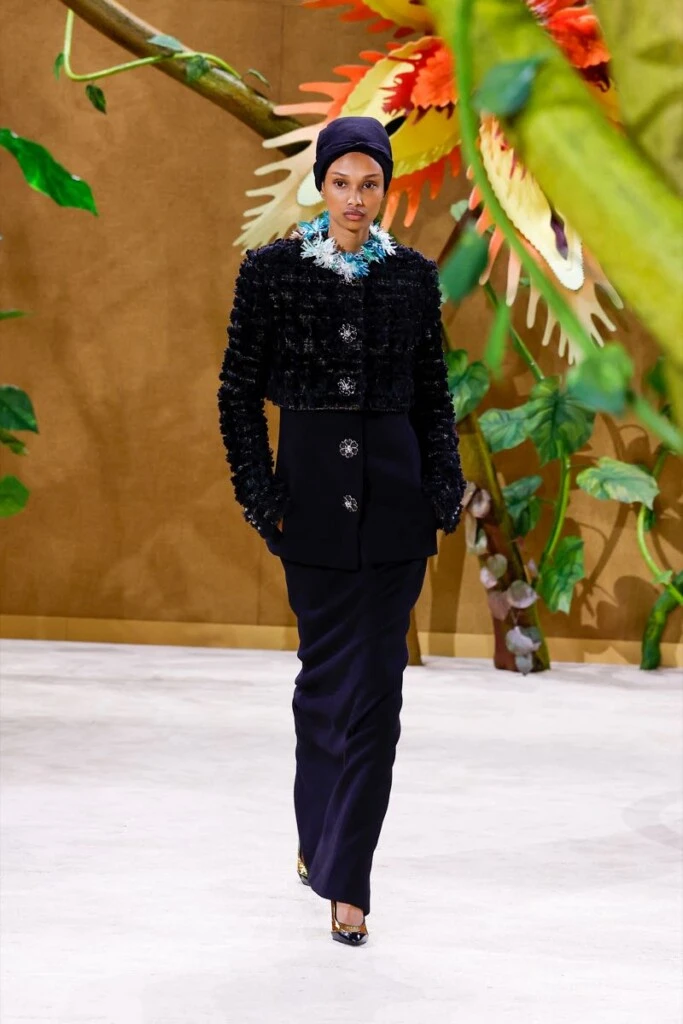
That was one of the collection’s great achievements: making the extremely complex feel light. Behind each garment lay hours of artisanal work, yet on the runway everything looked natural, soft, almost spontaneous.
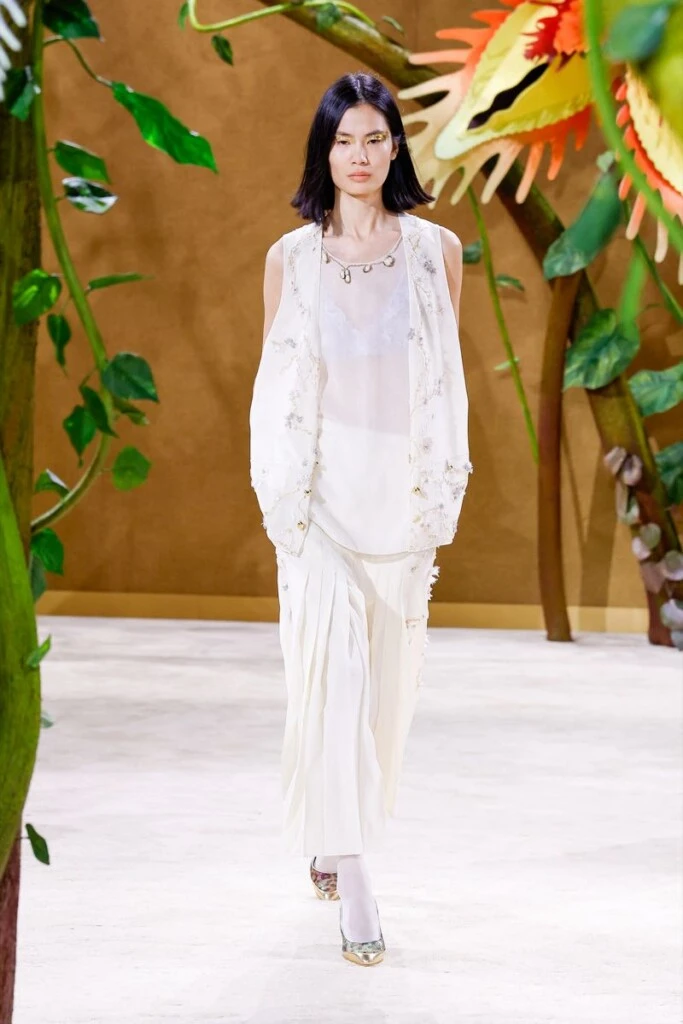
The Chanel Bride Who Inspires Future Brides
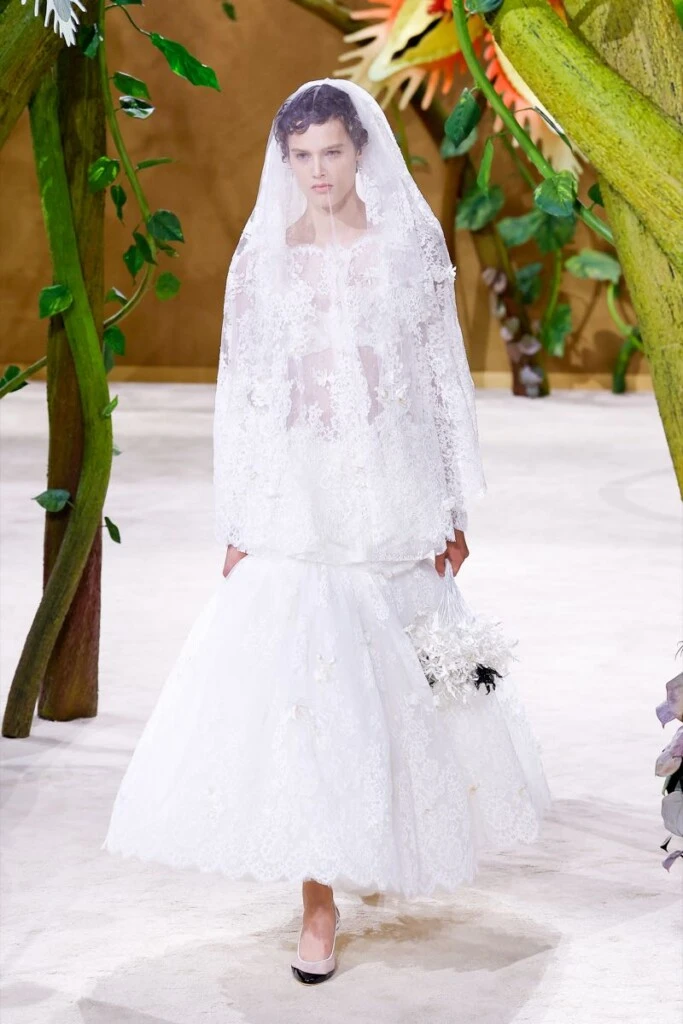
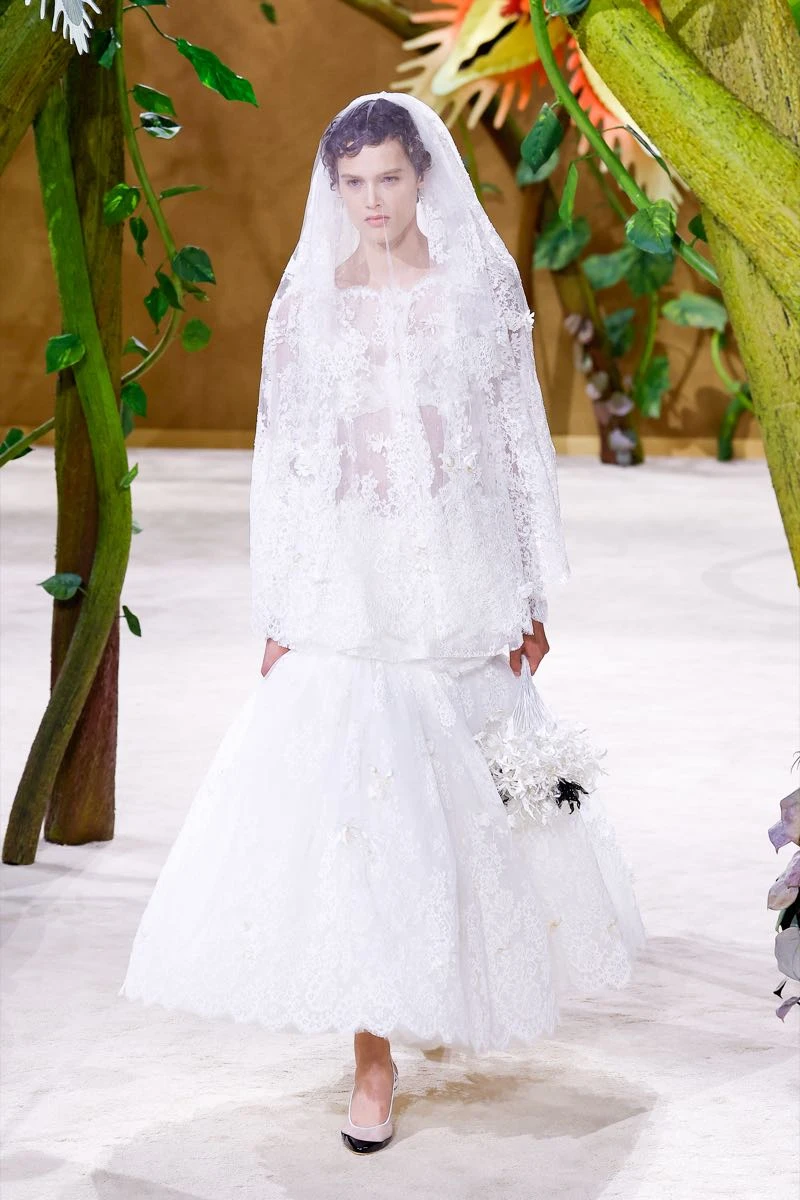
One of the show’s most commented moments was the appearance of the bride, a long-awaited tradition at haute couture shows.
Chanel presented a look with a romantic and contemporary spirit, featuring a low waist, a lace-worked jacket and a delicate silhouette that seemed to come from a fairy tale but was designed for a modern woman. It wasn’t an over-the-top or theatrically excessive bride: it was a Chanel bride, sophisticated, precise, and with that touch of fantasy that makes it unforgettable.
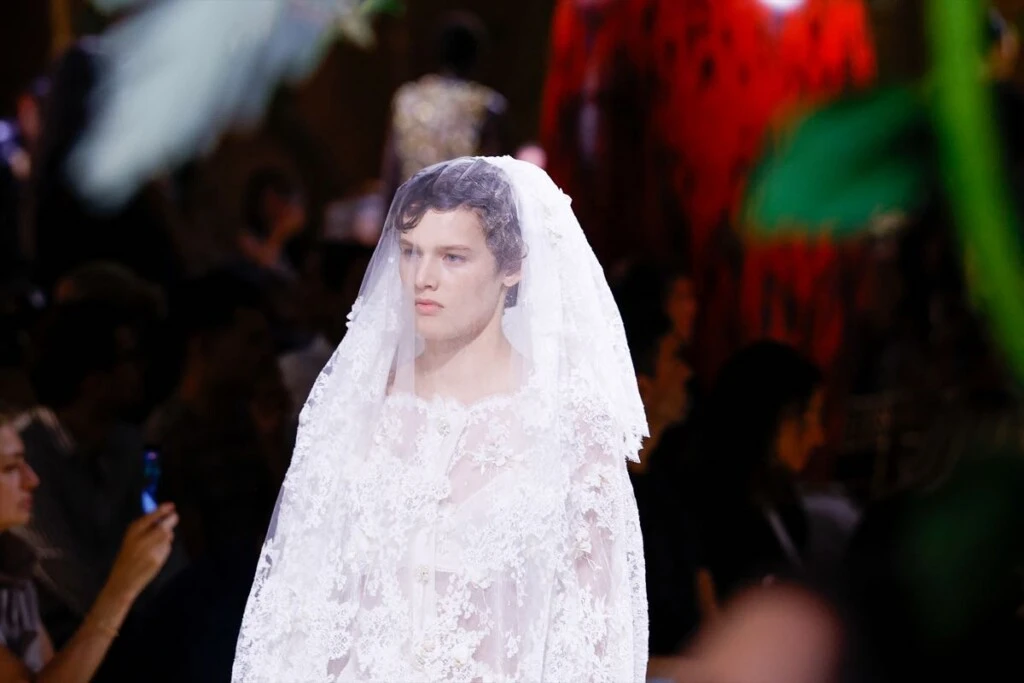
It is easy to imagine that this look will become inspiration for many brides in the coming seasons, especially for those seeking a distinct elegance, more artistic and less conventional.
Accessories: Few, but with Impact
Unlike other Chanel collections, the accessories did not compete with the clothing. Blazy chose to scale back on bags and jewelry so the focus would stay on the fabrics, silhouettes, and the artisanal construction of each design.
The artist Joël Blanc was also part of the experience, translating the show into watercolor and reinforcing the idea of fashion as an artistic gesture. In a world that is increasingly digital, Chanel chose to add a handmade, sensitive, and romantic perspective.
Chanel Haute Couture, under Matthieu Blazy’s direction, was not merely a fairy tale. It was a statement of intent: fantasy can coexist with practicality, tradition can look forward, and fashion, when made with beauty and sensitivity, can still make us dream.
Because that is what this show was, in the end: a fable of flowers, tweed, embroidery and transparency that transformed the Grand Palais into a possible world. A Chanel world.

Angel Byrne
I write about fashion with a personal eye for detail, elegance, and real-life style. Through Angel’s Boutique, I share honest reviews, boutique finds, and style notes for women who want inspiration that feels feminine, modern, and easy to make their own.