Eight practical haircuts to refresh your look: long, midi, and short options that suit different textures, densities, and styles.
Looking in the mirror and feeling that your hair has lost its shape doesn’t necessarily mean you have to cut several inches. There is also no age at which keeping it long stops being an option. The decision depends more on the condition of the fiber, density, and the maintenance you’re willing to sustain.
As Georgina Buscaglia, a color and hair-care specialist, explains, damaged hair fiber does not return to its original structure: “Hair isn’t repaired; it’s supported.” A proper routine can support its appearance and flexibility, but when the ends are very sensitized or break, a strategic cut helps remove the deteriorated areas.
Clavicut and long bob: two versatile mid-length options
1. Clavicut
The clavicut ends at the collarbone and serves as a bridge between long hair and a mid-length cut. It can be worn straight or with soft layers to add movement without losing density at the ends.

It’s a practical option if you want to refresh your look without jumping straight to a short cut. It adapts to both straight and wavy hair and still allows you to wear ponytails, low buns, and various hairstyles.
2. Long bob
The long bob typically sits between the jawline and the shoulders. If hair is fine or has low density, it’s best to establish an even base and avoid too many layers, since a more compact outline helps preserve visual weight.
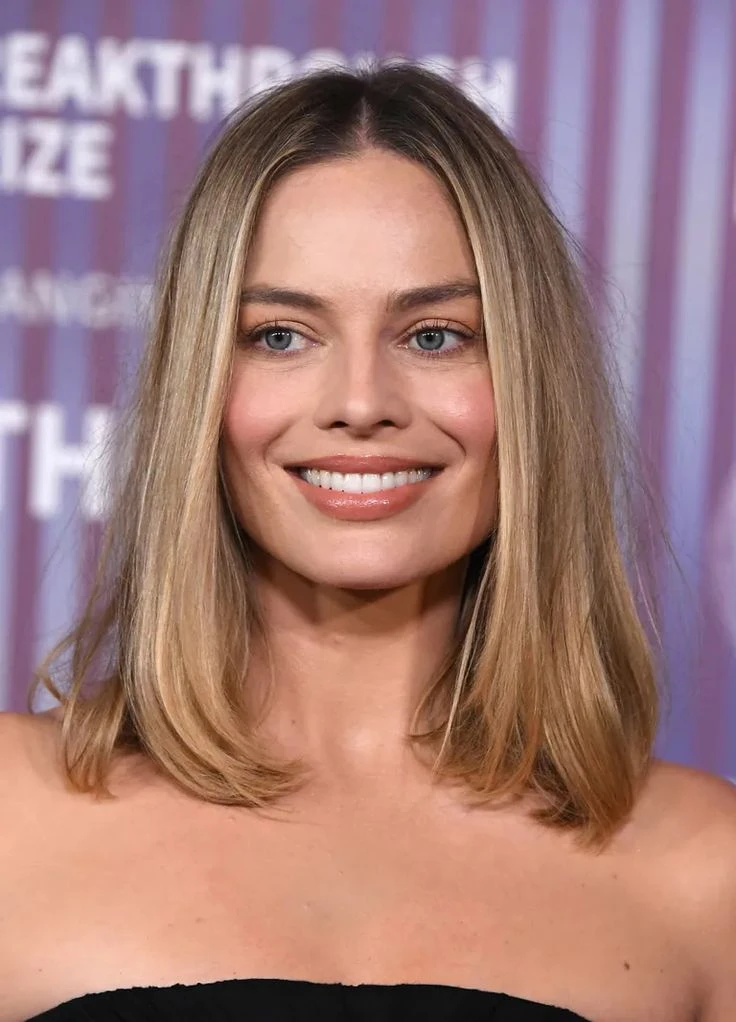
It can be worn with a middle part, a side part, straight, or with soft waves. To maintain its shape, it requires periodic touch-ups, although growth doesn’t alter the cut as quickly as with the shorter bobs.
French bob and short bob: the classic becomes lighter
3. French bob
The French bob is around jaw-length with a natural finish, less rigid than other geometric cuts. It can incorporate a light fringe or strands that accompany the contours of the face.
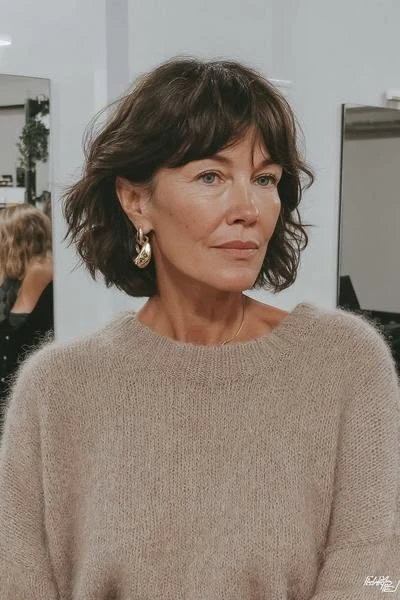
The key is to adapt it to the hair’s real texture. With waves, it accepts a more relaxed finish; on straight hair, it can be worn with ends barely shaped or with natural movement.
4. Short bob
Shorter than the traditional bob, it reaches roughly to the jawline and constructs a defined silhouette. It’s an option for those looking to clear the neck and refresh the look without yet going to a pixie.
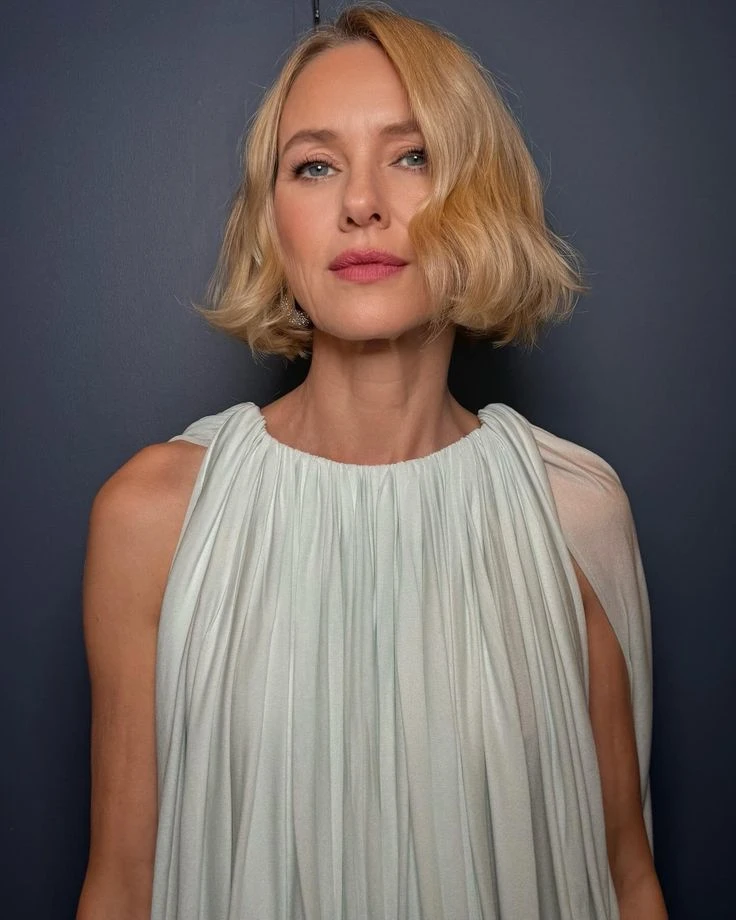
Its daily maintenance is straightforward, but it requires more frequent visits to the salon to preserve the length and the chosen line. It can be worn polished, with soft volume, or slightly tousled.
Shaggy short and soft crop: texture with minimal styling
5. Shaggy short
The shaggy short is built with short layers and a bevelled outline that adds texture and movement. It works on straight, wavy, or curly hair, though the distribution of the layers should be adapted to each natural pattern.
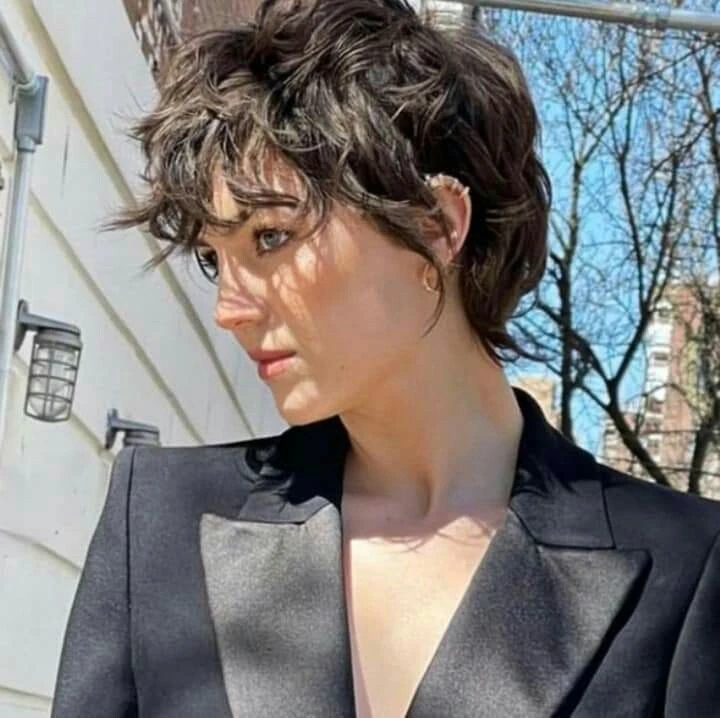
You can add a curtain fringe or leave the front a bit longer. Its relaxed spirit allows air-drying, provided the cut has been designed according to how the hair behaves.
6. Soft crop
The soft crop sits halfway between a very short bob and a pixie. It maintains some length around the face, but clears the nape and reduces the time needed to dry and style.
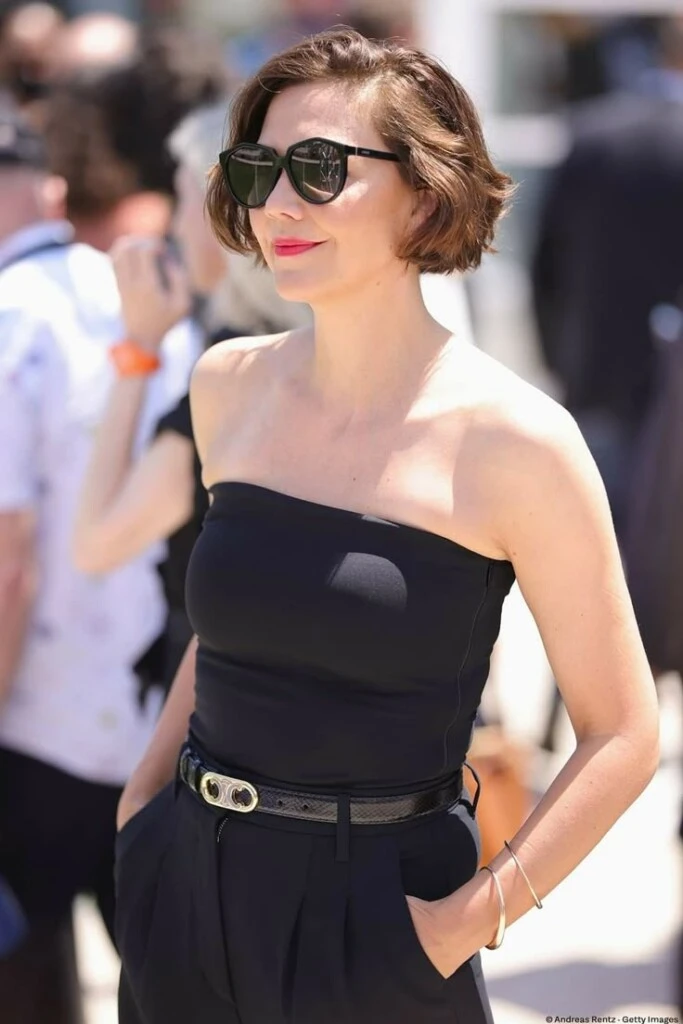
It is an interesting option for fine hair because it allows you to build volume without resorting to too many layers. It can be worn straight, with waves, or styled simply with your fingers and a small amount of styling product.
Mixie and pixie: the shortest and most personal cuts
7. Mixie
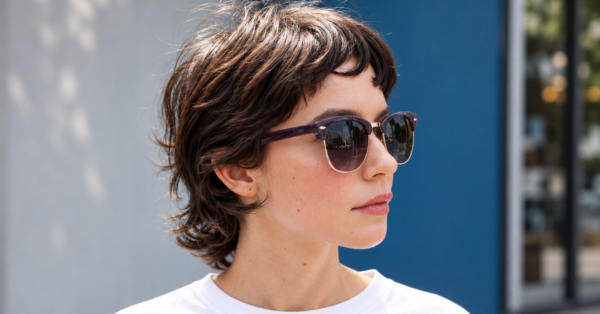
The mixie combines elements of the pixie and the mullet: it stays longer on top and at the temples, while the back is kept shorter. The result has a modern, deliberately relaxed vibe.
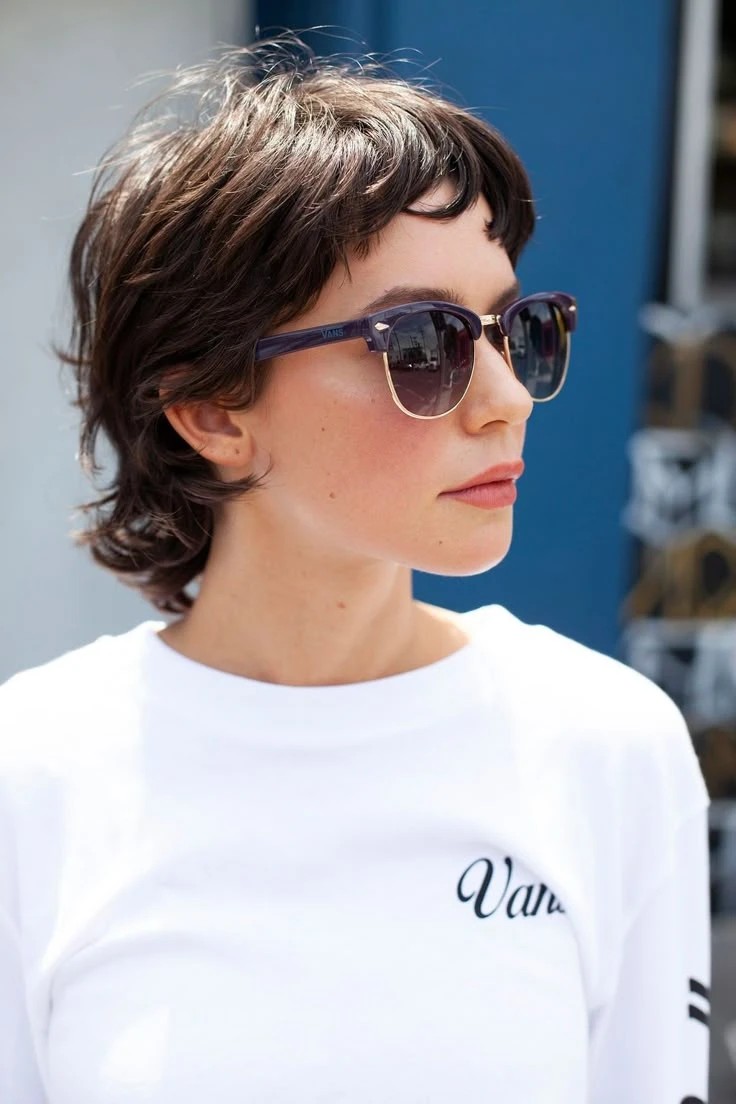
To style it, simply dry the hair and define some areas with your fingers, a light wax, or a texturizing product. While daily styling takes little time, the cut needs occasional trims to maintain its proportions.
8. Pixie
The pixie is the shortest in this selection. It features a clean nape and sides, while the top can be left longer to play with volume, texture, or bangs.
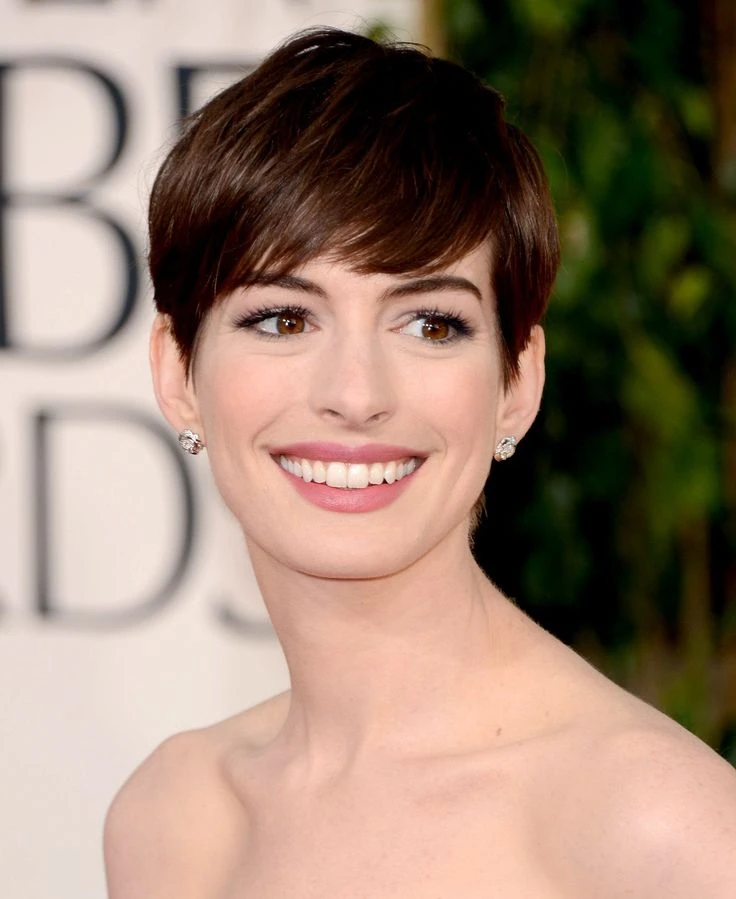
There isn’t a single version: it can be soft, graphic, layered, or asymmetrical. That possibility for customization allows it to adapt to hair type and each woman’s style, with no age-related rules.
Before choosing, it’s worth observing how the hair feels, its density, and how much maintenance the cut requires. Buscaglia recommends maintaining care and trimming the ends every two or three months, though frequency can vary depending on length, chemical processes, and heat usage.
