
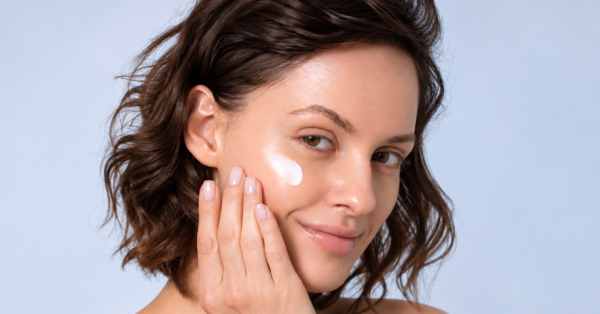
Choosing a day cream might seem straightforward at first glance, until terms such as moisturizing, nourishing, firming, antioxidant, or anti-aging appear. With so many options available, it’s all too easy to buy based on an enticing promise rather than on what your skin actually needs.
Age can serve as a reference, but it shouldn’t be the sole criterion. Two people who are 40, 50 or 60 years old can have completely different needs: dryness, sensitivity, brightness, acne-prone tendencies or dark spots. Therefore, before even glancing at the packaging, it’s worth taking a close look at the skin itself.
1. Choose it by your skin type, not just by your age
A day cream should provide comfort without leaving your skin feeling tight, heavy, or overly shiny.
If your skin is dry, seek textures that are creamy and help reduce water loss. If it’s oily or prone to breakouts, lighter formulas—gel or gel-cream—labeled as non-comedogenic tend to feel more comfortable.
For combination skin, you don’t necessarily have to apply the same amount everywhere: you can use more product on the dry areas and less on the forehead, nose, and chin. For sensitive or reactive skin, the safest choice is to opt for simple, fragrance-free formulas.
An important note: oily skin can also be dehydrated. Shine comes from sebum production, while dehydration relates to a lack of water. Therefore, feeling tight and also having sheen at the same time is not a contradiction.
2. Look at the function of its ingredients
There’s no need to memorize an endless list of active ingredients. The most practical approach is to understand what role each group of ingredients plays.
Glycerin and hyaluronic acid help attract and retain water on the surface of the skin. Ceramides, fatty acids, and other emollients contribute to strengthening the barrier and improving softness. In very dry skin, more occlusive ingredients can also be helpful, as they reduce moisture loss.
Antioxidants or brightening actives can add benefits, but they aren’t essential in every routine. If you already use serums, acids, or targeted treatments, a simple day cream can be enough. Layering too many ingredients doesn’t always improve results and, on sensitive skin, can raise the risk of irritation.
3. Pay attention to texture and climate
The best cream isn’t necessarily the most feature-rich one, but the one that feels pleasant and that you can use daily without hassle.
In summer or humid environments, a light emulsion may feel more comfortable. In winter, when facing wind, heating, or air conditioning, the skin may benefit from a texture that’s more nourishing.
It’s also important how well it integrates with the rest of your routine. The cream should absorb nicely and allow sunscreen and makeup to go on top without forming clumps or leaving a heavy residue.
Applying it to clean, slightly damp skin can help lock in water more effectively, especially when dryness is present.
4. Don’t confuse hydration with sunscreen protection
A moisturizer and a sunscreen serve different purposes. Some formulas combine both, but for real protection they must offer broad-spectrum coverage and an SPF of 30 or higher.
Additionally, you should apply a sufficient amount and reapply protection roughly every two hours when outdoors, as well as after sweating or getting wet.
If you feel you can’t apply a generous amount of SPF-containing cream because it feels too heavy, you can split the steps: first the moisturizer, then a sunscreen suitable for your skin. The sunscreen is always the final step of the skincare routine and goes before makeup.
5. Observe how your skin responds
A suitable cream should leave the skin feeling supple and comfortable. If it causes burning, itching, persistent redness, breakouts, or a congested sensation, it’s possible the formula isn’t right for you.
With reactive skin, it’s wise to introduce only one new product at a time. That makes it easier to identify what caused a reaction if any discomfort arises.
Remember too that needs can change. A cream that works well in summer may fall short in winter, and a formula that once seemed perfect might no longer be suitable due to hormonal changes, dermatological treatments, or new environmental conditions.
If dryness, irritation, or breakouts persist, the best course is to consult a dermatologist before continuing to test products.
The simplest rule for choosing well
You don’t need the most expensive cream, the one with the most actives, or the one that promises to tackle every sign of aging. You need a formula that matches your skin, is pleasant to use daily, and plays nicely with sunscreen.
Consistency often matters more for the skin than an extensive, hard-to-stick-to routine.
